
Font size
 Worksheets
Body System 2
Total questions: 104
Worksheet time: 1hrs 23mins

A specialized cell is a cell that has ...
the ability to divide
a specific role to do
no specific function in the body
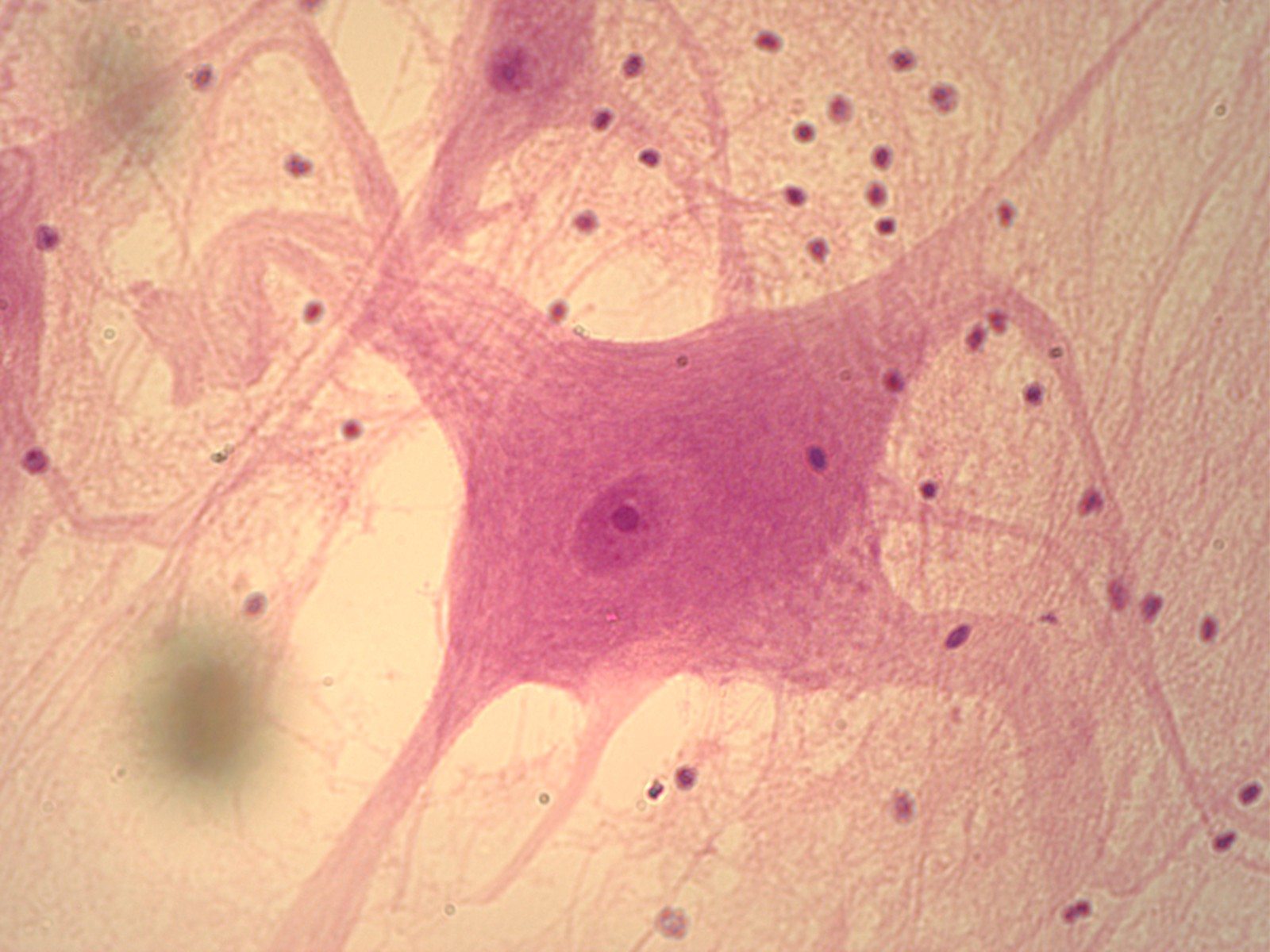
This type of tissue transmits information throughout the body to and from the brain.
Nervous Tissue
Connective Tissue
Muscular Tissue
Epithelial Tissue

Which of the following tissues is made up of cells that contract to help the body move?
Epithelial Tissue
Connective Tissue
Muscle Tissue
Nervous Tissue

organ systems make up.....
Tissues
Organs
Organ systems
Organisms
What is the correct order of organization?
cells->tissue->organs->organ systems-> organism
tissue->cells->organs->organ systems-> organism
organs->organ systems-> organism->cells->tissue
Which system collects and removes wastes from the blood?
Muscular
Circulatory
Digestive
Excretory
Which three body systems allow you to move?
muscular, skeletal, digestive
nervous, respiratory, digestive
nervous, muscular, skeletal
Muscular, skeletal, circulatory
Which two body systems deliver oxygen to your cells and take away carbon dioxide?
respiratory and nervous
circulatory and nervous
circulatory and excretory
respiratory and circulatory
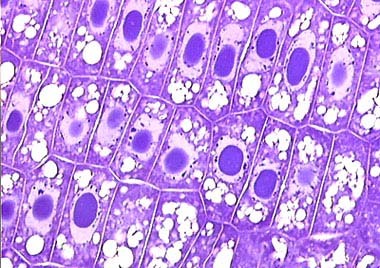
This is a example of a(n)...
cell
tissue
organ
organ system
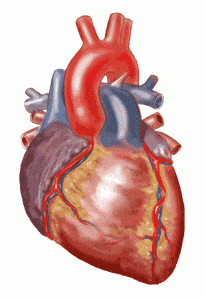
This is a example of a(n)...
cell
organ system
organ
tissue
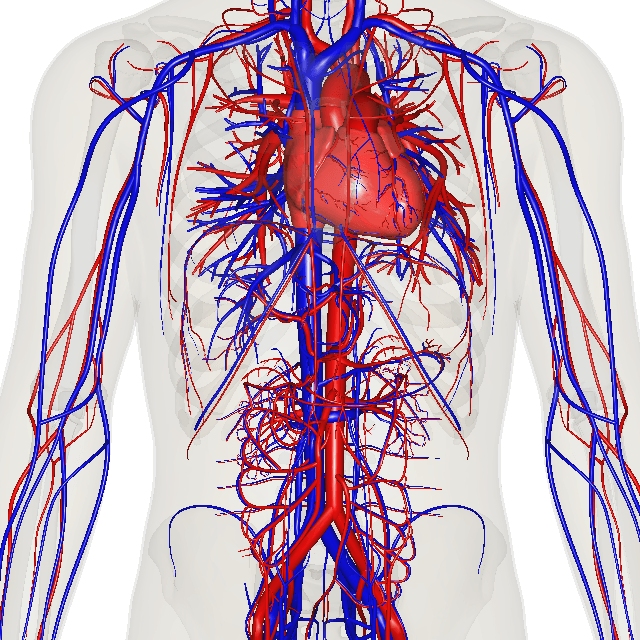
This is a example of a(n)...
organ
organ system
tissue
cell
___________ are the building blocks of life.
cells
legos
organelles
tissues
Any self-contained system within a larger system is called...
a tissue
an organ system
a cell
a subsystem
Blood is an example of...
a cell
a tissue
an organ
an organ system
What is the smallest unit of life in the human body
Tissue
Organ
Cell
Organism
1. Cells group together to form?
Cells
Organisms
Organs
Tissues
1. Tissues are grouped together to form various?
Organisms
Organ
Cells
Organ System
1. Organs work together as part of an?
Cell
Organism
Tissue
Organ System
What is the main function of the Digestive System?
Support/Protection
Breaks down food
Protect against germs
Remove waste
What is the main function of the Circulatory/Cardiovascular System?
Moves materials
Movement
Control
Support/Protection
What is the main function of the Nervous System?
Breaks down food
Protect against germs
Exchange gasses/remove waste
Send and Receive information
What is the main function of the Excretory System?
Breaks down food
Moves materials
Remove waste
Exchange gasses/remove waste
What is the main function of the Respiratory System?
Support/Protection
Exchange gasses/remove waste
Breaks down food
Movement
What is the main function of the Skeletal System?
Send and Receive information
Protect against germs
Breaks down food
Support/Protection
What is the main function of the Muscular System?
Remove waste
Movement
Exchange gasses/remove waste
Control
What is the main function of the Immune System?
Movement
Breaks down food
Moves materials
Protect against germs
1. What body systems are mainly being used while running?
Immune and Respiratory
Respiratory and Muscular
Nervous and Digestive
Digestive and Skeletal
Which Body System is the most important?
Skeletal
Digestive
Cardiovascular
All of them
What body Systems are mainly being used while sitting at lunch eating?
Digestive and Immune
Skeletal and Muscular
Digestive and Muscular
Nervous and Immune

Which Body System is this?
Skeletal
Cardiovascular
Nervous
Digestive

Which body system is this?
Nervous
Cardiovascular
Immune
Respiratory

Which Body System is shown here?
muscular
Digestive
Cardiovascular
Respiratory

Which body system is shown here?
Cardiovascular
Immune
Digestive
Nervous

Which Body System is shown here?
Digestive
Respiratory
Cardiovascular
Nervous

What is this?
Respiratory system
Skeletal system
Nervous system
Digestive System

Which system is this?
Respiratory system
Skeletal system
Nervous system
Circulatory System

Which system is this?
Circulatory System
Digestive System
Nervous system
Skeletal system

Which system is this?
Respiratory system
Skeletal system
Nervous system
Digestive System

Which system is this?
Respiratory system
Skeletal system
Nervous system
Circulatory System

What are these?
Alveoli
Lungs
Trachea
Larynx

Which organ is this?
Brain
Spinal Cord
Nerve
Cerebellum

which organ is this?
esophagus
stomach
small intestine
large intestine

which organ is this?
liver
Stomach
Pancreas
Esophagus

which Organ is this?
Arteries
Veins
Vessels
Heart
Choose the correct organs for the Circulatory System
Arteries, heart, veins, vessels.
Arteries, heart, nerves, vessels.
Arteries, heart, nerves, capilaries.
Arteries, heart, veins, bones.
Choose the correct organs for the digestive system.
Esophagus, large instestine, short intestine, stomach.
Esophagus, large intestine, lungs, stomach.
Esophagus, large intestine, trachea, stomach.
Esophagus, short instestine, lungs, stomach.
Choose the correct organs for the Nervous system
Brain, veins, spinal cord.
Brain, nerves, Vertebral column.
Brain, arteries, spinal cord.
Brain, nerves, spinal cord.
choose the correct organs for the Respiratory system.
Lungs, kidneys, trachea.
Lungs, nose, trachea.
Lungs, nose, heart.
Lungs, nose, kidneys.
Choose the correct organs for the skeletal system.
Bones, arteries, ligaments.
Bones, arteries, tendons.
Bones, ligaments, tendons.
Bones, skull, tendons.
This system sends, receives, and processes nerve impulses throughout the body.
Respiratory system
Circulatory system
Nervous system
Digestive system
This is the body's transport system. It is made up of a group of organs that trasnport blood throughout the body. The heart pumps the blood, and the blood is transported by the arteries and veins to the body.
What system is this?
Digestive system
Circulatory system
Nervous system
Respiratory system
Lee con atención el siguiente párrafo, para que contestes las preguntas siguientes.
The muscular system is made up of tissue that works with the skeletal system to control movement of the body. Some muscles are voluntary; in other words you decide when to move them. Other muscles, like the ones in your stomach, heart, instestines, and other organs, are involuntary. This means they are controled automatically by the nervous system. Many times, you don't even realize these muscles are working!
What systems control the movements of the body?
The muscular and the nervous systems.
The muscular and the skeletal systems.
The eskeletal and the Nervous systems.
The muscular, the eskeletal and the nervous system.
What types of muscles does the human body have?
Voluntary and involuntary
Voluntary and automatic
Voluntary and tissues
Involuntary and nervous muscles
What system controls the heart and the stomach?
Digestive system
Nervous system
Circulatory system
Respiratory system
This system carries food, gases and wastes throughout the body
circulatory system
respiratory system
nervous system
Which three body systems allow you to move?
muscular, skeletal, digestive
nervous, respiratory, digestive
nervous, muscular, skeletal
Muscular, skeletal, circulatory
What type of energy goes into muscles moving?
mechanical (moving) to chemical
chemical to mechanical (moving)
thermal to chemical
chemical to thermal

What is part of the digestive system
Vein
Heart
Esophagus
all of the above

Where dose the circulatory system start
Artery
Lungs
Stomach
Heart

What connects the mouth to the stomach
Liver
Pancreas
Esophagus
Small intestine

What is the job of your digestive system?
To break down food
To remove waste
To pump blood around the body
To bring oxygen into the body

A muscular bag that mixes and crushes food is your
Small Intestine
Stomach
Large Intestine
Esophagus

The job of your kidneys is to...
Create feces
Take carbon dioxide out of your blood
Put oxygen into your blood
Clean blood, sending waste to bladder
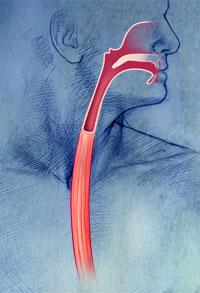
What system provides support for the body and helps protect the body's major organs?
integumentary
skeletal
digestive
cardiovascular
Which of the body's systems provides movement of the skeleton and organs and maintains body temperature and posture?
skeletal
digestive
nervous
muscular
What is the name of the body system responsible for sending and receiving messages to and from all the parts of the body?
nervous
cardiovascular
integumentary
digestive
Which body system transports gases and nutrients to and from all the parts of the body?
nervous
digestive
muscular
cardiovascular
What is the system of the body responsible for preparing the food you eat for use in the cells by breaking it down and absorbing its nutrients?
cardiovascular
integumentary
respiratory
digestive
Which system contains skin and hair?
muscular
integumentary
cardiovascular
skeletal
Which of the body's systems contains the trachea and diaphragm?
respriatory
digestive
cardiovascular
nervous
The system containing the esophagus and small intestine is which of the following?
digestive
respiratory
integumentary
skeletal
Which system contains the heart?
nervous
cardiovascular
muscular
skeletal
Which body system contains the stomach and large intestine?
digestive
integumentary
respiratory
skeletal
The brain and nerves are parts of which system?
cardiovascular
integumentary
skeletal
nervous
Biceps and quadriceps belong to which body system?
skeletal
nervous
digestive
muscular
Which body system contains the tibia and fibula?
nervous
muscular
integumentary
skeletal
Neurons are primarily composed of this cell?
heart
skin
brain
skull
Which 2 body systems interact and initiate movement?
muscular and nervous system
skeletal and muscular system
respiratory and nervous system
circulatory and nervous system

