
 Worksheets
Understanding Energy, Work,and Simple Machines
Total questions: 45
Worksheet time: 24mins

What is the unit of energy (work) in the International System of Units (SI)?
Newton
Joule
Watt
Pascal

Which of the following is an example of a simple machine?
Battery
Lever
Engine
Generator

What type of energy is stored in a stretched or compressed spring?
Kinetic Energy
Chemical Potential Energy
Elastic Potential Energy
Thermal Energy

Which of the following is a form of potential energy?
Kinetic Energy
Chemical Potential Energy
Thermal Energy
Sound Energy
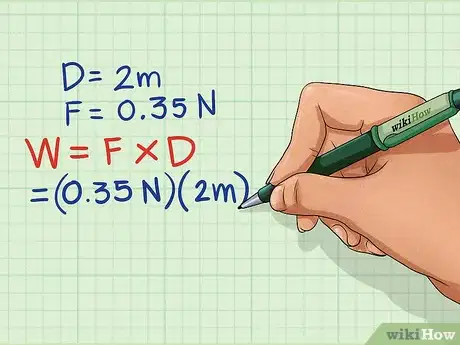
What is the formula for calculating work done when a force is applied?
Work = Force × Distance
Work = Mass × Acceleration
Work = Force × Time
Work = Mass × Velocity

Which simple machine consists of a wheel with a rope or cable wrapped around it?
Lever
Pulley
Wedge
Screw
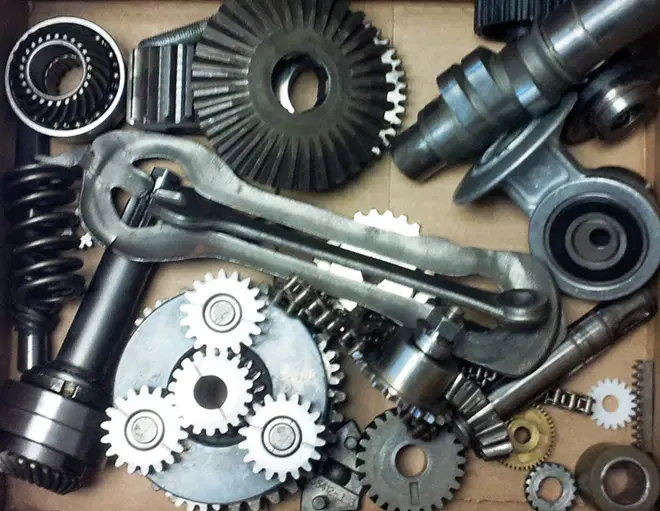
What is the mechanical energy of an object?
The sum of its potential and kinetic energy
The difference between its potential and kinetic energy
Only its potential energy
Only its kinetic energy

Which of the following is an example of a closed system?
A car engine
A sealed thermos bottle
An open window
A flowing river

What is the primary function of a wedge?
To lift objects
To hold objects together
To split or cut objects
To change the direction of a force
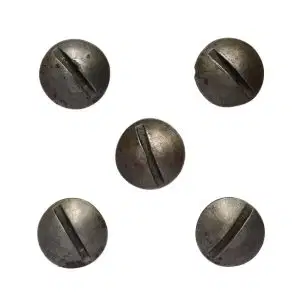
Which simple machine is used to hold objects together or lift them by converting rotational force into linear force?
Wheel and Axle
Inclined Plane
Pulley
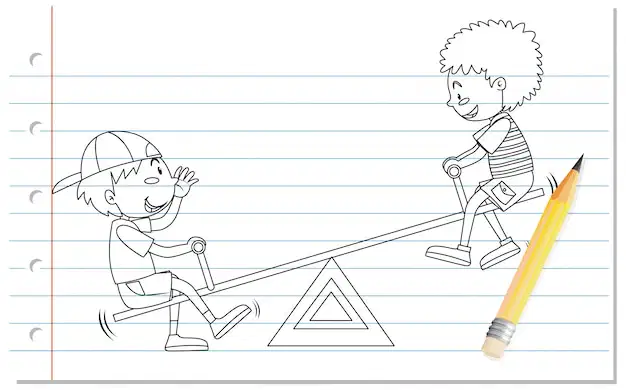
What type of simple machine is a seesaw an example of?
Inclined Plane
Lever
Wheel and Axle
Pulley

Which form of energy is associated with the motion of an object?
Potential Energy
Kinetic Energy
Chemical Energy
Thermal Energy

What is the primary purpose of an inclined plane?
To change the direction of a force
To increase speed
To reduce the amount of force needed to lift an object
To store energy

What type of simple machine is a ramp an example of?
Lever
Inclined Plane
Wheel and Axle
Pulley

Which simple machine is used to change the direction of a force applied to an object?
Wedge
Pulley
Screw
Inclined Plane
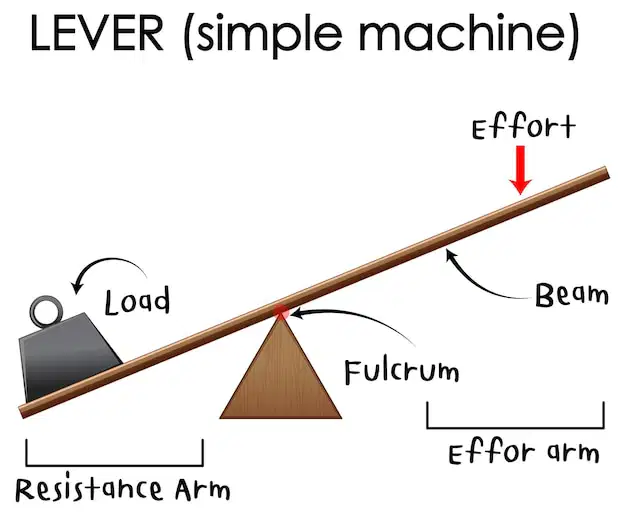
What is the primary function of a lever?
To hold objects together
To lift or move loads
To split objects
To store energy

What type of simple machine (but it's really a complex machine) is a pair of scissors an example of?
Lever
Inclined Plane
Wedge
Pulley

Which form of energy is stored in the bonds of chemical compounds?
Kinetic Energy
Potential Energy
Chemical Energy
Thermal Energy
What is the primary function of a pulley?
To hold objects together
To lift or lower loads
To split objects
To store energy

Which simple machine is used to split or cut objects?
Lever
Wedge
Pulley
Inclined Plane

What type of energy is associated with the position of an object in a gravitational field?
Kinetic Energy
Gravitational Potential Energy
Chemical Energy
Thermal Energy
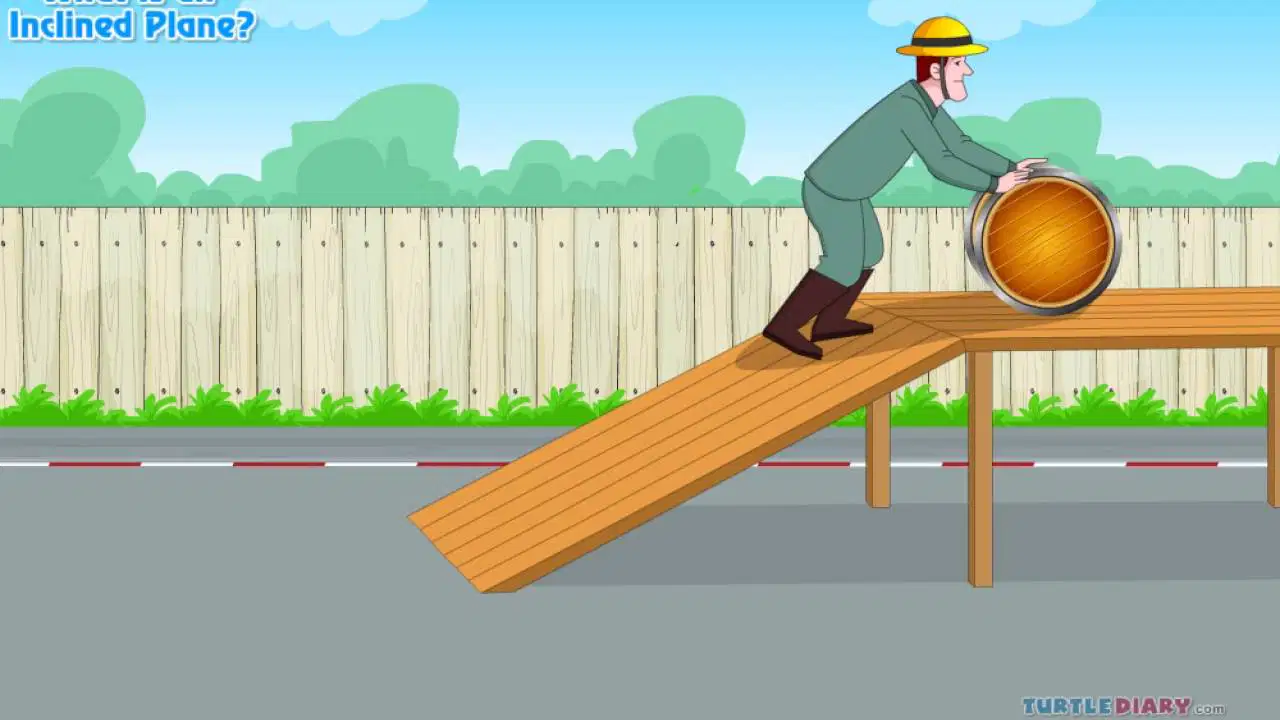
Which simple machine consists of a sloping surface used to raise objects?
Lever
Inclined Plane
Wheel and Axle
Pulley
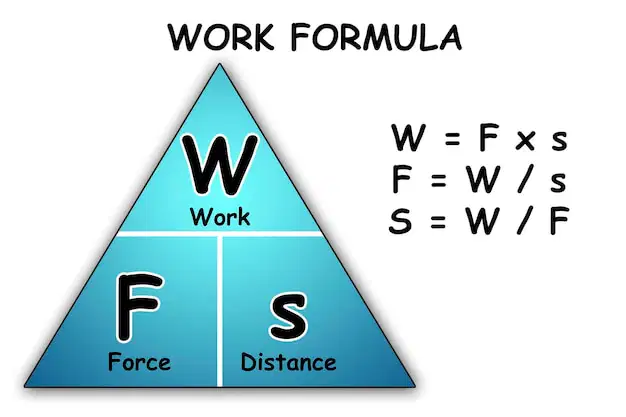
What is the formula to calculate work done?
work done = force / distance
work done = force - distance
work done = force + distance
work done = force × distance
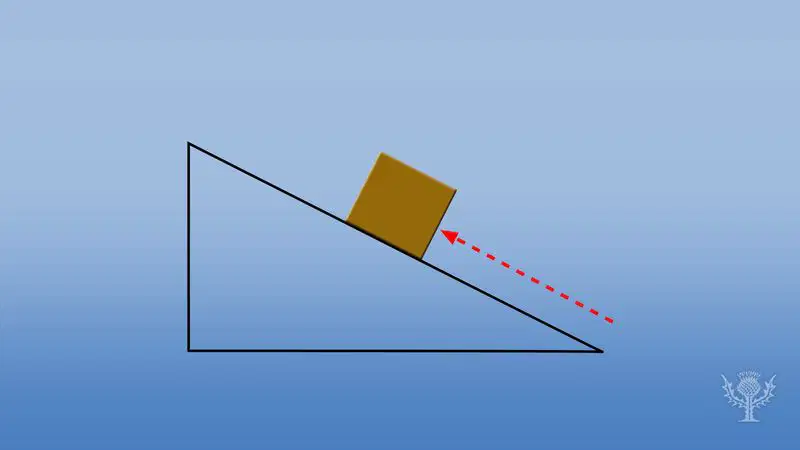
What is the unit of work?
Joule
Volt
Watt
Newton
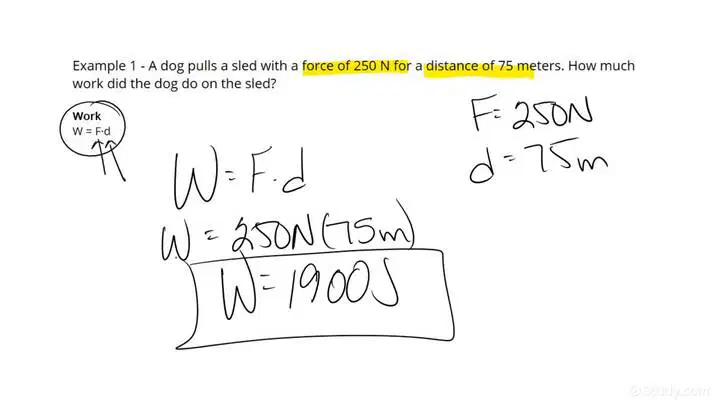
If a force of 20 N is applied to move an object a distance of 5 meters, what is the work done?
10 J
100 J
200 J
50 J

If no displacement (distance) occurs, is work done?
Yes
Maybe
Sometimes
No
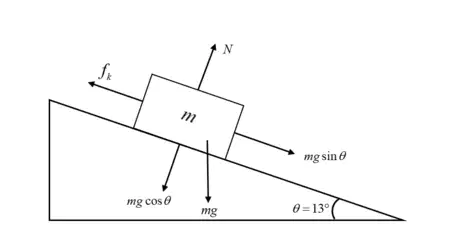
If the work done is negative, what does it indicate?
The work done is zero.
The work done is in the same direction as the displacement.
The work done is in a random direction.
The work done is in the opposite direction of the displacement.
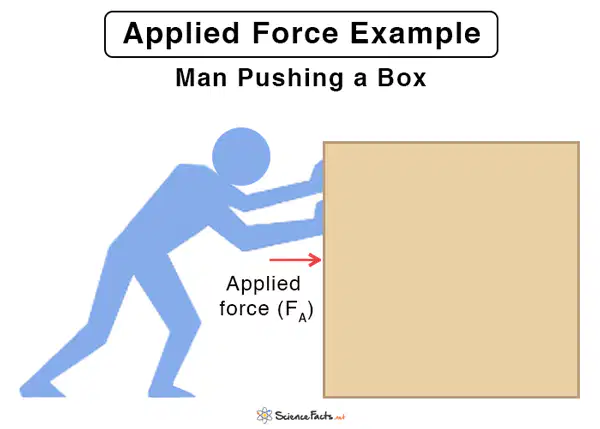
If a force of 30 N is applied to move an object a distance of 3 meters, what is the work done?
90 J
10 J
60 J
30 J
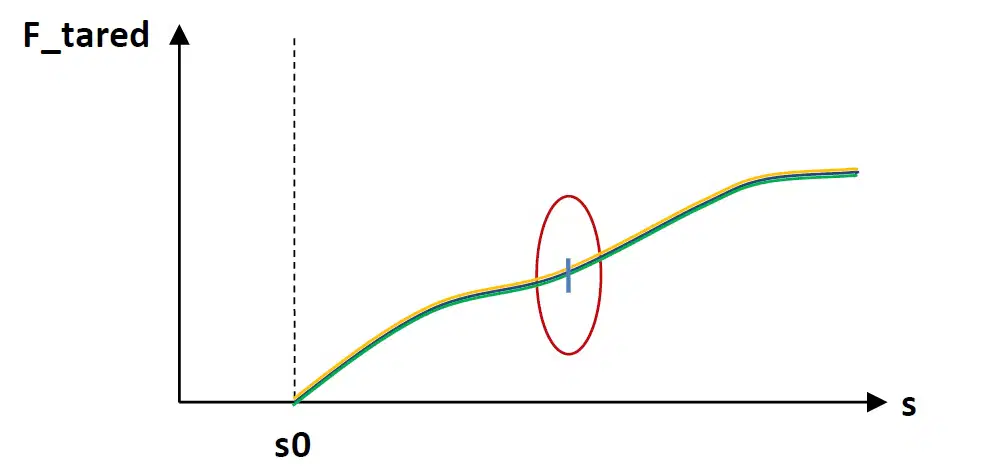
What is the work done when the displacement is zero?
Zero
Positive
Negative
Undefined

A force of 100 newtons was necessary to lift a rock. A total of
150 joules of work was done. How far was the rock lifted?
250 meters
1500 meters
0 meters
1.5 meters

Efficiency is calculated by dividing the ________ by the ________ and multiplying by 100.
work output/input
force output/input
Fxd
work input/output
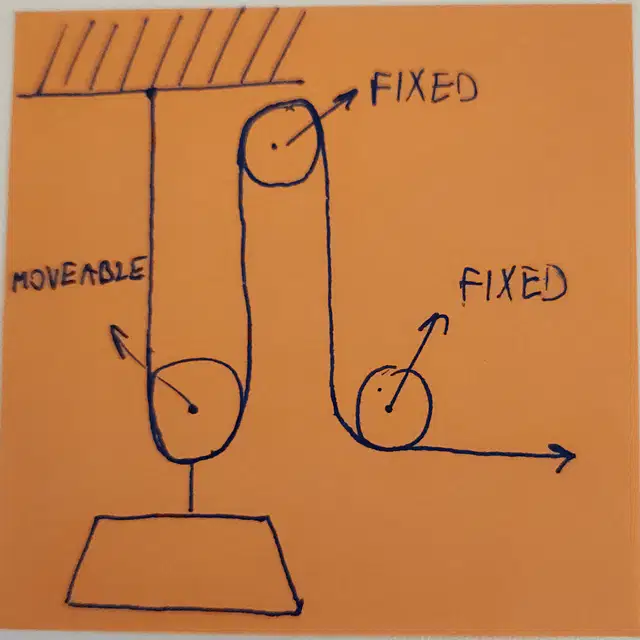
Which of the following is true about mechanical advantage?
MA is the ratio between work output and work input
MA is the ratio of force produced by a machine compared to force put into the machine
MA describes how much work is done by a machine

Simple machines decrease the amount of work that needs to be done.
True
False
The efficiency of a machine will never be 100%
True
False
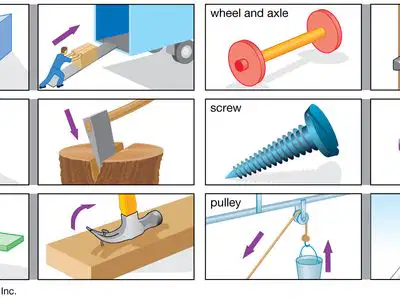
Simple machines decrease the amount of work that needs to be done.
True
False

Which of these has the most potential energy.
A
B
C
D
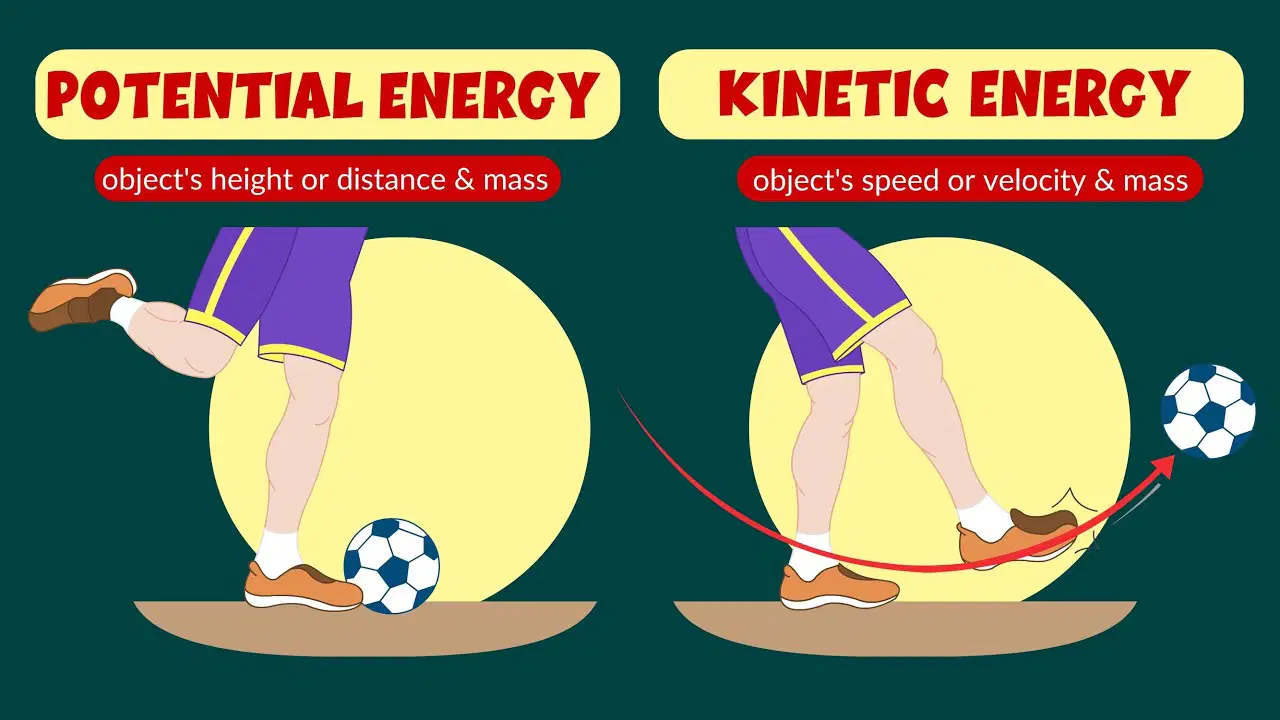


A golf pro swings his driver with a mass of 0.75 kg at a velocity of 60 m/s. What is the kinetic energy of the club?
22.5 J
It doesn't have kinetic energy-it has potential energy.
2,700 J
1,350 J

You throw a ball into the air as shown in the diagram. At what point does the ball have the most gravitational potential energy?
W
X
Y
Z


