
 Worksheets
Earth's Resources
Total questions: 63
Worksheet time: 32mins
fossil fuel
the remains or traces of an organism from a past geologic age
a substance that is used for energy
a type of fuel that forms from the ancient remains of decomposed plants and animals
formed from the compacting and cementing of sediments
alternative energy
energy generated from the movement of water
a type of fuel that forms from the ancient remains of decomposed plants and animals
an energy resource that is used instead of fossil fuels
energy from the Sun
geothermal
energy generated from the movement of wind
heat from within the Earth
a substance that is used for energy
energy from the Sun
hydroelectric
energy generated from the movement of wind
electricity generated from the movement of water
energy from the Sun
heat from within the Earth
solar
energy from the Sun
energy generated from the movement of water
an energy resource that is used instead of fossil fuels
a substance that is used for energy
wind
energy from the Sun
electricity generated from the movement of water
energy generated from the movement of wind
electricity generated from the movement of water
natural resource
a resource that can be replaced over time
a resource that is found in nature that is useful to humans
a resource that exists that exists in limited supply; used up faster than it is replaced
limiting the amount of resources used; protecting natural resources
renewable resource
limiting the amount of resources used; protecting natural resources
a resource that exists in limited supply; used up faster than it is replaced
a resource that is found in nature that is useful to humans
a resource that can be replaced over time
nonrenewable resource
limiting the amount of resources used; protecting natural resources
a resource that exists in limited supply; used up faster than it is replaced
a resource that can be replaced over time
a resource that is found in nature that is useful to humans
conservation
limiting the amount of resources used; protecting natural resources
a resource that exists in limited supply; used up faster than it is replaced
a resource that can be replaced over time
a resource that is found in nature that is useful to humans
Which is not a natural resource?
iron
sunlight
coal
plastic
Materials from the environment that are used by people are called _____ _____.
energy resources
material resources
renewable resources
natural resources
Oil, coal, and natural gas are considered __________ ___________ because it takes millions of years for them to form.
Nonrenewable Resources
Renewable Resources
Energy Resources
Very Expensive
Plants, animals, and water are all ________ ______.
Fossil Fuels
Renewable Resources
Geothermal Energy
What does burning fossil fuels release into the atmosphere?
oxygen
carbon
carbon dioxide
nitrogen
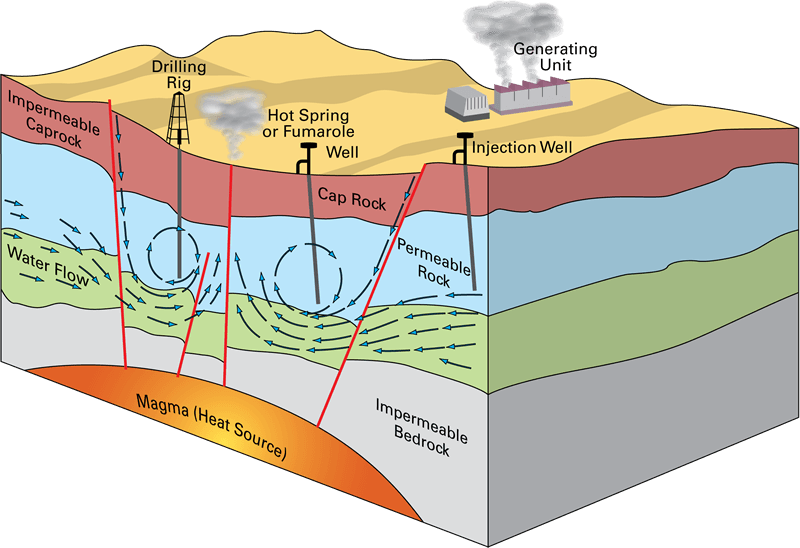
__________uses heat from the interior of the Earth.
Solar
Geothermal
Nucler
Wind
Why don't we use solar energy or geothermal energy as much as we could?
The sun and geothermal energy are limited.
The sun and geothermal are too weak in certain areas.
The set-up cost is too expensive.
The machines are too large.
Which of the following shows the best cause and effect relationship between population and natural resource consumption?
Increases in the size of human population cause decreases in the consumption of natural resources.
Decreases in the size of human population cause increases in the consumption of natural resources.
Increases in the size of human population do not affect the consumption of natural resources.
Increases in the size of human population cause increases in the consumption of natural resources.
Decreases in the size of human population cause increases in the consumption of natural resources.
A mineral is an ore if
it can be used in jewelry
it is a solid and naturally occurring
it is rare and valuable
it is profitable and useful
Name a DISADVANTAGE of NUCLEAR ENERGY?
Dangerous radioactive waste is produced
expensive and not efficient on cloudy days
creates air pollution (sulfur and CO2) when burned
although unlimited, it creates greenhouse gases when burned
fracking dangers
Name a DISADVANTAGE of SOLAR ENERGY?
Dangerous radioactive waste is produced
expensive and not efficient on cloudy days
creates air pollution (sulfur and CO2) when burned
although unlimited, it creates greenhouse gases when burned
fracking dangers
Name a DISADVANTAGE of COAL?
Dangerous radioactive waste is produced
expensive and not efficient on cloudy days
creates air pollution (sulfur and CO2) when burned
although unlimited, it creates greenhouse gases when burned
fracking dangers
Sand, gravel, and granite are examples of
metallic minerals
metallic elements
nonmetallic minerals
aluminum
A company is likely to mine a site if the site
is rich in minerals
contains gold
contains minerals that can be extracted economically
does not contain gangue minerals
_____________ often form at bends in a river where the water flows more slowly and heavier materials are likely to settle out.
Dredges
Placer deposits
Seams
Fans
Efforts to wisely use, distribute, and protect valuable resources
Conservation
Mineral Resources
Ground Resources
Geologic Trap
Layer of impermeable rock that prevents upward or lateral escape of oil and gas
Chemical Energy
Geologic Trap
Ground Resource
Mineral Resource
Petroleum/Oil
Renewable
Nonrenewable
Geothermal
Renewable
Nonrenewable
Solar Energy
Renewable
Nonrenewable
Coal
Renewable
Nonrenewable
Wind Energy
Renewable
Nonrenewable
Uranium/Nuclear
Renewable
Nonrenewable
Hydroelectric Power
Renewable
Nonrenewable
Natural Gas
Renewable
Nonrenewable

The greenhouse gas carbon dioxide helps to
deflect harmful radiation from space
increase precipitation in arid areas
form clouds in the atmosphere
maintain warmth near Earth's surface

The advantages of solar energy include the fact that it is
nonrenewable
non-polluting
expensive
absent at night

The fuel for nuclear fission in nuclear reactors is
petroleum
carbon
hydrogen
uranium

What is a benefit of using coal for energy?
It is nonpolluting
It can be shipped in a liquid form
It is plentiful in the US
It can be mined without damaging the land

Where are tar sands plentiful?
Kentucky
Canada
Saudi Arabia
Mexico

What is something nonmetallic mineral resources are used for?
gold mining
natural gas production
gasoline
building materials

How does a hydroelectric plant produce energy?
fluid is extracted from deep mines
atoms are split by neutrons
falling water turns a turbine
methane deposits are burned
a sedimentary rock containing kerogen. Heated kerogen yields synthetic crude oil, which can be processed into gasoline and other petroleum products. Flammable as is also produced
oil shale
syncrude
kerogen
tar sands
a sandy geologic deposit containing a heavy oil or tarlike fuel too thick to be pumped to the surface, but which can be mined and treated to obtain synthetic fuels,. They are also called oil sands
kerogen
oil shale
tar sands
coal seam
The cleanest burning fossil fuel is ______.
coal
oil
wind
natural gas
A significant disadvantage of tar sands as an alternative oil source, compared with traditional oil drilling, is
the use of so much energy to extract the energy source
the potential for ocean oil spills
the production of additional CO2 into the atmosphere
that tar sands are more expensive than traditional oil
What are some concerns about building dams to create hydropower? Check all that apply.
Dams change the environment.
There are no concerns.
Dams change fish swimming patterns.
Dams store too much water.
Two Disadvantages of Solar Power are:
It is polluting
It is not always sunny out
It is inefficient (nor fully utilizing the Sun's energy)
It cannot be stored at all.
What is a disadvantage of wind turbines?
They pollute the air.
They do not pollute
They produce noise and may harm some animals
They are "green" energy
About ____ of water on the earth is usable freshwater.
100%
70%
25%
1%
A landfill leaks toxic chemicals and the chemical ends up in a nearby river. This is an example of
point source pollution
nonpoint source pollution
groundwater
hydroelectric energy
Waste oil from a car mechanic's shop washes across the land. This is an example of ____
runoff
CFCs
groundwater
wind energy
What is the collecting and processing of used items so they can be made into new products?
conservation
sustainability
recycling
renewable resources
Power plants release sulfur dioxide and nitrogen oxides. What is the result of this?
it creates acid precipitation
it causes soil to erode as its fastest rate
it adds nutrients to runoff water
it cleans the air
The Clean Air Act was established in....
1970
1993
1976
1981
What was the law that gave federal protection to US waterways from pollution from industries?
Clean Air Act
National Environmental Policy Act
Clean Water Act
Endangered Species Act
What is the primary objective of the Clean Air Act?
To reduce water pollution
To control air pollution
To manage waste disposal
To regulate noise pollution

