
 Worksheets
revision for g.7 q.1
Total questions: 193
Worksheet time: 3hrs 40mins
The correct sequence of mitosis:
metaphase, anaphase, telophase, prophase
prophase, metaphase, anaphase, telophase
prophase, anaphase, metaphase, telophase
telophase, metaphase, prophase, anaphase
Identical halves of a chromosome are called?
Cousins
Chromatids
Centromere
Centrosome
Sister chromatids separate from each other.
Prophase
Telophase
Anaphase
Metaphase
Chromosomes line up along the center of the cell.
anaphase
prophase
metaphase
telophase
There are 2 nuclei in one cell.
telophase
prophase
anaphase
metaphase
The division of the cytoplasm is called?
Anaphase
Mitosis
Cytokinesis
G0
What do plants give off after photosynthesis?
Oxygen
Carbon
Nitrogen
Hydrogen
Plants need ________ from the air for photosynthesis
oxygen
soil
carbon dioxide
sugar
What molecule absorbs sunlight during photosynthesis?
Epidermis
Thylakoid
The leaf
Chlorophyll
Which statement about photosynthesis is correct?
Plants get the energy they need for photosynthesis from water.
Plants get the energy they need for photosynthesis from soil.
Plants get the energy they need for photosynthesis from sunlight.
Plants do not require energy to perform photosynthesis.
The products of photosynthesis are
water and carbon dioxide
oxygen and water
sugar and carbon dioxide
oxygen and sugar (glucose)
The main source of energy for all life comes from ____.
the Earth
the moon
the sun
the food we eat/make
Why are plants important to life on Earth?
They make our world more beautiful
They make the planet look green
They use carbon dioxide and give us oxygen
They provide shade for insects
In what part of the cell does photosynthesis occur?
Nucleus
Chloroplast
Epidermis
Vacuole
After photosynthesis, plants store their energy as _________.
chlorophyll
pigment
glucose (sugar)
oxygen
How does most of the water needed by the plant get into its leaves?
It enters through the stomata.
The roots absorb it, and then it travels up the xylem.
It's made during a chemical reaction in the stem.
The flowers capture water and deliver it to the leaves.

Why do plants conduct photosynthesis?
To make light
To make mitochondria
To make glucose
To release carbon dioxide

What major energy transformation occurs during photosynthesis?
Thermal --> Chemical
Kinetic --> Radiant
Chemical --> Radiant
Radiant --> Chemical
How does carbon dioxide get into the leaves of a plant?
It's absorbed by the roots
It's made in a chemical reaction in the stem
It enters through the stomata
It goes through the flowers
Which choice correctly shows the gases that enter and exit plants during photosynthesis?
Enter: Oxygen
Exit: Carbon dioxide
Enter: Water vapor
Exit: Glucose
Enter: Carbon dioxide
Exit: Oxygen
Enter: Light
Exit: Water vapor
What are the 3 key ingredients needed for photosynthesis?
glucose, oxygen, carbon dioxide
carbon dioxide, water, glucose
water, soil, sunlight
sunlight, water, carbon dioxide
Which of the following statements is true regarding photosynthesis?
Creates oxygen for animals to breathe.
Creates energy for consumers to use.
Creates food for plants to use.
All of these are correct.
A student is collecting the gas given off from a plant in bright sunlight at a temperature of 27°C. The gas being collected is probably ________.
oxygen
carbon dioxide
ATP
glucose
What are the three reactants of photosynthesis? The reactants are the things needed for photosynthesis to occur.
oxygen, glucose, sunlight
sunlight, oxygen, water
water, oxygen, carbon dioxide
carbon dioxide, sunlight, water

What pigment captures/absorbs sunlight?
stomata
chlorophyll
chloroplast
phloem
What are the two products of photosynthesis? The products are the things made in the process of photosynthesis.
water, sunlight
glucose, carbon dioxide
oxygen, glucose
sunlight, oxygen
What is the main purpose of photosynthesis?
To make food
To create energy
To release oxygen
To absorb sunlight

Which product is "waste" and is mostly released by the producer (plant)?
oxygen
carbon dioxide
sugar
glucose
Which of the following are TRUE statements? (Select ALL that apply)
Photosynthesis takes place in the chloroplasts of leaf cells.
Photosynthesis means "making food using the sun".
Photosynthesis can occur in the dark.
All plants, plant-like protists, and some bacteria go through photosynthesis.
What part of the leaf is responsible for absorbing the sun's energy?
cell wall
veins
chlorophyll
nucleus
Which are the reactants of photosynthesis?
Glucose & Oxygen
Glucose & Carbon Dioxide
Oxygen & Water
Carbon Dioxide & Water
Which describes what reactants are?
Molecules that go into a reaction
Molecules that come out of a reaction
The chemical change in a reaction
The energy that causes the reaction to happen.
In what organelle does photosynthesis take place?
Mitochondria
Golgi apparatus
Chloroplast
Nucleus
What is photosynthesis?
The process of using sunlight to create sugars.
The process of making ATP in the presence of oxygen.
The process of water moving across a semi-permeable membrane.
The process of breaking down dead organic material.
What are the products of photosynthesis?
Glucose & Carbon Dioxide
Water & Carbon Dioxide
Glucose & Oxygen
Water & Oxygen
Which is the correct, balanced equation for photosynthesis?
6O2 + 6H2O → C6H12O6 + 6CO2
6CO2 + 6H2O → C6H12O6 + 6CO2
CO2 + H2O → C6H12O6 + O2
6CO2 + 6H2O → C6H12O6 + 6O2
(a) is the green pigment found in plants.
The photosynthesis equation contains ____________ water molecules
6
5
2
12
Heterotrophs can eat:
plants
meat
plants and meat
sunlight energy
What is the source of energy for producers?
animals
animal waste
sunlight
other plants
What is the name of the process that autotrophs or producers use to make food?
cellular respiration
photosynthesis
photorespiration
cellular synthesis
In respiration, energy from food is transferred to...
carbon dioxide
ATP
oxygen
water
In photosynthesis, energy from the sun is transferred to...
carbon dioxide
glucose
oxygen
water
Which of the following do aerobic organisms use for respiration? (You may choose more than one answer)
O2
CO2
H2O
C6H12O6
Which of the following do plants use for photosynthesis? (You may choose more than one answer)
O2
CO2
H2O
C6H12O6
Which of the following best defines autotrophs and heterotrophs?
Autotrophs produce their own food through photosynthesis, while heterotrophs must consume other organisms for energy.
Autotrophs consume other organisms for energy, while heterotrophs produce their own food through photosynthesis.
Both autotrophs and heterotrophs produce their own food through photosynthesis.
Both autotrophs and heterotrophs consume other organisms for energy.
An organism that eats other animals or plants, rather than making its own food.
(a)
an organism makes its own food like plants .
(a)


A group of tissues that work together is a(n) ______________________.
cell
organ
organ system


This picture represents which of the levels of organization?
tissue
organism
organ
organ system
Which of the following shows the levels of organization in order from simple to complex?
1. Cell
2. Tissue
3. Organ
4. Organ System
5. Organism
1. Cell
2. Tissue
3. Organelle
4. Organ
5. Organ System
1. Tissue
2. Organelle
3. Cell
4. Organ
5. Organism
1. Organ
2. Tissue
3. Cell
4. Organism
5. Organ System


The molecule used directly by cells for energy
in cellular processes.
Protein
Glucose
ATP
Lipids

Cell respiration with oxygen.
Provides the most ATP- up to 36 ATP/molecule of glucose
Endurance activities for humans.
ie. Long distance running.
Anaerobic Cellular Respiration
Aerobic Cellular Respiration
Mitochondria
Photosynthesis

Cell respiration with no oxygen.
Inefficient production of ATP. 2-4 ATP per Molecule of Glucose
Intense activities for humans.
ie. Sprinting 100 meters.
Chloroplasts
Aerobic Respiration
Photosynthesis
Anaerobic Cellular Respiration

This process is called...
Cellular Respiration
DNA Replication
Photosynthesis
Photosystem II
Which of the below is a consequence of lactic acid production?
Increased flexibility of muscles
Increased strength
Increased muscular pain & fatigue
Which main gas is exhaled from the body?
Carbon Dioxide
Oxygen
Which type of respiration does this equation show?
Glucose + Oxygen -> CO2 + Water
Aerobic
Anaerobic
Fermentation
Which type of respiration produces the most energy
Anaerobic
Aerobic
Both produce the same amount
Bread dough rises due to anaerobic respiration in yeast. Once the oxygen is used up, yeast are forced to respire anaerobically and produce this gas which forms bubbles in the dough.
CO2
O2
CO
CH4
The benefit of anaerobic respiration while sprinting is that ATP can be supplied very _____ as oxygen is _____ required.
rapidly; not
slowly; not
rapidly, always
slowly; always
Aerobic respiration takes place in
the cytoplasm.
the mitochodria.
both the cytoplasm and mitochondria.
What are the products of cell respiration?
water, light, and sugar
water, carbon dioxide, ATP
oxygen, water, sugar
If you wanted to produce more energy, what pathway would you choose?
aerobic
anaerobic
Anaerobic means
with oxygen
without oxygen
to run for a long time
Aerobic means
without oxygen
with oxygen
without effort


The phase of mitosis when chromosomes align in the
middle is called ________
anaphase
prophase
telophase
metaphase
The first phase of mitosis is called _______________ .
telophase
metaphase
anaphase
prophase
The stage of mitosis where the sister chromatids separate:
prophase
anaphase
telophase
metaphase
Which is NOT a phase of the cell cycle?
Interphase
Cytokinesis
Mitosis
Duplication

The first phase of mitosis is called _______________ .
telophase
metaphase
anaphase
prophase
The phase of mitosis when chromosomes align in the
middle is called ________
anaphase
prophase
telophase
metaphase
The ____________ ensures that our body’s grow and repair
themselves.
The cell growth
The cell repair
The cell recycle
The cell cycle
The three stages of the cell cycle are __________, mitosis, and
cytokinesis.
interphase
anaphase
metaphase
prophase
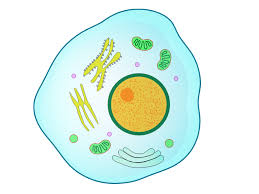
The basic unit of structure and function in living things
mitochondria
cell membrane
cytoplasm
cell
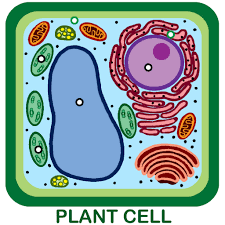
Consisting of a single cell
organ
unicellular
nucleus
multicellular
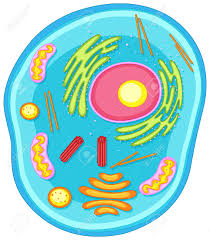
Different tissues that work together to perform a particular function
organ
cell wall
microscope
cell membrane
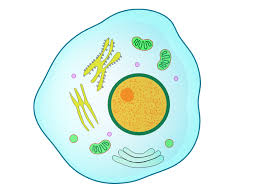
A group of similar cells organized to do a specific job
cell wall
organ
tissue
specialization
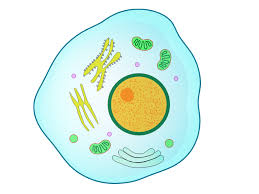
A thick fluid inside the cell membrane
cytoplasm
chloroplast
cell membrane
organism
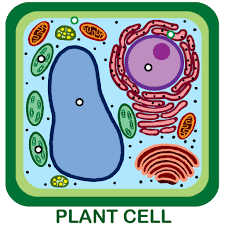
Organelles in plant cells that use the sun's energy to make sugar
organelle
chloroplast
cytoplasm
cell membrane
a cell with many mitochondria
plant cell.
blood cell.
muscle cell.
eye cell.
When one bakes yeast bread products, what would happen if fermentation failed to occur?
The yeast dough would have too much gas & explode
The yeast dough would not rise
The yeast dough would be dry
The yeast dough would not be elastic

(a) is the phase when the DNA is duplicated.
is the phase when the chromosomes are separated at the 2 poles of the cell.
(a)
(a) is the phase when the chromosomes formed
How does your body grow as you get older?
Your cells fill with water, and get bigger.
Your cells divide, producing new cells.
Your cells elongate.
Your cells combine with one another.
What are the four stages of mitosis?
Anapest, protophase, multiphase, and telephase
Prophase, metaphase, anaphase, and telophase
Adenine, guanine, thymine, and cytosine
Phase 1, Phase 2, Phase 3, and Phase 4

What is the image above:
Chromosome
Chromotid
Centromere
Centriole

What stage of mitosis is depicted here
Prophase
Metaphase
Anaphase
Telophase

The picture above represents what happens after mitosis which is
Interphase
Cytokinesis
Metaphase
G1

What stage of mitosis is depicted here
Prophase
Metaphase
Anaphase
Telophase

What stage of mitosis is depicted here
Prophase
Metaphase
Anaphase
Telophase
Which organelle moves the chromosomes?
Centriole
Nucleus
Cell Plate
Lysosomes

The yellow curved lines in the image.
chromosomes
chromatids
spindle fibers
centrioles
Thickened, condensed chromatin visible during late prophase and metaphase. Made of 2 chromatids.
Chromosome
Centriole
Metaphase
Centromere
The structure that holds the 2 chromatids together to make a chromosome.
Centromere
Centriole
Cytokinesis
Chromatin
Poles at opposite ends of the cell that attach to spindle fibers.
Chromatids
Cell plate
Chromosome
Centrioles

What is needed to create the glucose and oxygen in photosynthesis?
Water and oxygen
Glucose and water
Glucose and oxygen
Carbon dioxide and water

Photosynthesis occurs in the _______.
Chloroplast
Ribosome
Golgi body
Smooth ER

Which equation shows what happens when a fir tree undergoes photosynthesis?
CO2+ H20 → C6H6O12 +O2
6 CO2+ 2 H20 → 6C6H6O12 + 6O2
6 CO2+ 6 H20 → C6H6O12 + 6O2
CO2+ 6 H20 → C6H6O12 +O2
Energy from the sun is stored in glucose.
photosynthesis
cellular respiration
both
Carbon dioxide is taken in and oxygen is given off.
photosynthesis
cellular respiration
both
Carbon dioxide and water are produced.
photosynthesis
cellular respiration
both
Occurs during the day.
photosynthesis
cellular respiration
both
Occurs in the presence of chlorophyll.
photosynthesis
cellular respiration
both
Oxygen is taken in a carbon dioxide is released.
photosynthesis
cellular respiration
both
Energy of glucose is released and food is broken down.
photosynthesis
cellular respiration
both
Occurs in all living cells.
photosynthesis
cellular respiration
both
Process of breaking food down.
photosynthesis
cellular respiration
both
Produces glucose (simple sugar).
photosynthesis
cellular respiration
both
Involves carbon dioxide and oxygen.
photosynthesis
cellular respiration
both
an organism
What is the most complex level of organization that brings all other levels together.
Cell
Tissue
Organism
Organ system

What Level of Organization Is This?
Cell
Tissue
Organ
Organ System
Combine tissue to perform a specific function
Tissue
Organ System
Organelle
Organ
What are the main functions of the excretory system?
deliver oxygen to the body
deliver nutrients to the body
remove water and waste from the body
remove disease from the body
Which organs help to remove waste from the body?
Lungs, stomach, bladder, and kidneys
Lungs, heart, bones, and bladder
Lungs, large intestine, bladder and kidneys
Lungs, esophagus, bladder and kidneys
Which organ(s) remove waste gases?
Bladder and kidneys
Lungs
Large intestine

What is organ is #1?
Kidney
Stomach
Bladder
Heart
True or False:
Kidneys filter waste from blood.
True
False

Which of the following is NOT part of your excretory system?
Heart
Lungs
Kidneys
Skin

The job of your kidneys is to...
Create feces
Take carbon dioxide out of your blood
Put oxygen into your blood
Clean blood, sending waste to bladder

Which are part of the integumentary system?
Muscles, skeleton, bone marrow
Hair, skin, bones
Hair, skin, nails
Brain, spinal cord, nerves

Which does NOT show homeostasis of the skin?
Keeping foreign objects out
Sweating to maintain body temperature
Releasing excess salts through pores
Keeping oxygen levels healthy
The endocrine system is made up of glands that release hormones into the blood.
True
False
Controls long term changes such as growth
limbic system
endocrine system
nervous system
temporal lobe
What is the function of the endocrine system?
to filter and eliminate the waste from the blood
to secrete hormones into the bloodstream to regulate body activities
to provide structure and support for the body
to defend the body against pathogens
What are glands?
Organs that make and excrete waste
Organs that make and release secretions
Organs that make and release white blood cells
Organs that make and excrete carbon dioxide

How do hormones travel through the body?
Through the food we eat
Through injects
through our blood

Choose the statement that is NOT a part of the cell theory.
All cells come from cells that are already alive.
Cells are the most complex unit of life.
Cells are the most basic unit of life.
All living things are composed of cells.
A multicellular organism is made of
one cell
multiple cells
unicellular cells
there is no such thing as a "multicellular" organism
Regardless of type, all cells
have a cell membrane
have cytoplasm
can duplicate themselves by undergoing cell division
all of the above
What does a microscope do?
produces a magnified image of a things to small for the eye to see
helps us look at stars
produces a smaller image of something to big too see at once
helps us look at our teeth
What is a stage used for?
lets light in
where the slide is placed
what holds the slide in place
lets you see better
What is the light source?
a sore spot of light
where light goes to cry
helps to shine light on the specimen
the Sun
The arm...
connects the front to the back
connects the body to the base
connected to the elbow
Small grain-shaped organelles that produce proteins for the cell
Cytoplasm
Ribosomes
Lysosomes
Mitochondria
Rigid layer that surrounds the cell of plants and some other organisms such as fungi
Cell Wall
Golgi Apparatus
Chloroplast
Cell Membrane
Large oval structure that acts as the control center of the cell, directing all of the cells’ activities
Vacuole
Ribosome
Golgi Apparatus
Nucleus
Thick, clear, gel-like fluid that fills the region between the cell membrane and the nucleus
Mitochondria
Cytoplasm
Chloroplast
Nucleus
An organelle that forms a maze of passageways in which proteins and other materials are carried from one part of the cell to another
Cell Wall
Endoplasmic Reticulum
Golgi Appartus
Cytoplasm
Organelle in a cell that receives proteins and other newly formed materials from the endoplasmic reticulum, packages them, and distributes them to other parts of the cell
Golgi Apparatus
Lysosome
Endoplasmic Reticulum
Chloroplast
Organelle in the cells of plants and some other organisms that captures energy from sunlight and changes it to an energy form that cells can use in making food
Cell Wall
Chloroplast

Which organelle produces the energy a cell needs to carry out its function
Mitochondria
Golgi Bodies
Cytoplasm
Nucleus

Which organelle is found inside the nucleus and produces ribosomes
Nucleolus
Cell Membrane
Lysosome
Golgi Bodies

Which cell contains Chloroplasts?
Animal
Plant
What is the process by which substances move across a cell membrane without the use of energy?
active transport
facilitated diffusion
passive transport
endocytosis
Which transport process requires the use of energy to move substances across a cell membrane?
Active transport
Passive transport
Facilitated diffusion
Osmosis
What is the movement of molecules from an area of higher concentration to an area of lower concentration called?
active transport
filtration
osmosis
diffusion
What is the movement of water molecules across a selectively permeable membrane called?
osmosis
active transport
filtration
diffusion
Which transport process involves the movement of substances with the help of transport proteins?
osmosis
active transport
endocytosis
facilitated diffusion
What is the process by which a cell takes in substances by engulfing them?
phagocytosis
exocytosis
endocytosis
osmosis
What is the process by which a cell releases substances by fusing vesicles with the cell membrane?
exocytosis
phagocytosis
endocytosis
pinocytosis
Which transport process requires the use of energy to move substances into a cell?
Passive transport
Facilitated diffusion
Osmosis
Active transport


The picture shows
Osmosis
Diffusion
Endocytosis
Exocytosis
Passive Transport means
Energy is used
No energy is used
Energy is created

