
 Worksheets
Food and nutrients
Total questions: 52
Worksheet time: 28mins
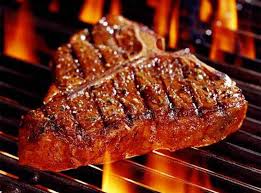
Which food type provides calcium?
Citrus fruit
Brown rice
Cheddar cheese
Yellow peppers
What is referred to as the building blocks of our body?
Protein
Phosphates
Sodium
Potatoes
What Vitamin makes bones and teeth strong?
A
B
C
D
What Vitamin helps eyesight?
A
B
C
D
What Vitamin strengthens the Immune System?
A
B
C
D
Which of the following is NOT usually found in processed food?
Sugar
Salt
Preservatives
Nutrients
Which type of food should you consume the least?
Vegetables
Oils
Cereals and starch
Protein
Which of these foods is not a protein?
Beans
Eggs
Milk
Avocado
All living plants and animals need to feed or eat to give them energy to carry out...
respiration
life processes
digestion
development
Plants their own food from sunlight, water and carbon dioxide through the process of...
Carbon cycle
Chlorophyll
Photosynthesis
Glucose energy

This nutrient is the main fuel for our bodies
carbohydrates
protein
fat
calories

This nutrient is neccesary for building muscle and blood
carbohydrates
protein
fat
fiber

Fish, meat, tofu and peanut butter are good sources of
carbohydrates
sugar
protein
fiber

In order to keep your digestion "moving", you should make sure to eat plenty of
fiber
fat
sugar
calories

60% of your brain is made from
carbohydrates
fat
protein
calories

Eat a variety of fruits and vegetables to ensure you get enough
fat
vitamins & minerals
protein
dairy

This nutrient is needed in small amounts to insulate our bodies from the cold and to cushion our organs
vitamins
carbohydrates
sugar
fat

Eggs, meat, chicken...etc are called...................
vegetables
grains
proteins
............. and ............. are two different sources of protein.
meat and eggs
chicken and rice
meat, chicken and pasta
............. is very important for our bones and teeth, as it's rich in calcium.
Diary products
sugars
vegetables
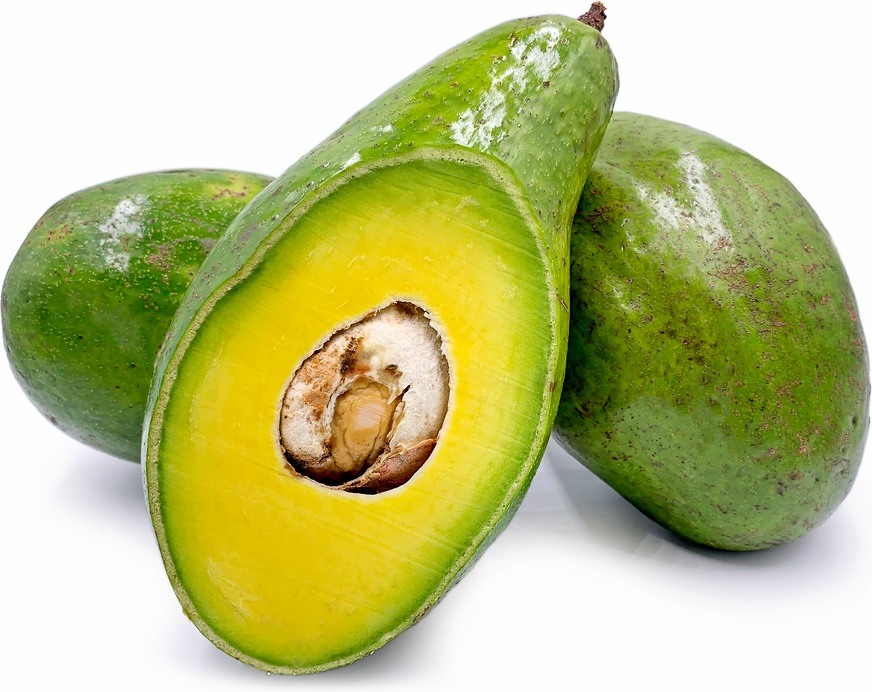
Why do avocado pears and coconut fall under the fats and oils category?
They are healthy to consume?
They contain healthy invisible fats
They add flavour to food
What nutrients do you need for bone development?
Calcium
Iron
Fiber
Carbohydrates
Which of the following is an excellent source of Vitamin C?
fruits
vegetables
dairy products
grains
Which nutrient is essential for body building and muscle growth?
Protein
Fiber
Calcium
Carbohydrates
All are examples of dairy products EXCEPT ___.
fish
cheese
butter
milk

Which food group does this belong to?
Protein
Fruits
Vegetables
Dairy
Grains

Which food group does this belong to?
Grains
Fruits
Vegetables
Protein
Dairy

Which food group does this belong to?
Grains
Vegetables
Dairy
Fruits
Protein

Which food group does this belong to?
Grains
Proteins
Vegetables
Fruits
Dairy

Which food group does this belong to?
Grains
Protein
Fruits
Vegetables
Dairy

Which food group does this belong to?
Dairy
Protein
Fruits
Grains
Vegetables

Which food group does this belong to?
Fruits
Vegetables
Dairy
Grains
Protein

Which food group does this belong to?
Dairy
Fruits
Protein
Grains
Vegetables
What makes up proteins?
(a)
What makes up fats?
(a)
What makes up carbohydrates (starch)
(a)

