
 Worksheets
Unit 2 - Biochemistry Review
Total questions: 38
Worksheet time: 22mins
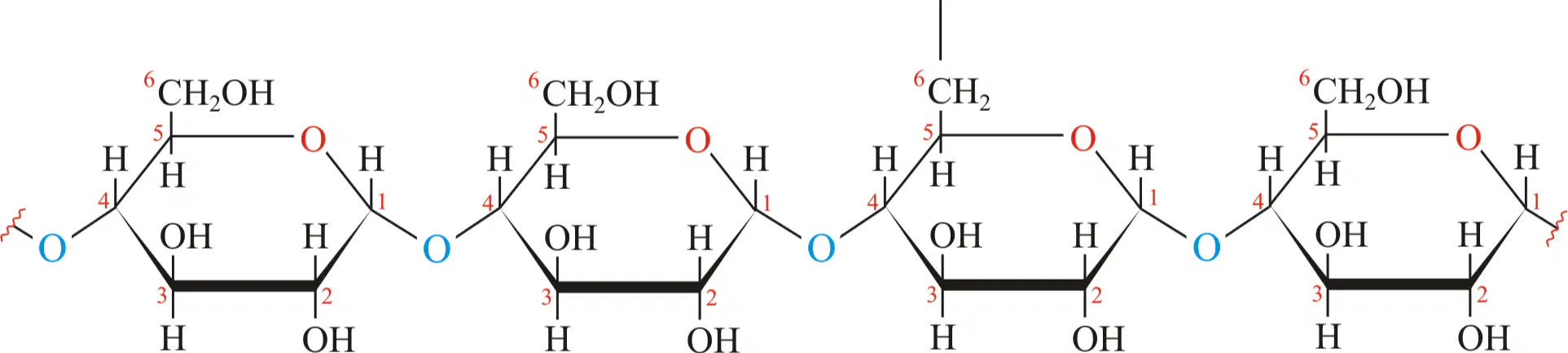
Monosaccharides (simple sugars)
Fatty Acidy & Glycerol
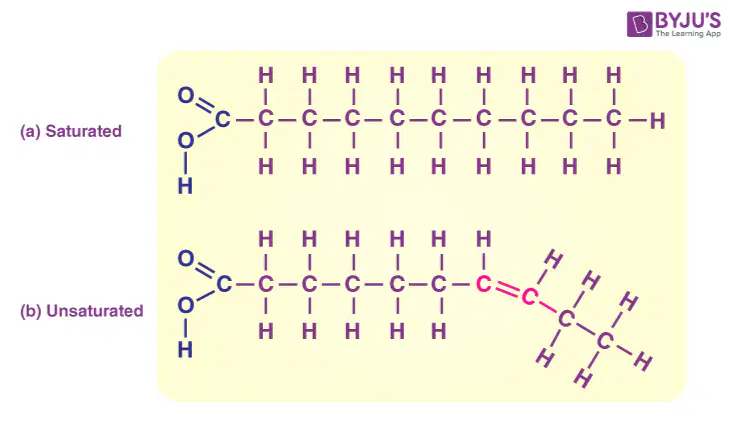
What are the monomers (building blocks) of LIPIDS?
Monosaccharides (simple sugars)
Fatty Acidy & Glycerol
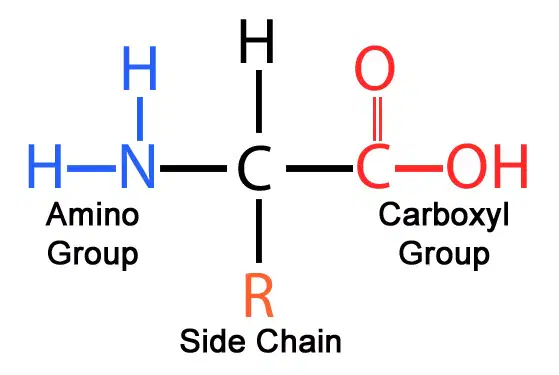
What are the monomers (building blocks) of PROTEINS?
Monosaccharides (simple sugars)
Fatty Acidy & Glycerol
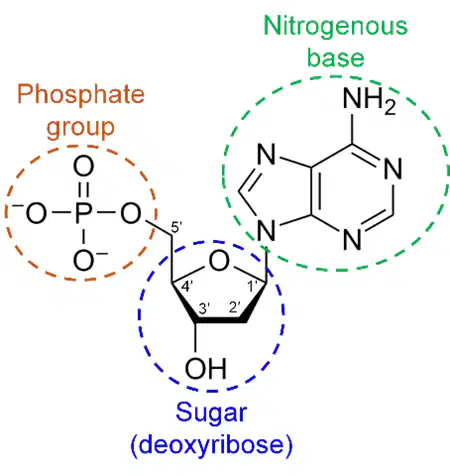
What are the monomers (building blocks) of NUCLEIC ACIDS?
Monosaccharides (simple sugars)
Fatty Acidy & Glycerol
What is the primary function of PROTEINS?
Storing and Transmitting genetic information
Enzymes that control reaction rates
What is the primary function of NUCLEIC ACIDS?
Storing and Transmitting genetic information
Enzymes that control reaction rates
Storing and Transmitting genetic information
Enzymes that control reaction rates
What is the primary function of LIPIDS?
Storing and Transmitting genetic information
Enzymes that control reaction rates
Which elements are found in carbohydrates?
C H O
C H O N P
C H O N
Which elements are found in proteins?
C H O
C H O N P
C H O N
Which elements are found in lipids?
C H O
C H O N P
C H O N
Which elements are found in nucleic acids?
C H O
C H O N P
C H O N
DNA and RNA are examples of ______.
proteins
lipids
nucleic acids
carbohydrates
Waxes, fats, and oils are ____.
proteins
lipids
nucleic acids
carbohydrates
Lots of jobs, including building muscles and bones.
proteins
lipids
nucleic acids
carbohydrates
Glycogen, starch, and glucose are all examples of ______.
proteins
lipids
nucleic acids
carbohydrates
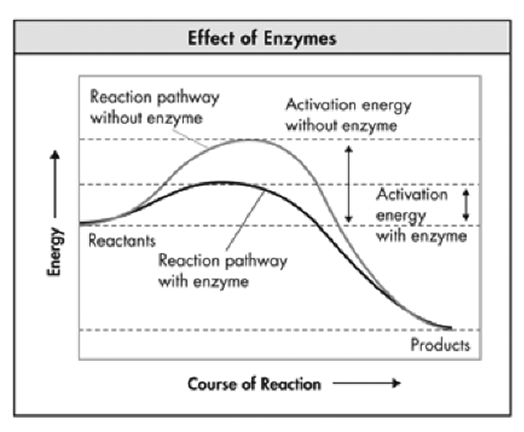
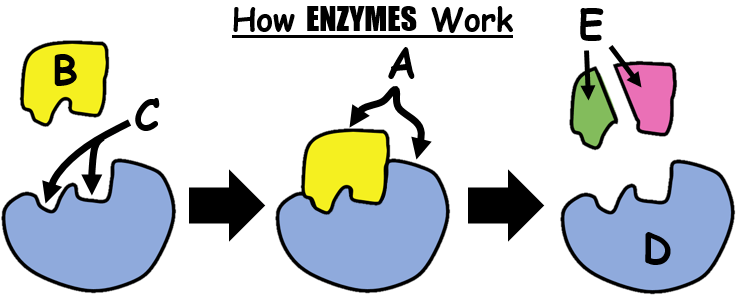
Which letter is the enzyme?
B
C
D
E
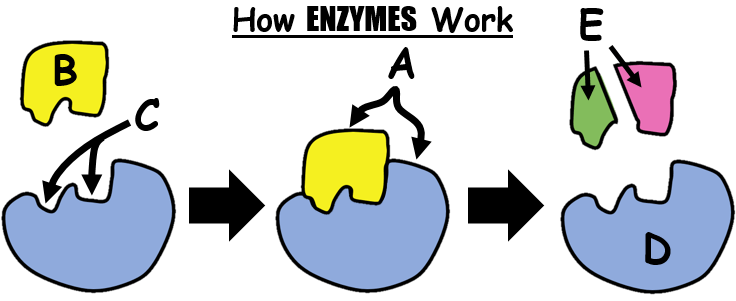
Which letter is the substrate?
B
C
D
E
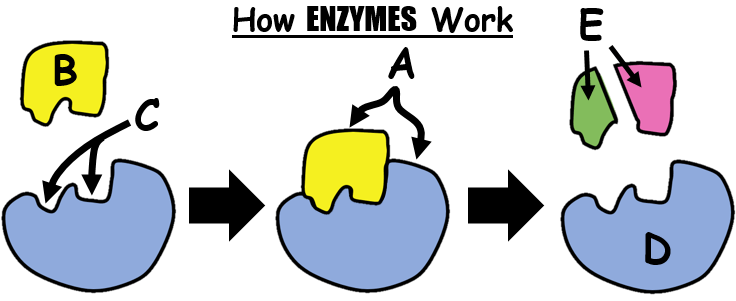
Which letter is the active site?
B
C
D
E
It's structure changes and it works better.
It's structure changes and it does not function.
Activation energy is raised and it works better.

Which letter represents a protein channel?

What letter represents cholesterol?
D
What type of molecule is B? (top of glycoprotein)
carbohydrate
nucleic acid
lipid
cholesterol
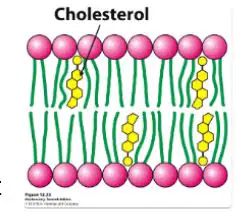
What is the function of cholesterol in the cell membrane?
used to move large molecules across the cell membrane
maintains stability and the fluidity of the cell membrane
sending signals to other cells and cell identification
limit what comes into the cell
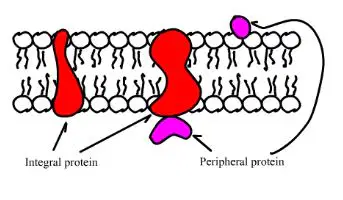
What is the function of protein channels (integral) in the cell membrane?
used to move large molecules across the cell membrane
maintains stability and the fluidity of the cell membrane
sending signals to other cells and cell identification
limit what comes into the cell
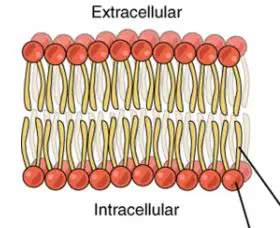
What structure makes up most of the "bilayer" (double layer)?
proteins
phospholipids
glycoproteins
cholesterol
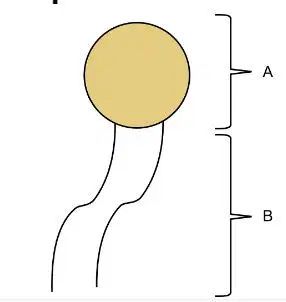
What part of a phospholipid is hydrophobic?
the head (a)
the tails (b)
the entire structure (a and b)
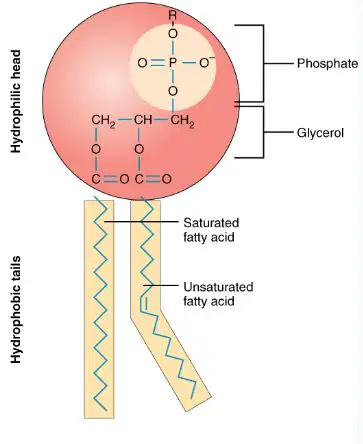
What does hydrophobic mean?
water loving because attracts to water
water fearing because it is respelled by water
What does hydrophilic mean?
water loving because attracts to water
water fearing because it is respelled by water
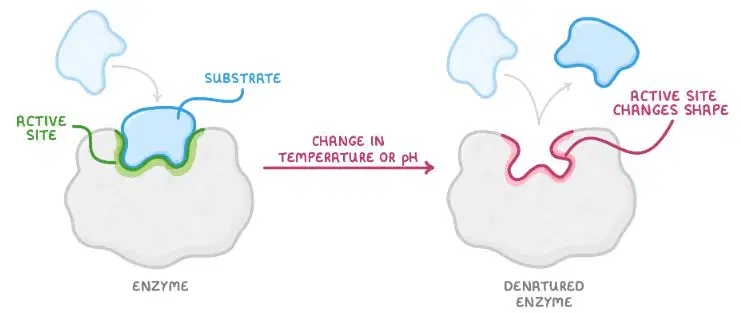
What causes enzymes to become denatured?
changes in the amount of enzyme
only changes in pH
changes in pH and temperature
only changes in temperature
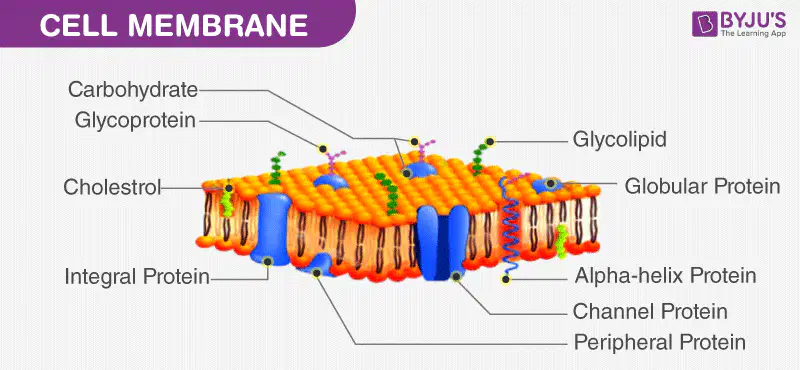
What is the make function of the cell membrane?
controls what comes in and out of the cell
speed up reaction rates
photosynthesis
it acts like a wall
Water takes longer to heat up; can absorb a lot of energy without changing temperature
high specific heat
surface tension
capillary action
adhesion

Which property of water allows this insect to "walk on water"?
surface tension
high specific heat
capillary action
adhesion
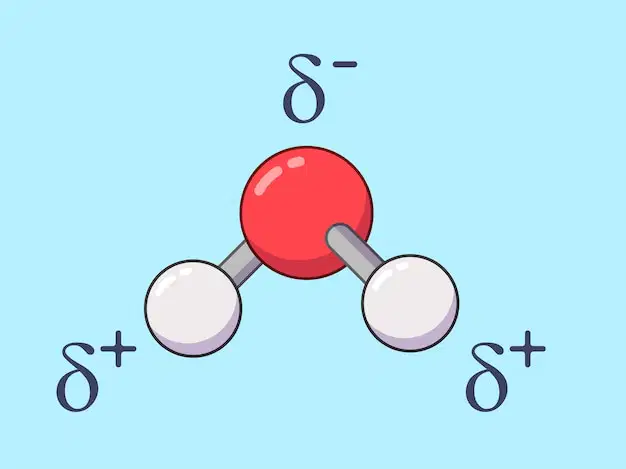
Water has a positive charge on one end and negative charge on other end
polarity
(polar molecule)
capillary action
surface tension
heat capacity

