
 Worksheets
Earth's Resources Quiz Review - TMS 6th grade
Total questions: 45
Worksheet time: 45mins

________ formed when plant and animals decay
humus
sand
clay

_______ is made of tiny broken rocks and has the largest particles
sand
clay
loam
Texture is the way the soil
feels
looks


What is HUMUS made from?
Chick-Peas
The remains of decayed plants and animals
Inorganic materials
Rocks and Minerals
Which of the following layers of soil is nutrient rich containing an abundance of humus?
subsoil
parent material
bedrock
topsoil
What do we call one layer of soil?
soil sample
horizon
profile
rock
Which of the following best describes the composition of soil?
dirt
Weathered rock, humus, air, water, and minerals
minerals and fertilizer
Water, air, and humus
Which kind of soil is MOST LIKELY to make puddles of water on its surface because its pores are very small?
clay
gravel
silt
sand

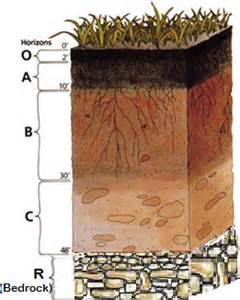

Which layer is the parent material?
Horizon O
Horizon A
Horizon B
Horizon C
Horizon R
Topsoil is dark in color because it...
undergoes a lot of chemical weathering.
has a large amount of organic material.
is full of dark rocks.
contains a lot of worms.
The soil horizons from the bottom to top are:
Organic Matter, Topsoil, Subsoil, Weathered Bedrock, Bedrock
Bedrock, Weathered Bedrock, Subsoil, Topsoil, Organic Matter
If water can easily move between cracks of a rock, we can say that...
water is permeable
rock is permeable
rock is impermeable
water is impermeable
______ is more permeable since water passes through it
gravel
sand
clay
Silt

Moana is using the chart below to categorize soil. What property of soil is she finding?
ability to support plant growth
water retention
texture
color
Ellen grabs a topsoil sample in her hand. She rolls it into a ball. The soil feels gritty and the ball falls apart. What property of soil is Ellen testing?
color
texture
ability to support plant growth
water retention
Evidence that an organism lived a long time ago is called _________.
The past
A fossil
A rock
A mineral
What needs to happen FIRST for a fossil to form?
A plant or animal must be covered by sediment.
A plant or animal must die and decompose.
Sediments fill a a mold to form a cast.
An earthquake shifts the land up.


What is a good rule to follow when determining the age of rock layers?
The oldest is always on the top.
The rock layers get older as you dig deeper.
The layers position does not necessarily tell you about the age.
The youngest is always on the bottom.

Which statement is true?
Layer C is the oldest
Layer B is older than Layer A
Layer B is older than Layer C
Layer A is the youngest
A resource that is not easily replaced...
Renewable
Nonrenewable
Plants
Animals
Coal & wood
Water & sun
Petroleum & copper
What does conserving resources mean?
Using as many of the resources as you can
Wasting resources
Saving resources and using them wisely
Using a lot of resources
What determines if a resource is renewable or nonrenewable?
The rate at which they are replenished
The cost of the resources
How much pollution it causes
How the resource will be used

Wood
Petroleum
Sunlight, water, & wood are considered ____resources.
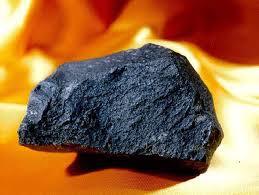
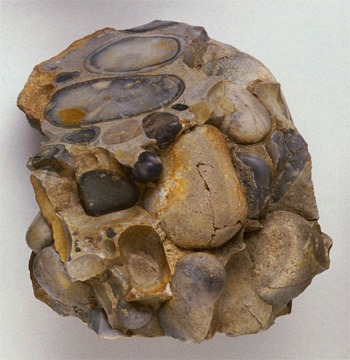
Igneous rocks that form as lava cools on Earth's surface.
intrusive igneous rocks
extrusive igneous rocks

