
 Worksheets
LU4 GLOBAL COMMUNICATION CHALLENGES
Total questions: 10
Worksheet time: 12mins
The following are the advantages of a diverse workforce EXCEPT :
unique viewpoint
creative solution
remove bias
lack of innovation
"The Process of sending and receiving messages between people whose cultural backgrounds could lead them to interpret verbal and non verbal signs differently". This definition BEST describes :
Intercultural communication
Cultural differences
Religious differences
Legal differences

The above image BEST describe the __________ culture influences
language
non verbal signals
time and space issue
rules of human relations
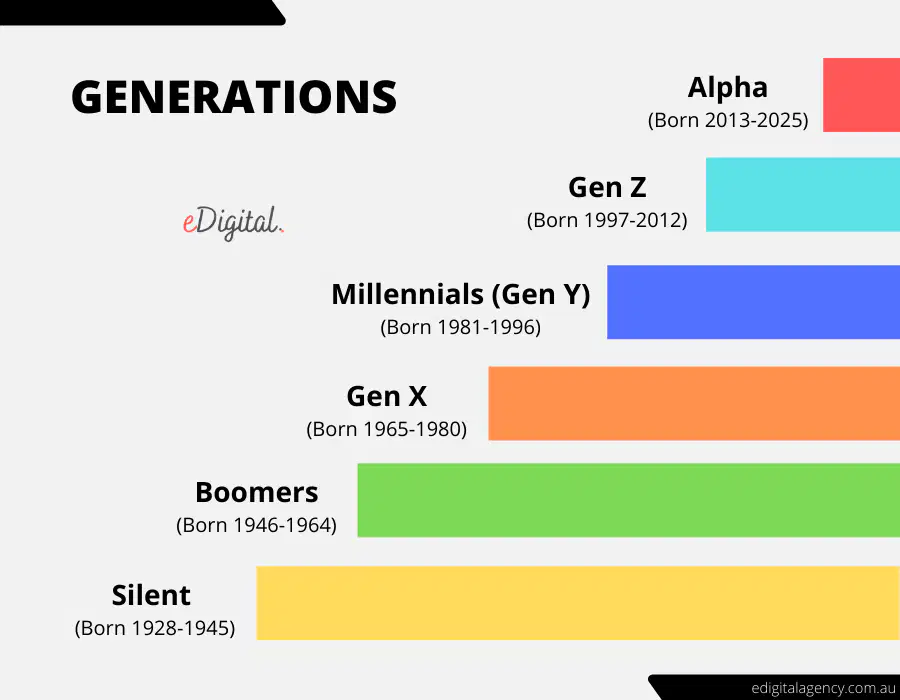
The above image BEST describe the _______ differences as each generation has been shaped by dramatically difference world events, social trends, and technological advances.
social
age
legal and ethical
non-verbal
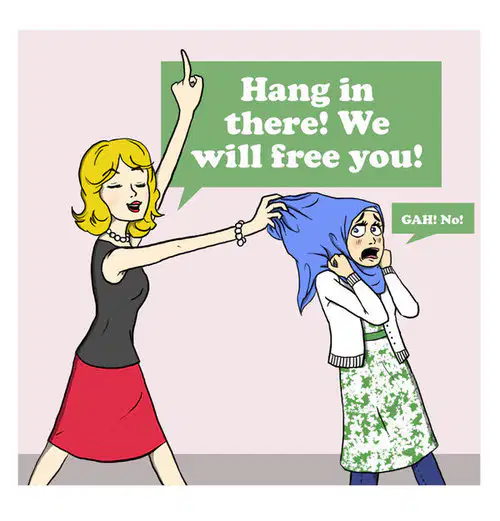
The above image BEST describes ____________, where there is a tendency to judge others or groups according to the standards, behavior, and customs of one's own group.
stereotype
stigma
favourism
ethnocentrism
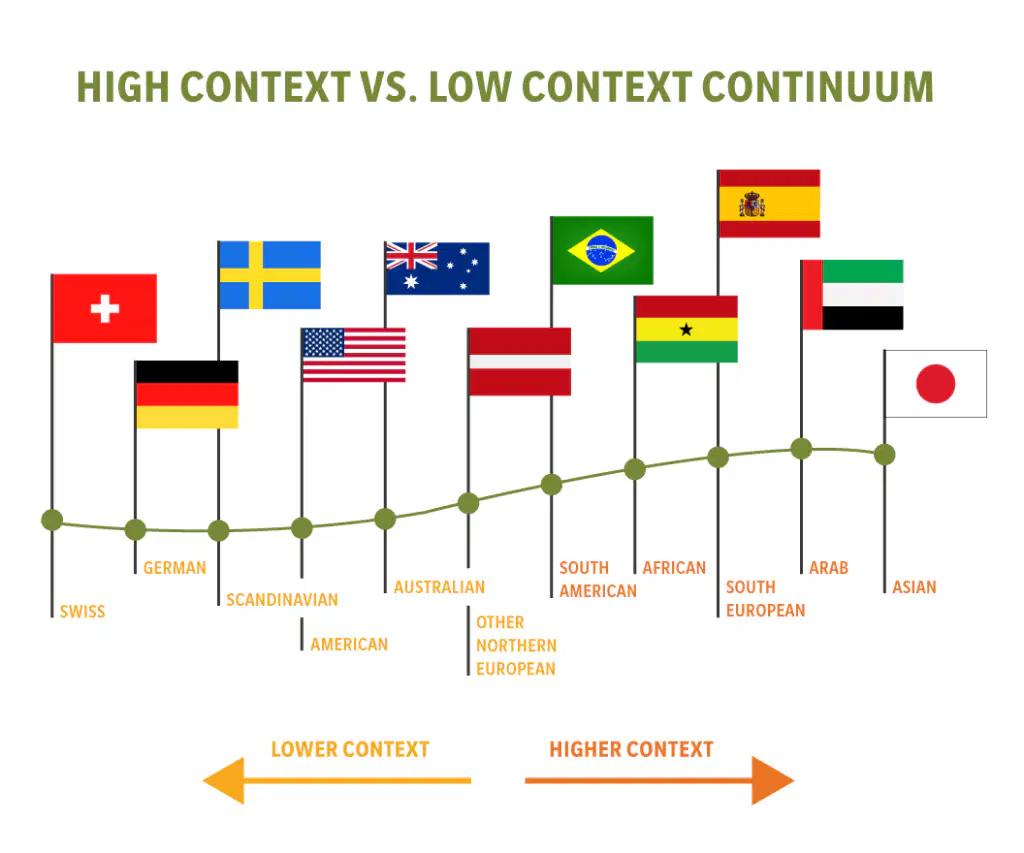
What do you understand with HIGH CONTEXT culture?
– Rely more on explicit verbal communication. Focus more on exchanging information
•Rely heavily on non-verbal actions / environmental setting to convey meaning. It focus more to building relationships
______ can vary from culture to culture: attitude toward work and success; use of manners, concept of time, future orientation, openess and inclusiveness, and use of communication technologies.
Social differences
Age differences
Non-verbal differences
Religion differences

People whose __________ differences like hearing, cognitive, and physical disability to operate electronic devices can use assertive technologies to create opportunities for employees to pursue a greater range of career paths.
gender
ability
religion
techology
Which countries do you think emphasis on HIGH CONTEXT culture? You may vote for more than 1 country

Malaysia

Canada

Brunei Darussalam

Germany

Thailand
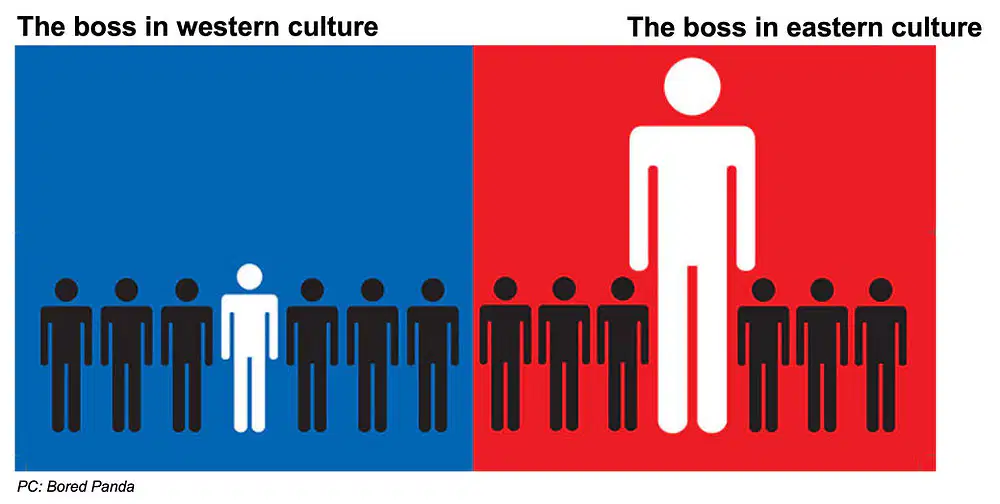
CASE STUDY ON CROSS-CULTURE
Amanda, is an entrepreneur from the USA who went to China with a dream of expanding her business overseas. She said she would ask her Chinese staff to do certain tasks and they would always agree only to disappoint her by not meeting her expectations and deadlines. She refused to mix work with pleasure. She normally grabbed lunch alone and ate it at her desk so that she could continue working. In this situation, what mistakes do you think Amanda made in the context of cross-cultural communication?
(a)

