
 Worksheets
Unit 4 - The Cell, Cell Theory, Organelles, Microscopes 25-26
Total questions: 60
Worksheet time: 44mins
Did you know that you are not permitted to talk, communicate, lip sync, or whisper during an exam and for any reason?
Yes, I am aware that I can not communicate "AT ALL" during an exam
Nope, I never knew that.
I understand, but I feel like I should talk because this is not the PSAT!
I have a RIGHT to speak during an exam because "This is America!"
What is the function of the Golgi apparatus in a cell?
Energy production
Protein modification and packaging
DNA storage
Lipid synthesis
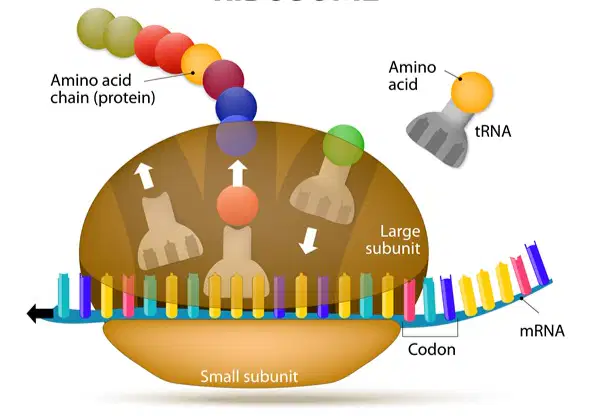
Which organelle is involved in the synthesis of proteins?
Ribosomes
Chloroplast
Lysosome
Vacuole
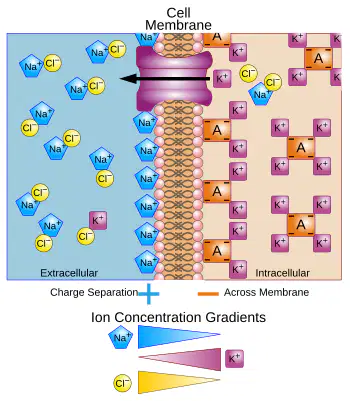
Which ion is primarily found in the cytoplasm?
Na+
Cl-
K+
H+

What is commonly referred to as the "powerhouse of the cell"?
*Please do not refer to the mitochondria as the powerhouse.* Let me explain.. (Teacher)
Nucleus
Ribosome
Mitochondria
Golgi apparatus

Which of the following is a function of the smooth endoplasmic reticulum?
DNA synthesis
Protein folding
Lipid metabolism
Carbohydrate breakdown
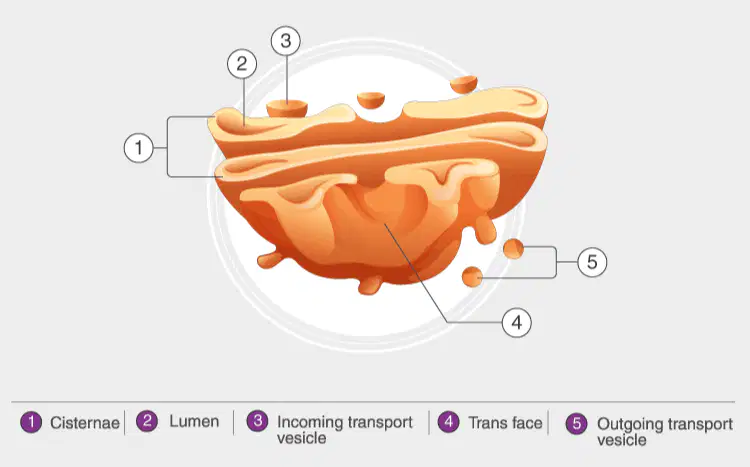
What is the Golgi Body often referred to as?
The powerhouse of the cell
The mailroom of the cell
The brain of the cell
The skeleton of the cell

Where do proteins go after leaving the ER?
Mitochondria
Nucleus
Golgi Body
Ribosomes
What is the main purpose of the Golgi Body in a cell?
To produce energy
To package and transport materials
To store genetic information
To break down waste

What is the role of lysosomes in intracellular digestion?
They produce energy
They synthesize proteins
They break down materials
They store nutrients
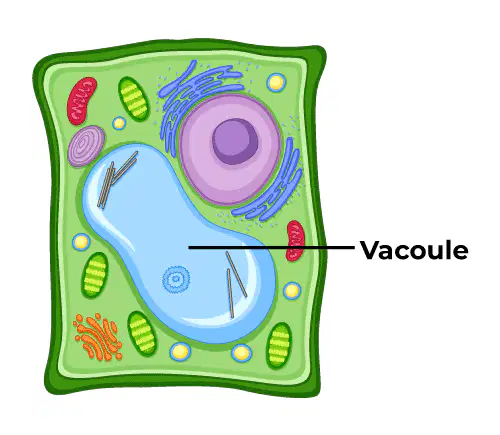
Why is the vacuole so large in a plant cell?
To store more DNA
To store more water and maintain cell structure
To increase photosynthesis
To produce more proteins
What type of materials can vacuoles store in animal cells?
Lipids
Dangerous materials or useful nutrients/proteins
Carbohydrates
Nucleic acids
Which of the following is a function of vacuoles in plant cells?
Photosynthesis
Storage of water and nutrients
DNA replication
Protein synthesis
Which of the following is true about vacuoles in animal cells?
They are the largest organelle
They store dangerous materials or useful nutrients/proteins
They perform photosynthesis
They replicate DNA
Which organelle is responsible for detoxifying chemicals in the cell?
Golgi apparatus
Ribosome
Smooth endoplasmic reticulum
Lysosome
What is the role of the mitochondria in a cell?
Protein synthesis
Energy production
DNA storage
Cell division


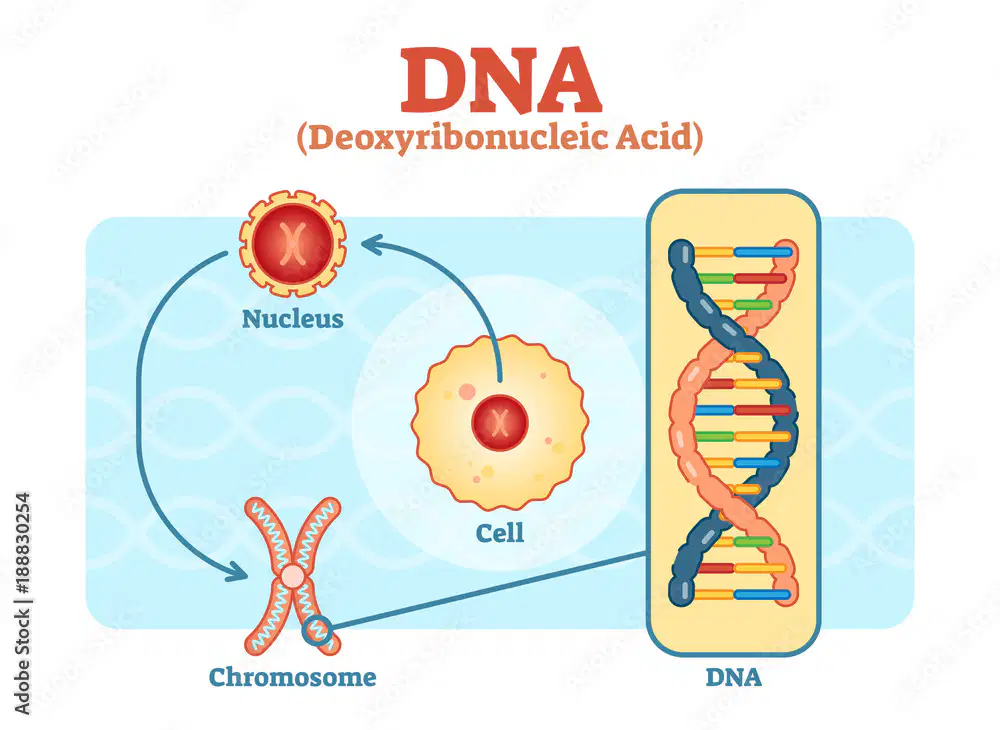
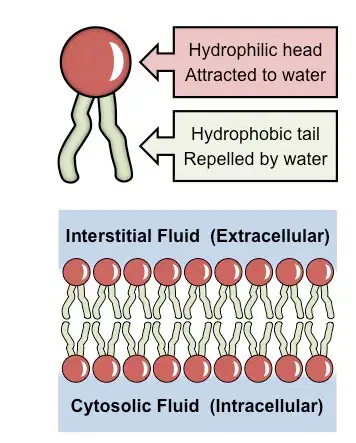
The _______________ is responsible for conducting photosynthesis. (found only in plants)
nucleus
chloroplast
cell wall
What organelles can be found in plant cells and not animal cells?
nucleus, cell wall, chloroplast
large vacuole, cell wall, mitochondria
large vacuole, cell wall, chloroplast

This outer layer protects the nucleus?
nucleolus
cell membrane
cell wall
nuclear membrane
What produces proteins for the cell?
lysosomes
ribosomes
nucleus
nucleolus
What organelle gets rid of cell waste?
lysosomes
ribosomes
nucleus
nucleolus
What is the fluid inside the cell called?
chlorophyll
ribosomes
cytoplasm
nucleolus
collects, processes, and packages proteins for the cell
mitochondria
gogli apparatus
smooth ER
rough ER
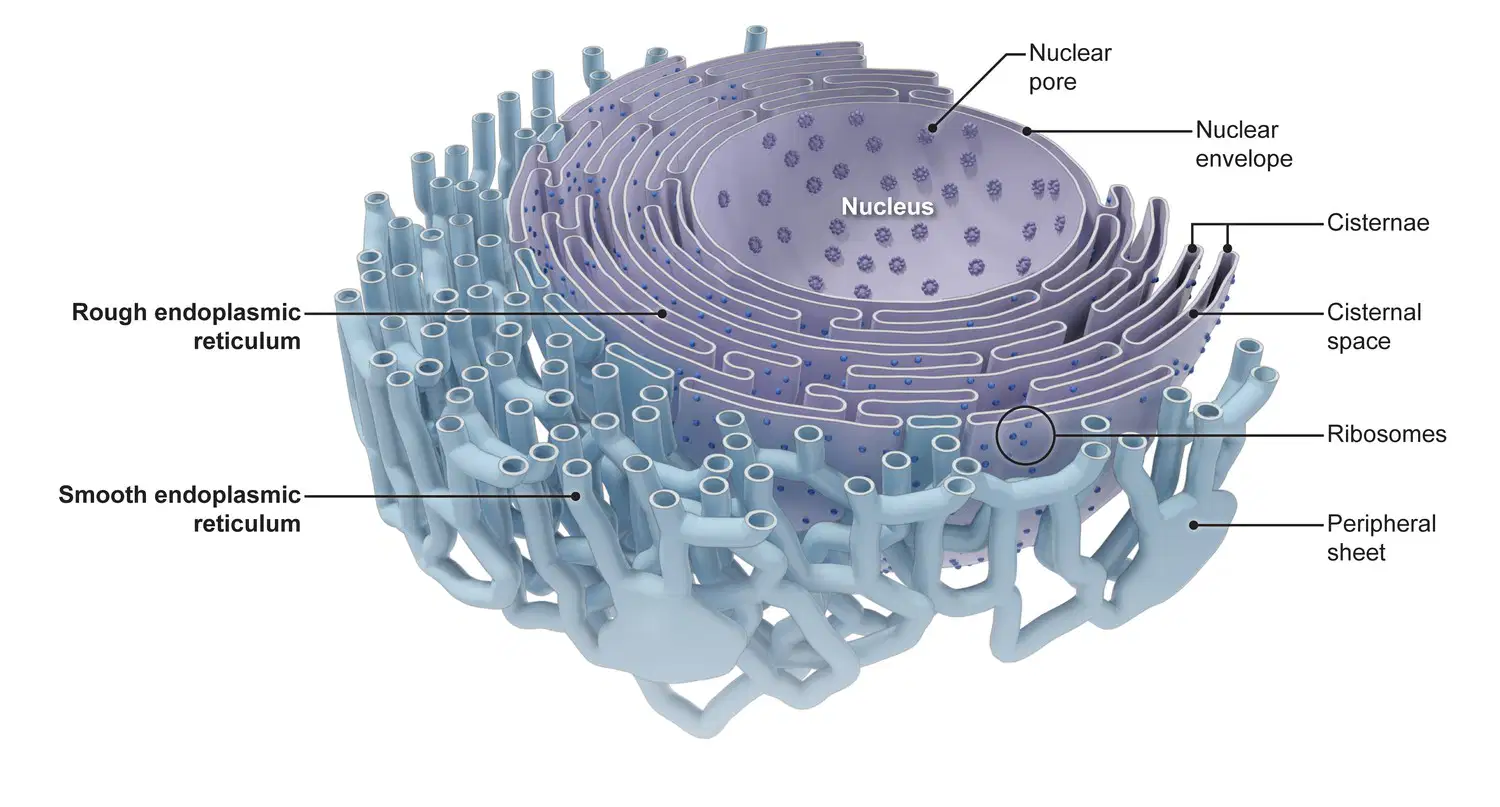
Moves proteins in the cell, no ribosomes attached
mitochondria
gogli apparatus
smooth ER
rough ER
these are found in the cytoplasm & on the rough ER
mitochondria
gogli apparatus
lysosomes
ribosomes

Label B
cell membrane
ribosome
lysosome
mitochondria


Name structure #5.
ER
nucleus
vesicle
cytoplasm

Did you know that you are not permitted to talk, communicate, lip sync, or whisper during an exam and for any reason?
Yes, I am aware that I can not communicate "AT ALL" during an exam
Nope, I never knew that.
I understand, but I feel like I should talk because this is not the PSAT!
I have a RIGHT to speak during an exam because "This is America!"


makes ribosomes
enodplasimic reticulum
golgi body
nucleus
nucleolus

What is the name of part A?
lens
eyepiece
objective lens
coarse adjustment know
What is the name of part H?
lens
fine adjustment know
objective lens
coarse adjustment know
What is the name of part S?
diaphragm
illuminator
stage
coarse adjustment know
What is the name of part K?
objective lens
illuminator
eyepiece
nosepiece
What is the name of part E?
objective lens
illuminator
eyepiece
nosepiece
What is the name of part L?
nosepiece
arm
body
base
How do you carry a microscope properly?
one hand on the arm
one hand on the arm & another on the base
two hands on the base
one hand on the nosepiece & another on the base
Which adjustment knob do you NOT use at high power?
on/off
fine
coarse
diaphragm
How do you prevent the glass slide from moving?
put over the stage clips
hold with your fingers
place on the stage
hold under stage clips
What is the main function of the diaphragm
adjusts light
to spin around
to block light
adjusts the stage
What power lens do you start off to view the image
high
medium
low
none
This magnifies the image at low, medium, and high power.
eyepiece
objective lens
diaphragm
fine adjustment
What is the magnification of the eyepiece?
18mm
10X
40x
100x
What is the TOTAL MAGNIFICATION when using the medium-power (10x) objective lens?
10
40
100
400
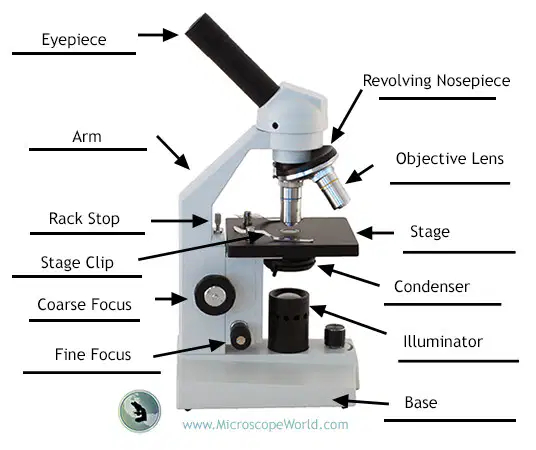
What is a compound microscope?
uses more than one lens
uses only one lens
uses molecules
uses only light to see small objects
Cell Theory is in three parts. Write one of the parts below (1)
(a)
Cell Theory is in three parts. Write the second part below (2)
(a)
Cell Theory is in three parts. Write the third part below (3)
(a)
Did you know that you are not permitted to talk, communicate, lip sync, or whisper during an exam and for any reason?
Yes, I am aware that I can not communicate "AT ALL" during an exam
Nope, I never knew that.
I understand, but I feel like I should talk because this is not the PSAT!
I have a RIGHT to speak during an exam because "This is America!"

