
 Worksheets
DIGIPHOTOG: DSLR Part A, B, C
Total questions: 56
Worksheet time: 32mins
What does TLR mean?
(a)
What does DSLR mean?
(a)
What does SLR mean?
(a)
TRUE OR FALSE
Before the SLR design, old cameras have: One lens on top to look through, One below to shoot through.
TRUE
FALSE
Is a type of camera with two objective lenses of the same focal length.
TLR
DSLR
SLR
This flips the image to the correct orientation
MIRROR
SENSOR
PRISM
LENS
Digital cameras are ones that take pictures with the help of a digital image ______.
FILM
SENSOR
LENS
PRISM
The moving mirror, the moving action of the mirror as it reflects the incoming light
SHUTTER
SENSOR
FILM
REFLEX
The following can be mounted on this part of the camera: microphone, LED lighting, LCD screen, studio lights trigger, flash, modern accessories.
VIEWFINDER
MODE DIAL
TRIPOD
HOT SHOE
Prevents the main dial, quick control dial, and multi-controller from moving and changing a setting inadvertently
LIVE VIEW
SET BUTTON
LOCK SWITCH
TRUE OR FALSE
Sensor size is important for it determines the amount of light that is used to create an image
TRUE
FALSE
TRUE OR FALSE
There are a total of 3 types of sensors
TRUE
FALSE
TYPES OF SENSORS
for compact camera and phone camera
MICRO 4/3 and SMALLER
APS-CROP FACTOR SENSORS
FULL FRAME CAMERA SENSORS
LARGE and MEDIUM FORMAT CAMERA SENSORS
TYPES OF SENSORS
advanced photo system, entry level or consumer-level cameras. 16 megapixels to 20+ megapixels
MICRO 4/3 and SMALLER
APS-CROP FACTOR SENSORS
FULL FRAME CAMERA SENSORS
LARGE and MEDIUM FORMAT CAMERA SENSORS
TYPES OF SENSORS
24mp to 60pm, 4k resolution
MICRO 4/3 and SMALLER
APS-CROP FACTOR SENSORS
FULL FRAME CAMERA SENSORS
LARGE and MEDIUM FORMAT CAMERA SENSORS
TYPES OF SENSORS
50mp to 100mp fujifilm, hasselblad, pentax, leica. Up to 500mp (converted to digital)
MICRO 4/3 and SMALLER
APS-CROP FACTOR SENSORS
FULL FRAME CAMERA SENSORS
LARGE and MEDIUM FORMAT CAMERA SENSORS
are used to absorb light and produce electrical signal that is converted to a digital image signal
PIXELS
SENSOR
MIRROR
PRISM
TRUE OR FALSE
The one with the smaller sensor usually will produce better photos, because the individual pixels are much larger on the bigger sensor, thus producing a greater dynamic range of colors and tones
TRUE
FALSE
the process of adjusting your camera to reproduce/produce white accurately
WHITE BALANCE ADJUSTMENT
COLOR TEMPERATURE
KELVIN
the source of light or the source of color
WHITE BALANCE ADJUSTMENT
COLOR TEMPERATURE
KELVIN
the unit of measurement used
WHITE BALANCE ADJUSTMENT
COLOR TEMPERATURE
KELVIN
this consists of the elements: Aperture, ISO, and Shutter Speed
(a)
changes how wide the LENS' opening is, also stands for f/stop
Bigger opening (smaller #) --> More light enters --> Brighter Image
APERTURE
ISO
SHUTTER SPEED
the speed of the opening and closing of the sensor shutter
the speed allows how much light shall enter the sensor
dictates how much of the image will be captured
Slower = brighter & sense of motion is captured
Faster = dimmer & motion is frozen
APERTURE
ISO
SHUTTER SPEED
the standard system of measurement for how much light sensitivity a photographic film or sensor has.
Lower = dimmer & finer detail images
Higher = brighter & grainy detail images
APERTURE
ISO
SHUTTER SPEED
how much of your image is in focus
DEPTH OF FIELD
NOISE
SHUTTER
What does ISO mean?
(a)
TRUE OR FALSE
Camera lenses are made up of a variety and combination of convex and concave lenses which focuses, spreads, and directs light as it travels through the lens to the sensor.
TRUE
FALSE
TRUE OR FALSE
the aperture is located at the back of the lens
TRUE
FALSE
represented in mm, is a basic description of a photographic lens
FOCAL LENGTH
ANGLE OF VIEW
MAGNIFICATION
tells us how much the scene will be captured
FOCAL LENGTH
ANGLE OF VIEW
MAGNIFICATION
tells us how large the subject will appear
FOCAL LENGTH
ANGLE OF VIEW
MAGNIFICATION
a lens with a fixed focal length, well known for their capability to produce high-quality images and ability to capture good pictures in low lighting conditions
PRIME LENSES
ZOOM LENSES
a variable focal length lens, you can change the lens focal length by rotating its ring
PRIME LENSES
ZOOM LENSES
TRUE OR FALSE
The main advantage of an wide-angle lens is that it allows you to get closer to the subject and capture the subject along with the background
WIDE ANGLE LENSES
FOCAL LENGTH AND ANGLE OF VIEW
allows you to get closer to the subject and capture the subject along with the background
WIDE ANGLE LENSES
STANDARD LENS
TELEPHOTO LENSES
MACRO LENSES
SPECIALIZED LENSES
often referred to as portrait lenses
WIDE ANGLE LENSES
STANDARD LENS
TELEPHOTO LENSES
MACRO LENSES
SPECIALIZED LENSES
its SHORT version is for portrait, wildlife, and landscape. MEDIUM version is also for the same use but photographers often utilize if as their second lens
WIDE ANGLE LENSES
STANDARD LENS
TELEPHOTO LENSES
MACRO LENSES
SPECIALIZED LENSES
its SUPER version has a very narrow-angle of view of 8 degrees or less, photographers uses this for wildlife, bird, and sports.
WIDE ANGLE LENSES
STANDARD LENS
TELEPHOTO LENSES
MACRO LENSES
SPECIALIZED LENSES
what does the initials RF stand for?
(a)
Long distance subjects like birds
SUPER TELEPHOTO
TELEPHOTO
NORMAL
WIDE ANGLE
EXTREME WIDE ANGLE
Wildlife - Near Sports, Portraits, and Children
SUPER TELEPHOTO
TELEPHOTO
NORMAL
WIDE ANGLE
EXTREME WIDE ANGLE
Snapshots and Average Situations
SUPER TELEPHOTO
TELEPHOTO
NORMAL
WIDE ANGLE
EXTREME WIDE ANGLE
Landscapes and Group Portraits
SUPER TELEPHOTO
TELEPHOTO
NORMAL
WIDE ANGLE
EXTREME WIDE ANGLE
Architecture and Interiors
SUPER TELEPHOTO
TELEPHOTO
NORMAL
WIDE ANGLE
EXTREME WIDE ANGLE
extreme close-up photography
(a)
SPECIALIZED LENSES
one that changes the orientation and position of the lens mechanism with respect to the image sensor, can allow your images to appear miniature
TILT-SHIFT LENSES
FISH EYE LENS
SPECIALIZED LENSES
produces curvilinear perspectives, it is called so because it is similar to how the fish sees the image above through the water. Landscape, architecture and people photographers use this type of lenses.
TILT-SHIFT LENSES
FISH EYE LENS

Secure Digital Memory Card
Secure Digital High Capacity Memory Card
Secure Digital Xtra Capacity Memory Card

Secure Digital Memory Card
Secure Digital High Capacity Memory Card
Secure Digital Xtra Capacity Memory Card
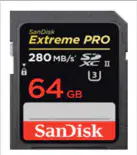
Secure Digital Memory Card
Secure Digital High Capacity Memory Card
Secure Digital Xtra Capacity Memory Card
TRUE OR FALSE
Do not hold the camera in the same position for long periods of time, it may cause wrist stress and even blisters
TRUE
FALSE
TRUE OR FALSE
Do not overcharge and recharge the battery in temperatures outside the allowable ambient temperature range
TRUE
FALSE
TRUE OR FALSE
Do not store the equipment in dusty places, dusts may enter the equipment or sink in the nooks of the equipment
TRUE
FALSE
TRUE OR FALSE
Do not store the equipment in humid places, the equipment will be susceptible to mold formation, use of desiccants, dehumidifiers, or dry cabinet box when storing your equipment
TRUE
FALSE
TRUE OR FALSE
Sudden change of temperature may lead to moist formation, cold to warm, provide proper insulation for your camera, moisture leads to mold formation
TRUE
FALSE

