
Font size
 Worksheets
Modern World Culture Chapter 7 Quiz
Total questions: 83
Worksheet time: 1hrs 10mins
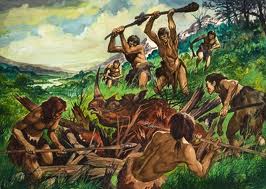

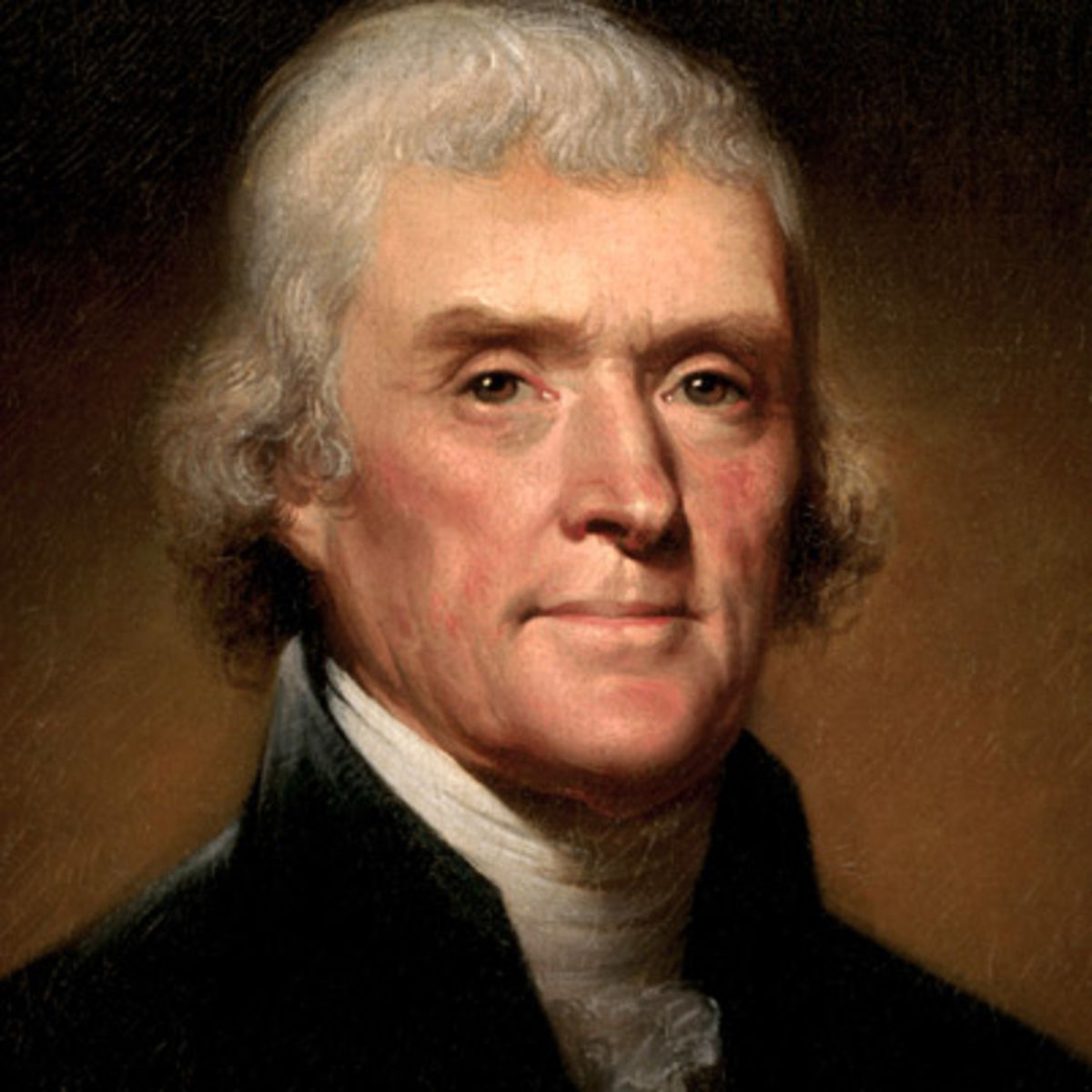



“The state of nature has a law of nature to govern it. . . no one ought to harm another in his life, health, liberty, or possessions. . .” --Two Treatises on Government, 1690
Who wrote the passage from Two Treatises on Government?
John Locke
Montesquieu
Rousseau
Voltaire


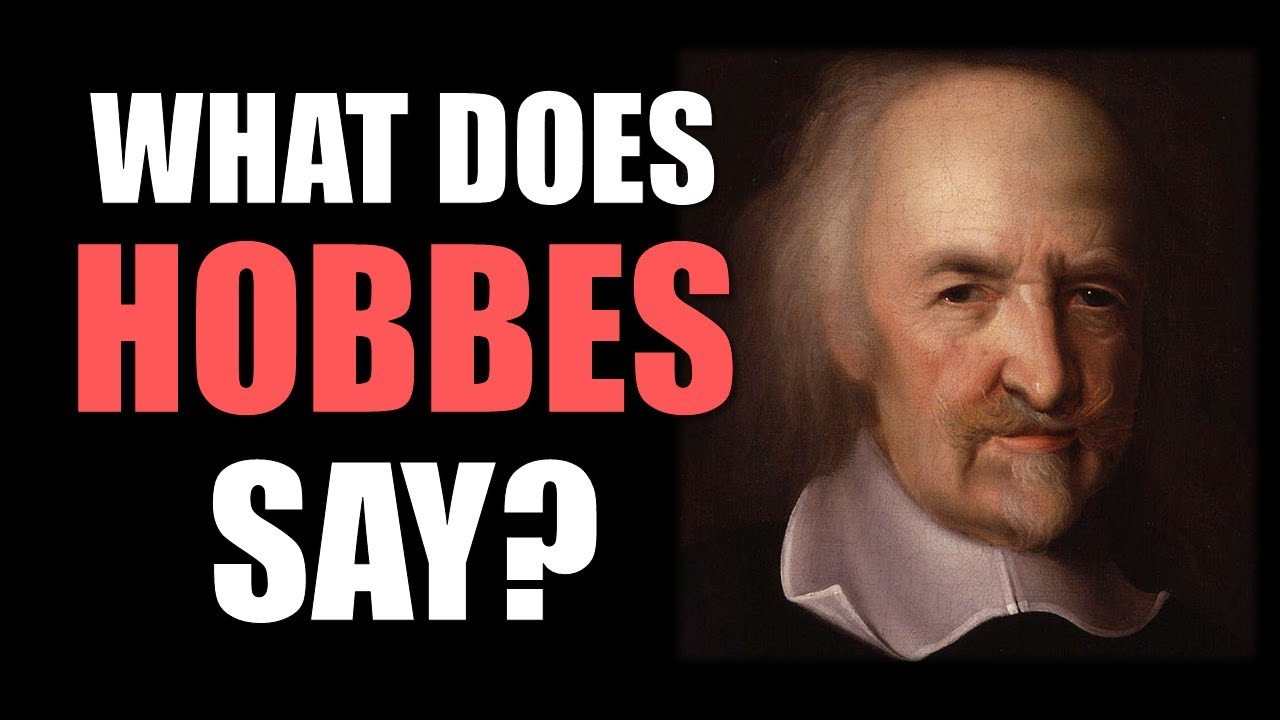

Baron De Montesquieu
John Locke
Thomas Hobbes
Jean Jacques Rousseau

a natural law
checks and balances
a social contract
laissez-faire

Philosophers
Democracy
Social Contract
Divine Right of Kings
Thomas Hobbes
Jean Jacques Rousseau
Baron De Montesquieu
John Locke

Father of Capitalism
Adam Smith
Adam Samson
Smith Adam
John Locke
According to Adam Smith laissez faire was the best way to run an economy. According to this idea what should the government do with the economy?
Governments are instituted among Men, deriving their just powers from the consent of the governed.--That whenever any Form of Government becomes destructive of these ends, it is the Right of the People to alter or to abolish it, and to institute new Government.... Thomas Jefferson (Declaration of Independence)
1. The excerpt above illustrates which key Enlightenment idea?
Natural Rights
Due Process
Social Contract
Separation of power
Review this quote:
"...he intends only his own security; and by directing that industry in such a manner as its produce may be of the greatest value, he intends only his own gain, and he is in this, as in many other cases, led by an invisible hand to promote an end which was no part of his intention. Nor is it always the worse for the society that it was no part of it. By pursuing his own interest, he frequently promotes that of the society more effectually than when he really intends to promote it. " Adam Smith
What is meant by the invisible hand?
According to John Locke, if the government didn't protect the people's natural rights, what could the people do?
Overthrow the government
Petition the government for their rights
Nothing, the people don't have rights
Which Enlightenment thinker's ideas were used when the Founding Fathers created America's branches of government?
John Locke
Baron de Montesquieu
Thomas Hobbes
Jean Jacques Rousseau

Which Enlightenment thinker is associated with the concept of popular sovereignty?
John Locke
Jean Jacques Rousseau
Thomas Hobbes
Denis Diderot
According to Rousseau, who should have the power in the government?
the people
the president
the king
the judicial branch
Rousseau believed the people create a unwritten agreement with the government. The people agree to obey the government if the government agrees to protects the people's rights. Rousseau called this agreement:
the Constitution
the Declaration of Rights
the Social Contract
the Encyclopedia
Estate

The King and Queen were viewed as
good leaders
unconcerned with the needs of the people
honest and good stewards of the people
Presidential

What do these pie charts reveal about the causes of the French Revolution?
all the estates were taxed equally
the upper classes paid the most taxes
the poorest classes paid all the taxes
the third estate was the wealthiest
What percentage of France's population belonged to the Third Estate?
97
70
3
40
What type of people made up the First Estate?
Roman Catholic Clergy
Nobility
Peasants
Middle Class
The nobility were members of the ______
Second Estate
First Estate
Fourth Estate
Third Estate
Which of the following is an accurate description of the tax system of France in the years preceding the French Revolution?
The Third Estate paid almost all of the taxes.
The nobility paid taxes only on land, not income.
All members of society paid taxes evenly.
The Second and Third Estates split the taxes.
What was not a reason France found itself deep in debt?
The French government spent most of the treasury on food for the people.
France spent way too much money on wars.
Marie Antoinette loved shopping sprees and gambling.
Louis XVI fired his finance ministers who wanted to create reforms.
What was Marie Antoinette's nickname?
Madame Deficit
Lady Spender
Mrs. Big Spender
Madame Debt
What was the reasoning behind the Queen's nickname?
Her lavish spending habits
Her trendy outfits and style
Her attitude and view of society
Her throne made of large stacks of cash
Who suffered the most before and during the French Revolution
Third Estate
First Estate
Nobility
The King
What was a cause of the French Revolution?
The influence of Enlightenment ideas
New taxes on the second estate
Economic prosperity
Strong leadership of Louis XVI
Which of these groups were NOT part of French society during this time?
Roman Catholic Clergy
Third Estate
Nobility
Congress

Both John Locke and Thomas Jefferson wrote about the natural rights of man. In what document are these "unalienable rights" specifically mentioned?
Articles of Confederation
Declaration of Independence
Bill of Rights
United States Constitution

How did the Stamp Act, the Tea Act, and the Intolerable Acts encourage American colonists to consider revolution against British rule?
by representing an effort in Britain to end the slave trade in the colonies
by increasing conflict between the colonists and neighboring Indian tribes.
by revealing the British plan to expand the American colonies farther west on the continent
by raising taxes in the American colonies without granting the colonies any representation in Parliament

The French-Indian/Seven Years War is often viewed by historians as being a factor in causing the American Revolution. Which of these BEST explains why this might be the case?
The Indians believed the colonists would return seized lands to them
The British were able to defeat the French in North America, Asia, and at sea
The high cost of the war meant Parliament had to create new taxes in the American colonies
The French were never truly expelled and played a large role in stirring-up colonial discontent

Why were Colonists angered by the new taxes placed on the colonies following the French and Indian War
They believed their taxes were being wasted by King George III
They felt that they should have representation in Parliament
The issue of taxing colonists had never before been raised
The British policy of Salutary Neglect was being enforced

After winning the French & Indian War, Great Britain passed the Proclamation of 1763 which made the colonists angry because
it took away their representation in Parliament.
it forced colonists to house and feed British soldiers.
it passed a tax on items such as newspapers, wills and contracts.
it did not allow them to settle on land west of the Appalachian mountains

Which of these is a right found in the Declaration of Independence?
right to free speech
right to health care
live long and propser
pursuit of happiness

The Declaration of Independence was approved by the Second Continental Congress on
July 4, 1776
December 25, 1776
September 17, 1787
September 25, 1792

How was the Stamp Act different from earlier taxes imposed on the British colonies?
The Stamp Act was only enforced in the southern colonies; northern colonies were not affected by the taxes
Revenue collected under the Stamp Act was given to the colonial governments instead of the British government.
Representatives from the colonies were elected to Parliament so that colonial interests could be addressed in the debate over passage of the Stamp Act.
The Stamp Act directly affected the colonists, taxes prior to the stamp act were indirect taxes, paid only by merchants

Britain responded to the Boston Tea Party by
enacting a new set of taxes known as the Townshend Acts.
"tarring and feathering" the colonial leaders of Boston.
rounding up suspected participants and sending them to Australia
enacting a series of restrictive measures known as the Intolerable Acts
Before the revolution in France, members of the Third Estate had
a smaller tax burden than the other estates
greater political influence than the clergy
a voice in government equal to that of the First and Second Estates
a high tax burden and little political power
The Declaration of the Rights of Man guaranteed all of the following EXCEPT
freedom of speech
freedom of the press
freedom of religion
equal rights for women
In 1793 King Louis XVI and Queen Marie Antoinette were
saved from the Robespierre.
executed.
deported to England.
returned to the throne.
Which group of people made up the majority of the population in St. Domingue and were exploited for economic growth?
European settlers
Indigenous people
African slaves
Free mulattoes
What was the significance of the Storming of the Bastille during the French Revolution?
It marked the end of the French Revolution
It marked the beginning of the French Revolution
It marked the peak of the French Revolution
It had no significance in the French Revolution
What inspired the Mulattoes and slaves in Haiti to seek revolution?
The French Revolution
The British invasion of Haiti
The American Revolution
The Spanish Invasion of Haiti
Who was one of the leaders of the Haitian revolution?
Napoleon Bonaparte
Thomas Jefferson
Toussaint L'Ouverture
King Louis XVI
Who made up the first social class in Haiti?
free mulattoes
African merchants
White European settlers
African slaves

What cause of the French Revolution is represented by this image?
Weak leadership of the monarchy
Unequal social class system
Economic crisis
Inspiration from the Enlightenment

What does letter A represent in this image?
1st Estate
2nd Estate
3rd Estate
Estates General
What was the famous slogan colonists used to portray their unhappiness with Parliament?
It's My Money and I want It Now!
No Way Without a Say!
No Taxation Without Representation
The British are Coming!
Which phrase become popular among colonists in response to England imposing taxes?
“No taxation without representation”
“The rights of Englishmen”
“Life, liberty, and the pursuit of happiness”
“Give me liberty or give me death”
The Social Contract Theory
Sought to guarantee liberty by dividing the powers of government
Led to the growth of new Protestant denominations (groups) in the mid-1700s
Questioned the authority of any church to persecute those who did not accept its teachings
Held that if a government did not protect the citizens & their rights, then citizens were justified in rebelling
This document officially ended the American Revolution
Treaty of Paris
Treaty of Versailles
Proclamation of 1763
Navigation Act

