
 Worksheets
Transverse Waves: Amplitude, Frequency, Wavelength
Total questions: 40
Worksheet time: 35mins
What is the definition of amplitude in a transverse wave?
The distance between two consecutive crests
The height of the wave from the rest position
The number of waves that pass a point in one second
The distance between two consecutive troughs
Which of the following best describes frequency in a transverse wave?
The height of the wave from the rest position
The distance between two consecutive crests
The number of waves that pass a point in one second
The distance between two consecutive troughs
How does the wavelength of a wave relate to its frequency?
As wavelength increases, frequency increases
As wavelength decreases, frequency decreases
As wavelength increases, frequency decreases
Wavelength and frequency are not related
If a wave has a high frequency, what can be inferred about its wavelength?
The wavelength is long
The wavelength is short
The wavelength is unaffected
The wavelength is equal to the amplitude
Wavelength and frequency have a(n) ____________ relationship
direct
indirect
reciprocal
inverse
Compare the amplitude of two waves if one wave is louder than the other.
The louder wave has a smaller amplitude
The louder wave has a larger amplitude
Both waves have the same amplitude
Amplitude does not affect loudness
What is the relationship between energy and amplitude in a wave?
Energy is directly proportional to amplitude
Energy is inversely proportional to amplitude
Energy is equal to amplitude
Energy is not related to amplitude
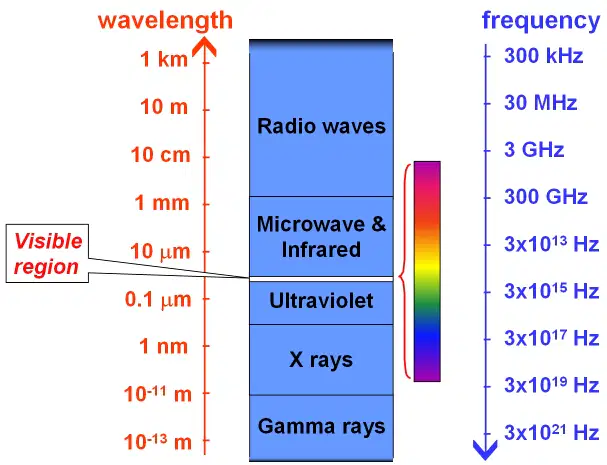
Which of the following waves has the highest frequency?
Radio waves
Infrared waves
Ultraviolet waves
Visible light
Explain why X-rays are more dangerous than visible light.
X-rays have a longer wavelength and lower energy
X-rays have a shorter wavelength and higher energy
X-rays have the same wavelength as visible light
X-rays have a lower frequency than visible light
A wave has a frequency of a wave with 10 cycles and in 2 seconds?
0 Hz
5 Hz
8 Hz
20 Hz
If the amplitude of a wave is doubled, what happens to the energy it carries?
The energy is increased
The energy is decreased
Which characteristic of a wave determines its color in the visible spectrum?
Amplitude
Frequency
Speed
Wavelength
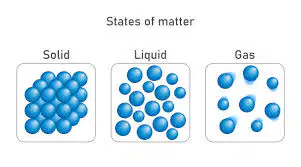
How does the speed of light change as it moves from air into water?
It increases
It decreases
It remains the same
It becomes zero
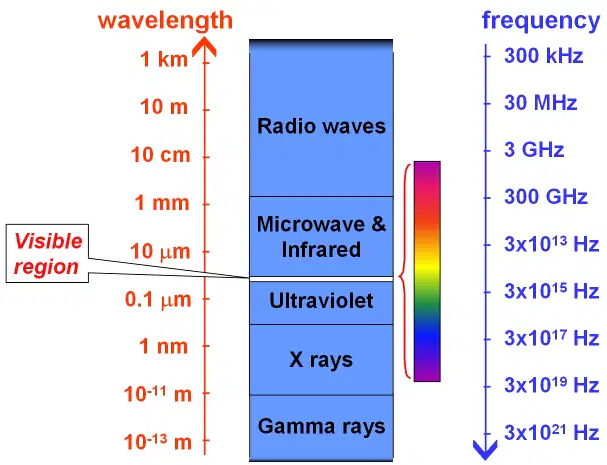
Why do gamma rays have more energy than radio waves?
Gamma rays have a longer wavelength
Gamma rays have a higher frequency
Gamma rays have a lower frequency
Gamma rays have a smaller amplitude
What happens to the frequency of a wave if its speed increases while the wavelength remains constant?
The frequency decreases
The frequency increases
The frequency remains the same
The frequency becomes zero
True or False: waves in the electromagnetic spectrum do not need a medium
True
False
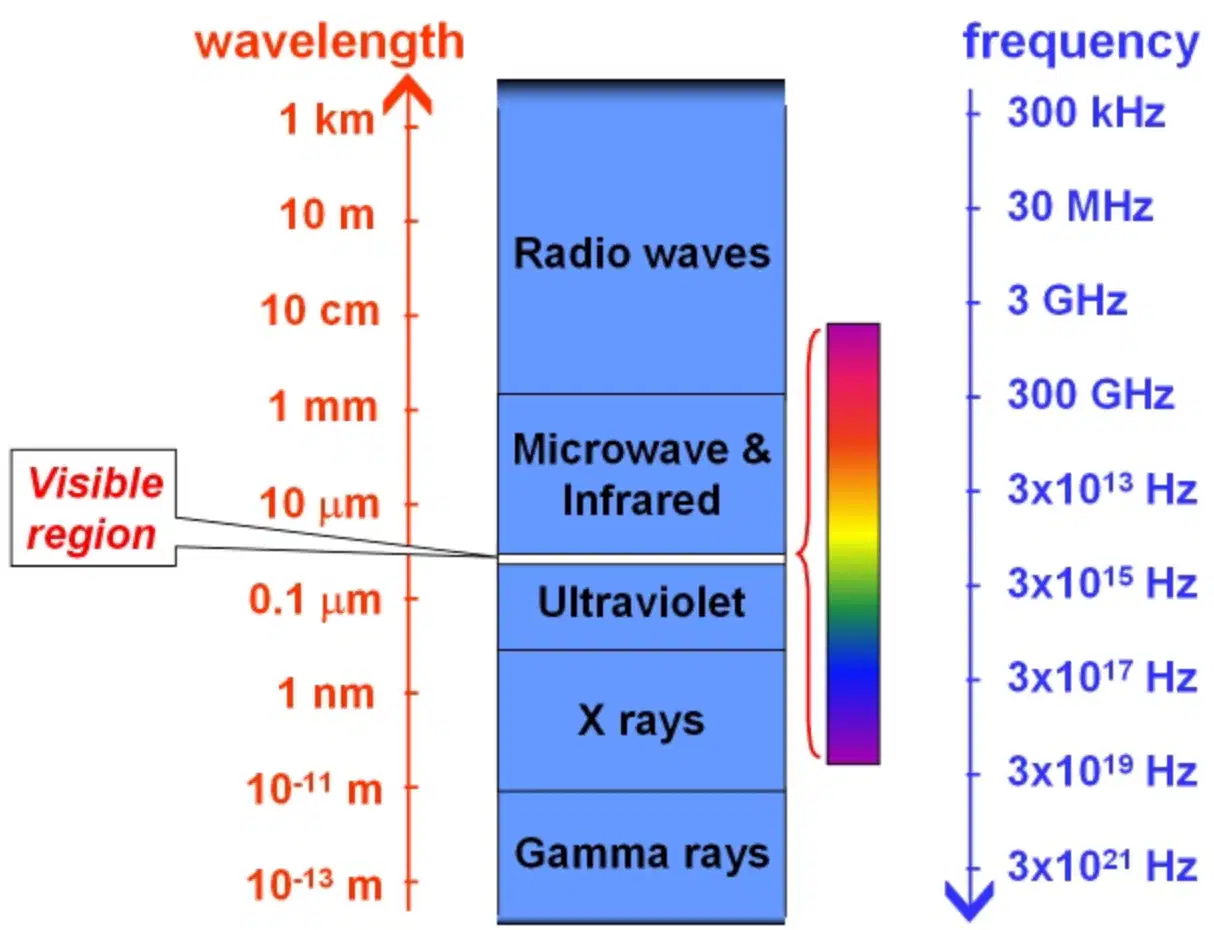
Which type of electromagnetic wave has the highest energy?
Radio waves
Microwaves
Ultraviolet rays
Gamma rays
What is the primary factor that affects the pitch of a sound wave?
Amplitude
Frequency
Wavelength
Speed
Which of the following waves is not part of the electromagnetic spectrum?
Infrared waves
Sound waves
X-rays
Visible light
Which of the following is true about the energy of a wave as its frequency increases?
The energy decreases
The energy increases
The energy remains constant
The energy becomes zero

Which wave has the greatest amplitude?
The blue wave
The red wave

What is the amplitude of the wave shown?
1 cm
2 cm
3 cm
4 cm

Which letter shows amplitude?
F
G
H
J
The property of a wave that determines color in the visible light spectrum is
speed
amplitude
frequency
wavelength
How many waves can pass a given point per second, measured in Hertz (Hz)
amplitude
crest
frequency
friction
A wave with a frequency of 15 cycles and time of 5 seconds has what frequency?
3 metres
5 metres
10 metres
15 metres
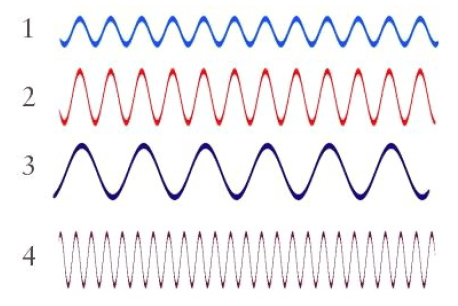
Which wave in the diagram has the greatest frequency?
1
2
3
4
What is the term for the number of waves that pass a point in one second?
Wavelength
Frequency
Amplitude
Speed
Which of the following is a property of a wave?
Mass
Frequency
Volume
Density
The low points of a transverse wave.
Crest (peak)
Trough
Amplitude
Wavelength
A wave with a large amplitude has more / less energy than a wave with a small amplitude.
more
less

Which wave has the most energy?
top wave
bottom wave

Nina’s measurements, shown in the table here, BEST represent a wave with
increasing frequency
decreasing frequency
decreasing amplitude
increasing amplitude
Waves transfer _______.
particles
matter
energy
DNA
Which of the following can act as a medium?
Solids
Liquids
Gases
All of the above

Which wave has the shortest wavelength?
Red
Violet
Orange
Green
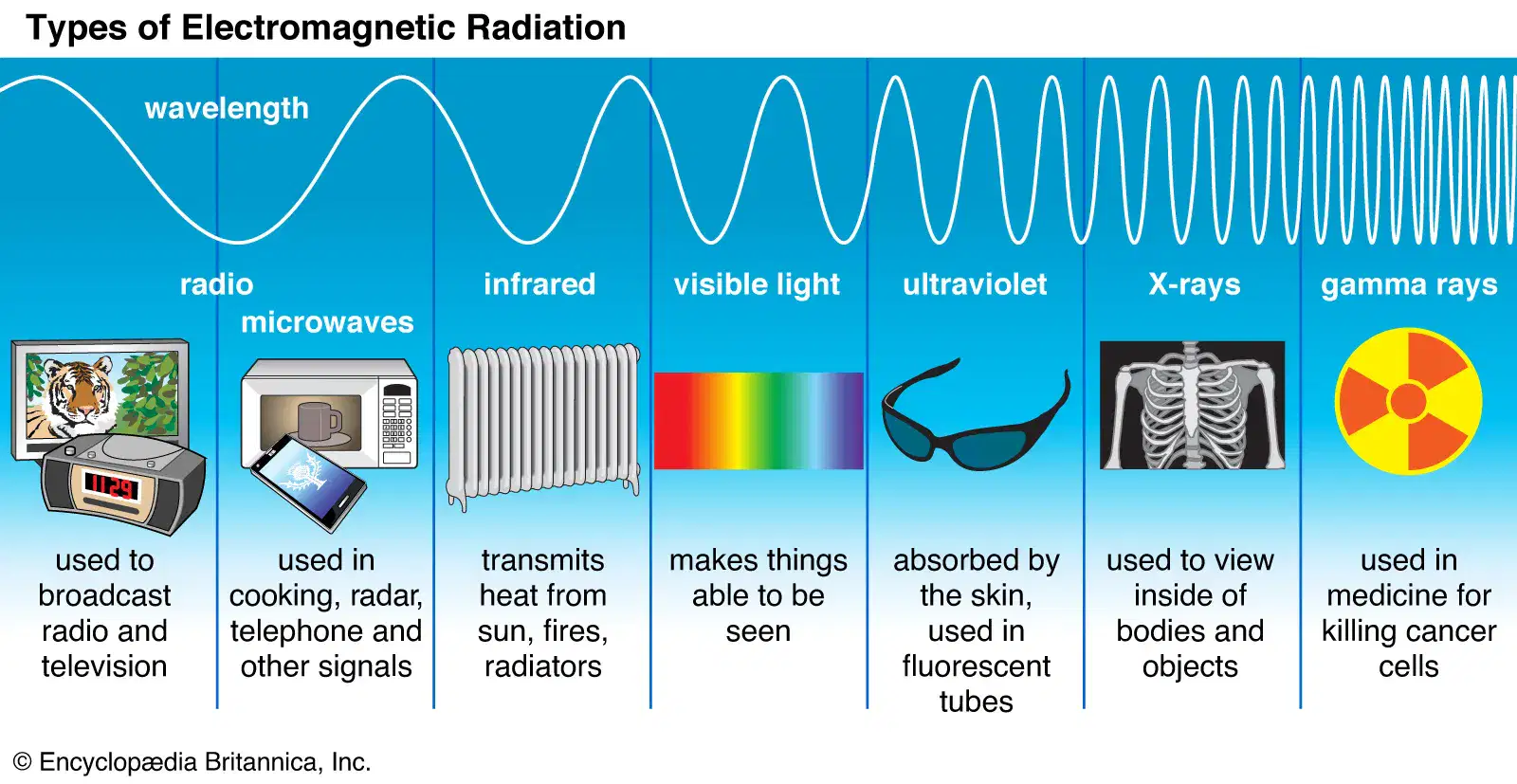
Select the correct order of waves on the EMS from the longest wavelength to the shortest wavelength
Radio, Micro, Infra, Visible, Ultra, X-ray, Gamma
Gamma, X-ray, Ultra, Vis, Infra, Micro, Radio
Vis, Micro, Infra, Ultra, X-ray, Gamma, Radio
Micro, Radio, Vis, Infra, Ultra, X-ray, Gamma
What is the unit for frequency?
Kg
N
Hz
m/s
True or False:
exposure to radiation can cause cancer
True
False
What can we see from the electromagnetic spectrum?
Radio waves
X-rays
Microwaves
Visible light

