
 Worksheets
Itroduction to the Heart
Total questions: 70
Worksheet time: 1hrs 25mins

Interpret this EKG strip
Sinus Rhythm, Hr.70
Sinus Rhythm, Hr.90
Sinus Bradycardia, Hr.50
Sinus Tachycardia, Hr. 110

Interpret this Rhythm:
Normal sinus rhythm
Ventricular fibrillation
Sinus Brady with PAC's
Sinus Bradycardia

Which best describes this rhythm?
Atrial Fibrillation
Atrial Flutter
Asystole
PEA

Which best describes this rhythm?
Asystole
PEA
Pulseless Ventricular Tachycardia
Ventricular Fibrillation

Which best describes this rhythm?
Asystole
PEA
Ventricular Tachycardia
Ventricular fibrillation

Which best describes this rhythm?
Asystole
PEA
Ventricular Tachycardia
Ventricular fibrillation
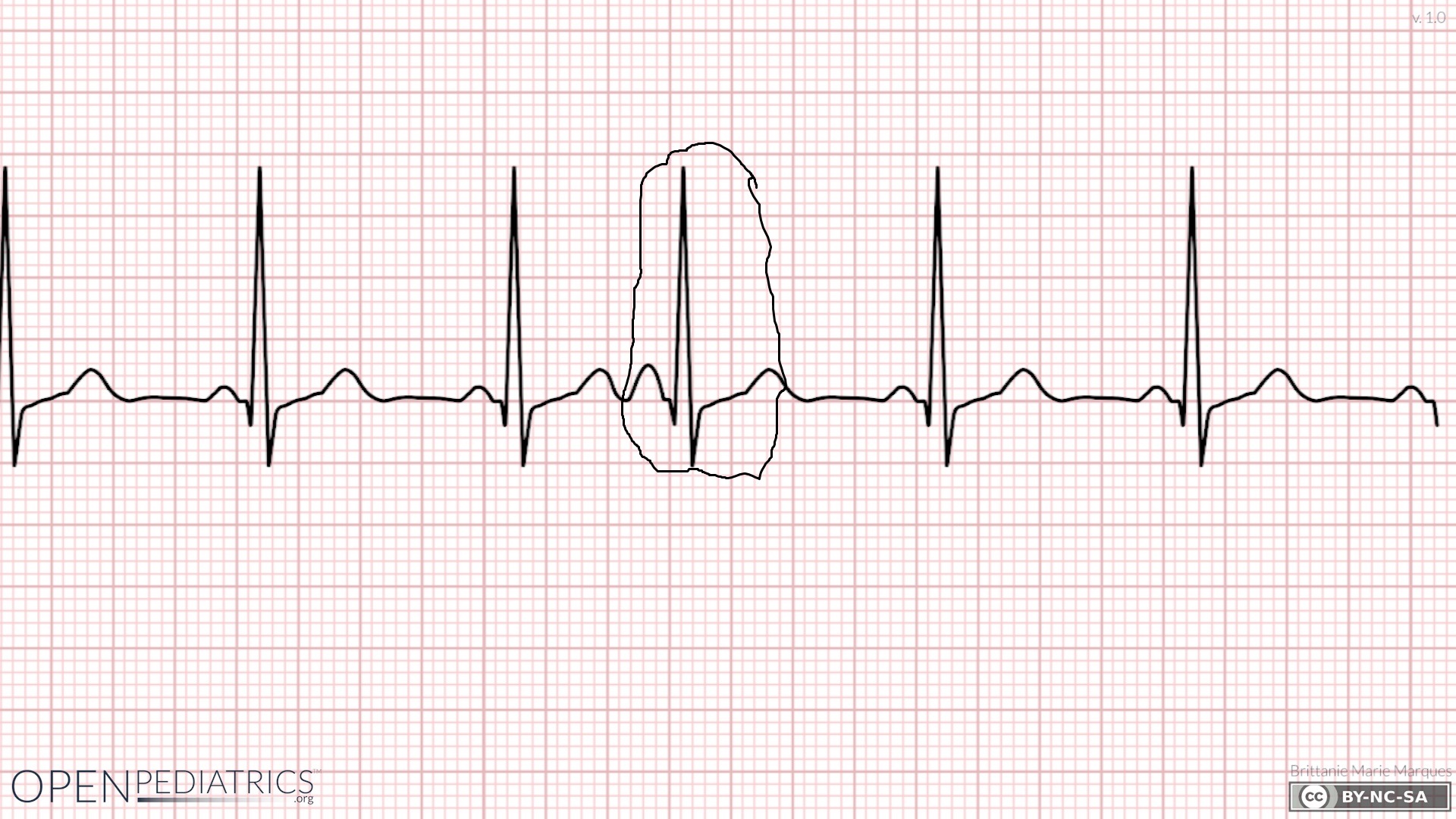
Identify what the rhythm?
Normal sinus rhythm with PAC
Sinus tachycardia with PAC
Normal sinus rhythm with PVC
Sinus tachycardia with PVC

Identify the waveform after the second heartbeat?
NSR with PAC
Sinus Tachycardia
NSR with PVC
Asystole

Identify the cardiac rhythm strip pictured above
Ventricular Tachycardia
Normal Sinus Rhythm
Atrial Fibrillation
Sinus Tachycardia

Identify the following rhythm strip pictured above
Asystole
Ventricular Tachycardia
Ventricular Fibrillation
Atrial Flutter

Sudden recurrence of a symptom or disease
Arrhythmia
PAC
Ectopic Heart Beat
Paroxysmal

Name this rhythm- a short circuit rapid rhythm that begins suddenly
Ventricular Tachycardia
PAC
Sinus Tachycardia
PAT

Letter D is pointing to
Aorta
Right Pulmonary Artery
Superior Vena Cava
Pulmonary Trunk

Letter G is pointing to
Right atrium
Left Atrium
Right ventricle
Left ventricle

Which letter is pointing to the Apex?
H
I
E
B

What letter is pointing to the aortic arch?
D
K
C
B

Of the four chambers, which one carries deoxygenated blood?
F and J
F and A
A and G
J and G

Which letter is pointing to the tricuspid valve?
M
N
L
O
The mitral valve is another name for the
Aortic valve
Pulmonary valve
Tricuspid valve
Bicuspid valve
Which of the following carries blood TO the lungs?
pulmonary veins
pulmonary arteries
aorta
superior vena cava
The "semilunars" include
mitral and tricuspid
aortic and pulmonary
bicuspid and aortic
tricuspid and pulmonary
What large vessel takes blood to the bottom half of the body?
descending aorta
pulmonary arteries
ascending aorta
both vena cava
Which are larger, atria or ventricles?
atria
ventricles

Which of the following brings blood back to the heart from the lungs?
C
D and K
E
B

H is pointing to the
interatrial septum
interventricular septum
interpulmonary septum
atrioventricular septum

Structure B carries
oxygenated blood
deoxygenated blood

The aortic semilunar valve is letter
O
L
M
N
Prevention of backflow is the function of the
pulmonary arteries
valves
septums
vena cava
The circuit that delivers blood to the body is called
pulmonary
systemic

After dropping off oxygen to the body, blood will re-enter the heart through the
pulmonary veins
aorta
superior and inferior vena cava
pulmonary arteries
The aorta branches off into 3 vessels. Which of the following is NOT one of them?
left subclavian
coronary artery
brachiocephalic
left common carotid
Back flow into the left atrium would be caused by a faulty (not working properly) valve; which one?
aortic semilunar
pulmonary semilunar
tricuspid
bicuspid
The heart has how many sections inside?
6
1
2
4
The heart is made up of this special kind of muscle.
Cardiac Muscle
Skeletal Muscle
Super Muscle
Muscle
Blood enters into the heart through the
Stomach
Vena Cava
Aorta
Lungs
Arteries carry blood
To the heart
Away from the heart
What is the largest artery of the heart?
left atrium
pulmonary artery
aorta
Which side of the heart has oxygenated blood?
left
right
niether
Where does blood go to get oxygen?
brain
lungs
neither
How does a heart valve work?
It allows blood to flow out of the designated chamber but does not allow it to flow backward.
It allows blood to flow out of the designated chamber and flow back in.
It allows blood to remain in the chamber an indefinite amount of time.

Which is the Superior Vena Cava?
A
B
O
P
Which is the Inferior Vena Cava?
A
B
O
P
Which is the Aortic Arch?
A
B
O
P
Which is the Right Atrium?
C
E
K
M
Which is the Left Atrium?
C
E
K
M
Which is the Right Ventricle?
C
E
K
M
Which is the Left Ventricle?
C
E
K
M
Which is the Tricuspid Valve?
D
F
L
N
Which is the Mitral Valve?
D
F
L
N

What type of muscle is the heart?
Smooth
Cardiac
Skeletal
What type of muscle is the heart?
Voluntary
Involuntary
How big is your heart?
About the size of your brain
About the size of your lungs
About the size of a cell
About the size of your fist
What systems does the circulatory system interact with to perform its functions?
Respiratory
Nervous
Digestive
Muscular
What is the main organ of the circulatory system?
Brain
Lungs
Heart
Blood Vessels
Which blood vessel carries blood away from the heart?
Veins
Arteries
Capillaries
Which blood vessel carries blood toward the heart?
Arteries
Veins
Capillaries
What are the functions of the circulatory system?
Pump blood with oxygen to our cells
Pump blood with nutrients to our cells
Pump blood with water to our cells
Pump blood with carbon dioxide to our cells
Which chamber in the heart collects oxygen poor blood?
Right Atrium
Right Ventricle
Left Atrium
Left Ventricle
Which chamber in the heart collects oxygen rich blood?
Right Atrium
Left Ventricle
Left Atrium
Right Ventricle
Which chamber in the heart pumps oxygen poor blood to the pulmonary artery?
Right Ventricle
Left Ventricle
Aorta
Right Atrium
Which chamber of the heart pumps oxygen rich blood to the aorta?
Pulmonary Artery
Left Atrium
Left Ventricle
Right Ventricle
What is the main artery in our body carrying oxygen rich blood?
Aorta
Pulmonary
What artery carries oxygen rich blood to the lungs to pick up oxygen?
Aorta
Pulmonary
What organ in the lungs puts oxygen into the blood?
Bronchioles
Bronchi Yubes
Diaphragm
Alveoli
How does the heart muscle move the blood between your heart, lungs and the rest of the body?
Magic
Diaphragm muscle pushes the blood around your body
Muscle contractions and relaxations
Who knows, ask a scientist

