
 Worksheets
Plumbing Level 1 Materials
Total questions: 35
Worksheet time: 18mins
Which of the following is a type of material a plumber might encounter during installation?
Wood
Ferrous metals
Glass
Paper
What type of material includes metals that do not contain iron?
Ferrous metals
Non-ferrous metals
Ceramics
Plastics
Which material is known for being a combination of two or more metals?
Ceramics
Alloys
Plastics
Ferrous metals
Which of the following metals can be identified using a magnet?
Aluminum
Copper
Iron
Gold
What is a common use for steel that contains iron?
Electrical wiring
Radiators
Jewelry
Insulation
What happens to ferrous metals if they are left unprotected?
They become shiny
They corrode and rust
They melt
They become magnetic
Which of the following is a characteristic of non-ferrous metals?
They contain iron and are attracted to magnets.
They do not contain iron and are not attracted to magnets.
They rust easily.
They are always magnetic.
Which of the following metals is an example of a non-ferrous metal?
Iron
Steel
Copper
Cast iron
What is a common property of non-ferrous metals regarding rust?
They rust quickly.
They do not rust but can corrode over time.
They are immune to corrosion.
They rust only in saltwater.
Which metals are combined to form brass?
Copper and tin
Copper and zinc
Iron and carbon
Iron and tin
Steel is an alloy of which two elements?
Copper and zinc
Copper and tin
Iron and carbon
Iron and zinc
Which of the following is an application of plastics in plumbing?
Electrical wiring
Hot and cold water supplies
Roofing
Flooring
What is a characteristic of thermoplastics when they are heated?
They become brittle.
They become liquid.
They become solid.
They become opaque.
Which thermoplastic is used for underground cold water mains pipes?
PVCu
MDPE
Polypropylene
ABS
What is Polybutylene used for?
Cold water installations
Underground drainage
Hot, cold, and central heating pipes
Commercial cold water pipes
Which thermoplastic is used in commercial cold water and above-ground drainage pipes?
PVCu
MDPE
Polypropylene
ABS
What are ceramics mainly used for in plumbing?
Electrical wiring
Sanitary appliances and tiles
Insulation
Roofing
What is one advantage of ceramics over plastics?
Lower cost
Greater flexibility
Greater strength and hardness
Better insulation
What is vitreous china primarily used for?
Manufacturing bathroom appliances
Producing heavy-duty appliances
Finishing floors and walls
Making kitchen countertops
Which ceramic material is used for heavy-duty appliances like shower trays and sinks?
Vitreous china
Fireclay
Ceramic tiles
Porcelain
Which property refers to a material's ability to be drawn into wires?
Malleability
Conductivity
Ductility
Hardness
What property describes a material's ability to conduct electricity?
Strength
Conductivity
Hardness
Ductility
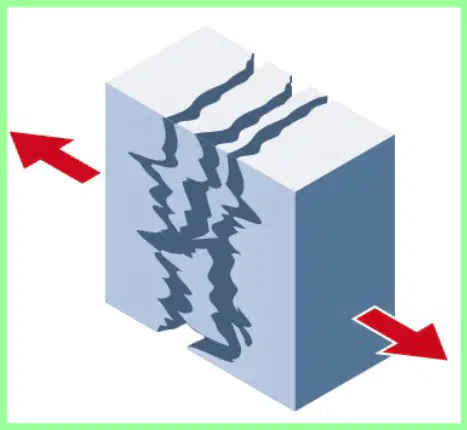
What does tensile strength measure in materials?
The ability of a material to conduct electricity
The measure of how well a material reacts to being pulled or stretched
The thermal resistance of a material
The weight of a material
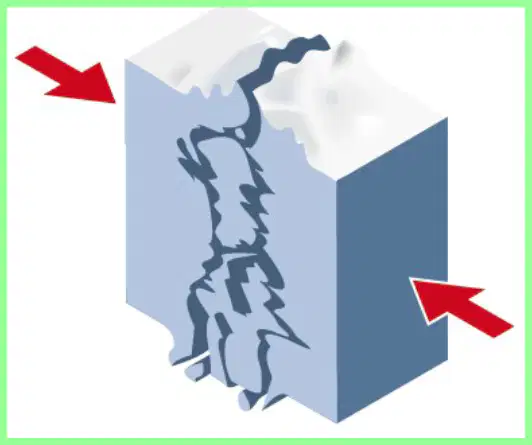
What does compressive strength measure in materials?
The ability to withstand tension
The ability to conduct electricity
The amount of force a material can cope with before being crushed
The ability to resist heat
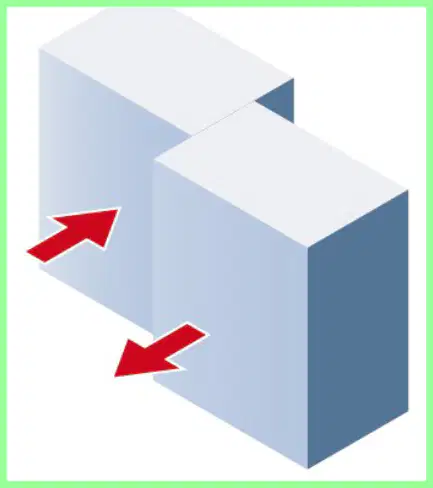
What is shear strength a measure of?
The ability of a material to withstand compressive forces.
The ability of a material to withstand tensile forces.
The ability of a material to withstand two opposing forces acting in parallel lines.
The ability of a material to withstand twisting forces.
What property in a material resists bending, scratching, abrasion, or cutting?
Flexibility
Hardness
Elasticity
Conductivity
What is the hardest material known, used by plumbers to cut holes in masonry?
Steel
Iron
Diamond
Copper
What is ductility?
The ability of a material to conduct electricity
The capacity of a material to be pulled, pushed, stretched, and deformed without breaking
The ability of a material to resist heat
The capacity of a material to absorb water
Why is copper considered a ductile material?
It can conduct electricity
It can absorb water
It can be bent into shape without breaking
It can resist heat
What is the property of a material that allows it to be deformed under compressive strength without fracturing?
Brittleness
Hardness
Malleability
Elasticity
If a material can be hammered, bossed, rolled, or pressed into shape without breaking, what is it considered to be?
Brittle
Malleable
Rigid
Elastic
What does conductivity refer to in materials?
The ability to reflect light
The capacity to transfer heat or electricity
The ability to absorb sound
The capacity to resist corrosion
Which type of conductivity is related to the transfer of heat?
Electrical conductivity
Thermal conductivity
Acoustic conductivity
Magnetic conductivity
What does thermal conductivity indicate in a metal?
The color of the metal
The weight of the metal
How fast or slow heat is transferred through the metal
The melting point of the metal
Why is copper used in the heat exchanger coil in a hot water cylinder?
It is lightweight
It is a good thermal conductor
It is inexpensive
It is resistant to rust

