
 Worksheets
First Aid CPR Review
Total questions: 68
Worksheet time: 2hrs 42mins
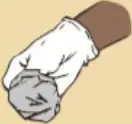
What is the first step in removing gloves safely?
Peel the glove away from your body.
Grasp the outside of one glove at the wrist.
Hold the glove you just removed.
Dispose of the gloves safely.
How should the glove be peeled away from your body?
By pulling it towards your body.
By pulling it inside out.
By cutting it off.
By tearing it.
Why is it important not to reuse gloves?
They become too loose.
They may be contaminated.
They are too expensive.
They are difficult to clean.
What should you avoid doing when removing gloves?
Touching your bare skin.
Holding the glove in your hand.
Peeling the glove inside out.
Disposing of the gloves.
What should you do if you accidentally touch your bare skin while removing gloves?
Continue removing the gloves.
Wash your hands immediately.
Put the gloves back on.
Ignore it.
What is the importance of shaking the inhaler before use?
To mix the medicine properly
To clean the inhaler
To warm up the medicine
To check the medicine level
What is a common symptom of hypoglycemia that affects speech?
Difficulty speaking
Increased clarity
Loudness
Rapid speech
What are the 4 first aid care steps for shock?
Call 911, have the person lie down, elevate the legs, keep the person warm
Give the person water, apply a tourniquet, elevate the legs, cover with a blanket
Apply pressure to the wound, elevate the head, give aspirin, call a taxi
Have the person sit up, apply cold compress, give them coffee, call 911
What are signs to look for internal bleeding?
Unexplained fatigue and dizziness
Intense headache and confusion
Localized pain and swelling
All of the above
Describe the first aid steps for an embedded object.
Do not remove the object, stabilize the object in place, control bleeding, and seek professional medical help.
Remove the object immediately to prevent infection, then clean and bandage the wound.
Apply pressure around the object to push it out, then clean the wound with soap and water.
Break the object into smaller pieces for easier removal, then apply an antiseptic cream.
Which of the following is a situation where a tourniquet may be necessary?
When there is a minor cut on a finger
When there is a sprained ankle
When there is severe bleeding that cannot be controlled by direct pressure
When someone has a headache
If you do not see an object in a choking victim’s mouth what is the next step?
Go back to compressions
Do 2 rescue breaths
Turn them over and do 5 back blows
Apply the AED.
If the chest does not rise after the first rescue breath, what is the next step?
A. another rescue breath
B. check for breathing
C. compressions
D. re-tilt the head then another rescue breath
If an infant is conscious and choking it is important to perform back blows and chest thrusts with the infant’s head higher than the chest?
True
False
You should pinch the nose on an infant when performing rescue breaths.
True
False
True or False – If there are enough witnesses around then you do not need consent from a conscious choking adult to provide care to that adult.
True
False
The depth of compressions on a child should be?
about 1.5 inches
about 1 inch
about .5 inch
The depth of compressions on an adult should be?
at least 1.5 inches
at least 1 inch
at least .5 inch
True or False - When giving compressions on an INFANT it is important to have both hands on the infant’s chest.
True
False
What are the signs of internal bleeding associated with a closed wound?
A) Redness and warmth at the site of injury.
B) Pain, tenderness, swelling, deformity, and rapid weak pulse.
C) Immediate bruising only.
D) Numbness and loss of function in the affected area.
What type of blood flow is described as spurting with the pulse and is life-threatening?
Capillary blood
Venous blood
Arterial blood
Plasma flow
For how long should direct pressure be applied to a bleeding wound according to the first aid methods described?
1-2 minutes
3-4 minutes
5-10 minutes
15-20 minutes
What should you do if you suspect someone has internal bleeding?
Give them something to eat or drink
Apply a heat pack to the area
Call emergency services immediately
Make them lie down and elevate their legs
Which type of bleeding is characterized by a steady, slow flow?
Arterial
Venous
Capillary
External
When applying a tourniquet to stop severe bleeding, where should it be placed?
Directly on the wound
Just above the wound on the limb
Around the neck
Below the wound on the limb

How would you FIRST stop bleeding?
Heimlich maneuver
Direct pressure
Tourniquet
Ice

You are performing single person CPR. The AED (automatic external defibrillator) advises a shock. After the shock is delivered what is the next immediate step?
Call for help
Check for pulse
Resume CPR with compressions
Clean AED paddles for next use
When someone feels faint, we should do what?
Have them sit down and rest
lay them flat on the ground
have them sit down and put their head between their knees
do nothing


call 9-1-1
What should you do if the person does not give consent?
Don't give care but call 9-1-1
Give care and call 9-1-1
Give care only
None of the above
You must attend a formal first aid course before giving first aid to a stranger on the street
A. True
B. False

You and your friends are packing lunch to take with you to the beach. While cutting up some fresh strawberries, the knife slips out of your friend, Kate's hand and drops directly on her barefoot. Kate is in a lot of pain and blood is starting to cover the floor. What should you treat her for?
Shock
Bleeding
Burn
Fracture

You are helping cook the potatoes for Thanksgiving dinner. While boiling the water, you notice the pot starting to bubble over so you rush to the stove and move the pot off of the burner. You didn’t realize how hot the handles would be so you set the pot down quickly, causing some of the water to splash on your arm. You notice your skin immediately turning a deep red where the water splashed and it is very painful. What should you do?
Cool the burn by running your arm under cold water
Place ice directly on the burn
Pop the blister that forms
Simon is enjoying a meal out when suddenly a person a few tables away starts to look in distress and is clutching at their neck. Simon recognizes this as
as sign they do not like their meal
they need absolutely need CPR
the universal sign for choking
they are in shock

Tim and his brother Benny are involved in a car accident. The brothers get out of their car to assess the damage and see someone in the car behind them with a very serious head injury. When Tim looks over at his brother, Benny turns very pale before falling to the ground. What should Benny be treated for?
Shock
Fracture
Bleeding
CPR
You are trying a new fitness class at the local YMCA when a man suddenly drops to the ground. When you first check for signs of life, he appears to be breathing. After a few moments, his breathing begins to fade until it is no longer present. What do you do?
Immediately begin CPR compressions
Direct someone in the class to call 9-1-1.
Assume someone else knows CPR and walk away.
Tap the man on the shoulder and loudly ask "Are you OK?"

While playing 4-square outside, your little brother dives to save the ball and scrapes his knee on the black-top causing a scrape. When cleaning out his wound, it is important to remember to:
Cover it with a band-aid ASAP
Start from the outside of the scrape and clean across from left to right
Tell him to rub some dirt on it
Start from the inside and work your way out

Your older sister, Betty, has decided to challenge your brother to an arm wrestling competition. After a tough battle, the competition takes a turn for the worst. You hear a scream from the living room and go in to see Betty sitting in the chair with her right arm hanging down, limp, and obviously deformed. What should you do?
Move her arm to see if it is really broken.
Tell her that is the grossest thing you have ever seen.
Find a pillow to support her wrist and seek medical attention ASAP.
Tell her to run her arm under cold water to help it feel better.
Jenna is babysitting her next door neighbor when she notices the child turn pale and start to vomit. She runs to the kitchen to get some paper towels and sees the cabinet with cleaning supplies open, and an empty bottle of Windex with no lid on the floor. What should Jenna begin to treat the child for?
Shock
Burn
Poisoning
Choking

While walking through your neighborhood with your friends, you find a man lying on the ground under a ladder next to his house. He is in obvious pain and his arm is clearly broken, with a piece of bone protruding from the skin. Given the situation, what should you check FIRST before beginning treatment for his arm?
If anyone else is home
Any medical alert tags
How old he is
A neck or back injury
What should you do if you're not sure what actions to take in an emergency?
Ask your employer or someone nearby whether you should phone the emergency response number
Get the first aid kit and AED
Phone 9-1-1 and ask for help
Watch the ill or injured person
What should you do if a choking adult stops responding?
CPR
Give 5 compressions and 5 back slaps
Give forceful breaths to push the object down
Continue stomach thrusts until the object is removed
You are hiking on a trail and come across an adult woman who appears to have trouble breathing and swelling of the tongue and face. What should you look for that could help you determine her possible medical condition?
Her cell phone
Her driver's license
Her identification card
Medical information jewelry
What is the next step when giving first aid to someone who has been bitten by a spider, after you've ensured scene safety and put on personal protective equipment?
Place the spider in a plastic bag
Scrape the spider’s fangs away by using something with a dull edge
Remove the victim’s clothing, and apply ice directly to the skin
Wash the area with running water and soap
How should you give breaths with a mask?
Tilt the head and lift the chin, and press the mask against the person’s face to make an airtight seal
Tilt the head, and cover the face completely with the mask
Tilt the chin, and press the mask against the person’s nose
Tilt the head back far enough to open the person’s mouth, and gently place the mask on the person’s face
How long should you rub the surfaces of your hands together during handwashing?
At least 5 seconds
At least 20 seconds
At least 1 minute
At least 5 minutes
What best describes a seizure
a sudden attack that can cause spasms or convulsions.
a medical condition associated with abnormal electrical activity in the brain.
making short and sudden movements.
not reacting or moving because of being unconscious
A seizure is only caused by epilepsy
True
False
Which of theses are signs and symptoms of seizures in adults? (Choose 2)
a stiff body with an arching back.
signs of fever
grey blue colour of lips.
twitching in the face

