wayground logo

Free Printable Worksheets

Font size

S
M
L
XL
Worksheets

Vegetable Industry #1E: Irrigation

Total questions: 34

Worksheet time: 17mins

Name
Class
Date
1.
Plants are composed of over __________ water.
a)
90%
b)
25%
c)
50%
d)
10%
2.
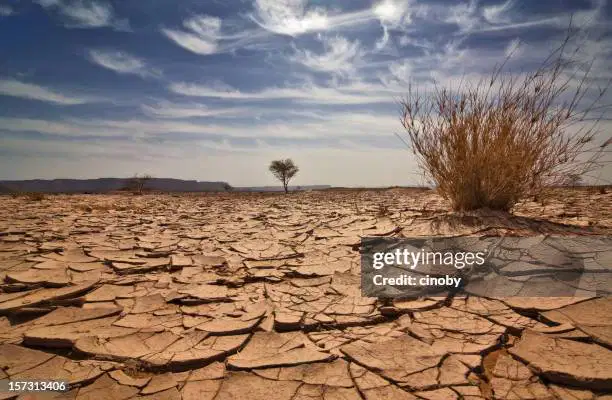
Long period of no water resulting in stress to plants and animals.
a)
Deluge
b)
Drought
c)
Flood
d)
Desert
3.
Water that is safe to drink.
a)
artesian
b)
potable
c)
contaminated
d)
water table
4.

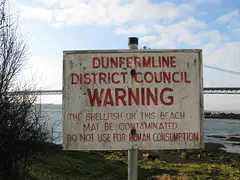
Something that is unclean and not safe to use e.g. polluted water.
a)
infected
b)
contaminated
c)
usable
d)
purified
5.

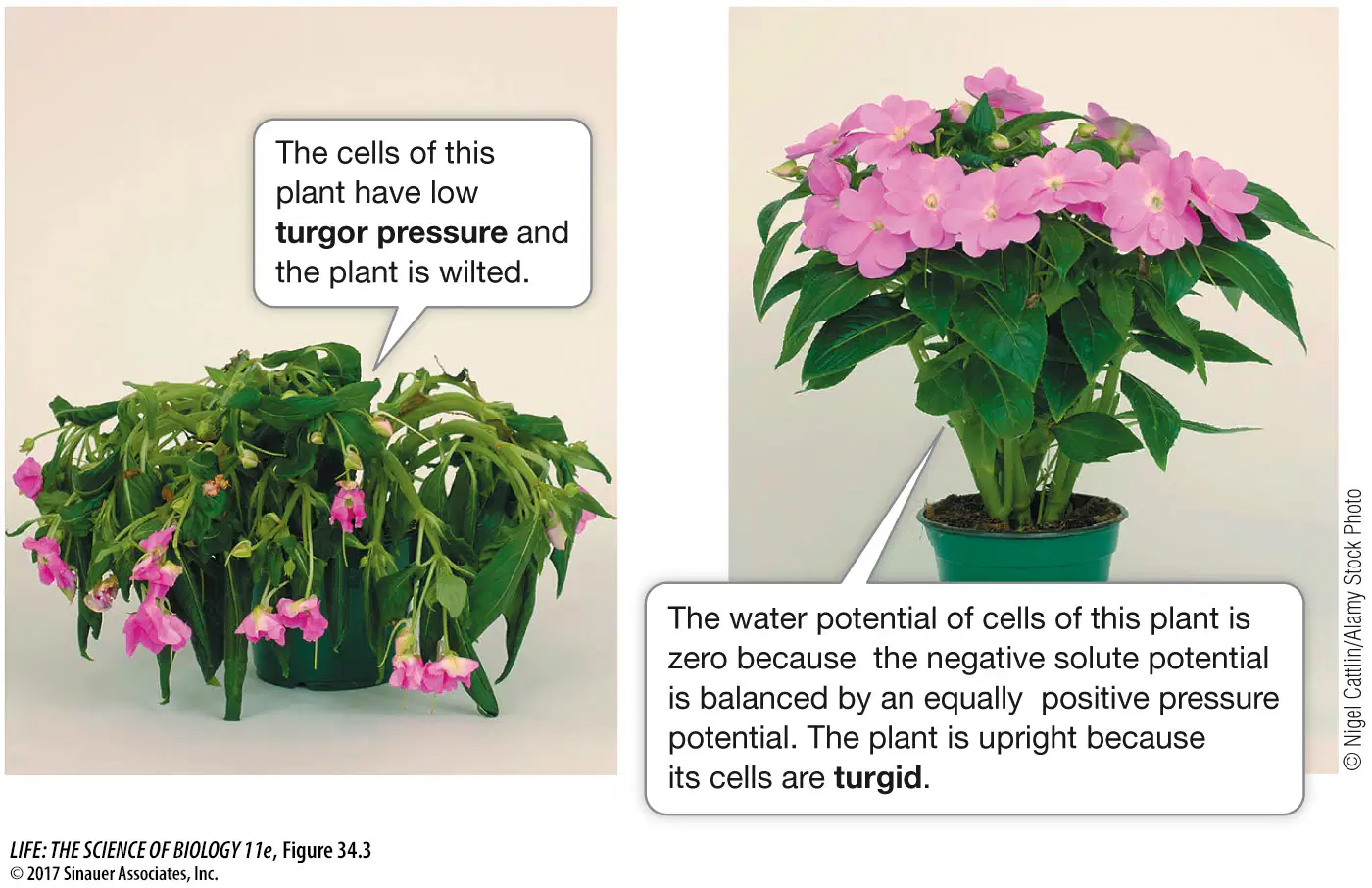
A plant or leaf cell that is swollen with water.

a)

wilted

b)

turgid

c)

frozen

d)

heated

6.

Can be caused by inadequate or infrequent application of water, poor soil, high heat, or intense winds. Sypmtoms include wilting leaves, dry soil, or dry, brown, or dead leaf tips.
a)
frost burn
b)
sun burn
c)
water stress
d)
water table
7.
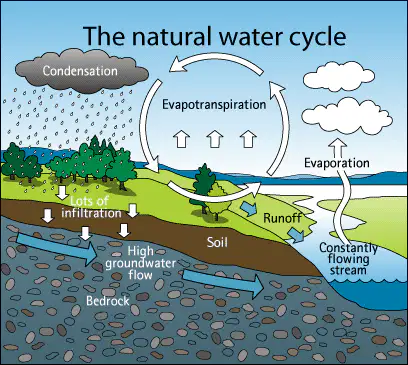
Condensation, evaporation, precipitation, groundwater Infiltration.
a)
parts of the oxygen cycle
b)
parts of the hydrologic cycle
c)
parts of the nitrogen cycle
d)
parts of the carbon dioxide cycle
8.
Water that soaks into the land.
a)
Fertilization
b)
Gestation
c)
Infiltration
d)
Pollination
9.
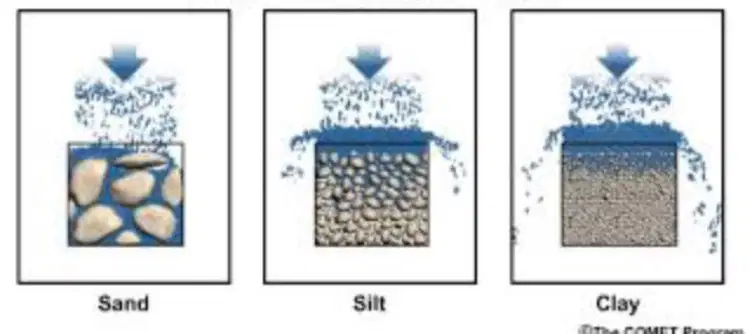
Determines how easy water will drain or evaporate out of the land.
a)
Accessibility
b)
Permeability
c)
Mortality
d)
Avaliability
10.

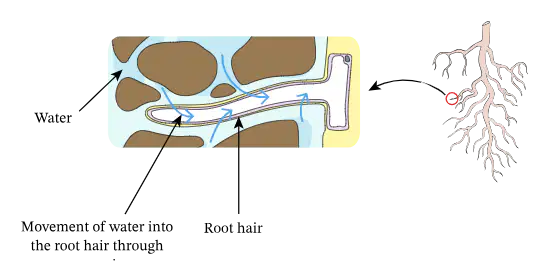
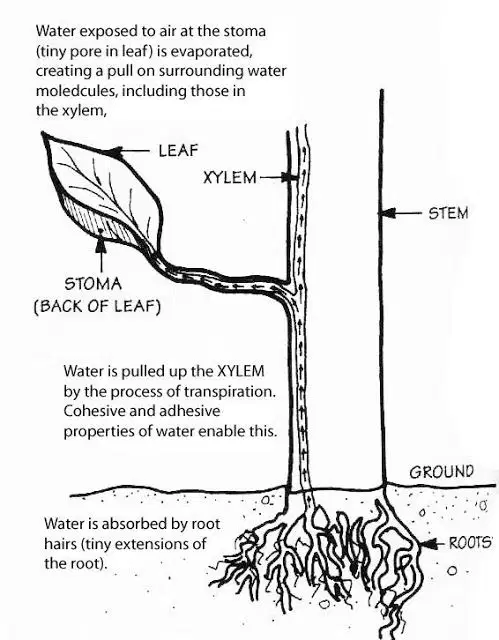
Process by which water moves from an area of high concentration to an area of low concentration through a semipermeable membrane, such as a root hair cell wall.
a)
osmosis
b)
diffusion
c)
active transport
d)
facilitated diffusion
11.
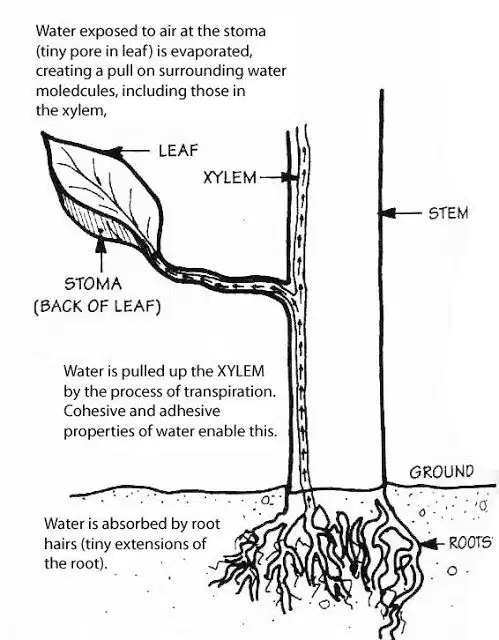
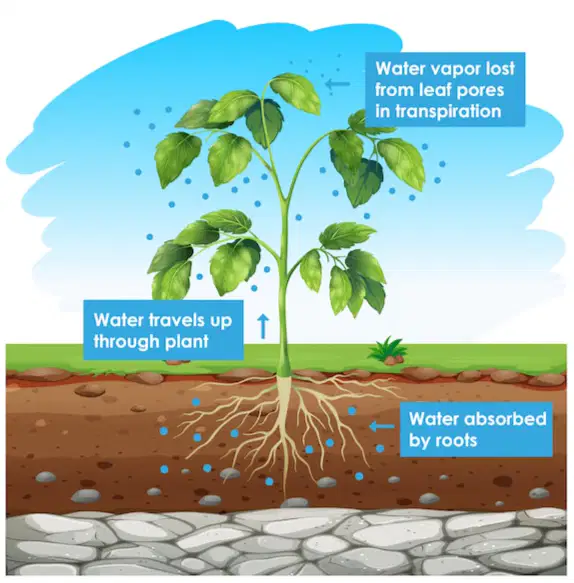
Loss of water vapor to the to the atmosphere through leaves (highest in rainforests).
a)
Evaporation
b)
Photosynthesis
c)
Respiration
d)
Transpiration
12.

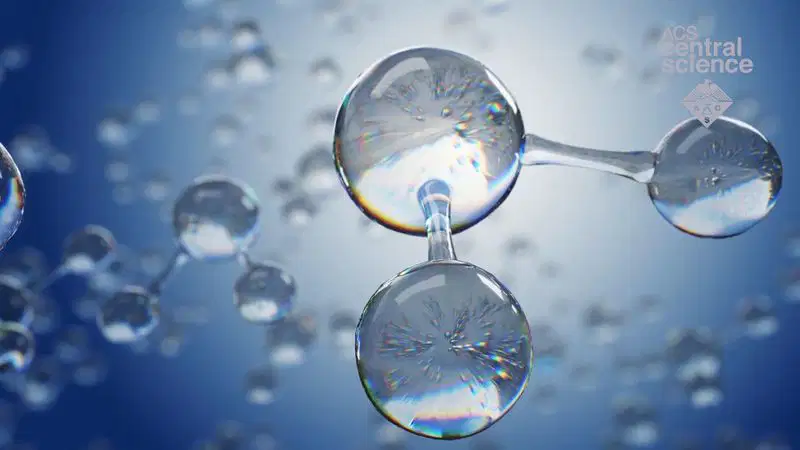
Capillary action is due to the attractive forces between water molecules, and is
a)
a way that photosynthesis travels through a plant
b)
a way that water travels through a plant
c)
a way that fertilizer travels through a plant
d)
a way that sugar travels through a plant
13.
Which elements make up water?
a)
2 hydrogen +2 oxygen
b)
1 hydrogen + 1 oxygen
c)
2 hydrogen + 1 oxygen
d)
1 hydrogen +2 oxygen
14.
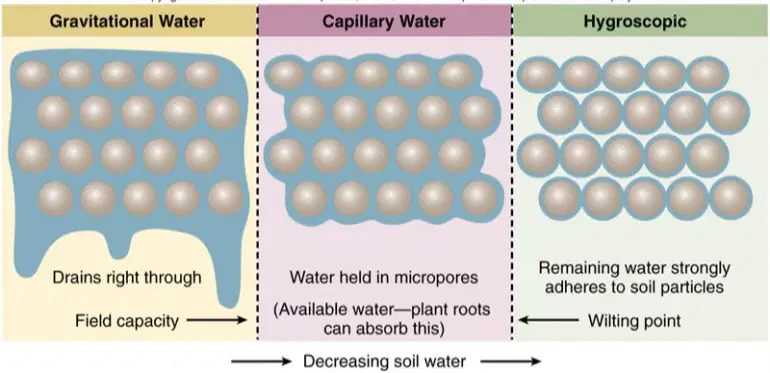
Water held between soil particles by capillary forces (attraction between positive and negative ions). This water IS available for absorption by plant root hairs.
a)
capillary water
b)
gravitational water
c)
hygroscopic water
d)
water table
15.

Water held between soil particles by capillary forces (attraction between positive and negative ions). This water IS available for absorption by plant root hairs.

a)
gravitational
b)
capillary
c)
transpiration
d)
hygroscopic
16.
Soil water held so tightly by sediment particle grains that it is unavailable for plant use.
a)
organic mulch
b)
hygroscopic water
c)
gravitational water
d)
capillary water
17.
Water held at low pressures that will drain freely down through and out of the soil in response to gravity. This water is unavailable to plants.
a)
gravitational water
b)
capillary water
c)
irrigation
d)
hygroscopic water
18.

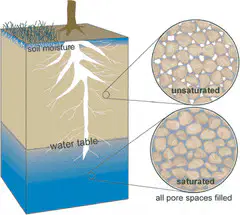
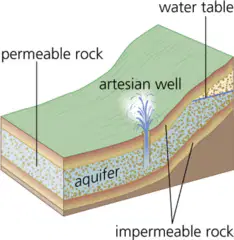
The level below which the ground is saturated with water & separates the zone of saturation from the zone of aeration.

It rises and falls with rainfall.
a)
water stress
b)
water table
c)
potable
d)
watering can
19.
A well in which water rises without a pump because of pressure within the aquifer.
a)
watering can
b)
irrigation
c)
potable
d)
artesian
20.
The water bearing limestone rock formation underlying the our state and supplying most of our fresh water.
a)
Floridan Aquifer
b)
organic mulch
c)
irrigation
d)
flood irrigation
21.

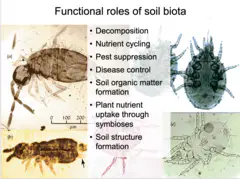
These organisms help the soil retain water by improving the structure of soil, reducing erosion, and increasing water absorption through their movement and digestion.

a)
soil biota: worms, insects, bacteria, fungi, and other organisms
b)
legumes
c)
manure
d)
golden retrievers
22.
Used to cover soil to help hold moisture and heat and prevent weeds. Can also contribute nutrients to the soil as they break down.
a)
rain barrels
b)
water table
c)
inorganic mulch
d)
organic mulch
23.
A way of supplying water to an area of land.
a)
irrigation
b)
drip irrigation
c)
flood irrigation
d)
artesian
24.

How did the southwestern U.S. become agriculturally suitable (arable)?
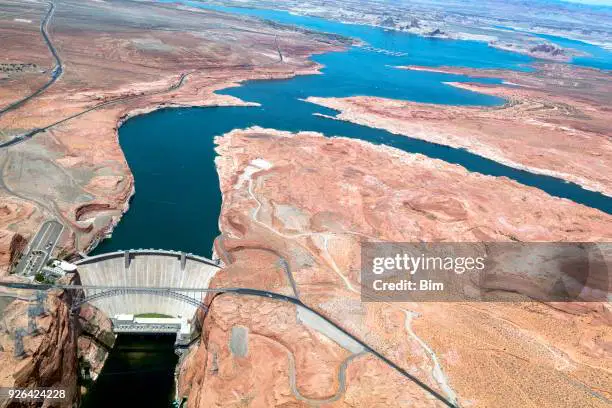
a)
fertilizer
b)
soil amendments
c)
irrigation
d)
N-P-K ratio
25.

What are the environmental costs of farming in the desert?

a)

climate change can make drought worse and decrease the available water

b)

water downstream is greatly reduced and often polluted

c)

people become dependent on an unnatural, and therefore undependable, water source

d)

our food supply becomes more vulnerable

26.
After young plants are established, crops should be watered _____________________. The average amount of water a food crop needs is about 1" of water per week.
a)
daily
b)
2-3 times per week
c)
weekly
d)
monthly
27.
A BMP that reduces runoff and pollution by catching the water under the gutter to use for irrigation. (BMP = Best Management Practice:)
a)
water stress
b)
water table
c)
watering can
d)
rain barrels
28.
A container with a handle and a spout with a perforated nozzle used to water plants.
a)
water table
b)
rain barrel
c)
water stress
d)
watering can
29.
When water is piped to one or more central locations and distributed by overhead high pressure sprinklers or guns.
a)
overhead spray irrigation
b)
center pivot irrigation
c)
drip irrigation
d)
lateral move irrigation
30.
When water is piped underground, typically through lawns, to pop up sprinkler heads that are programmed to come on automatically.
a)
overhead spray irrigation
b)
hygroscopic water
c)
underground sprinkler systems
d)
lateral move irrigation
31.
When water is poured through canals and waterways so that it flows through fields
a)
flood irrigation
b)
center pivot irrigation
c)
drip irrigation
d)
lateral move irrigation
32.
A huge series of wheels pushed along the field by water pressure to water crops.
a)
drip irrigation
b)
lateral move irrigation
c)
flood irrigation
d)
center pivot irrigation
33.
Type of irrigation with long rows of overhead sprinklers moving in a circular pattern around a field. It waters crops using sprinkler systems hung on huge turning wheels around a central point. Can be seen as huge crop circles on flights aver agricultural areas.
a)
lateral move irrigation
b)
center pivot irrigation
c)
flood irrigation
d)
drip irrigation
34.

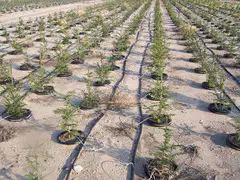
Irrigation system that conserves the most water and puts it right where the plant needs it the most. It uses small pipes that slowly drip water just above ground directly to each plant to conserve water to use for crops.

a)
irrigation
b)
center pivot irrigation
c)
flood irrigation
d)
drip irrigation