
 Worksheets
Grade 9 Reviewer Sem 1
Total questions: 99
Worksheet time: 1hrs 26mins
What is the process of respiration?
Breathing in to get oxygen
The release of energy from food
The production of energy by the body itself
Oxygen transfer
What substance do we need to breathe in?
Water
Carbon dioxide
Oxygen
Carbon monoxide
What substance do we need to breathe out?
Water
Carbon dioxide
Oxygen
Carbon monoxide

carbon dioxide + water --> oxygen + glucose
oxygen + glucose --> carbon dioxide + water + Energy
What is the name for the microscopic air sacs at the end of the bronchioles?
alveoli
ravioli
When air is pushed OUT of the lungs, what is the correct order for the tubes it passes through?
bronchiole -> bronchi -> trachea -> nose
bronchi -> bronchiole -> trachea -> nose
trachea-> bronchi -> bronchiole-> nose
What muscles are used in breathing in
diaphragm and intercostals
diaphragm and lungs
Abdominals

Which one of these is NOT a function of the alveoli?
Warm air as it is breathed in
Transfer carbon dioxide
Gas exchange
Transfer oxygen
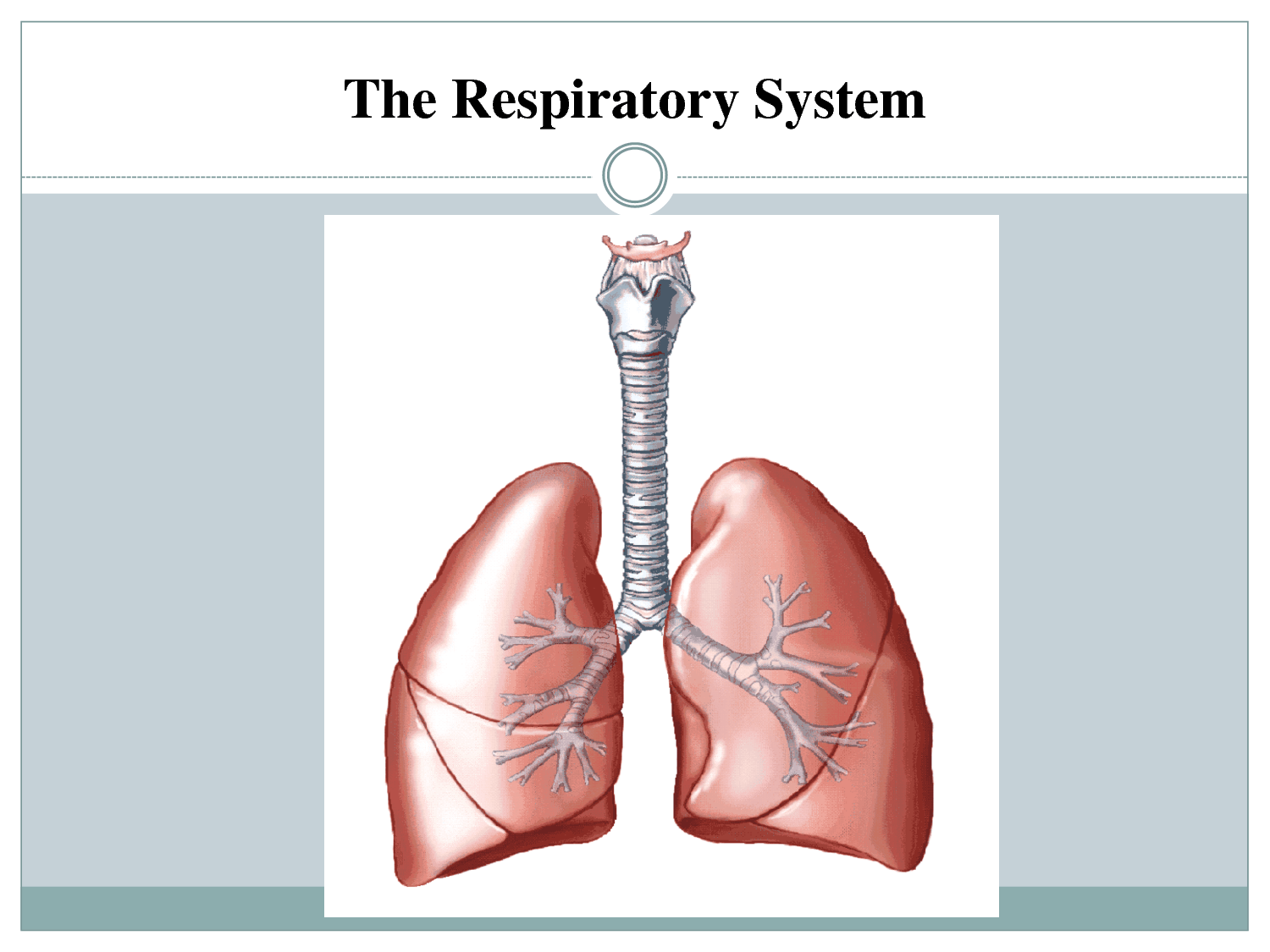

How does an increase in lung volume lead to air entering the lungs?
Produces higher pressure
Produces lower pressure
Breathing out; exhalation of breath.
Inspiration
Expiration
The muscle that must contract for respiration to occur
diaphragm
pectoralis major
rectus abdominis
sternocleidomastoid

Which of the following shows what happens to the chest cavity when air rushes into the lungs?
decrease in volume
deflates
expands
relaxes
During exhalation, what will happen to these respiratory organs?
Diaphragm moves downward and flatten
Rib cage moves upwards and outwards
intercostal muscles relax
Intercostal muscles contract
The composition of the oxygen in inspired air is ...
21%
16%
4%
0.04%
The composition of inspired air
it has more oxygen, less carbon dioxide, less water vapour
it has more oxygen, more carbon dioxide, more water vapour
it has more oxygen, less carbon dioxide, more water vapour
It has less oxygen, more carbon dioxide, less water vapour
The composition of expired air
it has more oxygen, less carbon dioxide, less water vapour
it has more oxygen, more carbon dioxide, more water vapour
it has more oxygen, less carbon dioxide, more water vapour
It has less oxygen, more carbon dioxide, more water vapour
What are the tiny air sacs on the surface of the lungs?
Alveolus
Capillaries
A-Levels
Alveoli
Exchange of gases takes place in the ___________ part of the lungs
Bronchi
Bronchiole
Alveoli


Gas exchange is needed to supply _____________ to cells and remove __________________ from cells. Hint: look under ALVEOLI in your notes.
carbon dioxide; oxygen
oxygen; food
oxygen; carbon dioxide
carbon dioxide; water
Which of the following are features of the alveoli that adapt them to gas exchange?
I. High surface area
II. Thin walls
III. Dry surfaces
I and II only
I only
II and III
I, II, and III
Given the following structures:
1. alveoli
2. bronchi
3. bronchioles
Which of the following is the correct order in which air would flow after inhalation?
1,2,3
2,1,3
2,3,1
3,2,1
What adaptations does the alveoli have for efficient gas exchange?
thick walls
thin walls
small surface area
what is found around alveoli?
capillaries
pleura
lymphatic nodes
saliva
1. larynx
2. nasal cavity
3. pharynx
4. trachea
Which of the following is the correct order that air would flow during inhalation.
What is the name of the movement of oxygen in and carbon dioxide out of the body.
transpiration
respiration
digestion
ventilation
All gas exchange systems have...
large surface areas
small surface areas
Gas exchange is needed to supply _____________ to cells and remove __________________
carbon dioxide; oxygen
oxygen; food
oxygen; carbon dioxide
carbon dioxide; water

Recall two important features of the alveolar wall for gas exchange to occur. Select All correct options.
It is thick
It is thin
It is moist
It is dry
The lining of the nasal cavity is covered with a thin film of mucus. What is the importance of the mucus?
It warms up the inhaled air.
It helps remove dust from the incoming air.
It lubricates the passage of air into the respiratory trac.
It helps dissolve oxygen in the inhaled air for gas exchange.
What are the after-effects of smoking?
Fainting
Stroke
Becoming sad
Stomach cancer
What does carcinogenic mean?
Cancer causing
Deadly
Life-threatening
Extremely dangerous
What is tar?
An addictive substance
A brown colour carcinogenic substance
A type of ciggarate
Helps to stop addiction to smoking
Nicotine is a ____________.
drug
stimulant
cancer
gateway
Which blood vessel returns blood to the heart?
arteries
veins
capillaries
coronary arteries
Which blood vessel has the thickest wall?
veins
artery
capillary
tunica externa
What is one things that veins have that arteries don't?
many elastic fibers in walls
corrugated inner surface
thick walls
valves preventing backflow

Which substances are dissolved in human blood plasma?
A
B
C
D

Which chamber of the heart has the thickest muscle wall?
A
B
C
D

Before blood in W reaches Z it must
A
B
C
D

Which blood vessel has a high carbon dioxide concentration, a low oxygen concentration and a high blood pressure?
A
B
C
D

Which part pumps blood to the aorta?
A
B
C
D

Which statement is correct for most veins in the human body?
A
B
C
D

Which component causes the blood to start clotting?
A
B
C
D

What is the correct order for the stages after stage P?
A
B
C
D

What is the correct sequence for blood being pumped from the heart to the lungs?
A
B
C
D

Why is the circulatory system of mammals described as a double circulation?
A
B
C
D

Which substance is transported by haemoglobin?
A
B
C
D

In which list do all three blood vessels carry oxygenated blood?
A
B
C
D

In a person with a low platelet level, which process is slower than normal?
A
B
C
D

Which letter on the graph is at a time when the person is doing this exercise?
A
B
C
D

Which diagram shows the human double circulatory system?
A
B
C
D

Which identifies parts P, Q, R and S of the blood?
A
B
C
D

Through which chamber does oxygenated blood enter after leaving the lungs?
Left ventricle
Right ventricle
Left atrium
What is the function of white blood cells?
transport oxygen
fight against infection
clotting
all the above
Pulmonary artery carries what type of blood
Oxygenated
mixed
pure blood
Deoxygenated
Human heart has -----------chambers
3
2
4
1
A substance that can be hammered into sheets or is bendable.
malleable
brittle
insulator
shiny
A substance that breaks into pieces.
Brittle
Malleable
Conductor
Dull
How well a substance allows heat or electricity to flow through it.
Malleablility
Conductivity
Luster
Ductile
A substance that does NOT allow heat or electricity to flow through it.
Insulator
Conductor
Semiconductor
Magnetic


Elements in the shaded area can best be described as -
Semi-conductors
Insulators
Ductile
Siny

I can be drawn into wires
Malleable
Ductile
Luster
Conductor

Which of these elements is a metalloid?
Antimony (Sb)
Aluminum (Al)
Bismuith (Bi)
Oxygen (O)
You found an element that has a high luster, is a poor conductor of electricity, has a high melting point, and doesn't react with acid. The substance you found is most likely a
Metal
Non-Metal
Metalloid

By looking at the element illustrated here, how might you classify it by appearance?
Metal
Non-Metal
Metalloid

According to the Periodic Table, which of the following elements would NOT be considered a metalloid?
Silicon
Antimony
Carbon
Metalloids are found
along the staircase (zig-zag line) on the Periodic Table
on the right side of the Periodic Table
on the left side of the Periodic Table
Metals create _________ ions, because they give away (lose) electrons.
positive
negative
neutral
You've discovered a new element that does not conduct electricity, has a dull appearance, has a low melting point, and does not react with acid or Copper II chloride (CuCl2). How would you classify this element?
Non-Metal
Metalloid
Metal
What is the product at the negative electrode in the electrolysis of Copper sulfate solution
Copper
Iodine
Hydrogen
Oxygen
When diluted sodium chloride solution is electrolysed what was produced in the negative electrode?
What is produced when magnesium reacts with water?
Magnesium chloride
What happens when iron reacts with dilute hydrochloric acid?
Iron chloride + water
Iron chloride + hydrogen
Iron hydroxide + hydrogen
Iron oxide
What is produced when sodium reacts with steam?
Sodium oxide and hydrogen gas
Sodium hydroxide and hydrogen gas
Sodium hydroxide and oxygen gas
Sodium oxide and oxygen gas
When metal reacts with steam the products are...

