
 Worksheets
Energy Test Prep
Total questions: 48
Worksheet time: 34mins
Which of the following statements is true regarding energy?
Energy cannot be created or destroyed, but can be transformed.
Energy is a finite resource and can run out.
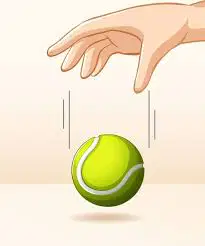
Which statement is true regarding the total amount of energy in the ball as it moves?

The waterfall in this image moves a large amount of water downward and crashes against the bottom where rocks are located. Which of the following describes the transformation of energy as the water moves?
Potential energy transforms into kinetic energy as the water moves downward, then into sound energy which is heard.
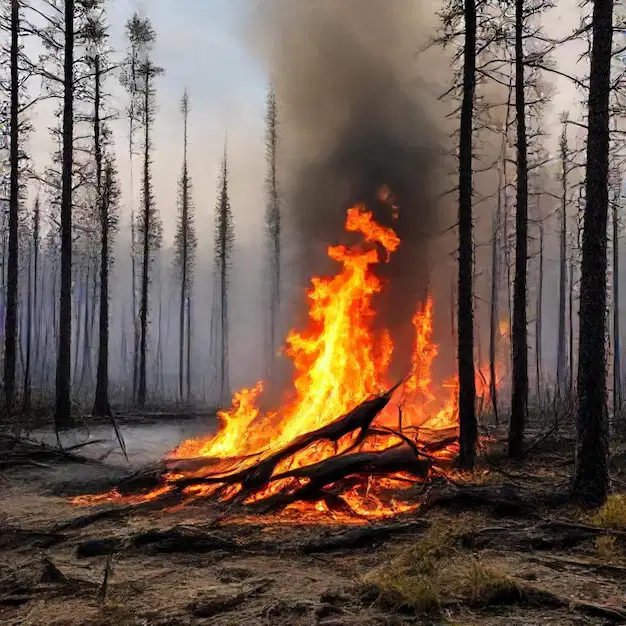
Which answer describes the energy transformation taking place in the image?
Kinetic energy from the flames are slowing down in to potential energy.
Electrical energy causes the flames to move and it is converted into sound energy.
Chemical energy from the wood is being released in the form of thermal and light energy.
Energy cannot be transformed
(a) energy is the energy of motion
(a) Energy is at rest
Energy is (a) as a ball is thrown up in to the air and it comes back down.
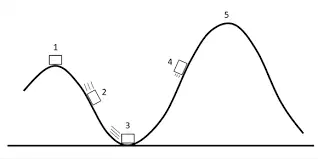
Which of the following describes the change in potential energy as the cart leaves position 1?
The potential energy will decrease
The potential energy will increase
The potential energy is at it's maximum
The potential energy is at 0
Which of the following describes the potential energy at position 2?
The potential energy is decreasing
The potential energy is increasing
The potential energy is at it's maximum
The potential energy is at 0
Which of the following describes the potential energy at position 3?
The potential energy is decreasing
The potential energy is increasing
The potential energy is at it's maximum
The potential energy is at it's minimum (not 0)
Which of the following describes the potential energy at position 3?
The potential energy is decreasing
The potential energy is increasing
The potential energy is at it's maximum
The potential energy is at 0
Which of the following describes the potential energy at position 4?
The potential energy is decreasing
The potential energy is increasing
The potential energy is at it's maximum
The potential energy is at 0
Which of the following describes the potential energy at position 5?
The potential energy is decreasing
The potential energy is increasing
The potential energy is at it's maximum
The potential energy is at 0
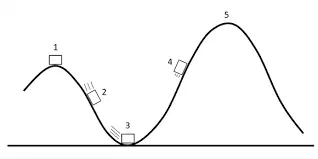
Which answer describes the kinetic energy at position 1, before it starts moving?
Kinetic energy is at it's lowest
Kinetic energy is at it's highest
Kinetic energy is decreasing
Kinetic energy is increasing
Which answer describes the kinetic energy at position 2, as it moves down the hill?
Kinetic energy is at it's lowest
Kinetic energy is at it's highest
Kinetic energy is decreasing
Kinetic energy is increasing
Which answer describes the kinetic energy at position 3, as it moves down the hill?
Kinetic energy is at it's lowest
Kinetic energy is at it's highest
Kinetic energy is decreasing
Kinetic energy is increasing
Which answer describes the kinetic energy at position 4, as it moves up the hill?
Kinetic energy is at it's lowest
Kinetic energy is at it's highest
Kinetic energy is decreasing
Kinetic energy is increasing
Which position has the most potential energy?
1
2
3
4
5
Which position has the most kinetic energy?
1
2
3
4
5

The boombox uses electrical currents to cause the speakers to vibrate, which can generally be heard in the form of music. Which answer choice effectively describes the energy transformation?
Light-Thermal-Sound
Electrical-Mechanical-Sound
Thermal-Light-Potential
Electrical-Light-Sound

When you flip a switch to a lightbulb it turns on and it gets really hot. Which answer choice describes this energy transformation?
Electrical energy is transformed into light and thermal energy
Chemical energy is transformed into cosmic and solar energy
Electrical energy is transformed into pure sound energy
Energy is not being transformed because that breaks the laws of physics.

When a car is driving, it's tires make contact with the road. Which answer describes the transformation of energy due to friction?
Chemical to radiant
Mechanical energy is converted into thermal energy, slowing it down
Mechanical energy is converted into thermal energy, speeding the car up
Friction speeds up the car by making the tires spin faster.
Which type of energy increases with height?
Which answer choice describes the attraction of molecules as an object heats up?
Molecules move apart as they gain energy and become weaker.
When a solid becomes a liquid, the attraction between the molecules becomes _________.

The glow sticks produce light for a short amount of time. The light from the glow stick is a conversion from what to what?
thermal to light
gravitational to potential
radiant to electrical
chemical to light
Energy cannot be (a)
Energy can be (a)
Which state of matter has the least energy?
Which state of matter has the most energy?
Which state of matter has the least energy?
The higher the energy, the (a) the particles move.
The lower the energy, the (a) the particles move.
(a) is the transfer of heat/energy between objects that are touching.
(a) is the transfer of heat/energy due to higher or levels of density; hot rises and cool sinks.
(a) is the transfer of heat/energy through waves.
37.
Answer the questions below after watching the video
Which answer describes convection the best?
Convection is the transfer of heat through the movement of fluids and gases through density.
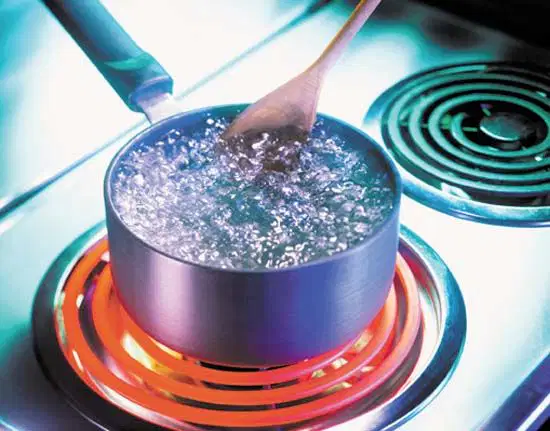
Water boiling in a pot, causing hot water to bubble up and cool water to sink is an example of...
What is the dependent variable?
What is an independent variable?
Water boiling is an example of an....
Increase in energy
Decrease in energy
Liquid turning into a gas is an...
increase in energy
decrease in energy
Which answer describes heat flow?
Heat flow is the transfer of thermal energy from due to temperature differences.
The object that transfers heat has a ______ temperature.
Heat is transferred until __________ is reached.
Objects that retain heat are known as...
Temperature is generally measured in....
Celsius
If an object retains heat for a longer period of time, it is a better....

