
 Worksheets
7th Grade Nutrition & Wellness / Culinary End of Unit
Total questions: 73
Worksheet time: 45mins
Exercise can help you
physically
mentally
emotionally
all of the above
Sleep: (check all that are true)
helps your physical health
helps your mental health
makes you smarter
teenagers should get 10 hours of it
will make you smell better

The current nutrition guide published by the United States Department of Agriculture, a food circle (i.e. a pie chart) depicting a place setting with a plate and glass divided into five food groups.
My Food Pyramid
Healthy Plate
My Plate
USD Guidelines
A substance in food that is important for the body's growth and maintenance.
carbs
nutrient
cholesterol
fiber
What is a calorie?
A unit that measures the energy used by the body and the energy that food supplies to the body.
how much fat is in a food
the weight of the food divided by the sugars
energy
sugars in food like candy, juices, cakes, etc. Already a sugar... (ose)
complex carb
simple carb

Starches found in grains, potatoes, and vegetables (your body has to turn it into sugar - glucose)
complex carbs
simple carbs

Saturated Fats
A fat that is liquid at room temperature and found in vegetable oils, nuts, and seeds.
A fat that is solid at room temperature and found in animal fats, lards, and dairy products.
The waxy substance contained in saturated animal fats.

Any starch or sugar that provides the body with energy.
Carbohydrates
Proteins
Vitamins
Minerals
A type of nutrient that is needed to build, repair, and maintain body cells and tissues.
Carbohydrates
Proteins
Vitamins
Minerals
Most essential nutrient
protein
carbs
fat
water
Which of the following best describes the term wellness?
A doctor’s verification that a person is healthy.
A person’s being content with his or her appearance, lifestyle, and mental outlook.
A physical state that comes from following a diet plan that includes only healthful foods.
A state of being in good health.
Which dimension of health focuses on exercise, nutrition, avoiding diseases and injuries?
Social
Physical
Financial
Emotional
Eating junk food can lead to health problems, such as:
obesity, diabetes, and clogged arteries
cavities, a strong heart, and strong muscles
being underweight, diabetes, and heart attacks
What we eat may affect our mood
True
False
What is "Nutrition"
Putting yourself on a diet.
Science that investigates the relationship between what we eat and how the body functions.
A an organic substance that is essential for growth and development
MyPlate
Which nutrient provides the "quickest" source of energy for the body?
vitamins
proteins
fats
carbohydrates

Teens should be eating a lot of what kind of foods?
Fast Food
Grain Foods
Nutrient Dense Food
Empty Calorie Foods

What are the 5 groups on MyPlate?
Dairy, Fruit, Protein, Vegetables, & Grains
Fruit, Vegetables, Sugar, Oil, Rice
Meat, Rice, Potatoes, Fruit, Vegetables
Which nutrient helps to build and repair body tissues?
carbohydrates
fats
proteins
minerals
Which of the following are examples of unsaturated or good fats:
Cheese, steak and Chicken
Butter, Whole Milk, Pork Tenderloin
Salmon, Avocados and Almonds
Soda, Cheeseburger and French Fries
Which of the following foods would likely contain the most vitamins and minerals?
Grains
Meats
Dairy
Fruits
On the Nutrition Facts panel (food label) a guideline to follow when reading percent daily values is the _____/_____ rule.
20/30
15/25
10/20
5/20

Salt is also known as.... (Limit your amount of salt intake each day to prevent heart disease.)
Sugar
Sodium
Lodium
Rodium

What measures energy in food?
Calories
Ruler
Thermometer
Food label
MyPlate used to be called the Food Guide Pyramid.
True
False

where digestion begins
chemical digestion
mouth
mechanical digestion

physical breakdown of food
chemical digestion
esophagus
mechanical digestion

breaking down food with enzymes
chemical digestion
esophagus
peristalsis

tube connecting the mouth to the stomach
stomach
esophagus
peristalsis

large muscular sac that continues the mechanical and chemical digestion of food
stomach
small intestine
liver
large muscular sac that continues the mechanical and chemical digestion of food
stomach
small intestine
liver

Digestive organ where most chemical digestion and absorption of food takes place
pancreas
small intestine
liver

produces bile to break up fat particles
pancreas
large intestine
liver
produces bile to break up fat particles
pancreas
large intestine
liver

produces enzymes for the small intestine that help break down starches, proteins, and fats
pancreas
large intestine
liver
produces enzymes for the small intestine that help break down starches, proteins, and fats
pancreas
large intestine
liver

absorbs water into bloodstream
gall bladder
large intestine
liver
Why do we need food to break apart the food we eat?
So it can fit into our stomachs
So our bodies can use the nutrients from the food
So liquids can be separated from solids
So that our bodies' enzymes have something to do.
Place the following events in sequence: A) Food enters your large intestines
B) Food enters your small intestines
C) Food enters your esophagus
A, B, C
C, B, A
C, A, B
B, A, C
What might happen if your large intestine did not absorb water from chyme?
You couldn't digest food.
You wouldn't be able to go to the bathroom.
You would become dehydrated.
Solid waste would not be able to move throughout the digestive system
How much Mire Poix (onion, carrot, celery) is required?
12 OZ
10 OZ
8 OZ
6 OZ
What type of cut should be used for the clove of garlic?
julienne
Mince
Chop
1/4 Inch Dice
What size should a Julienne be cut (width)?
1/16 Inch
1/2 Inch
1/4 Inch
1/8 Inch
To what size should the tomato be Diced?
1/4 Inch
1/8 Inch
1/2 Inch
1/16 Inch
Where should you place the tomato once it is removed from the boiling water?
A Bowl
On the table until cooled
Refrigerator
Ice Bath
What are to 2 types of knives you will need?
Chefs knife and paring knive
Chefs knife and tomato knife
Wichever knives Chef says on test day
Chef knife and small knife
To display the finished cuts you will need a half sheet pan covered with what?
Construction Paper
Kitchen Paper
Plastic Wrap
Parchment Paper
You will need a Vegetable Peeler on your station for this test
True
False
What do I use to make sure the Cutting Board dosen't slide?
Parchment Paper
Rubber mat(s)
Put pressure on it with your hand as you cut.
Nothing (cutting boards dont move very much)
How much time do you have to complete the test?
1 Hour
45 Minutes
25 Minutes
30 Minutes
What vegetables make up Mire Poix? (there are multipe answers)
Celery
Onion
Zucchni
Tomato
Carrot
On what vegetable will you be using the Julienne cut?
Carrot
Celery
Tomato
Zucchni
How much garlic will you mince?
However much I need to pass the test
2 Cloves
1 Clove
1 Head
How long can food stay in the danger zone (40-140 degrees) before you should throw it away?
2 hours
1 hour
4 hours
3 hours
Identify the term used to describe harmful bacteria spreading from raw foods to other foods.
cross-contamination
parallel-contamination
When preparing a new recipe, do this first
preheat oven
gather ingredients
gather equipment
carefully read the recipe through
Measure 2/3 cup sugar with:
liquid measure cup
dry measure cup
measuring spoons
You should wash your hands with soap and hot water for 15 seconds.
True
False
What method should never be used to thaw food?
in the fridge over night
on the counter over night
in cold running water
the microwave
To set the oven to cooking temperature in advance, so that it has time to reach the desired temperature by the start of cooking.
Broil
Preheat
Bake
Simmer

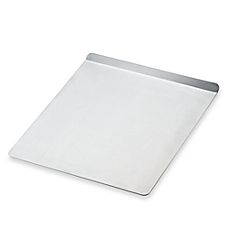


What is the proper name of this piece of kitchen equipment?
ladle
soup spoon
ladel
lable

What is the proper name of this piece of kitchen equipment?
Peeler
Potato cutter
potato peeler
cutter

I am used to put sauces on food
Pastry blender
Paint Brush
Pastry Brush
Rubber Brush

The following is a picture of what?
grater
sifter
strainer
colander


