
Font size
 Worksheets
Topic 3 Ancient Egypt Final Test 2025-2026
Total questions: 44
Worksheet time: 53mins
Let's start with a review of Topic 2: Click on Mesopotamia.
Next, archaeologists locate Egypt on the map. HINT: We did this in class with the laser pointer several times, so this should be really easy.
Match the following
Ancient Egypt River(s)
The Nile River
Mesopotamia River(s)
Tigris and Euphrates River
Egyptian Kings
Pharaohs
Modern-day Mesopotamia
Iraq

The Nile River flows in what direction?
North to South
South to North
East to West
West to East
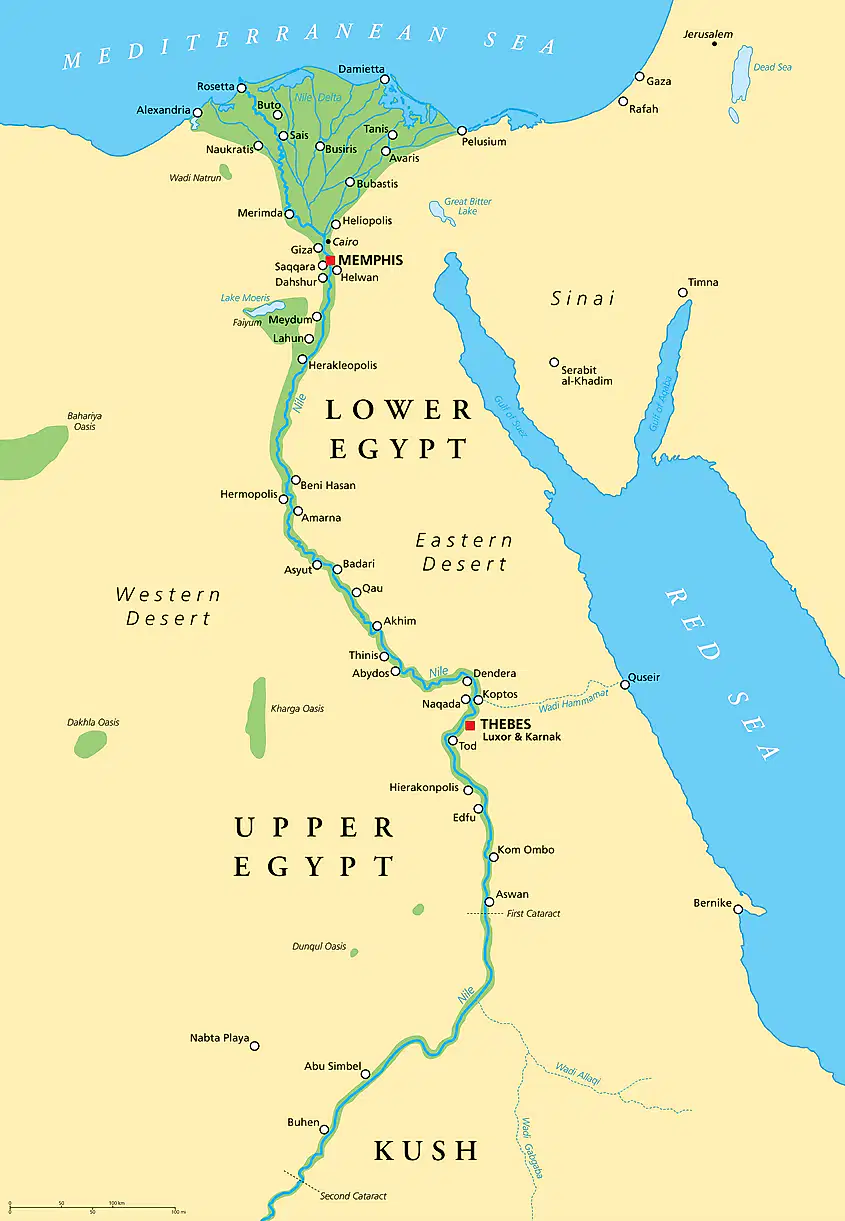
The Nile River is the __________ river in the world.
shortest
deepest
longest
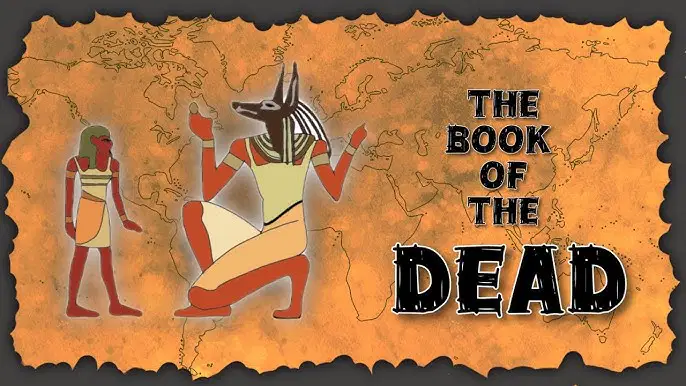
The (a) was like an ancient Egyptian survival guide for the (b) ! Instead of being a single book, it was a collection of magical spells, prayers, and instructions written on (c) scrolls and tucked into tombs. Anubis is shown in this picture preparing a person for the afterlife.
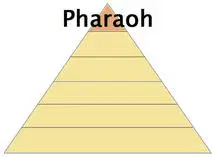

This royal symbol is called a(n) ____.
sceptor
amulet
crook and flail
ankh

Which region of Egypt is circled on the map? HINT: The Nile River flows north into the Mediterranean Sea.
Upper Egypt
Lower Egypt

This picture shows the (a) .

A (a) is a ruling family in Ancient Egypt.

What royal Egyptian symbols are shown in the picture?
Hook and Ladder
Sceptor and Amulet
Crook and Flail
Ankh and Postiche
Tomb of pharaoh Khufu
Built in the Old Kingdom, 2750 BCE
Made of 2.3 million blocks
Each block weighs 2.5 tons
482 feet tall
Each side is 755 feet long
Only ancient wonder of the world still standing today
The Great Pyramid
The Hanging Gardens
The Scepter of Osiris
The Weighing of the Heart Scale

What flower did the Egyptians use to symbolize the Nile River (and the Nile Delta)?
The Dandelion
The Red Rose
The Tulip
The Lotus Flower

The last pharaoh of Egypt. Some archaeologists believe she may have killed herself with a poisonous snake.
Hatshepsut
Cleopatra
Khafre
Caesar

He became pharaoh at age 9 and died at age 18. His tomb was discovered untouched by Howard Carter a famous archaeologist. Some archaeologists believe that he may have been murdered.
Tutankhamen (AKA King Tut)
Ramses the Great
Khufu
Hatshepsut
Match the following Egyptian deities (gods and goddesses).
Osiris
God of the underworld; judge of the dead
Horus
God of the sky; son of Osiris and Isis
Amun-Re or Ra
The Sun God; king of the gods
Ma'at
Goddess of truth and justice
Thoth
Scribe god; god of wisdom and knowledge

This discovery helped crack the code of Egyptian hieroglyphics.
The Magnesium Stone
The Viking Stone
The Scribe Stone
The Rosetta Stone

The Egyptian god of embalming and mummification. This Egyptian god is often seen holding the scales during the weighing of the heart ceremony.
Osiris
Isis
Ra or Amun-Re
Anubis
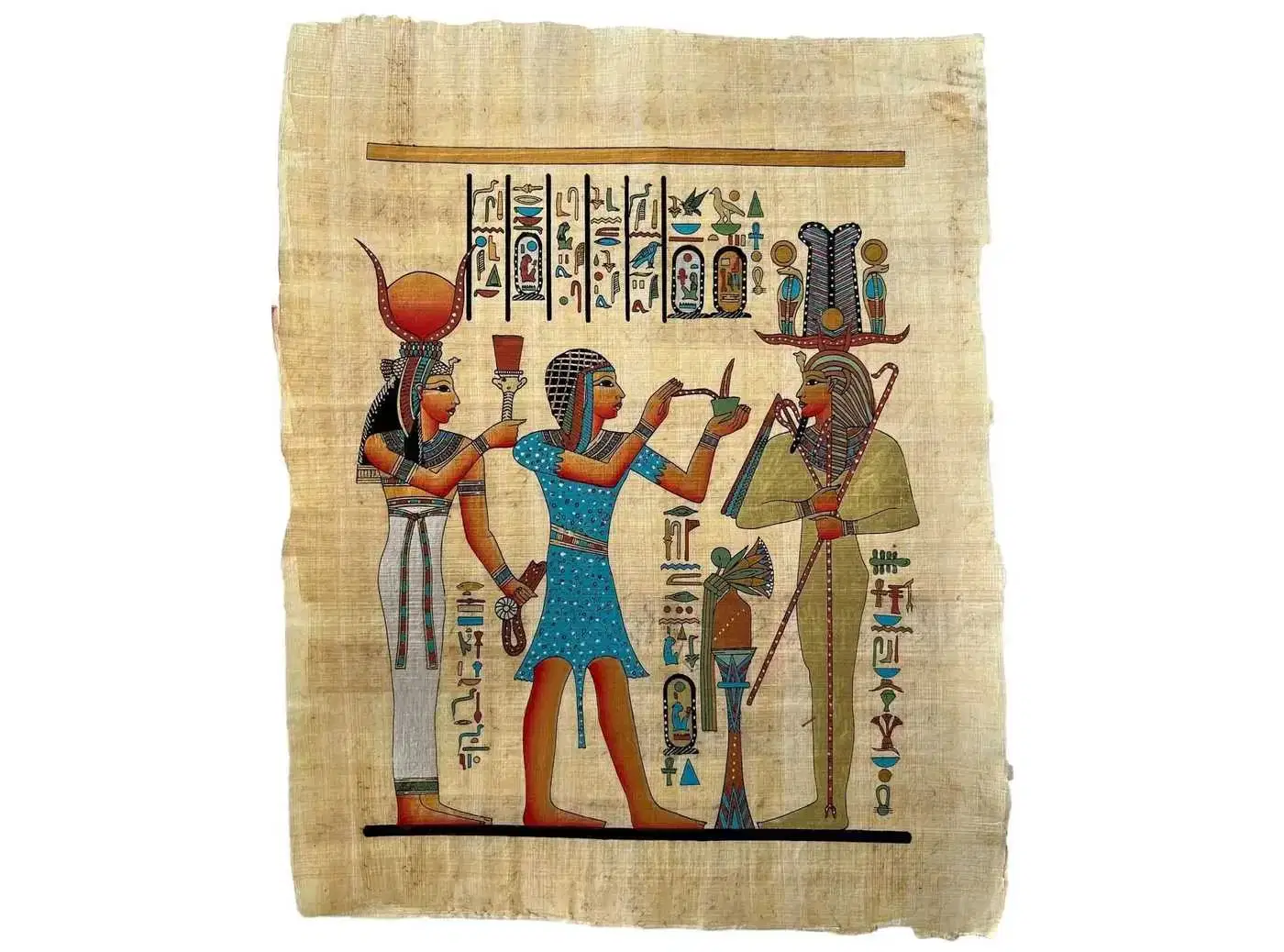
Grown along the banks of the (a) River, the Egyptians used (b) reeds to make paper that they wrote on.
The ancient Egyptians believed that it was important for a dead person to look as much as possible like a (a) person. This would help the (b) or spirit of the dead person to live again after death. So they invented the science of (c) . This involved drying the body and (d) it in layers of bandages. The mummy was then placed in a (e) sometimes called a sarcophagus.

During the process of mummification, the Egyptian embalmers would place the internal organs of the deceased person in _______ jars. The organs that were placed in these jars were the liver, the intestines, the lungs, and the stomach.
canopic
candy
pyramid
papyrus
23-26.
Answer the questions below after watching the video
The ancient Egyptians depended upon the (a) River to exist as a civilization.
What is a civilization?
A nomadic tribe of hunters and gatherers.
A democracy in Ancient Greece.
A city-state ruled by an emperor.
An advanced society with organization and structure.
The Egyptians believed that _____________ would help prepare a deceased person for the afterlife. The body would be carefully preserved, dried with natron, and wrapped in several layers of bandages during this process.
pyramid-building
Swimming in the Nile
mummification
being a scribe
True or False: All of the early civilizations were near rivers?
True
False

Egypt is known as (a) because it gave the civilization water and farming = life. This the nickname of ancient Egypt. HINT: This was in the Gimkit and Blooket games we played in class.

A large stone coffin used for Egyptian pharaohs or royalty. HINT: This was in the Gimkit and Blooket games that we played in class to review.
The Sarcophagus
The Main Mortuary
The Great Pyramid Case
The Osiris Suitcase
A skilled crafts-person; this was in the Gimkit and Blookets we played in class while we were learning all about Ancient Egypt.
artisan
scribe
pharaoh
priest
Chemical (salt) used in mummification; helps dry out the body for preservation. HINT: This term was in the Gimkit and Blooket games we used in class to study Ancient Egypt.
citron
natron
black dye
amulet salt
Soil and rock carried and deposited by a river which then provided fertile soil for farming. HINT: This term was in the Blooket and Gimkit games we played in class to study Ancient Egypt.
Silt
Guild
Plunder
Natron
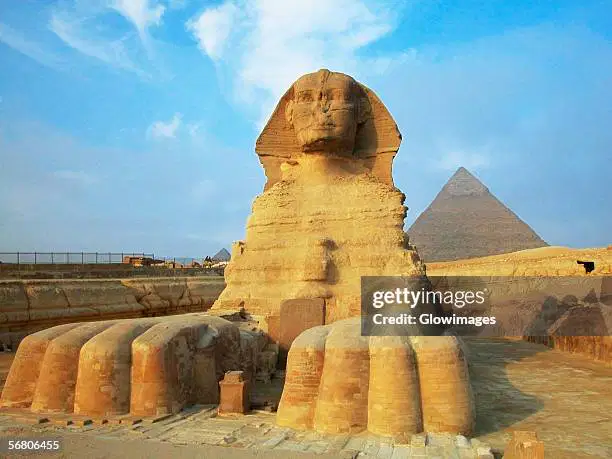
What is the name of this mythological creature?
A mythological creature with the head of a pharaoh, human, ram, or falcon and the body of a lion.
There is a sculpture/statue of one near the Great Pyramid in Egypt.
In Ancient Greek mythology, this creature might also have a serpent tail and wings.
HINT: You did a Google Form assignment all about this mythological creature.
Click on the Mediterranean Sea. Hint: First, locate Egypt and then move north.
Click on Madagascar.

The archaeologist who discovered King Tut's tomb in November of 1922.
HINT: This person's name was in the slideshow research project you completed as well as the Gimkit and Blooket games we played in class to help us study ancient Egypt.
Mary Leakey
Arizona Smith
Howard Carter
Hat Shep Sut

The ancient capital city of Upper Egypt; site of the Great Pyramid.
HINT: This term was in the Blooket and Gimkit games we played in class to help us learn all about ancient Egypt.
Giza
Sparta
Sumer
Judea
Greetings archaeologists, prepare your magnificent minds! I shall now present three curious clues about a most ancient and puzzling monument. See if you can deduce the identity of this majestic marvel:
Clue 1: It has the body of a lion—strong, powerful, and ready to pounce—but the head of a human, possibly a pharaoh.
Clue 2:This grand structure was carved from a single, gigantic block of limestone, one of the largest in the world.
Clue 3: Built to guard the tomb of Pharaoh Khafre like a giant, stone bodyguard.
What is being described?
The Statue of Zeus
The Hanging Gardens of Babylon
The Great Sphinx
The Pyramid of Giza
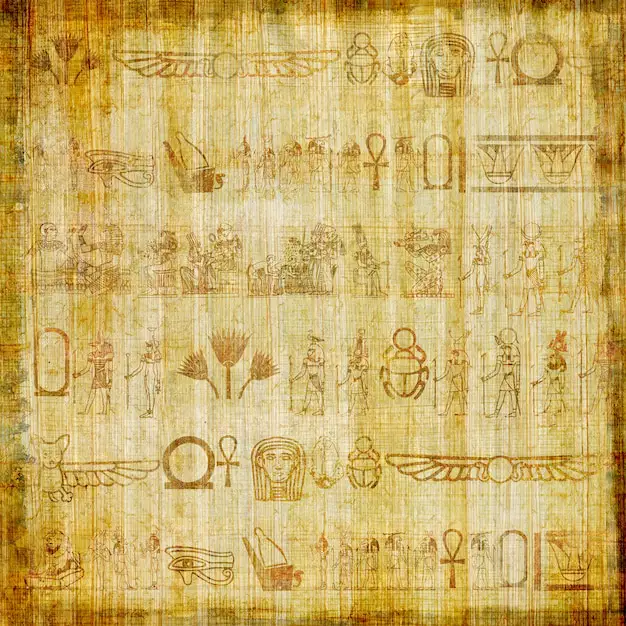
What did the Ancient Egyptians write on?
Clay Tablets
Smartphones
Paper
Papyrus

What animal was considered sacred in Ancient Egypt and was often mummified by the Egyptians because they loved them so much.
Giraffes
Hippos
Dolphins
Cats

Why did the Egyptians build the pyramids?
They were built as homes for Egyptian scribes to live in.
They were built as storage centers for grain.
They were built as schools for Egyptian children.
They were built as tombs for the Pharaohs.

What is a sarcophagus?
An Egyptian boat
A musical instrument
A farming tool
A coffin
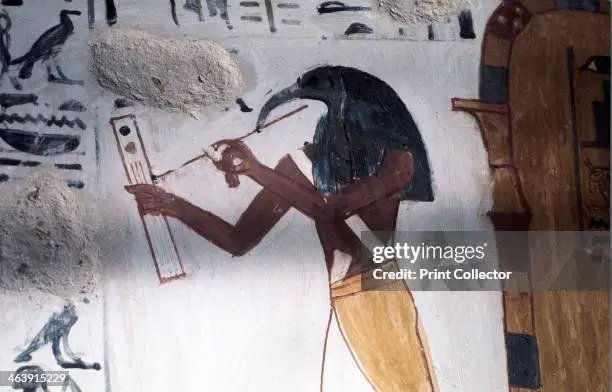
(a) is the Egyptian scribe god; god of wisdom and knowledge. NOTE: Spelling and capitalization count.
Click on the Red Sea. Hint: First, locate Egypt and then move east.

Mr. Whitman Explains: Did the Egyptians Have More Symbols Than Our Alphabet?
Alright, scholars, gather ‘round! Mr. Whitman here — lover of history, high-fives, and all things Ancient Egypt. Let’s talk about something super cool: Egyptian symbols versus our alphabet. In English, we’ve got 26 letters. Just 26! That’s all we need to write every sentence, story, and sticky note reminder in the whole language. But the ancient Egyptians? Ohhh, they didn’t stop at 26. Not even close. They used hundreds of symbols — sometimes scribes had to learn 700 to 1,000 or more! Imagine trying to remember that much for a Social Studies test! Basically, Egyptians were writing champions. They had a symbol for everything!
Mr. Whitman’s Classroom Comparison
If the English alphabet is like having a small, neat box of LEGO bricks…
Egyptian hieroglyphics is like having a huge LEGO mega-set with hundreds of wild pieces. You can build amazing things, but you’ve got a LOT more to learn.

How many letters are in our alphabet?
25
36
26
28

How many symbols did an Egyptian scribe have to learn?
30-40
100-200
26
700 - 1,000

What comparison was used to help the reader understand the difference between the number of letters in the English alphabet and the symbols in Egyptian hieroglyphics?
Chromebooks compared to smartphones
Motorcycles compared to bicycles
Small box of LEGO bricks compared to a LEGO mega-set
School lunch compared to Pizza Hut pizza
Study the hieroglyphic translator. Write our JCAC mascot name in hieroglyphics, Tigers. Good luck, being an Egyptian scribe, archaeologists!


What was the role of a scribe in Ancient Egypt?
To build pyramids
To perform religious rituals
To write and keep records
To lead armies

What was the significance of the Rosetta Stone in understanding Ancient Egyptian writing?
It was a map of the pyramids.
It was a tool for building tombs.
It helped decode hieroglyphics.
It was a religious artifact.

Match the Egyptian Vocabulary Terms
Pyramids
Built as tombs for Pharaohs or royalty
Cleopatra
The last pharaoh of Egypt
Cats
Considered holy animals in Ancient Egypt
Natron
Drying chemical used in mummification
Plunder
To rob or steal

