
 Worksheets
Ch. 3 Non-Contact Forces Review
Total questions: 62
Worksheet time: 38mins
What law describes the effects that gravity has on objects?
Law of Conservation of Energy
Law of Universal Gravitation
Law of Inertia
Law of Thermodynamics
What is the difference between weight and mass?
Weight is a measure of volume, mass is a measure of density.
Weight is a measure of force, mass is a measure of matter.
Weight is a measure of temperature, mass is a measure of energy.
Weight is a measure of speed, mass is a measure of velocity.
How are electrical fields formed?
By the movement of magnetic poles.
By the presence of charged particles.
By the flow of thermal energy.
By the vibration of sound waves.
What law is used to calculate and describe interactions of nearby electrical charges?
Newton's Third Law
Ohm's Law
Coulomb's Law
Faraday's Law
What can you identify and explain about magnetic materials?
Their color and texture.
Their weight and volume.
Why they are magnetic.
Their temperature and pressure.
What effects can magnetic fields have on charged objects?
They can change the color of the objects.
They can alter the temperature of the objects.
They can exert a force on the objects.
They can increase the mass of the objects.
Objects will experience the greatest gravitational attraction towards other objects that are . . .
large/lots of mass
small
dense
high air resistance
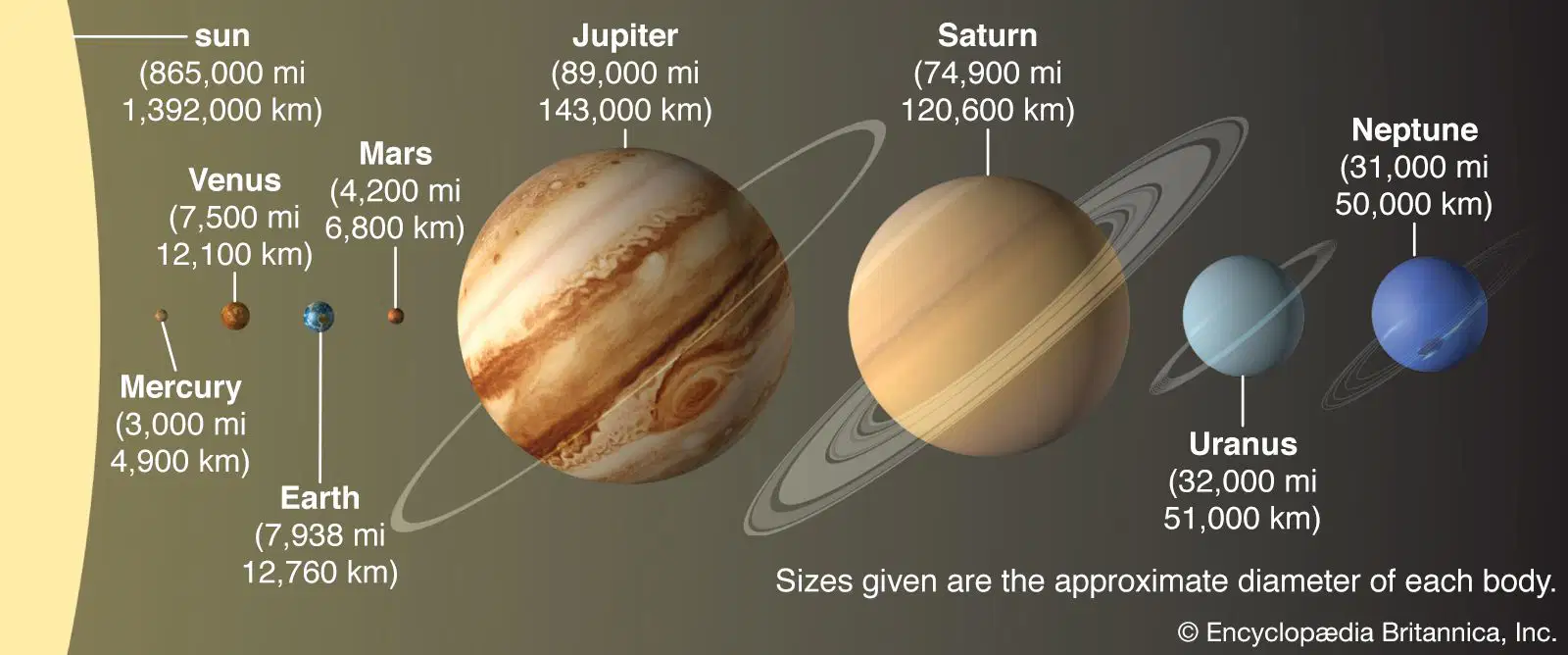
The PLANET with the greatest gravitational attraction in our solar system is . . .
Neptune
Earth
Venus
Jupiter
The tool used to measure mass in a scientific laboratory is a ______.
balance
scale
spring scale
massometer
Which of these values is a measure of weight?
15.52 kg
16.4 m/s
89.5 N
85.5555 g
Weight is a _____.
vector quantity
force
measure of speed
non-changeable number

The arrows in an electrical field diagram show how a ____ charge would behave if placed in the field.
positive
negative
neutral
Compared to "regular" electricity, static electricity is always . . .
stronger
changing
temporary
positive
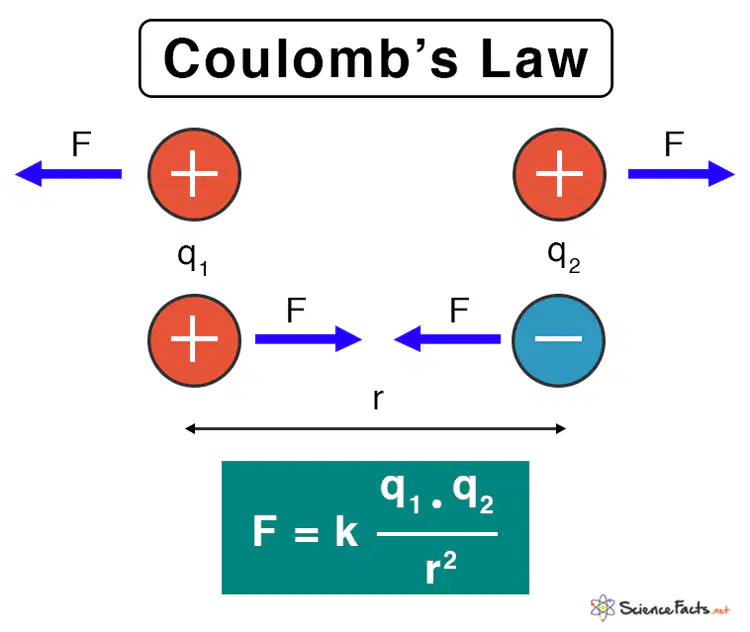
The farther apart charged objects are, the _____ the electrical force between them will be according to Coulomb's Law.
stronger
weaker
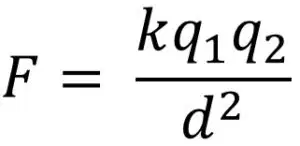
Coulomb's Law equation has the same overall structure as what other similar equation?
Newton's 2nd Law of Motion
Gravitational Force
Acceleration
Power
Which of these substances is a magnetic material?
plastic
rubber
aluminum
iron
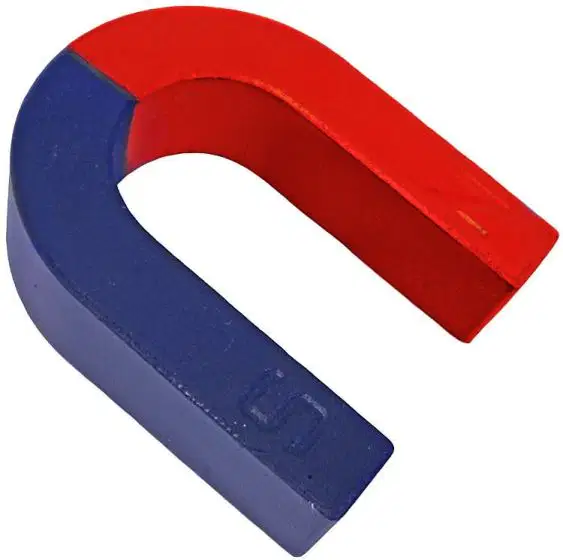
The RED end of a magnet always indicates which pole?
North N
South S
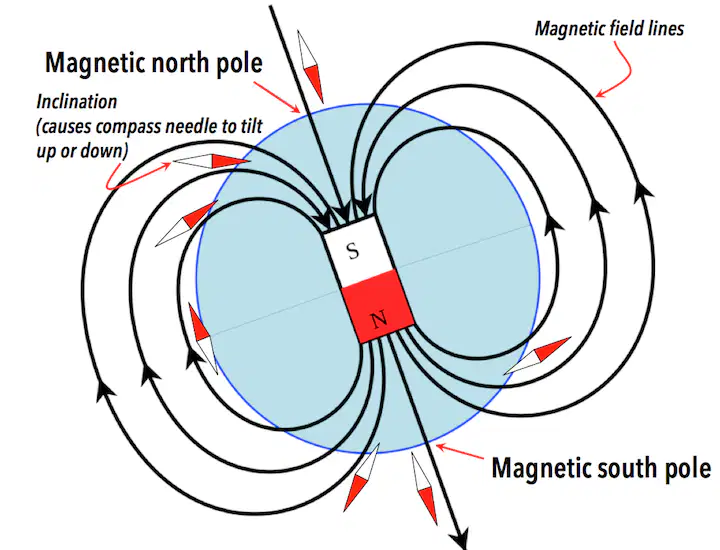
The Earth's magnetic field has what consequences? (2 are correct)
Produces Northern Lights (Aurora Borealis)
Deflects away solar wind radiation
Traps oxygen in the ozone layer
Produces carbon dioxide for plants
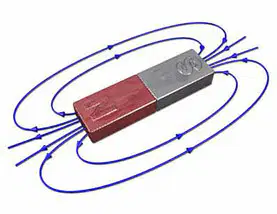
Magnetic field lines always point in which direction?
N --> S
S --> N
Randomly
Positive --> negative
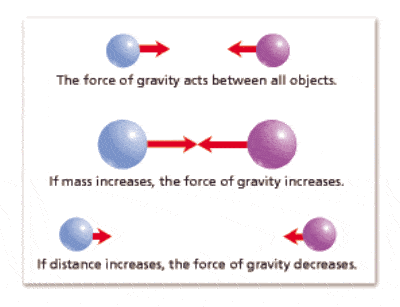


weight

W = mg. What is this formula used to calculate?
Work
Weight
Mass
Electric charge
In which situations will the gravitational acceleration not be 9.81 m/s2? (There are 3.)
Different planet
Real world with air resistance
Laboratory vacuum on Earth
On the Moon

These objects are accelerating at a rate of . . .
9.81 m/s2
Need more information
0 (they aren't accelerating)
-9/81 m/s2
What are the units for Weight?
Kg
N
N/kg
Joules
What is the weight of a 0.456 kg object? g = 9.81 m/s2
456g
0.456kg
4.56N
456N
Which formula would you use to calculate weight (Fg)?
mass/gravity
gravity/mass
weight-mass
mass x gravity
What particle has a positive charge?
Protons
Electrons
Neutrons
What particle has a negative charge?
Protons
Electrons
Neutrons

What is going to happen to charges in the pictures?
Attract
Repel

What is going to happen to charges in the pictures?
Attract
Repel

Which is the electric field of a positive charge?
Left
Right
Which is the electric field of a negative charge?
Left
Right

Which diagram correctly shows the electric field around a negative charge?
A
B
they are both positive

Which diagram correctly shows the field lines between two like charges?
A
B
Both
Neither
When an object gains electrons it becomes __________
Neutral
Positively charged
Negatively charged

Based on the arrangement of the electric field lines in the diagram, what are the charges?
both charges are the same
the charges are opposite
they are neutral; no charge

Identical charges A, B, and C are located between two oppositely charged parallel plates, as shown in the diagram below. The magnitude of the force exerted on the charges by the electric field between the plates is
least on A and greatest on C
the same on A and C, but less on B
the same for A, B, and C
greatest on A and least on C
Which graph best represents the relationship between the strength of an electric field and distance from a point charge?


What is the standard unit for charge?
Newtons (N)
Coulombs (C)
Electros (e)
Protos (P)
What letter is used to denote "charge"?
k
q
r
e
What does the "k" represent in Coulomb's Law?
charge
Coulomb's Constant
kilometers
distance between charges
What is the value of Coulomb's Constant?
9 x 10⁹ Nm2C-2
8.987 Nm2C-2
8.987 x 10¹¹ Nm2C-2
7.1 x 104.5 Nm2C-2

What happens to the force between two charged objects when you double the distance between them?
it doubles
it is cut in half
it quadruples
it is cut by 1/4


What makes an electromagnet stronger?
greater number of loops
smaller number of loops
decreasing the current
decreasing the voltage

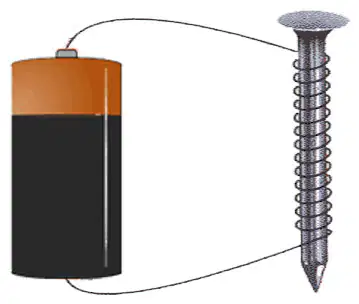
How will connecting a battery to an iron nail change the nail?
heat it up
make it glow
magnetize it
chemically react
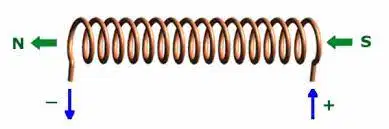
A loop of wires that has electricity passed through it creates a MAGNETIC field. What is this loop called?
electromagnet
solenoid
copper
iron core

An electrical generator relies on a coil of wire _____ next to magnets.
spinning
resting
heating up
vibrating

