
Font size
 Worksheets
G.8 Science Midterm Exam II Practice
Total questions: 60
Worksheet time: 40mins

What is the geosphere?
all the air and gases on the planet
all the frozen water on the Earth
the non-living soil, rocks, and minerals of the Earth
the rivers, lakes, and oceans of the Earth

What is the biosphere?
all the air and gases on the planet
made up of living things
the non-living soil, rocks, and minerals of the Earth
the rivers, lakes, and oceans of the Earth

What is the hydrosphere?
all the air and gases on the planet
made up of living things
the non-living soil, rocks, and minerals of the Earth
the rivers, lakes, and oceans of the Earth

The waves in the ocean are part of _______.
atmosphere
biosphere
hydrosphere
geosphere
Which sphere contains icebergs and glaciers
Atmosphere
Cryosphere
Biosphere
Geosphere


The remains of dead plants and animals can get buried under soil to form coal and oil over long periods of time are interactions between the
Hydrosphere and cryosphere
Biosphere and atmosphere
Geosphere and hydrosphere
Geosphere and biosphere

Flooding moves soil and rock to new places are interactions between the
Biosphere and geosphere
Hydrosphere and biosphere
Geosphere and hydrosphere
Hydrosphere and atmosphere
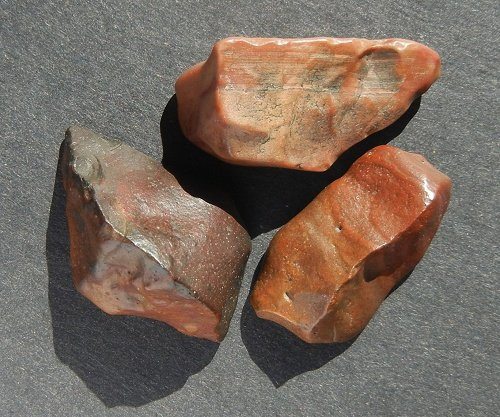
physical weathering
chemical weathering
both chemical and physical weathering
neither chemical or physical weathering
physical weathering
chemical weathering
neither chemical or physical weathering
become cemented together to form bigger rocks
become pitted (covered with small holes)
scrape against one another
break apart when water freezes
Weathering is the process of
moving sediment from one place to another
dropping or leaving sediment in a location
breaking down rocks into sediment
An example of chemical weathering is
Ice wedging
Oxidation
Animals burrowing
Crashing waves

Ice wedging is an example of -
Physical weathering
Chemical weathering
Both physical AND chemical weathering
Both answers
Neither answer

The process of sediment being dropped off in a new place is called
Abrasion
Erosion
Deposition
Weathering
carries away materials
Erosion
Deposition
Weathering
Rock Cycle

A delta is an example of
Erosion
Weathering
Sediment
Deposition

Sea caves are coastal landform made by
Erosion
Deposition

What is the name for an area of flat land next to a river?
floodzone
wetplain
saturated zone
floodplain
A type of mass movement: the very slow downhill movement of rock and soil
landslide
mudflow
slump
creep

A deposit that hangs like an icicle from the roof of a cave
stalactite
column
stalagmite
fossil

A part of the shore that sticks out into the ocean
beach
spit
longshore drift
headland
Structure left standing when a sea arch collapses
spit
sea cave
sea stack
headland
Formed as wave action hollows out the cliff due to softer rock
headland
sea cave
barrier beach
spit

Landslides and mudslides are an example of erosion by ________.
Gravity
Ice
Water
Wind

The process where glaciers erode an area over a long period of time is ______ erosion.
Gravity
Ice
Water
Wind

How are sand dunes created?
rain weathering
water erosion
wind depositing the sediments
water deposition
A delta is formed by the action of -
weathering
erosion
deposition
condensation


Which is the cause of erosion/deposition in this example?
Wind
Water
Ice
Gravity

This type of fossil is tree sap hardened and replaced by minerals.
Petrified wood
Imprint
Amber
Mold

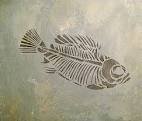
What type of fossil is pictured here?
Forest fossil
Trace fossil
Cast fossil
Body fossil


mold Fossil
Unweathered bedrock
O Horizon
A Horizon
B Horizon
C Horizon
R Horizon
Organic materials dominate this horizon
O Horizon
A Horizon
B Horizon
C Horizon
R Horizon

What soil horizon is shown?
Horizon O
Horizon A
Horizon E
Horizon B
Horizon C

What soil horizon is shown?
Horizon A
Horizon E
Horizon B
Horizon C
Horizon R

Match the description of the horizon to the horizon name.
Horizon O
Horizon A
Horizon B
Horizon E
Horizon C

Match the description of the horizon to the horizon name.
Horizon R
Horizon A
Horizon B
Horizon O
Horizon C

Match the description of the horizon to the horizon name.
Horizon R
Horizon A
Horizon B
Horizon O
Horizon C

A team of scientists is searching for specimens to understand how Earth's climate has changed in the past. The black boxes in the figure below show where this team has drilled to obtain such specimens. What were these scientists drilling for?
ice cores
surface landforms
sea-floor sediments
fossil's preserved in amber
In 1897, a British scientist proposed that Earth was between 20 and 400 million years old. Based on radiometric dating, scientists now propose a different age for Earth. Based on the most current radiometric dating data, about how old is Earth?
40 billion years old
20 billion years old
4.6 billion years old
4.6 million years old
Florida State University has a large collection of ice cores taken from Antarctica. What can scientists learn by studying these ice cores?
history of Earth's climate
how continents have moved
how new species have evolved
major changes that have taken place on Earth's surface
Which of the following are ways in which scientists can study about Earth's climate history? Choose all that apply.
Ice cores and tree rings
sea-floor sediments
petrified materials
caprolite
In which of the following ways can organisms become preserved in fossils? Choose all that apply.
Trapped in Amber and Asphalt (tar)
buried in rock or frozen in ice
Petrificaton
Tracks, burrows and caprolite

