
 Worksheets
Unit 2 Test
Total questions: 111
Worksheet time: 2hrs 51mins


In which habitat can we find a cactus?
Desert
Ocean
Rainforest
Wetlands
In what habitat can we find a polar bear?
Wetland
Desert
Ocean
Artic/Polar
What animal lives in the ocean?


Insects, fungi, and bacteria that break down waste matter are called...
plants
animals
predators
decomposers
Describe the components of a food chain.
Herbivores, carnivores, and omnivores
Producers, consumers, and decomposers
Primary, secondary, and tertiary consumers
Predators, prey, and scavengers
Define what a producer is in a habitat.
An organism that feeds on other organisms for energy
An organism that can create its own food through photosynthesis or chemosynthesis.
A species that migrates between habitats
A type of decomposer in the ecosystem
What are the differences between a herbivore, carnivore, and omnivore?
Herbivores eat other animals, carnivores eat plants, and omnivores eat both plants and animals.
Herbivores eat both plants and animals, carnivores eat only plants, and omnivores eat only meat.
Herbivores eat only meat, carnivores eat only plants, and omnivores eat both plants and animals.
Herbivores eat plants, carnivores eat other animals, and omnivores eat both plants and animals.
How do herbivores obtain their food?
By hunting other animals
By photosynthesis
By absorbing nutrients from the air
By eating plants, algae, or fungi.
Which 2 pictures are grasslands?
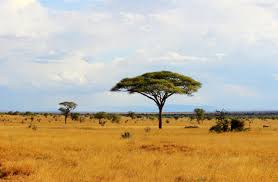
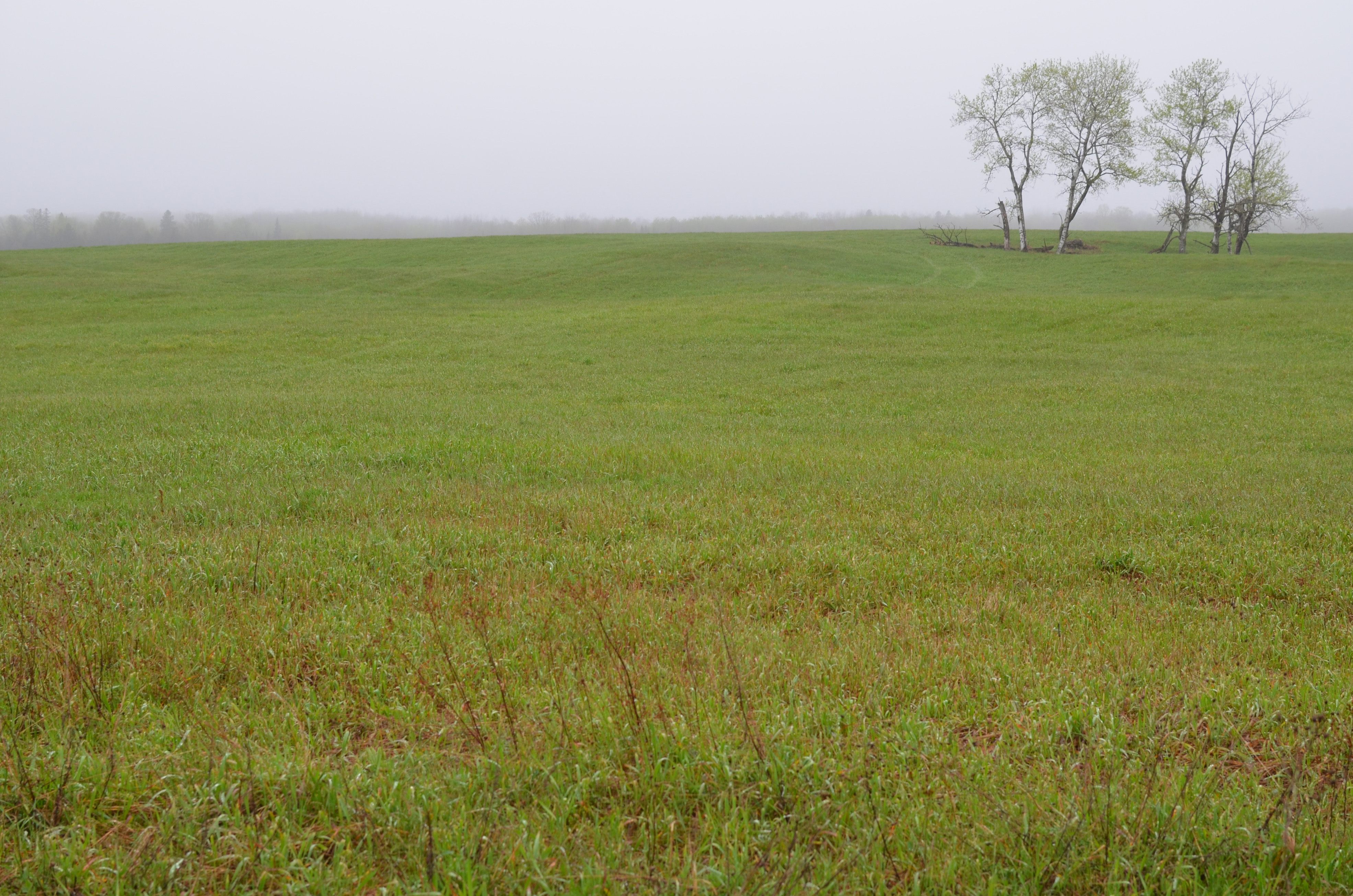
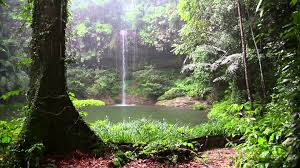
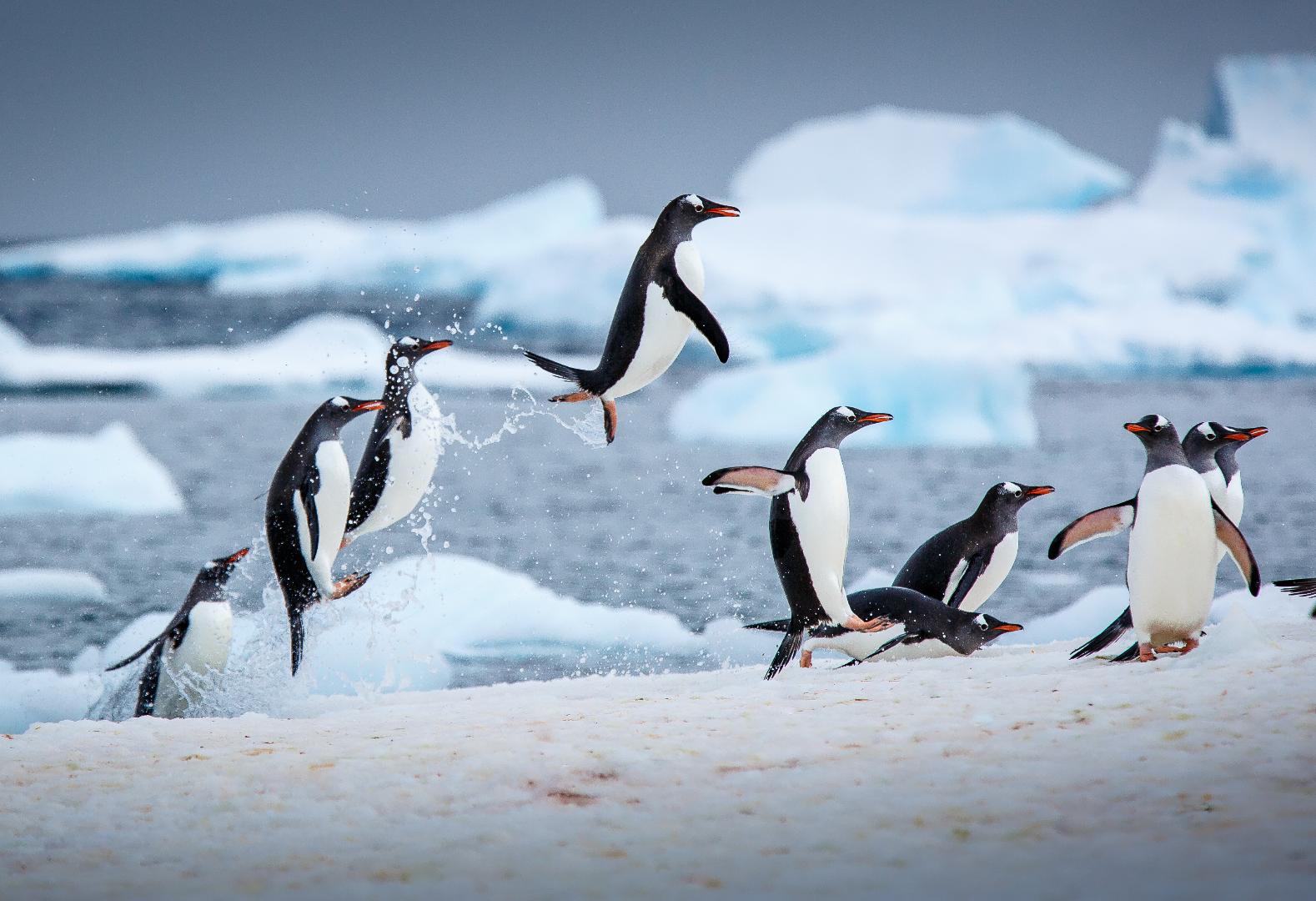
What kind of water fills the ocean?
salt water
fresh water
bottled water
tap water
Which 2 plants can be found in the forest?


Where can fish and amphibians be found in a forest?
In rivers and streams
In the trees
underground
In the snow
Which is the wettest habitat?
Grasslands
Rainforest
Desert
All animals need _____
shelter
backpacks
laptops
snacks
Shelter protects from
creepers & zombies
food & sleep
beds & doors
weather & predators
Examples of shelters are: (click all that apply)
caves
trees
hoodies
shells
Polar habitat adaptations include... (select all that apply)
thicker fur
animals that live in trees and eat leaves
eggs
extra fat, called blubber
Desert adaptations include... (select all that apply)
living on a cactus
living underground
the ability to live with very little water
swimming in the ocean
Tropical rainforests are...
cold & dry
Plantless & dusty
hot & wet
swampy & stinky
Freshwater habitats include
elephants, lions, hippos
ponds, swamps, lakes, rivers
mossy plants and trees
oceans, gulfs
A population is
the number of friends you have
the number of one species in a habitat
A community is
different groups of animals living in the same habitat
one group of animals living in different places
different groups of people living in the same zip code
plants that can take water from the group with their roots
Emma and David are having a debate. Can you help them out? What percentage of the world's water is freshwater?
25%
50%
3%
10%
An __________ is the living and nonliving parts of an environment.
Fungus (mushrooms) would most likely grow in which habitat?
A Rotting Log
Ocean
Desert
A Pond
A squirrels habitat would be _____________.
Ocean
Arctic
Forest
Dessert
nonliving things in an environment
abiotic
biotic
to grow and survive
disrupt
habitat
thrive
global warming
When a living thing changes to survive.
habitat
external feature
region
adaptation
rivers,
streams,
lakes,
ponds,
swamps,
marshes,
and
oceans
are all examples of ________ environments.
aquatic
terrestrial
the desert,
forest,
grasslands,
tundra,
mountains and rainforest
are all examples of ________ environments.
aquatic
terrestrial
Terrestrial environments are
on (a) .
Aquatic environments are in
(a) .
There are two types
of ecosystems, ______ and
________.
aquatic
terrestrial
space
cold
hot
Where does the energy in most ecosystems originate (come from originally)?
Sunlight (the sun)
Rocks
Water
Air
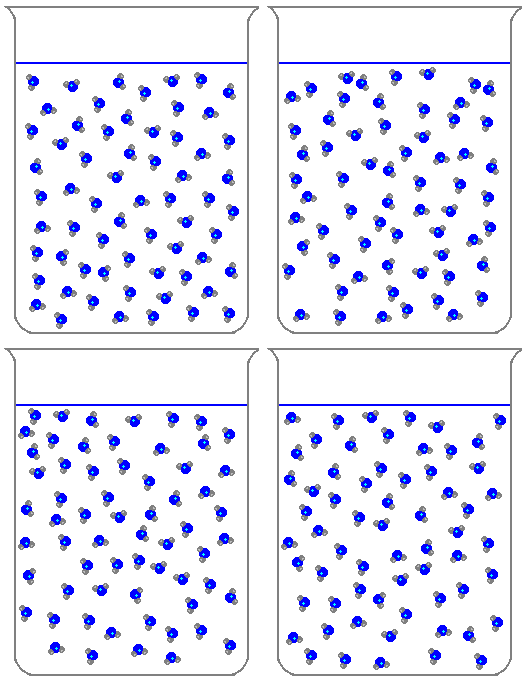
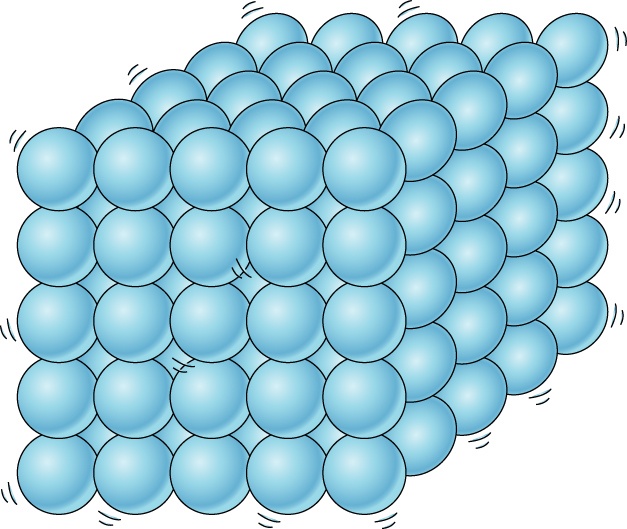
What state of matter?
Solid
Liquid
Gas
Plasma!!!


State of matter with no definite shape and no definite volume.
solid
liquid
gas

What state of matter is represented in the image?
Solid
Liquid
Gas

What state of matter does the picture below represent?
solid
liquid
gas
plasma
To change from a solid to a liquid, a substance must
increase in temperature
decrease in temperature
stay the same temperature
To change from a liquid to a gas, a substance must
increase in temperature
decrease in temperature
stay the same temperature
To change from a gas to a liquid, a substance must
increase in temperature
decrease in temperature
stay the same temperature
To change from a liquid to a solid, a substance must
increase in temperature
decrease in temperature
stay the same temperature
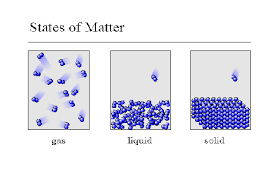
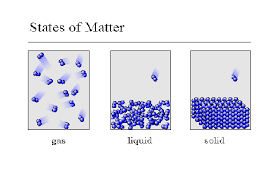

Why does the glass on the right have less water in it?
the solid turned into a gas
the gas turned into a liquid
the liquid turned into a gas


When a solid becomes a liquid
melting
boiling
freezing
sublimation

What part of the water cycle does this picture show?
condensation
precipitation
evaporation

What part of the water cycle does this picture show?
condensation
precipitation
evaporation

When water condenses, water vapor in the air gets ______ and changes back into a liquid.
warm
cold
hot
solid

What is the OPPOSITE of condensation?
transpiration
runoff
precipitation
evaporation
What is it called when water droplets fall from the atmosphere in the form of rain, sleet, snow, or hail?
condensation
precipitation
evaporation
transpiration

What do you call the changes of water when it evaporates into the air, condenses into clouds, and then precipitates down to Earth?
run-off
the water cycle
evaporation
precipitation

What is rainfall that is not absorbed by soil and travels to the ocean?
run-off
transpiration
precipitation
evaporation
Condensation is when __________.
water changes from a gas to a liquid
water changes from a liquid to a gas
water turns to ice
all of the above
Evaporation is __________________.
when water changes from a solid to a liquid
when water changes from a liquid to a gas
when water changes from a gas to a liquid
none of the above
What changes water from one state to another?
clouds
the ocean
a change in temperature
none of the above
The greatest amount of water found on Earth is fresh water. True or False?
True
False

The passage of water vapor from a plant to the atmosphere is called ____________.
transpiration
evaporation
hydrosphere
condensation
How does the energy from the sun influence the water cycle?
by trapping water particles in clouds
by turning liquid water into water vapor
by causing water to precipitate
by creating winds in the atmosphere
How do plants return water back into the environment?
by evaporation
by condensation
by runoff
by transpiration
Water droplets forming on the outside of a cold glass of water on a hot, summer day is an example of which part of the water cycle?
condensation
evaporation
precipitation
transpiration
After a rain, a puddle of water remains on a sidewalk. After a day of sunshine, the puddle is gone. Which process is the most responsible for the disappearance of the puddle?
precipitation
transpiration
evaporation
condensation
One morning, Jane notices drops of water on the outside of a window. Later in the day, she notices that the drops have disappeared. What most likely caused the drops to disappear?
The water condensed on the plants around the house.
Energy from the sun caused the water to evaporate.
The water cooled enough to turn into water vapor.
Wind blowing on the window turned the water into vapor.
When warm, evaporated air rises, it cools and begins to turn into liquid again. This part of the water cycle is called:
a: transpiration
b: precipitation
c: runoff
d: condensation
What does condensation look like in the sky?
It looks like rain
It looks like clouds
It looks like a tornado
I see it on my windows
What is runoff?
a: the condensation on the mirror in a bathroom
b: the light switch in a water plant
c: the end of a marathon
d: water that runs off the surface of the Earth into rivers and lakes
1. The movement of water from Earth, to the atmosphere, and back to Earth
A. atmosphere
B. water cycle
C. condensation
D. air pressure
Check the structures that help with movement.
A seagull's wings
A ant's mouthparts
A frog's tongue
A tiger's padded feet
An ostrich's long legs
Something an animal has or does that helps it survive is called a(n) _____
organism
camouflage
adaptation
omnivore
These give the ability to breathe underwater to creatures that live in the water.
Camouflage
Teeth
Gills
Horns
Insects use antennae to touch and smell the world around them.
True
False

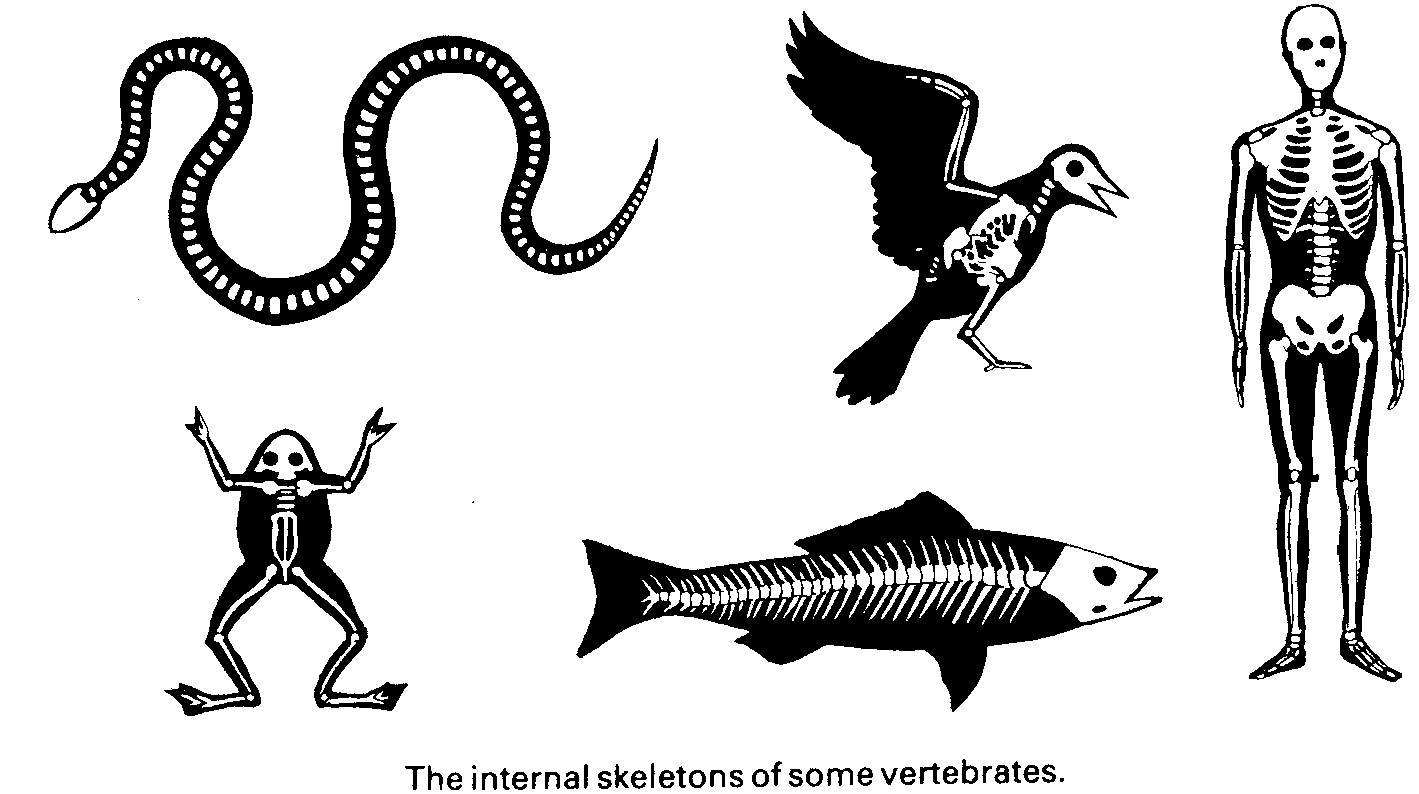
How do structures like whiskers and antennae help organisms?

Which part holds the plant in the soil?
A. fruit
B. roots
C. seeds
D. leaves
E. stem

Which part of the plant will grow into a new plant?
A. fruit
B. roots
C. seeds
D. leaves
E. stem

Which part of the plant uses bright colors to attract pollinators?
B. roots
C. seeds
D. leaves
E. stem
F. flower

25. Which part of the plant carries water and
food through the plant?
A. fruit
B. roots
C. seeds
D. leaves
E. stem

Which part of the plant contains the seeds?
A. fruit
B. roots
C. seeds
D. leaves
E. stem

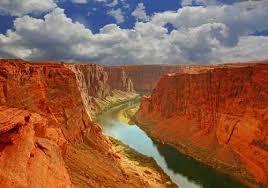


Find the correct definition of the underlined word, glacier.
a narrow stretch of land connecting two larger areas
a large natural stream of water that runs through the land
a large, thick body of slow moving ice
a narrow stretch of water joining two larger bodies of water

