
 Worksheets
CBA 2 Review
Total questions: 35
Worksheet time: 35mins

Cells spend most of their lives in which phase?
Interphase
Prophase
Telophase
Metaphase
Cells of organisms must replicate for?
Growth
Replacement of dying cells
Repair of damaged cells
All of the above
What is the correct order of the phases of mitosis?
Metaphase, Anaphase, Prophase, Telophase,
Pelophase, Motophase, Anaphase, Trophase
Prophase, Metaphase, Anaphase, Telophase
Telophase, Anaphase, Prophase, Metaphase
What is cytokinesis?
When 2 cells merge together to make 1 giant cell
The end of the cell cycle when the cell divides and mitosis is complete
The stage when DNA condenses into chromosomes
The stage where chromosomes are pulled to opposite ends of the cell.

The G1, S, and G2 are parts of which phase of the cell cycle?
Prophase
Interphase
Telophase
Anaphase

Is interphase a part of Mitosis?
Yes, it happens after prophase
No, it happens before mitosis


DNA damage can turn off genes involved in cell-signaling pathways that regulate the cell cycle. Turning off
these genes can cause less-mature cells to divide too rapidly, often leading to the development
of —
cardiovascular disease
tumors
allergies
hemophilia
What are chromosomes?
They attach to the DNA and pull it to the sides
They contain mitochondria
They contain ribosomes
DNA packaged into threadlike structures

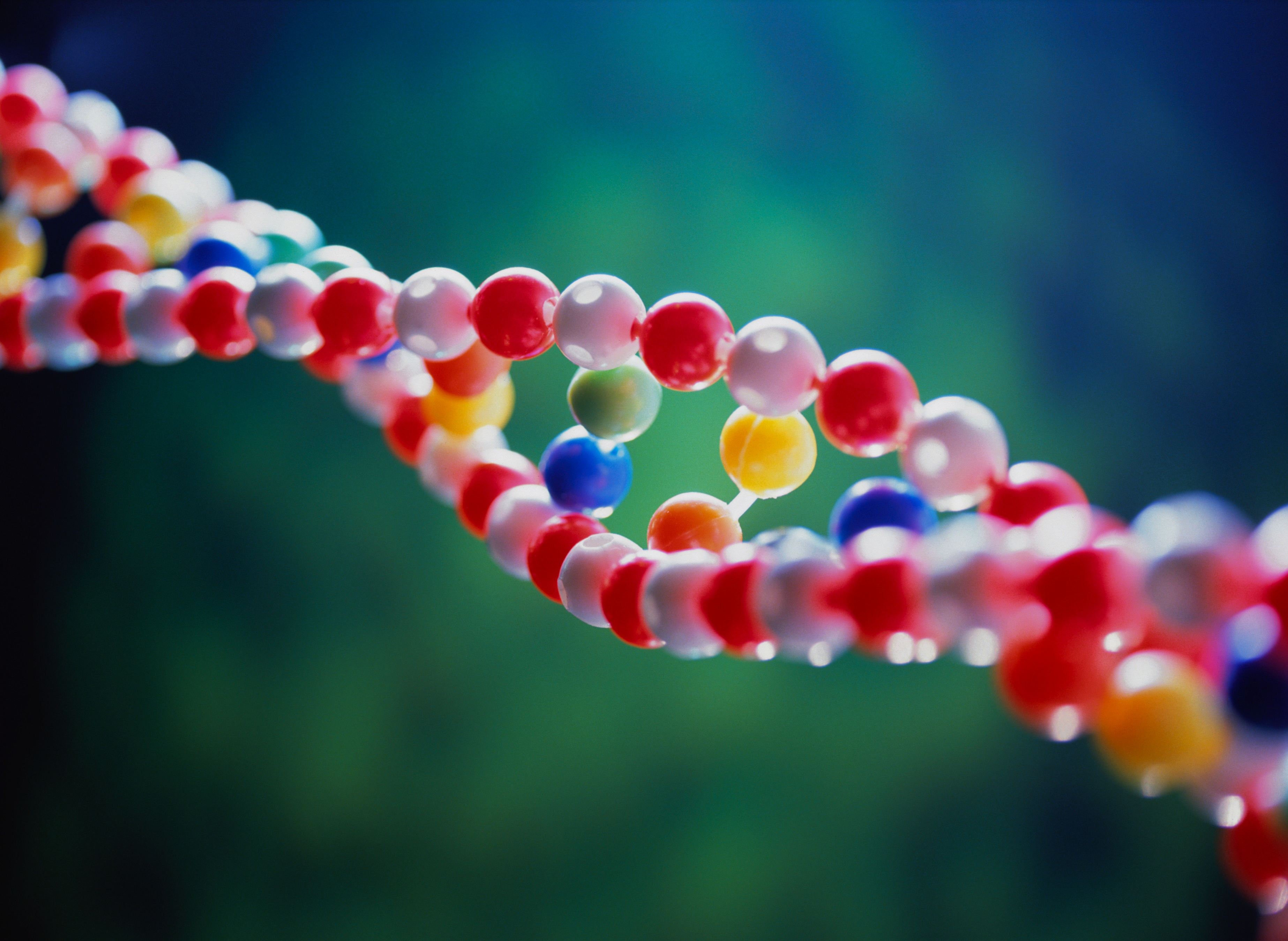
ATG TGA CAG
Each of the 11 body systems:
Is interchangeable
Depends on others to function
Performs a single task
Is controlled by the lungs
The excretory system gets rid of:
Nutrients
Cartilage
Waste
Oxygen
The _______ system delivers oxygen and nutrients to every cell in the body.
Circulatory
Lymphatic
Integumentary
Nervous
What is the main product of the endocrine system?
Bones
Blood
White blood cells
Hormones
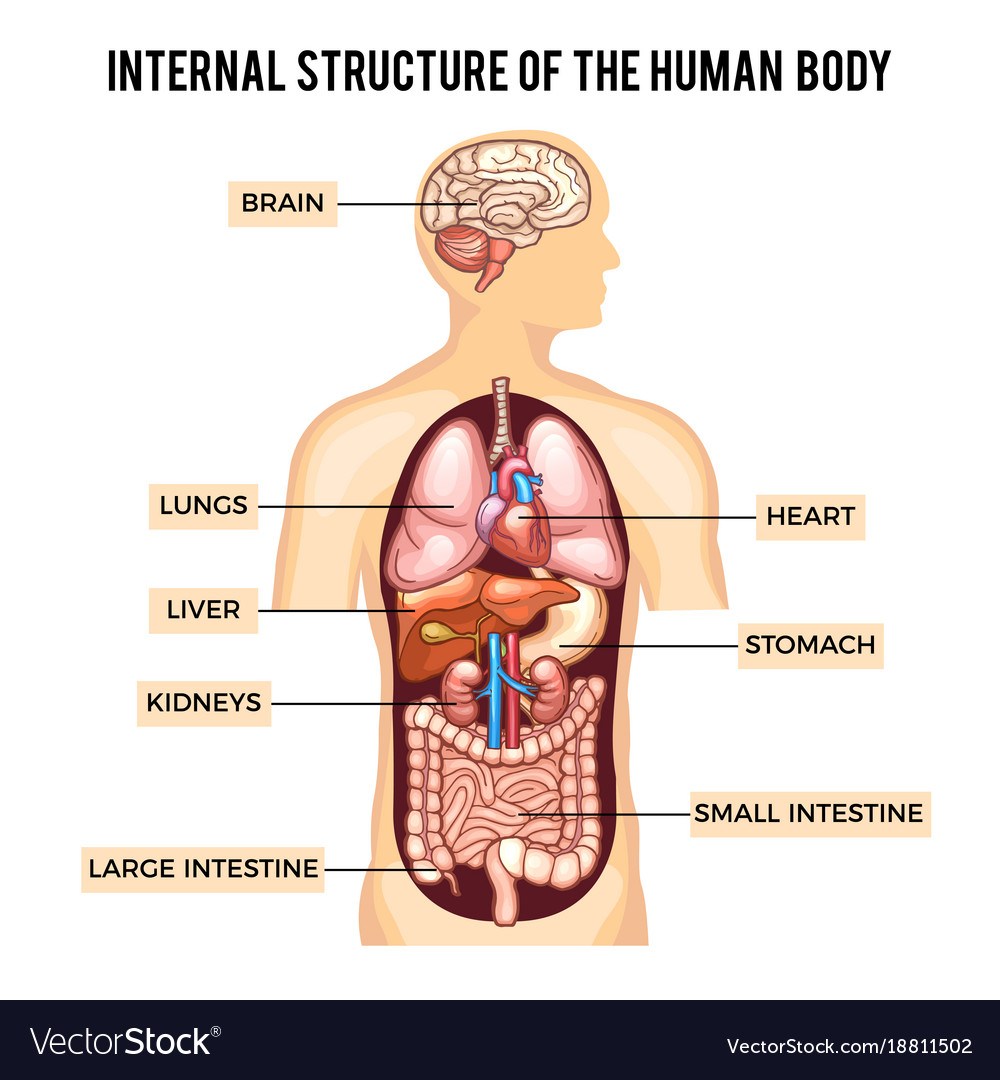
What is an organ?
A group of tissues that work together to perform closely related functions.
the network of nerve cells and fibers that transmits nerve impulses between parts of the body.
all of the bones and muscles in your body and responsible for body structure and movements.
responsible for providing your body with nutrients from food.
What does xylem transport?
Water and minerals
Water only
Sugar
Food
What does phloem transport?
Water
Minerals
Fruit
Sugar
What is the stomata in plants?
Large pores in the leaves
The green pigment
The chloroplast
Tiny pores in the leaves
During this process, a plant uses carbon dioxide gas and water to make food and oxygen.
chlorophyll
photosynthesis
vascular tissue
vacuole
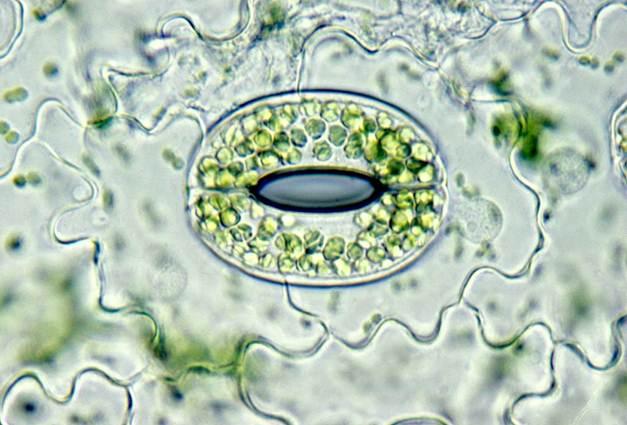
What do the guard cells do?
Control active transport
Control nutrients moving into the cell
Controls the rate of transpiration (loss of water through the leaf)
Job of mRNA
Deliver amino acids tp ribosomes to build protein
Part of ribosome that speed up amino acid bonding
Bring DNA message to ribosome to get correct sequence of amino acids

