
 Worksheets
MSA1 First Semester Biology Final 80 q's
Total questions: 80
Worksheet time: 1hrs 7mins
Which of the following elements is Not one of the six most common in living organisms?
carbon
oxygen
iron
nitrogen
hydrogen
The characteristic way in which atoms of an element react is most related to the
number of electrons in the outermost shell
number of electrons in the innermost shell
number of neutrons in the outermost shell
number of neutrons in the nucleus
size of the nucleus
An atom, such as calcium, which has two electrons in the outer shell, would most likely
share to acquire a complete outer shell.
lose these two electrons and become a negatively charged ion.
lose these two electrons and become a positively charged ion.
bind with carbon by way of hydrogen bonds.
bind with another calcium to satisfy its energy needs.
In which of these are the electrons shared unequally?
double covalent bond
triple covalent bond
hydrogen bond
polar covalent bond
ionic and covalent bonds


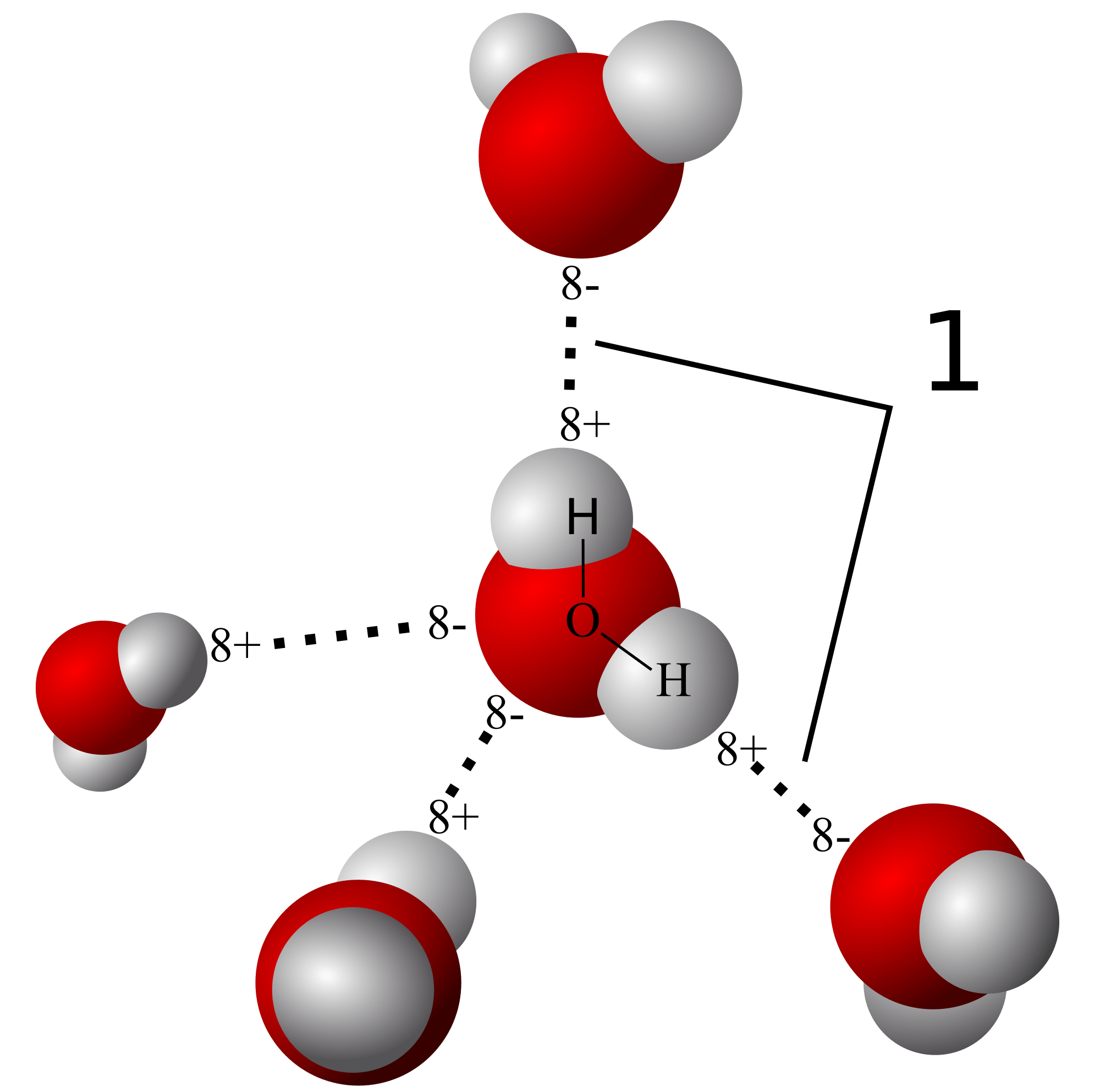
Attractions between water molecules are called
Covalent bonds
Ionic bonds
Polar bonds
Hydrogen bonds
The bond between NaCl is an example of what kind of Bond
Ionic
Covalent
Both
Neither
Surface tension
strong intermolecular force due to hydrogen bonds between the water molecules
property of water that allows water to become attracted to other polar or ionic molecules
property of water that allows water to become attracted to other water molecules
Which kind of cell is prokaryotic, may or may not have a cell wall, and has no membrane bound organelles?
Animal
Bacteria
Fungi
Plant

The hydrophobic tails of the phospholipid ___ to interact with water and is said to be ____.
Loves, polar
Loves, nonpolar
Hates, polar
Hates, nonpolar
The hydrophilic head of the phospholipid ___ to interact with water and is said to be ____.
Loves, polar
Loves, nonpolar
Hates, polar
Hates, nonpolar
What are the monomers of carbohydrates?
monosaccharides
disaccharides
polysaccharides
amino acid

Example(s) of Lipids are...
Sugar
Olive Oil
Bread
Meat
it can be found anywhere
it freezes when it gets cold
dissolves most substances
Heterogeneous mixture

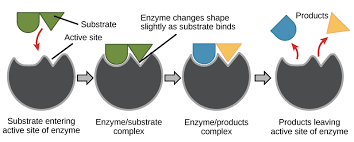
A monomer ...
combines with other monomers to create a polymer.
is a small unit.
is multiple small units.
None of the above.
Species that are clearly critical to the functioning of an ecosystem are known as
biodiversity
keystone species
main species
native species

The size of the human population began to increase exponentially after the
bubonic plague
development of plowing and irrigation
Industrial Revolution
development of the first cities.

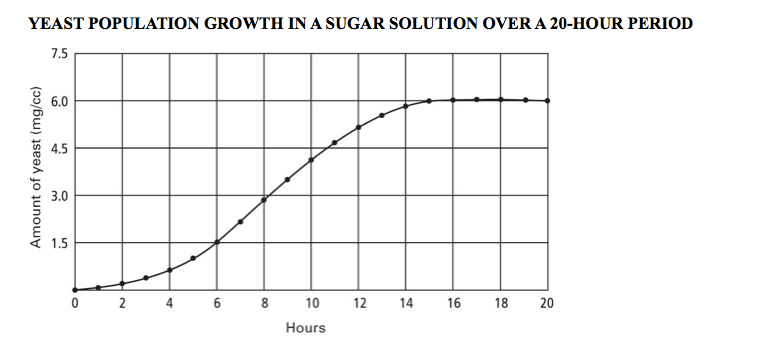
Estimate the carrying capacity.
100 deer
80 deer
60 deer
40 deer
Which of the following factors can contribute to population growth?
High birth rates, low death rates, immigration, and improved healthcare.
High birth rates, high death rates, emigration, and lack of healthcare.
High death rates, low birth rates, emigration, and lack of healthcare.
Low birth rates, high death rates, emigration, and lack of healthcare.
What is carrying capacity?
The minimum number of individuals of a species that an environment can support sustainably.
The maximum number of individuals of a species that an environment can support sustainably.
The maximum number of individuals of a species that an environment cannot support sustainably.
The average number of individuals of a species that an environment can support sustainably.
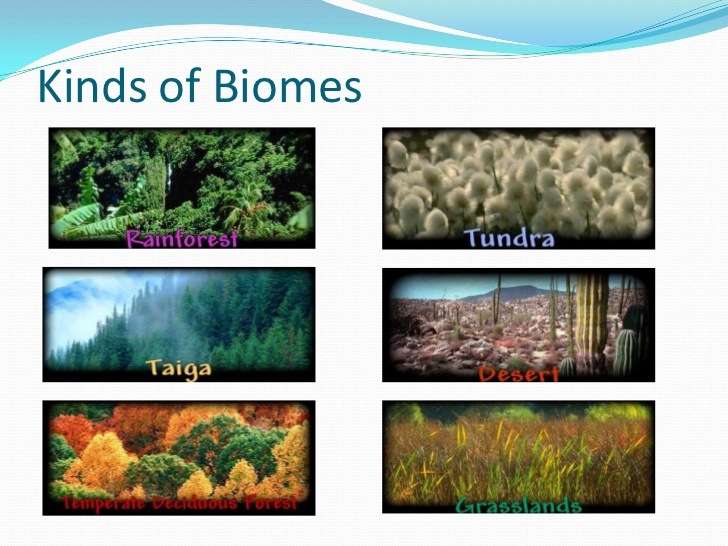

Which of the following hosts the greatest amount of biodiversity?
The photic zone
The aphotic zone
The dysphotic zone
It depends on the season

This Biome is found in witch continents
Alaska , Canada , Russia.
Canada
Polar
Artantic

Where this animal can be fund
Grassland
Prairies , TRopical , Savanna and Chaparral
Desert
Tropical Rainforest

What is the main difference between primary succession and secondary succession?
Primary succession involves the introduction of invasive species, while secondary succession does not
Primary succession is faster than secondary succession, taking only a few years to complete
Primary succession occurs on bare, lifeless substrate, while secondary succession occurs in areas where an existing community has been disturbed
Primary succession occurs in areas with existing vegetation, while secondary succession occurs in barren lands
What is the difference between a community and a population?
A community is made up of populations of different species, while a population is made up of individuals of a single species
A community is a group of individuals of the same species, while a population is a group of different species
A community is a group of ecosystems, while a population is a group of communities
A community is a group of abiotic factors, while a population is a group of biotic factors
Which process is primarily responsible for producing oxygen in Earth's atmosphere?
Cellular respiration
Photosynthesis
Combustion
Decomposition
How do humans affect the carbon cycle?
by cutting trees
over flowing population
burning fossil fuels
by mining fossil fuels
______is the essential component of proteins, fats, and carbohydrates, which make up all organisms.
Nitrogen
Carbon
Water
Phosphorus


Complex trophic relationships in an ecological pyramid.
Food Chain
Food Web
Abiotic Factor
Biome

Matter is passed up the ecological pyramid in a similar way to energy but recycled by decomposers and detritivores. This Biomass pyramid roughly follows the 10% rule as well.
Flow of energy
Flow of matter
Ecological Hysteria
Producers

The level in an Ecological pyramid that includes all the organisms that share the same place in a food chain.
Trophic Levels
Toxic Levels
KeKe Levels
Environmental Systems

Heterotrophs that get energy and nutrition from dead or decaying organisms or their waste products and recycle nutrients back to the ecosystem.
Producer
Trophic
Decomposer
Autotrooph

Organisms that produce their own food mostly through photosynthesis (producers). Examples are plants and algae.
Ominvore
Detritivore
Heterotroph
Autotroph

Animal that gets its energy and nutrition from eating plants.
Parasite
Herbivore
Carnivore
Ominvore

All energy in an ecosystem comes from the sun. This energy is passed through the ecosystem as organisms eat other organisms.
Ominvores
Herbivores
Detritivores
Flow of energy

Cattle egrets forage (feed) in fields among cattle. The egret gets easy access to flying insects stirred up by the cattle, and the cattle don't care if the egrets are there or not.
mutualism
commensalism
competition
parasitism

An _____________________ is the lowest level of organization in the biosphere
organism
population
biosphere
ecosystem
What does a decrease in salmon population due to an increase in river temperature indicate?
an abiotic factor affecting a biotic factor
an effect of predation
change in population but not in abiotic factors
an unchanging biological community
What is a symbiotic relationship? Provide an example.
An example of a symbiotic relationship is the relationship between bees and flowers, where bees pollinate the flowers while obtaining nectar for themselves.
The relationship between sharks and remoras, where sharks provide protection to remoras
The relationship between birds and worms, where birds help worms reproduce
The relationship between lions and zebras, where lions help zebras find food

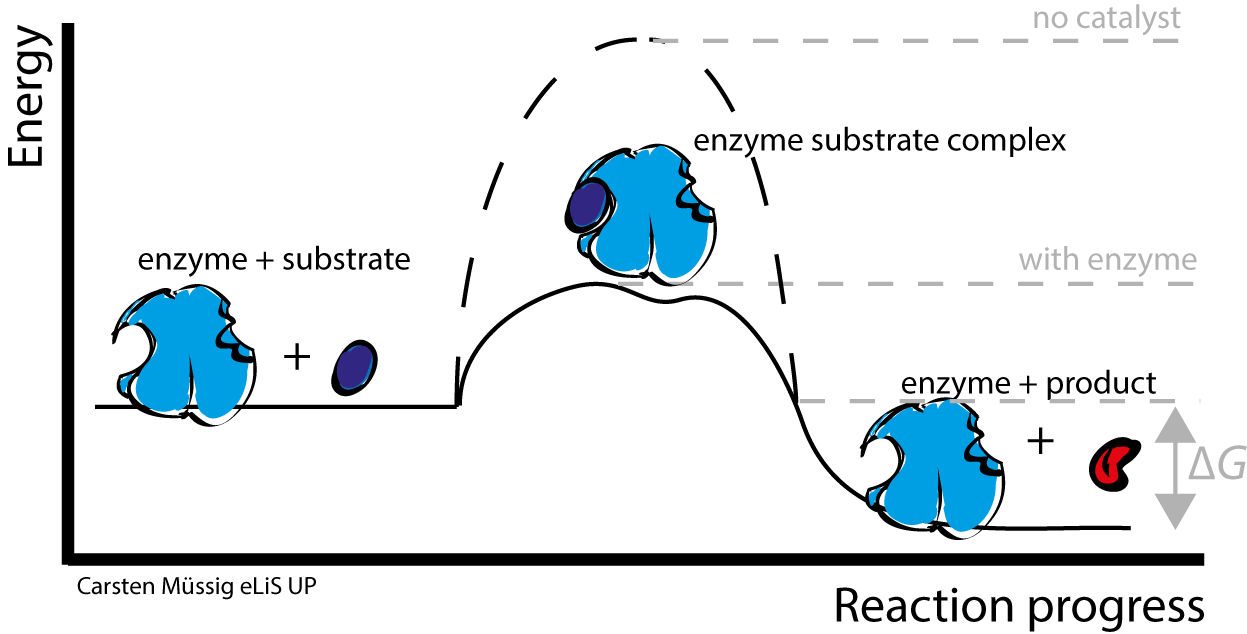
The energy level diagram for a reaction is shown.
Which statement is correct?
X is the energy change of the reaction.
Y is the activation energy of the reaction.
The energy change of the reaction is larger than the activation energy of the reaction.
The reaction is exothermic.

The diagram shows how the temperature change is measured when magnesium powder reacts with dilute hydrochloric acid. Thermometer reading before adding magnesium powder = 20.6 °C Thermometer reading after adding magnesium powder = 32.4 °C Which statement is correct?
The reaction is endothermic and gives out heat.
The reaction is endothermic and takes in heat.
The reaction is exothermic and gives out heat.
The reaction is exothermic and takes in heat.
What happens during all endothermic changes?
A gas is produced.
Solids melt.
The temperature decreases
There is a colour change.
What is a substance called if it speeds up a chemical reaction?
reusable
catalyst
specific
fragile


An avocado is an example of a which macromolecule?
Carbohydrate
Lipid/Fat
Protein
Nucleic Acid
Which of the following elements are found in all macromolecules? (Select all that apply).


Which macromolecule is used as our main source of energy?
Lipids/Fats
Nucleic Acids
Proteins
Carbohydrates

A ______________ is a large molecule.
Micromolecule
Polymer
Amino Acid
Macromolecule


True or False: Atom is made up of
tiny subatomic particles called protons, neutrons, and electrons.
True
False

Positively charged particles that are found in the nucleus of the atom are called
protons
neutrons
electrons
elements
If an element has an atomic # of 3 and the # of neutrons is 4, what is the # of electrons?
3
4
7
10
If an element has an atomic # of 3 and an atomic mass of 7, what is the total number of neutrons?
3
4
7
10
How can you find the # of neutrons in an atom?
protons + electrons
atomic mass + protons
atomic # - protons
atomic mass - atomic #
Lily and Evelyn are studying chemistry and learn that a substance formed when two or more elements are joined chemically is called what?
element
proton
compound
electron

