
NEW
Font size
 Worksheets
Ecology Unit Test Review
Total questions: 30
Worksheet time: 16mins
What is an example of a community?
One fish
Many fish of the same species living in the same area
Crabs, sharks, and different species of fish in the same area
All the living and nonliving parts of an ecosystem
What is an example of a population?
One lion
A group of lions living in the same area
Lions, gazelles, and elephants
A savannah
A living thing
Biotic
Abiotic
A group of flamingos would be . . .
Organism
Population
Community
Ecosystem

What are the abiotic factors in this image?
water, sunlight, dirt
birds, plants, predators
water, plants, parasites
oxygen, water, grasses
One biotic factor in the ocean would be
Dissolved oxygen
Sunlight
Wind
a Shark

A consumer that eats both plants and animals
omnivore
herbivore
carnivore
producer

A consumer that eats only animals.
omnivore
carnivore
herbivore
producer

A consumer that eats only plants
omnivore
carnivore
herbivore
producer

An organism that makes it's own food
food chain
food web
consumer
producer

Several linked food chains
ecosystem
consumer
food web
Tundra
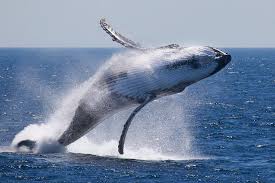
Which of the following is an abiotic factor in a marine ecosystem?
grass
whale
water
plankton
What is the source of all energy?
producers
sun
consumers
decomposers

What symbiotic relationship does this represent?
Mutualism
Commensalism
Parasitism
Competition

What type of symbiotic relationship is shown?
Mutualism
Commensalism
Parasitism
Competition

What type of symbiotic relationship is shown?
Mutualism
Commensalism
Competition
Parasitism

Which of the following most likely would happen if the bird population declined?
The rabbit population would decrease.
The snake population would decrease.
The grasshopper population would decrease.
The mouse population would decrease.
What is a decomposer?
An organism that eats meat.
An organism that eats plants.
An organism that eats dead things.
An organism that makes its own food.
What are all the living and nonliving things in an area that interact with one another called?
population
community
ecosystem
habitat
What do you call it when one species benefits AND the other species benefits?
predation
parasitism
commensalism
mutualism
What do you call it when two or more species are competing for the same resources?
Competition
Predation
Commensalism
Mutualism
What do you call it when one species benefits and the other species is not really affected in any way?
Predation
Parasitism
Commensalism
Mutualism
When all the resources needed are available the population number...
Increases
Decreases
Stays the same
Carrying capacity is...
The lowest number of organisms in an ecosystem.
The total number of organisms in an ecosystem.
The maximum number of organisms an ecosystem and its resources can support.
The number of living organisms in an ecosystem.

During which day did this population reach carrying capacity?
Day 2
Day 11
Day 23
Day 35
When resources are not available a population will _____________ in size.
Increase
Decrease
Stay the same
Limiting factors can be biotic or abiotic.
True
False
Unsure

What is the carrying capacity of the beetle population?
3 million
5 million
7 million
9 million
What is an example of an abiotic factor in a desert ecosystem?
Lizard
Sand
Cactus
Scorpion
Which of the following is a primary producer in a forest ecosystem?
Wolf
Deer
Oak tree
Mushroom

