
 Worksheets
Chemistry Semester Exam 1
Total questions: 56
Worksheet time: 35mins
An atom with an atomic number of 8 has 8 protons.
True
False
Ions of an element have the same number of protons but different numbers of neutrons.
True
False
Electrons in an atom are arranged in the nucleus.
True
False
The atomic radius generally decreases across a period in the periodic table.
True
False
Metalloids are found only on the left side of the periodic table.
True
False
Covalent bonds form between metals and nonmetals.
True
False
Covalent bonds involve the transfer of electrons from one atom to another.
True
False
A molecule with a polar covalent bond has an unequal sharing of electrons.
True
False
A liquid at room temperature has no definite shape and volume.
True
False
The process of a solid changing directly to a gas is called condensation.
True
False
The metric system uses units such as ounces, pounds, and inches.
True
False
Scientific notation is used to express very small numbers only.
True
False
Significant figures are important for indicating the precision of a measurement.
True
False
Balancing a chemical equation ensures the conservation of mass.
True
False
In a chemical reaction, products are the substances you start with.
True
False
A synthesis reaction involves combining two or more substances to form a new compound.
True
False
Avogadro's number is approximately equal to 6.022 x 10^23.
True
False
The molar mass of a compound is the mass of one mole of its atoms.
True
False
An ion with an atomic number of 8 has 8 electrons.
True
False
Isotopes of an element have the same number of protons but different numbers of neutrons.
True
False
An element always has the same number of electrons and protons.
True
False
The atomic radius generally increases across a period in the periodic table.
True
False
Metalloids are found only on the left side of the periodic table.
True
False
Ionic bonds form between metals and nonmetals.
True
False
Covalent bonds involve the transfer of electrons from one atom to another.
True
False
A molecule with a polar covalent bond has an unequal sharing of electrons.
True
False
Solids have a definite shape and volume.
True
False
The process of a solid changing directly to a gas is called condensation.
True
False
The metric system uses units such as grams, liters, and meters.
True
False
Scientific notation is used to express very small numbers only.
True
False
Significant figures are important for indicating the precision of a measurement.
True
False
Balancing a chemical equation ensures the conservation of mass.
True
False
In a chemical reaction, products are the substances you start with.
True
False
A synthesis reaction involves combining two or more substances to form a new compound.
True
False
Avogadro's number is approximately equal to 6.022 x 10²³.
True
False
The molar mass of a compound is the mass of one mole of its atoms.
True
False
Molarity is a measure of the concentration of a solution.
True
False

In a chemical reaction, reactants are the substances you end with.
False
True
Electronegativity is a measure of an atom's ability to attract and hold electrons.
True
False
Isotopes of an element have the same number of protons but different numbers of neutrons.
True
False
The process of a gas changing directly to a solid is called deposition.
True
False
In a chemical reaction, reactants are the substances you end with.
False
True
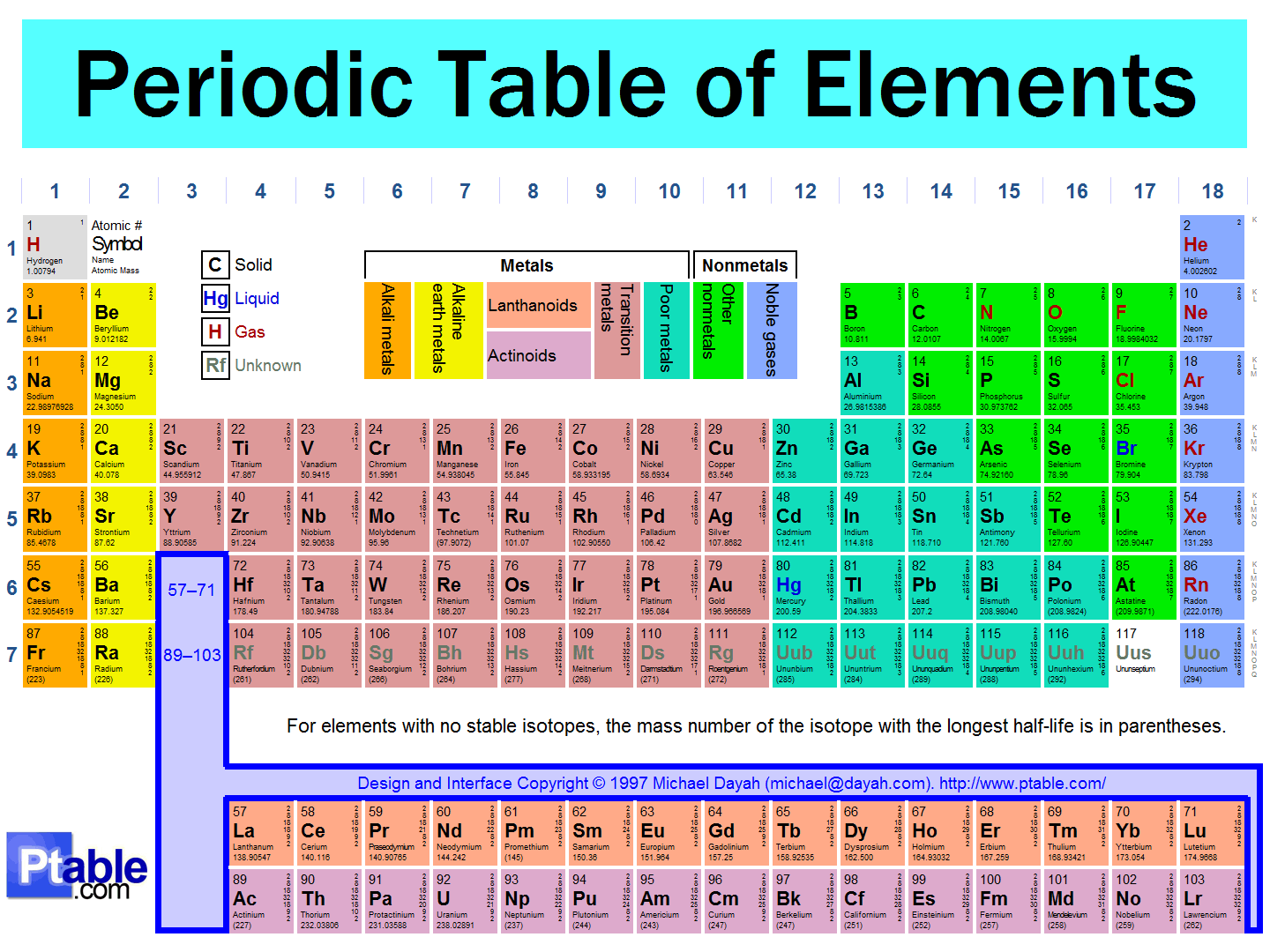

Which elements are colored red?
nonmetals
metals
metalloids


Which element is in period 3 and group 14?
Silicon
Helium
Mercury
Neon
Fluorine gains electrons. Fluorine is now more _____ than it was before.
positive
negative
If an atom's charge becomes +2, what does that mean about the atom?
The atom gained 2 electrons.
The atom lost 2 electrons.
The atom is bonded to another atom in a covalent bond.
The atom has 2 protons.

a metal that gained ve- that has a negative (-) charge
a non-metal that gained ve- that has a negative (-) charge
a metal that lost ve- that has a positive (+) charge
a non-metal that lost ve- that has a positive (+) charge
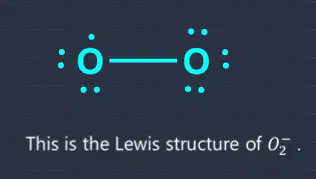

Which is more reactive?
Si
S
Which has a greater electronegativity?
Na
Cl
Which is more likely to form a cation?
Ca
S
Which is more likely to form a anion?
C
Ne

