
 Worksheets
Physical Science Final Review
Total questions: 56
Worksheet time: 28mins
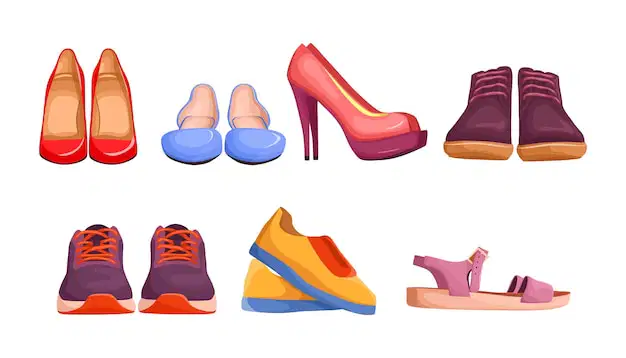
What type of footwear is best in the laboratory?
sandals
open-toed shoes
closed-toed shoes
shoes appropriate for the weather
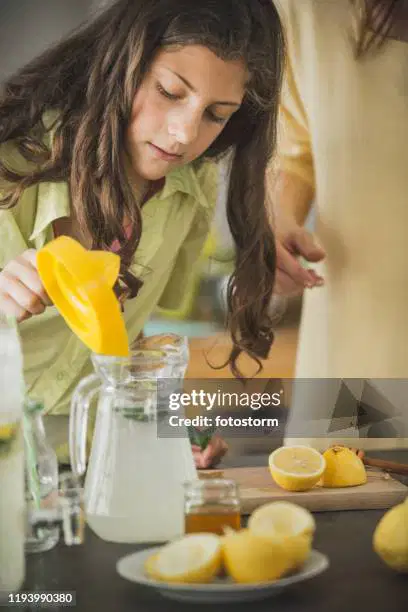
Jenny blends together water, lemon juice and sugar in a pitcher. She has made a
compound
pure substance
homogenous mixture
heterogeneous mixture
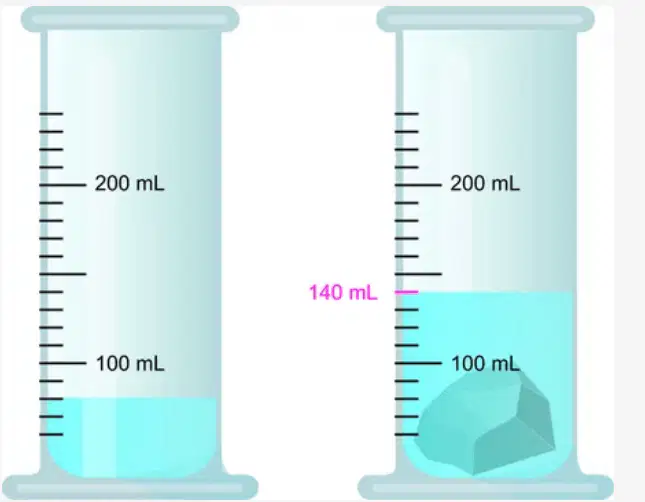
A graduated cylinder contains 60 mL of water. You place a rock into the cylinder and the water level rises to 140 mL. What is the volume of the rock?
60 mL
80 mL
140 mL
200 mL

Matter that has a definite volume and a definite shape is a ____.
solid
liquid
gas
plasma
Three examples of physical changes are:

sawing wood, crushing a can, and burning a marshmallow

burning of gasoline, rotting an egg, and exploding fireworks

freezing of water, evaporation of gasoline, and rusting of a nail

boiling of water, blowing up a balloon, and melting a candle
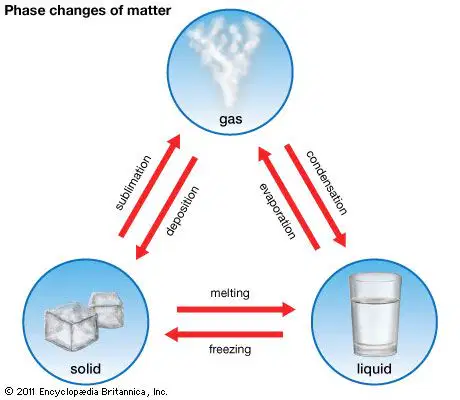
Which is the phase change that occurs when a solid becomes a gas without becoming a liquid first?
vaporization
deposition
sublimation
freezing

Matter that has a definite volume and a definite shape is a ____.
plasma
gas
liquid
solid
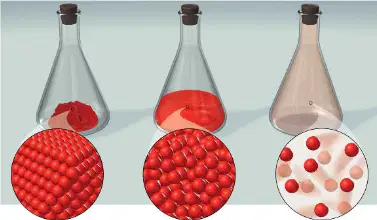
Use the diagram of Flask A, Flask B, and Flask C to answer the question: Which of these shows the substance that is most easily compressed?
A
B
C
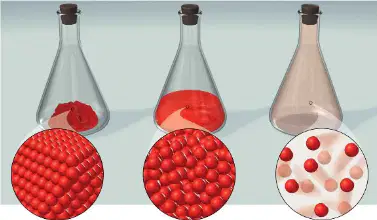
Use the diagram of Flask A, Flask B, and Flask C to answer the question: Which of these has a definite volume and an indefinite shape?
A
B
C
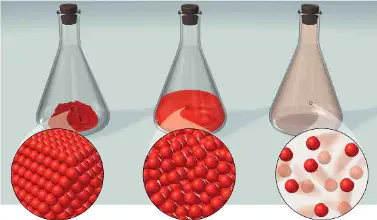
Use the diagram of Flask A, Flask B, and Flask C to answer the question: Which has a rigid structure with particles that vibrate in place?
A
B
C
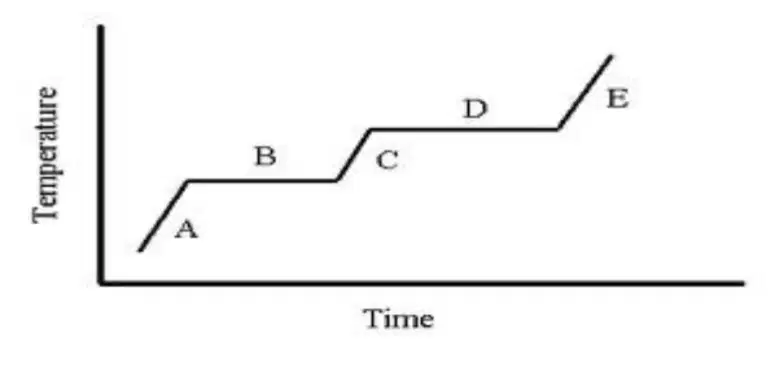
What process is endothermic because it takes in heat as it happens:
Freezing
Condensation
Melting
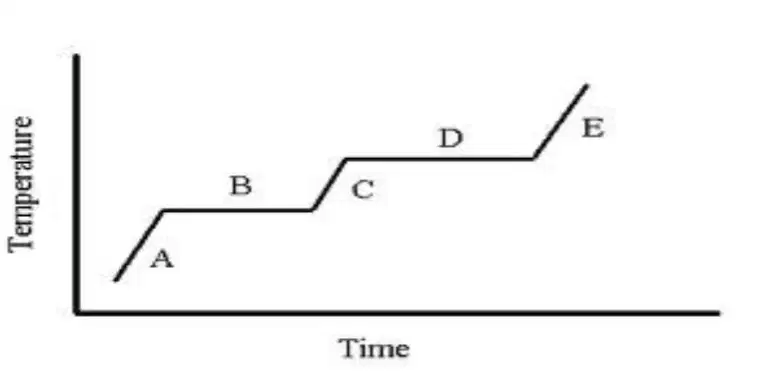
What process is exothermic because it gives off heat as it happens:
Freezing
Melting
Evaporation
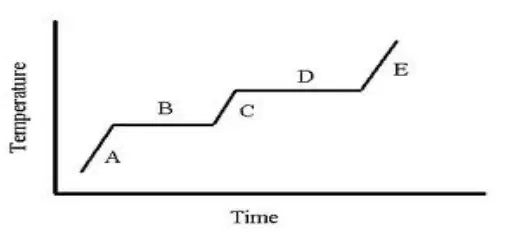
Deposition occurs from __________ and is an ______________ process.
A to E; endothermic
A to E; exothermic
E to A; endothermic
E to A; exothermic
During a phase change, temperature always ______________.
Increases
Decreases
Decreases then increases
Remains the same
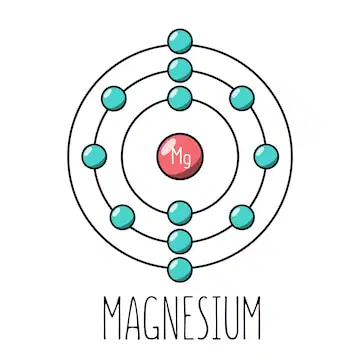
The maximum number of electrons that occupies the 2nd shell of an atom of magnesium is
1
2
8
18
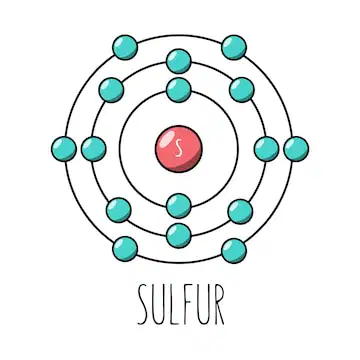
What is the correct electron arrangement for sulfur? (Hint: think about electron shells/energy levels!)
2-8-6
2-8-8
4-6-2
2-8-4
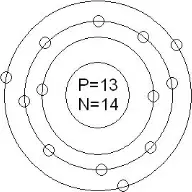
The Bohr Model to the right represents what element?
Boron
Aluminum
Silicon
Cobalt
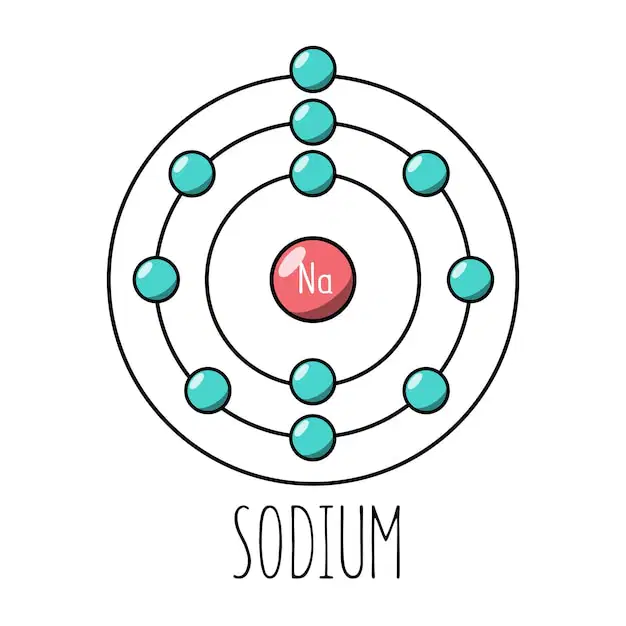
How many valence electrons are in the element from the Bohr model shown above?
1
13
14
3
How many electrons does an atom generally need in its outer level to be stable?
6
4
8
12
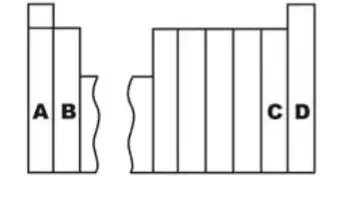
Which region contains the halogen family of elements?
A
B
C
D
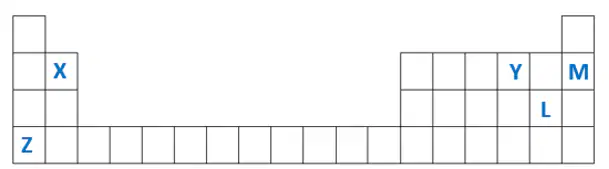
Which of the following pairs of elements is likely to form an ionic bond?
X and M
Z and L
Y and L
Y and L
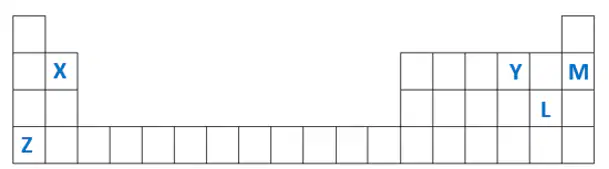
Which of the following pairs of elements is likely to form a covalent bond?
X and M
Z and L
Y and Z
Y and L
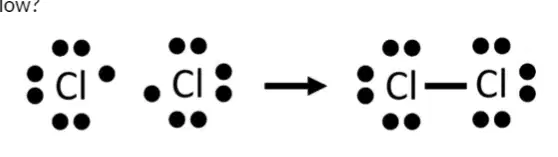
Which process is taking place in the diagram below?
Electron transfer
Electron sharing
Electron gain
Electron loss

Which of the following is the reason why atoms of sodium and chlorine attract each other in a salt crystal?
Sodium has a positive charge and chlorine has a negative charge
Sodium has a negative charge and chlorine has a positive charge
Both have a positive charge
Both have a negative charge
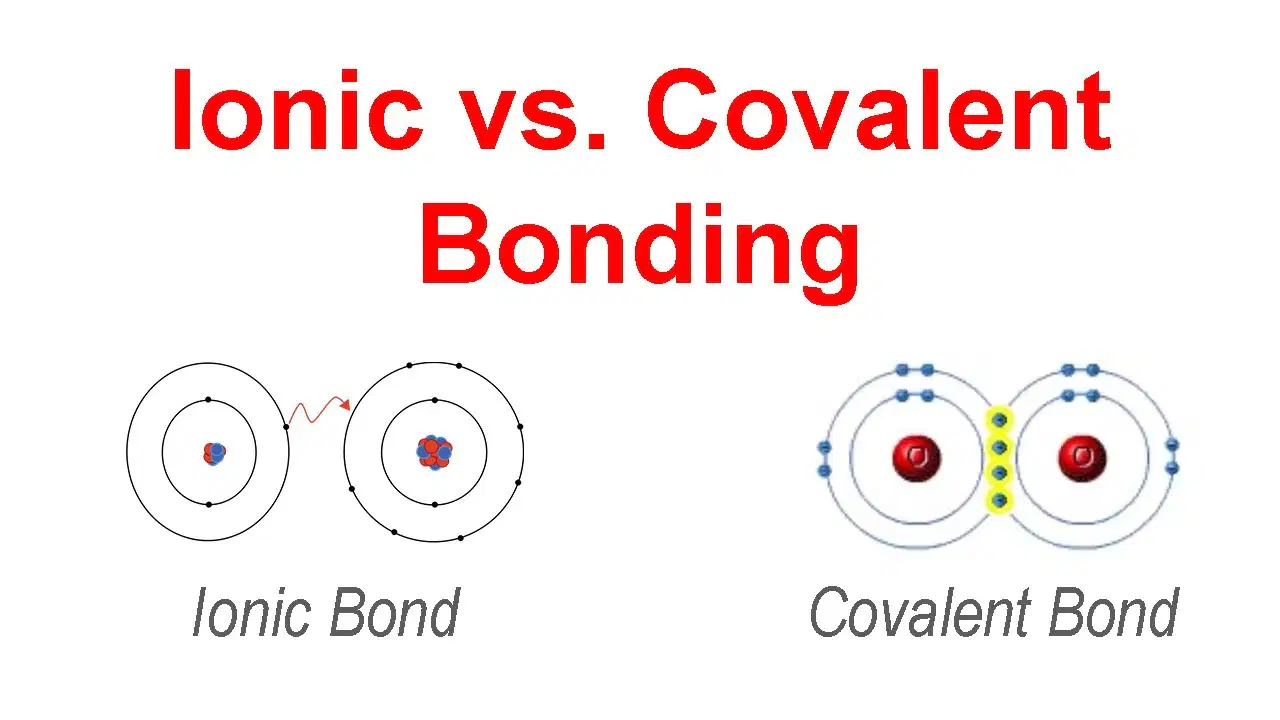
Which of the following is a similarity between ionic and covalent bonds?
Both include the gaining and losing of electrons
Both include the sharing of electrons
Both make the elements more stable
Both are typically found as solids at room temperature.
Which element is most likely to gain electrons in a chemical reaction?
Kr
K
Br
Ca
What is true about a car with constant velocity?
it has a positive acceleration
it has zero acceleration
it has a negative acceleration
it has a changing direction

If you ride your bicycle down a straight road for 500 m then turn around and ride back to your starting point, your distance is _____ your displacement.
greater than
equal to
less than
can’t determine
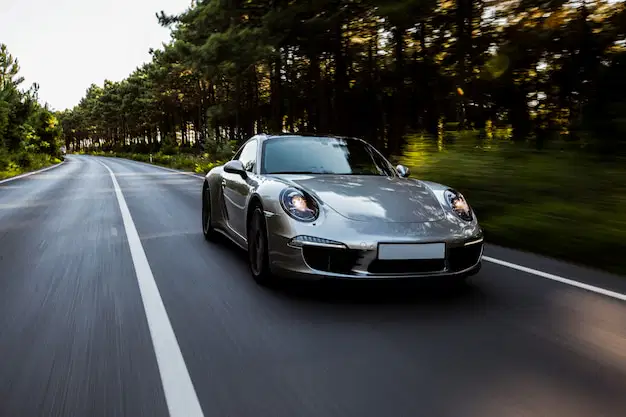
How long will it take a Porsche traveling at 25 m/s to reach a distance of 125 meters?
5 s
0.2 min
5 m
0.2 s
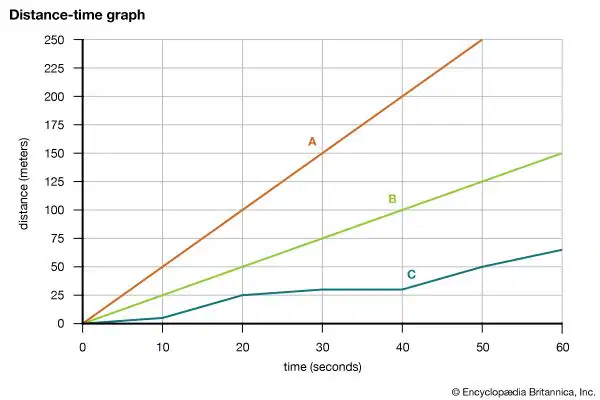
What does the slope of a distance vs. time graph tell you?
the total distance traveled
the speed of the object
the time it took for the object to travel
the acceleration
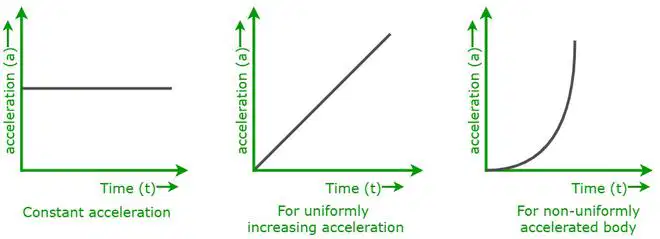
Acceleration is rate of change of ____.
position
time
velocity
speed
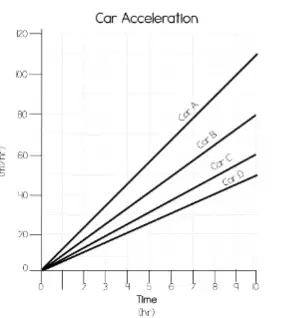
The graph represents the change in velocity of four cars over a period of 10 hours. Which line represents the car with the greatest acceleration?
A
B
C
D

A firefighter feels the hose pushing backwards onto him as he uses it to put out a fire. What is the most likely cause of this?
The hose material is very elastic.
Since the hose is at rest, it tends to stay at rest.
The force exerted on the water equals the mass of the water times its acceleration.
The escaping water exerts an equal and opposite force on the hose.
According to Newton’s laws, for any object, the greater the force that’s applied to it, the greater its _____ will be.
acceleration
inertia
gravity
size
Calculate the force on an object that has a mass of 10 kg and an acceleration of 4 m/s².
(force = mass x acceleration)
40 N
8 N
2.5 N
0.4 N
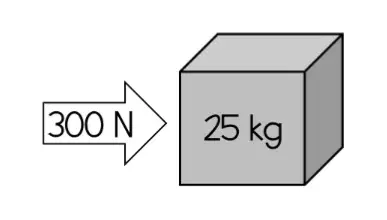
What is the acceleration of the box in the picture?
7,500 m/s²
300 m/s²
25 m/s²
12 m/s²
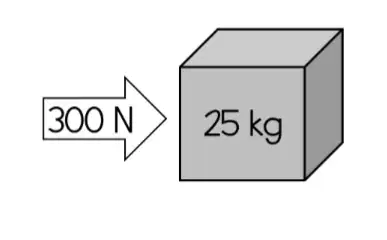
What is the weight of the box in the picture?
(force of gravity = 10 m/s)
25 kg
25 N
250 N
250 kg
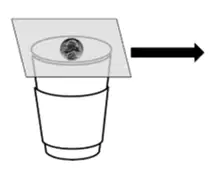
In the picture to the right, if the card were quickly pulled off the cup like the arrow suggests, what property would explain why the coin falls into the cup rather than moving with the card?
friction
force
inertia
air resistance
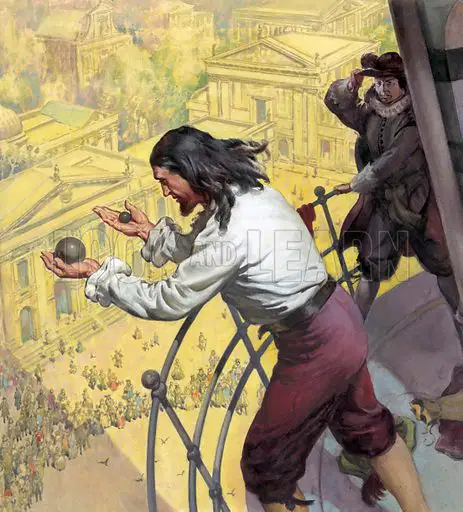
When an object is dropped what happens to potential and kinetic energy as it falls?
PE goes up, KE goes down
PE goes up, KE goes up
PE goes down, KE goes down
PE goes down, KE goes up
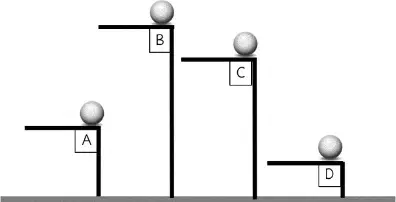
Which ball in the picture below has the greatest potential energy?
A
B
C
D
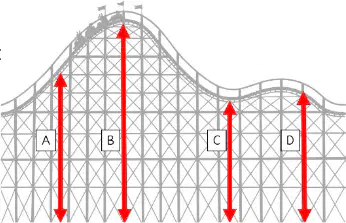
In the diagram to the right, a roller coaster car starts from rest and moves down the track. At which point does the roller coaster car have the greatest potential energy?
A
B
C
D

How much force is required to lift a rock a vertical distance of 8 m if 80 J of work were done?
80 J
80 N
10 J
10 N
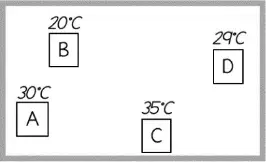
The diagram to the right shows four locations in a temperature field. The temperature of each location is given in degrees Celsius. Heat energy will go from _____ to ______:
D to A
C to B
B to D
B to C
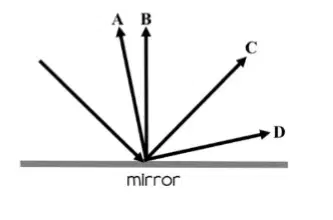
A ray of light falls on the mirror pictured to the right. Which ray best describes the path of the light reflected from the mirror?
A
B
C
D
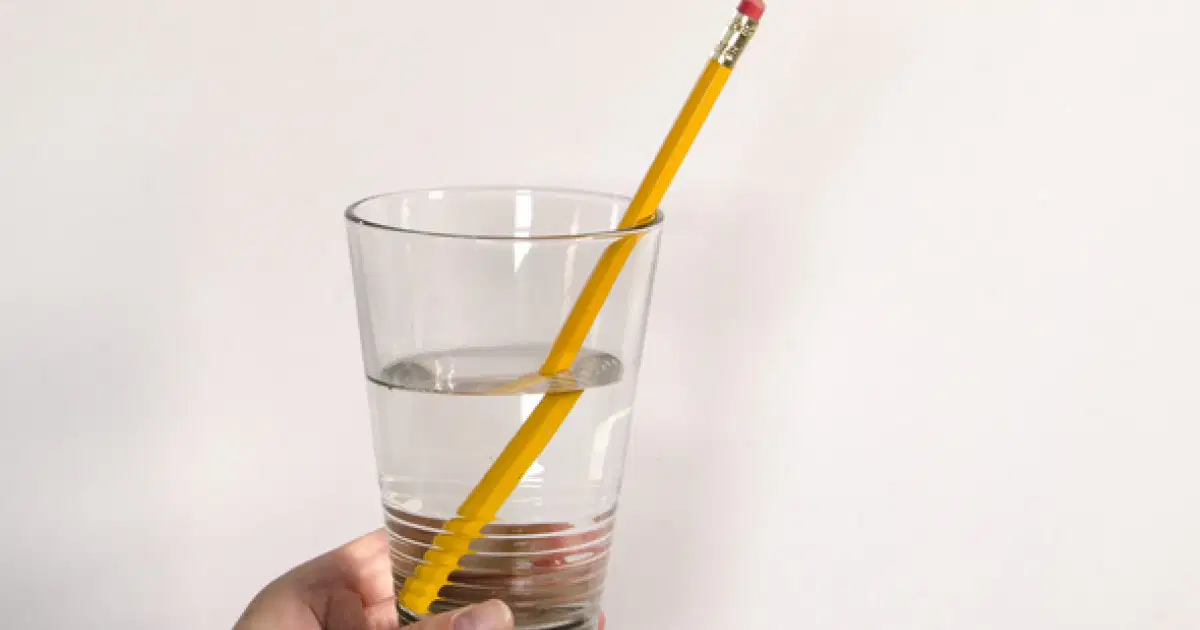
The picture shows which wave behavior?
absorption
reflection
diffraction
refraction

An echo is an example of sound wave __________.
absorption
reflection
diffraction
refraction
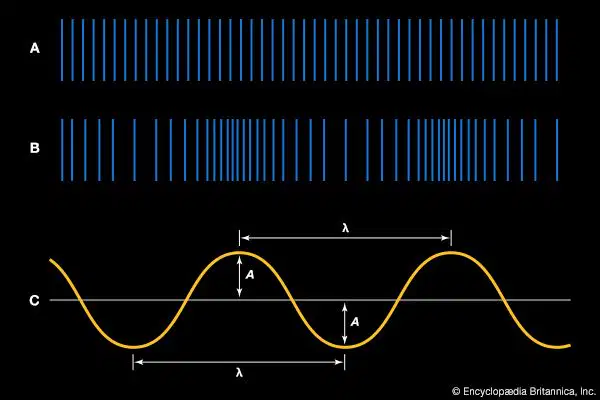
Which is an example of a compressional wave?
X-ray
gamma ray
sound wave
water wave

Waves that have the matter moving back and forth at right angles to the direction that the wave travels are known as _______________ waves.
mechanical
transverse
compressional
diffraction

Which electromagnetic wave has the most energy?
Radio waves
Microwaves
Infrared waves
Gamma rays
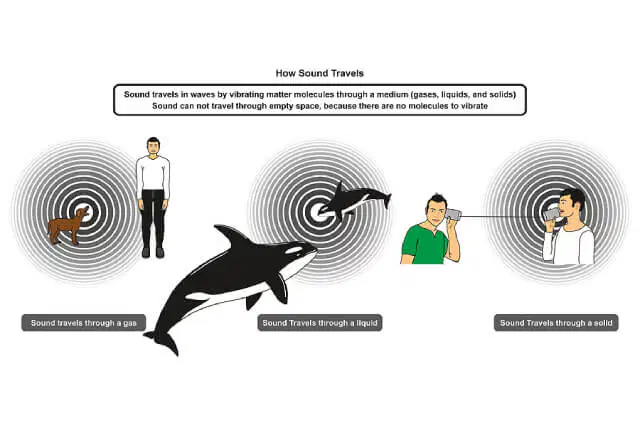
Sound waves travel the fastest in:
a solid
a liquid
a gas
empty space

Gas
E
Liquid
C
Freezing or Melting
B
Solid
A
Condensing or Boiling
D
The temperature at which pure ice melts is ___________.
0°C
100°C
-100°C
98.6°F
What is the primary reason a metal spoon feels colder than a wooden spoon at room temperature?
Metal is heavier than wood.
Metal reflects more light than wood.
Metal has a higher density than wood.
Metal is a better conductor of heat than wood.
Which of the following is an example of a chemical change?
Breaking of glass
Rusting of iron
Boiling of water
Melting of ice
What is the process called when a gas turns into a liquid?
Freezing
Sublimation
Condensation
Evaporation

Match the letter in the picture with the word
A
all solid
B
melting/
freezing
C
all liquid
D
vaporizing/
condensing
E
all gas

