
 Worksheets
Mrs Vassos Topic 3 review
Total questions: 123
Worksheet time: 2hrs 1mins
The French and Indian War, the Proclamation of 1763, unfair taxes in the colonies, all led to --
World War I
American Revolution
World War II
Civil War

What is salutary neglect?
The king and parliament allow the colonists to govern themselves as long as they are making money for the mother country.
England ignores the 13 colonies because they're too busy with other things.
The colonies ignore the King's rules.
What two reasons were why the British decide to enforce new taxes?
To enforce a tighter grip on the colonists.
Because they felt like it.
They needed to save up to pay for the Revolutionary War.
They had massive debt from the French and Indian War they needed to pay.
Why did the Albany Plan of Union fail?
The British government told the colonies they weren't allowed to unify in this way.
The Iroquois nation backed out of the agreement.
The colonies didn't like each other.
No colony would give up their independence or power.

What message is this image trying to convey?
Snakes cannot survive if they are cut into pieces.
That the states/colonies needed to unite against the French and Native Americans or risk dying off.
It represents all the colonies under British control.
Benjamin Franklin believed snakes made the best pets.
What was the Proclamation of 1763?
It created a boundary separating the British colonies on the Atlantic coast from American Indian lands west of the Appalachian Mountain.
A statement made with the intention of aggravating the Native Americans.
Made it easier for people to expand westward beyond Appalachia.
Allowed citizens to to make agreements with the Native Americans.
Match the Following
Sugar Act (1764)
1st tax on imported molasses and sugar
Stamp Act (1765)
Taxed an array of paper products
Townshend Acts (1767)
Tax on imported goods
Tea Act (1773)
Cheap tea given directly to colonists
What was the colonists' slogan/battle cry during this time of struggle with the British?
Leave us alone!
The British are coming!
No taxation without representation.
Give me liberty, or give me death.

What ended the French and Indian War?
General Braddock's defeat.
Capturing the French islands in the West Indies
Taking over the capital of Cuba.
Winning at Quebec and capturing Montreal.
What is another name for the French and Indian War?
The Nine Years’ War
The Seven Years’ War
The France and Britain
Where was General Braddock ambushed during the French and Indian War?
Warwick Neck
at his house
Fort Duquesne
Fort Necessity
Most Native Americans sided with the French but the what tipped the balance to the British
Iroquois Confederancy
Union Confederancy
Which treaty ended the French and Indian War in 1763?
Treaty of London
Treaty of Versailles
Treaty of Paris
Treaty of Vienna
What role did George Washington play in the French and Indian War?
Politician
Surveyor
Solider
British military officer
What were the major battles of the French and Indian War?
Battle of Lexington, Battle of Concord, Battle of Bunker Hill, Battle of Saratoga
Battle of Yorktown, Battle of Trenton, Battle of Princeton, Battle of Brandywine
Battle of Gettysburg, Battle of Antietam, Battle of Fredericksburg, Battle of Chancellorsville
Battle of Fort Necessity, Battle of the Monongahela, Battle of Quebec, Battle of Montreal
The tide turned in the war when this man was chosen Prime Minister of Great Britain and took over war strategy
Edward Braddock
Benjamin Franklin
George Washington
William Pitt
Many of the French colonists in North America took part in this trade
Cash crops
Fur trade
Mercantilism
Slave trade
This was located at the intersection of three rivers, making it an ideal trading post
Fort Duquesne
Iroquois Confederacy
Fort Necessity
Appalachian Mountains
Which of the following was an outcome of the French and Indian War?
The French gained the Ohio River Valley
The Spanish gained Florida
British became largely in debt
French owed money to the Spanish
Match the following
regulated trade with other colonies and other nations
Navigation and Trade Acts
forbade settlement west of the Appalachians
Proclamation of 1763
Intolerable Acts
a series of acts designed to punish
alerted the colonies of British threats
Committee of Correspondence
taxed the work of businesses; like lawyers and print3res
Stamp Act
The defeat of this city led to the fall of New France
(a)
Who was the king of Britain while colonial discontent grew?
(a)
Who said "Give me liberty, or give me death"?
(a)
What saying became the slogan for colonists opposed to new British taxes?
Name the Era we are currently studying -
Exploration Era
Revolutionary Era
Constitution Era
Colonization Era

What was the date the Continental Congress adopted the Declaration of Independence?
July 4,1776
August 2, 1776
April 18, 1776
December 16, 1773
rights that cannot be taken away
unalienable rights
natural rights
just powers
consent of the governed
What three "inalienable" rights are found in the Declaration of Independence?
health, property, and liberty
liberty, property, and independence
life, liberty, and the pursuit of happiness
trade, life, and health
What does the Resolution Statement of Independence mean from the Declaration of Independence -
States all of the complaints the colonists had against the King and Parliament
Introduction; States why the declaration is being written
Where delegates to Congress signed their names
States the colonies independence from Britain
Fought for Women's Equality, "Remember the Ladies"
Abigail Adams
Mercy Otis Warren
Queen George II
Queen Elizabeth
·Common Sense was a pamphlet Thomas Paine published to distribute in the colonies to...
explain to Britain why they should end the quartering act
influence more people to join the independence movement.
to join the Loyalist party
abide by the Intolerable acts
After the Battle of Yorktown (1781), which treaty gave the U.S. independence from Great Britain?
Ghent
Guadalupe Hidalgo
Paris
Who was General and Commander in chief of the Continental Army?
Alexander Hamilton
Benjamin Franklin
Thomas Jefferson
George Washington
Chronology: Battles of the American Revolution
Concord and Lexington, Saratoga, and Yorktown
Lexington and Concord, Yorktown, and Saratoga
Yorktown, Saratoga, Lexington, and Concord
Saratoga, Yorktown, Lexington, and Concord
Which general surrendered at Yorktown, the last battle of the Revolutionary War?
Cornwallis
Washington
What did the colonists call the laws that were passed as a punishment for the Boston Tea Party?
The Boston Massacre
The Intolerable Acts
The Stamp Act
The Quartering Act
Where were the first shots fired of the Revolutionary war?
Saratoga
Lexington
Boston
Trenton

Where did General George Washington camp the Continental Army for training over the bitter winter of 1777-78?
Delaware
New York City
Yorktown
Valley Forge
What battle is considered the 'Turning Point' in the American Revolution because it convinced the French to join the Patriots?
Battle of Saratoga
Battle of Bunker Hill
Battles of Lexington and Concord
Winter at Valley Forge
What was the last major battle in the Revolutionary War?
Battle of Lexington and Concord
Battle of Saratoga
Battle of Yorktown
The 9/4/23 matchup of the Houston Astros and Texas Rangers (Astros won 12-3)
What was the main argument by Patriots from being unfairly taxed and bossed around by Great Britain?
"No taxation without representation!"
"No taxes without consent!"
"Death to Britain!"
"I have not yet begun to fight!"
Name the Era we are currently studying -
Exploration Era
Revolutionary Era
Constitution Era
Colonization Era
After the Battle at Saratoga, who agreed to come and help the Americans.
Spain
France
Canada
Germany

What was the name of the British king during the American Revolution?
Charles III
George III
William III
James III


A professional soldier hired to serve in a foreign army
Hessian
Mercenaries
Minutemen
Militia
A military force that is raised from the civil population to supplement a regular army in an emergency
Siege
Patriot
Mercenary
Militia
Militiamen who volunteered to be ready for service at a minute's notice
Hessian
Patriot
Loyalist
Minutemen

These British soldiers were referred to as:
Redcoats or Lobsterbacks
Mountainmen
Minutemen
Navy Seals
Match the person with their actions

Warned her neighbors of a British attack

fought at Battle of Monmouth

killed while protesting against taxes

Fought for the British

Polish general and engineer for US
Many foreigners helped the Patriot cause after Saratoga. Marquis de' Lafayette was from (a) and served as an aide to Washington. Kosciuszko and Pulaski were from (b) . Baron von Steuben from Prussia (Germany) helped (c) the Patriot army at Valley Forge.
match the vocabulary with the definition
militia
a volunteer soldier
patriot
colonist who wanted freedom
loyalist
colonist who supported the British
blockade
stop ships from entering a port
siege
surround a city and stop supplies
The British strategy was to control the (a) River and cut off New England from the (b) colonies. The British also wanted to capture (c) where the Continental Congress met.

Who am I?
2nd President
Defended the Redcoats at the Boston Massacre
Helped write the Declaration of Independence
George Washington
John Adams
Thomas Jefferson
Marquis de Lafayette
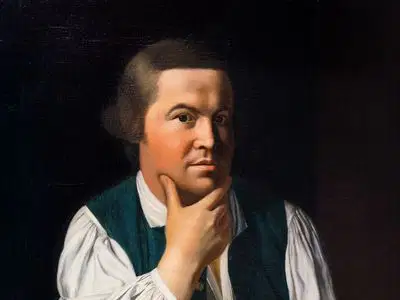
Who am I?
Famous for the MIDNIGHT Ride
Warned of the British coming before the Battles of LEXINGTON and Concord
Artist of Boston MASSACRE engraving.
Paul Revere
John Adams
Thomas Jefferson
Marquis de Lafayette

Who am I?
Killed at the Boston Massacre on March 5, 1770
Paul Revere
John Adams
Crispus Attucks
Marquis de Lafayette
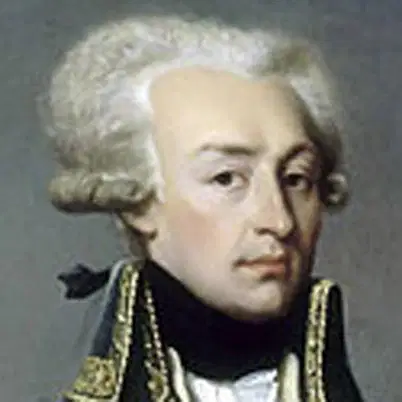
Who am I?
French Military Officer
Fought with the Continental Army
Paul Revere
Marquis de Lafayette
Crispus Attucks
James Armistead
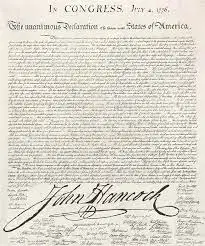
Who am I?
President of Second Continental Congress
Known for signing the Declaration of Independence
King George III
General Cornwallis
George Washington
John Hancock
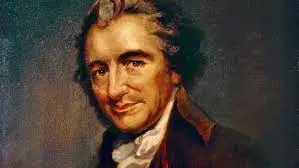
Who am I?
Believed that there was a need for independence and wrote about it in a pamphlet called “Common Sense”
King George III
Thomas Paine
George Washington
John Hancock
Match the following People to what they did-
Benedict Arnold
American Leader of the Revolution that betrayed the Patriots and went to fight for the British
George Washington
Leader of the Continental Army
John Paul Jones
Father of the American Navy
King George III
Tyrant leader that was in charge of the Colonies before they rebelled.
Thomas Jefferson
Writer of the Declaration of Independence and Founding Father
The Declaration of Independence states that the purpose of the government is to secure and protect the natural born rights (permanent) of citizens. What are the permanent rights we all have?
life, liberty, pursuit of a job
liberty, freedom, pursuit of happiness
life, liberty, pursuit of happiness
life, freedom, do what we want
To Great Britain, the signing of the Declaration of Independence was
an act of bravery
an act of treason
an act of insanity.
an act of loyalty.
Who wrote the Declaration of Independence?
George Washington
John Adams
Thomas Paine
Thomas Jefferson
Jefferson's main purpose in writing the Declaration of Independence was:
to make up with KG3 and ask forgiveness.
to explain to the world why they were leaving Britain.
to show everyone what a great writer he was.
to ask the king to open up the Boston Harbor for trade.
The first section of the Declaration states that the colonies are leaving King George III and this document will explain why.
True
False
There were 56 signers to the Declaration of Independence.
True
False
The Declaration of Independence includes all of the following EXCEPT:
The 4 principles we have based our government on.
A section that says the colonies are TELLING King George III that they are now a free nation.
The amount of money King George III took from the colonies.
A list of all of the bad things King George III did to the colonies.
According to Thomas Jefferson, the power to rule comes from
The king
God.
Parliament
the citizens, the people
Why did Thomas Jefferson say that King George III was an unfit ruler?
He was not born in Great Britain.
He lived far away from the colonies.
He denied the colonists their rights.
He was not elected by Parliament.
The Declaration states that the purpose of the government is to:
make all the decisions
rule over the land
protect the rights of the people
to collect taxes
When was the Treaty of Paris between the United States and Great Britain signed?
December 16, 1773
April 19, 1775
July 4, 1776
October 19, 1781
September 3, 1783
Who were the three Americans that were involved with the negotiation of the treaty?
George Washington, Thomas Jefferson, and Benjamin Franklin
Benjamin Franklin, John Adams, and John Jay
John Adams, Thomas Jefferson, and Benjamin Franklin
James Monroe, John Adams, and Thomas Payne
John Jay, John Adams, Samuel Adams
Which article of the treaty was the most important to the Americans?
That the United States owned the fishing rights in the Grand Banks
That the United Sates would cease confiscating the property of British loyalists
That Great Britain recognize the United States as a free and independent country
That both Great Britain and the United States have access to the Mississippi River
That the treaty be ratified by both countries within six months of the initial signature
Which had a greater population at the beginning of the Revolution: Britain or the colonies?
Britain
The colonies
Where in the colonies did the Loyalists have the strongest presence?
New England
The Middle colonies
The Southern colonies
The Loyalists did not have a strong presence anywhere in the colonies
The colonies relied heavily on what kind of armed force?
Professional troops
Militias
Mercenaries
None of the above
Which of the following represented a geographical disadvantage for the British?
Being trapped by the Appalachian mountains
Having to cross the Atlantic Ocean
Fighting on their home ground
Being unaccustomed to the harsh New England winters
The British relied heavily on which kind of armed force?
Professional troops
Hessian (German) mercenaries
Militias
None of the above
By the end of the Revolutionary War, all of the colonies had allowed African Americans to serve in the Continental Army.
True
False

What effect did the battles of Trenton and Princeton have on the colonists?
They Americans won and it boosted morale
The Americans lost and many soldiers deserted
The Americans won, but they lost many soldiers
What surprising thing did Washington and his troops do on Christmas Day 1776?
Fled to Canada
Attacked British Troops near Trenton
Surrounded Cornwallis at Yorktown
Eat a Christmas feast
Warfare tactic used by the Patriots
linear tactics
Napoleanic tactics
guerilla warfare
total warfare
A person who betrays his or her country
Patriot
Loyalist
Traitor
Mercenary
Which of the following was NOT an advantage for the British during the American Revolution?
50,000 troops
30,000 Hessians
Strong Patriotism
Powerful Navy
Which of the following was an advantage for the Patriot forces?
Amount of soldiers
Amount of supplies
Amount of Money
Foreign support

This picture is associated with the difficult winter that endured by Washington's army at what location?
Valley Forge
Saratoga
Philadelphia
Yorktown
What was the goal of the Olive Branch petition?
Remain with Great Britain
Join Canada
End the Revolutionary War
The first to use guerrilla warfare, nicknamed the "Swamp Fox"
Francis Marion
John Paul Jones
Nathaniel Greene
Salem Poor
Who spied FOR the Americans and was later executed by the British?
Benedict Arnold
Abigail Adams
Nathan Hale
Salem Poor
Prussian soldier who trained Continental soldiers
Baron Friedrich von Steuben
Eduardo Hernandes
Bernardo de Galvez
Who led the Green Mountain Boys?
Nathaniel Greene
John Paul
Richard Henry Lee
Ethan Allen
Mary Ludwig Hays McCauley
took her husband's place in the battle of Monmouth
hung laundry in a fashion to act as spy code
wrote poetry
Breed's Hill
site of the Battle of Bunker Hill
site of Gettysburg
George Washington died here
Thaddeus Kosiuszko
Polish engineer who helped the Continental Army
helped horses cross the Delaware
built the first bridge in the colonies
Where John Burgoyne was forced to surrender
Battle of Yorktown
Battle of Saratoga
Battle of Long Island
Match the following
Alliance
Two or more countries work together
Treaty
A written agreement between two groups
War
A long time of battles
Battle
A fight between two countries
Who created the first flag of the United States?
Betsy Ross
George Washington
Thomas Jefferson
Match the event with the year
1775
The Revolutionary War begins
1776
Declaration of Independence is written
1777
Betsy Ross creates the first flag
1778
United States creates an alliance
1783
Treaty of Paris ends the war
The Revolutionary War only had battles in New York and New Jersey.
True
False
New Hamphsire
New England
Middle
Southern
Massachusetts
New England
Middle
Southern
Connecticut
New England
Middle
Southern
Rhode Island
New England
Middle
Southern
New York
New England
Middle
Southern
Pennsylvania
New England
Middle
Southern
New Jersey
New England
Middle
Southern
Maryland
New England
Middle
Southern
Delaware
New England
Middle
Southern
Virginia
New England
Middle
Southern
North Carolina
New England
Middle
Southern
South Carolina
New England
Middle
Southern
Georgia
New England
Middle
Southern

