
 Worksheets
HEALTH QUIZ on Chapter 28 "Community & Environmental Health"
Total questions: 50
Worksheet time: 2hrs 40mins

Homes, schools, communities, and nature can be considered an environment.
True
False

_________ means air is suitable and clean enough for humans in both inside and outside environments.
Climate change
Infectious diseases
Air quality
Pollution

________ introduces harmful materials into an environment.
Climate change
Infectious diseases
Air quality
Pollution
Pollution does not typically affect which of the following?
Air quality
Water safety
Soil health
Outer space
The study of how environmental factors affect human health & quality of life:
environmental health
biodiversity
population ecology
biology
Which type of chemical hazard may be found in your home? CHECK ALL CORRECT ANSWERS.
batteries
carbon monoxide
pesticides
lead
Substances released into the environment that negatively impact people, wildlife & other parts of the environment:
carcinogens
pollution
pathogens
allergens
The government agency responsible for protecting our land, air, & water is the:
CDC (Centers for Disease Control)
HIPPO
DOJ
EPA

Substances that contaminate the environment and can harm people are (a) .

(a) is fog that has mixed with smoke and chemical fumes.

You can see bacteria and viruses in contaminated water. (a)

Federal and state governments have passed laws to promote a safe environment. The _____________________ (EPA) is the federal government agency that sets rules and regulations to protect people’s health and the environment in the United States.
Estate Protective Agent
Element Proactive Agency
Environmental Protection Activity
Environmental Protection Agency

Biodegradable products break down without causing harm to the environment. (a)
Which best describes the benefits of a healthy environment?
Less disease, less health care costs
Active community involvement
More budget for health problems, increased supply of medicines

What environmental problem does this picture depict? (a)
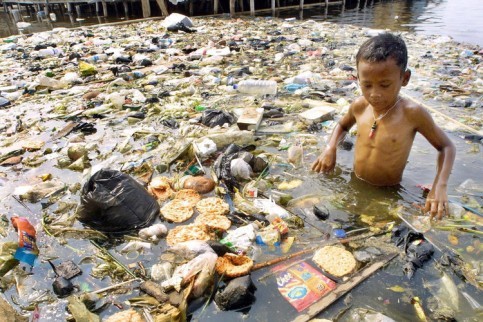
(a) is the introduction of chemical, physical, or biological agents into water that degrade water quality and adversely affect the organisms that depend on the water.
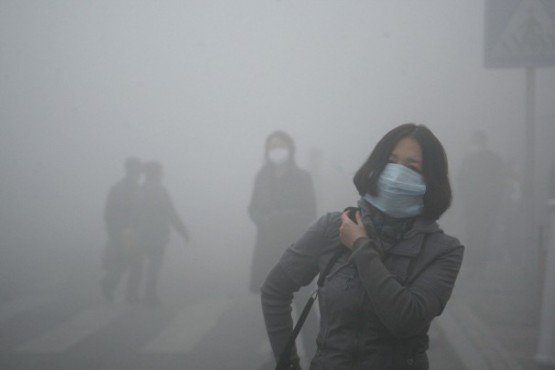
This picture shows people walking through a highly-polluted city in China. From what type of pollution are they protecting themselves based on what they are wearing? (a)
It refers to the health status of a defined group of people and actions to protect and and improve the health of the community.
Community Health
Health Education
Population Health
Health Promotion
Which of the following refers to any method used to discard unwanted substances or materials?
Pollution
Waste Disposal
Recycling
Climate Change
Which of the following is the benefit of proper waste disposal?
Increase toxic emissions
Spread of any diseases
Smelly pollutions
Avoid water pollution

Exposure to high concentrations of which of the following substances can cause kidney and brain damage?
Lead.
Acid rain.
Asbestos.
Sulfur dioxide.
Which of the following is not a way to manage environmental issues in our community?
Recycling
Reduce food waste
Increase the use of plastics
What does the Clean Air Act regulate and protect the public from?
Wild Life
Bad Air Pollutants
Aquatic Lifeforms
Litter on the streets
Public health services are mostly for the benefit of people who have chronic illnesses.
True
False
Which of the following is not an environmental issue?
Nuclear waste
trash dumping
Eating cheeseburgers
removing forests
A federal health insurance program for Americans 65 and older is called:
Medicaid
Medicare
Affordable Care Act
A brownish haze that sometimes forms in urban areas. It irritates the lungs and makes breathing difficult.
Air Pollution
Smog
Greenhouse Effect
Climate Change
Used to measure noise or sound.
Carbon monoxide
Asbestos
Radon
Decibel
Harmful, unwanted sound that can be loud enough to damage hearing such as traffic, loud music, construction equipment, and power tools such as lawnmowers.
Air Pollution
Noise Pollution
Climate Change
Greenhouse Effect
Nose levels of 130 decibels or higher can cause short and long-term hearing damage
True
False
Able to be broken down by microorganisms in the environment.
Biodegradable
Landfills
Hazardous Waste
Wastewater
Waste materials with properties that make them dangerous to human health or the environment.
Biodegradable
Landfills
Hazardous Waste
Wastewater
Can contain pollutants such as human & animal wastes, metals, and pathogens.
Biodegradable
Landfills
Runoff
Wastewater
All health care professionals you see on a regular basis- your doctor, your dentist, pharmacist, etc..
Health Care System
Primary Care Physician
Specialist
Health Insurance
A medical doctor who provides physical checkups and general care.
Health Care System
Primary Care Physician
Specialist
Health Insurance
A medical doctor who focuses on particular kinds of patients or on particular medical conditions.
Health Care System
Primary Care Physician
Specialist
Health Insurance
A complete and comprehensive record of your immunizations and any health problems you have had to date.
Medical History
Health Insurance
Premium
Deductible
Private and government programs that pay for part or all of a person's medical costs.
Medical History
Health Insurance
Premium
Deductible
A specific amount of money a patient pays for a particular service.
co-insurance
deductible
co-payment
escrow
What is the definition of noise pollution?
Noise pollution is the intentional creation of sound for entertainment
Noise pollution is the pleasant sound of nature
Noise pollution is the organized sound in an urban environment
Unwanted or disturbing sound that affects health and well-being
What are some common sources of noise pollution in urban areas?
Wind blowing through trees
Children playing in parks
Traffic, construction activities, industrial operations, loud music or events
Birds chirping
Which one is not a cause of noise pollution?


The sound level which is comfortable for the human ear.
80-85 decibels
120-125 decibels
60-65 decibels
100-105 decibels

