
Font size
 Worksheets
Chemistry Test Electrons TAPS 8B
Total questions: 74
Worksheet time: 2hrs 35mins

According to the periodic table what element is in group 9 period 4?
Hydrogen
Magnesium
Cobalt
Sulfur
According to the periodic table what element is in group 1 period 1?
Hydrogen
Manganese
Oxygen
Nitrogen

What two elements are in the same Period?
K - Potassium and Na - Sodium
Li - Lithium and Mg - Magnesium
B - Boron and C - Carbon
Zn - Zinc and N - Nitrogen
A _________ goes side to side on the periodic table.
Group
Period
A __________ goes up and down on the periodic table.
Group
Period
The _________ tells us how many valence electrons an element has.
Group
Period
Atomic Number
Element

There are_______ periods and _________ groups in the periodic table.
8, 7
18, 7
15, 10
7, 18

How many valence electrons does this atom have?
4
2
6

How many energy shells does Fe - Iron have?
26
2
4
55

How many valence electrons does Helium have?
2
4
6
8
How many valence electrons does Aluminum have?
1
3
5
7
How many valence electrons does this atom have?
4
2
6

The atoms on the right of the staircase are called
metalloids
non-metals
metals
noble gases

Elements which are dull, brittle, and poor conductors of electricity and heat are called...
metals
nonmetals
metalloids
Found in group 18 of the periodic table; non-reactive nonmetals
Alkali Metals
Alkaline Earth Metals
Halogens
Noble Gases

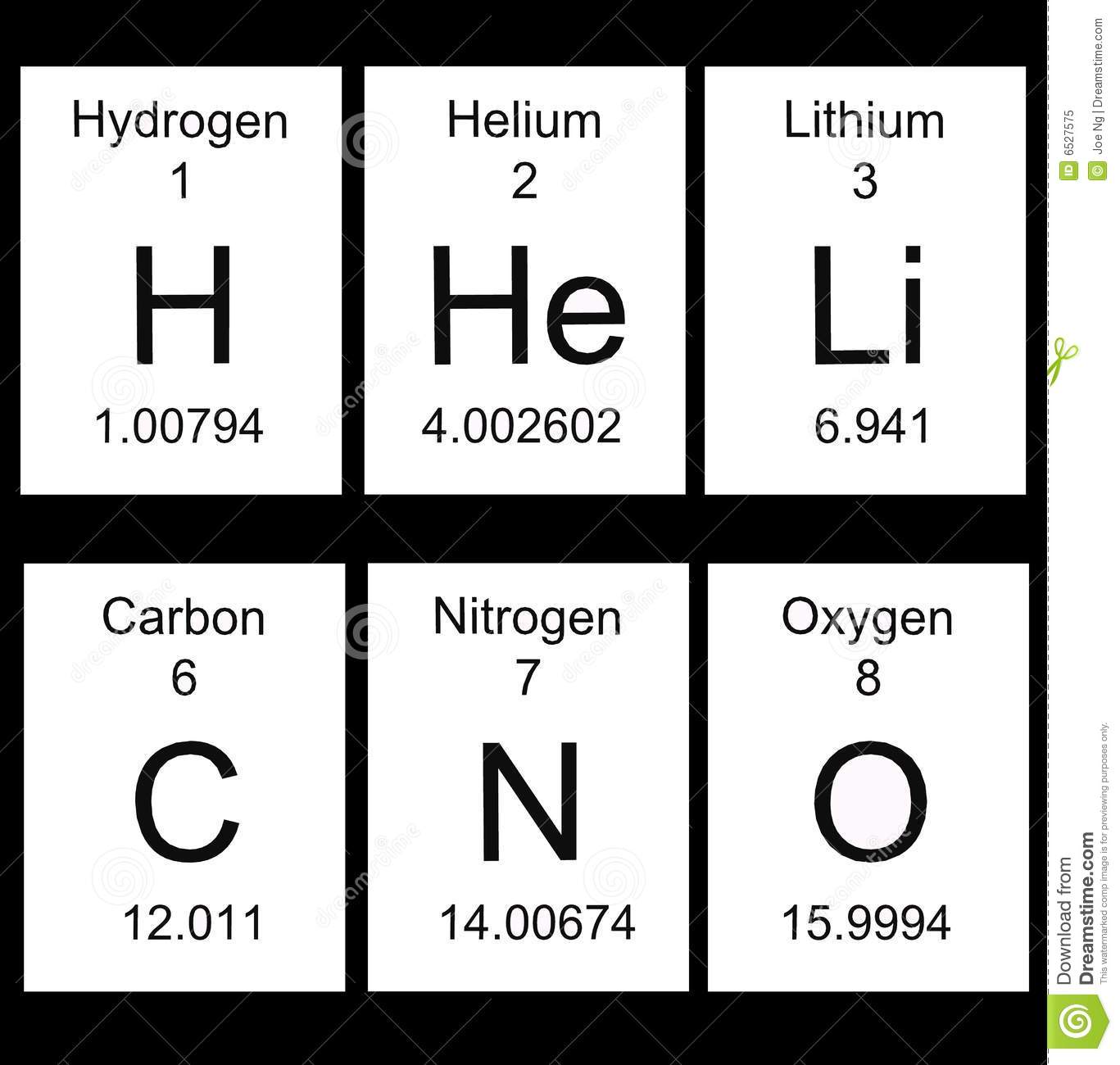
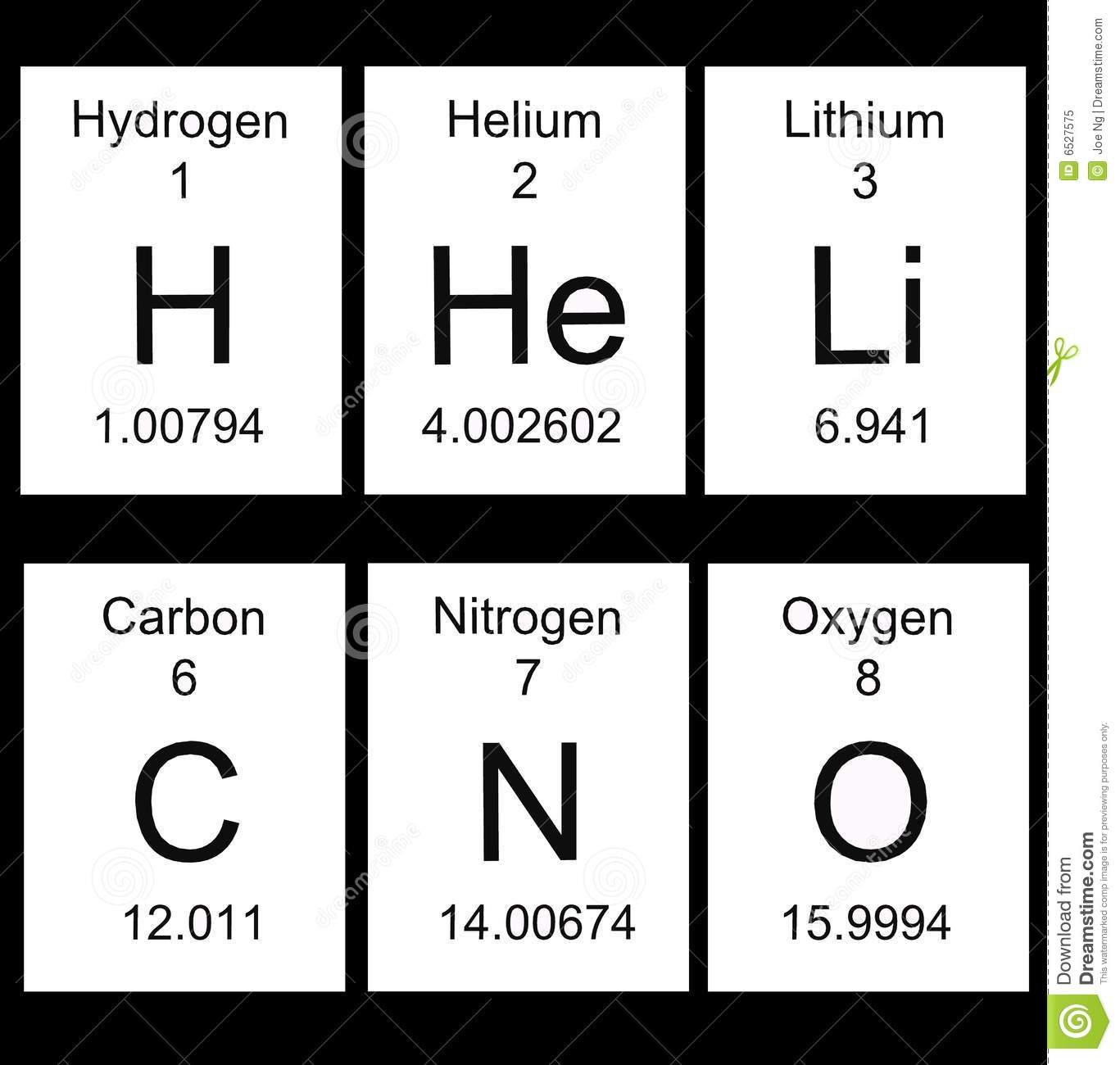
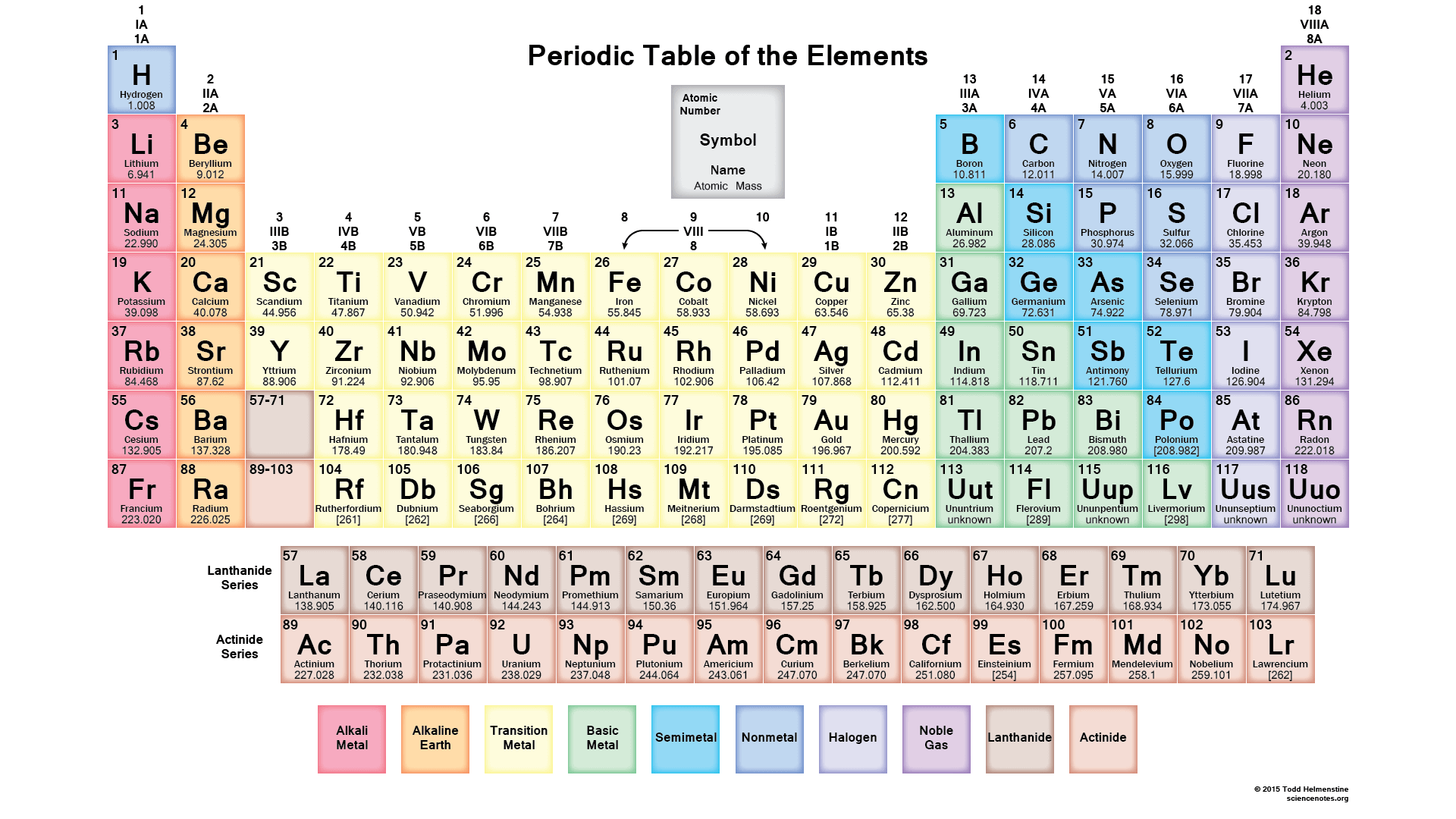

Which element would have similar chemical properties to Oxygen (O)?
Beryllium (Be)
Sulfur (S)
Nitrogen (N)
Molybdenum (Mo)
The Periodic Table is a catalog of the different types of
atoms or elements
electrons
neutrons
compounds
How did Chemists begin the process of organizing elements?
They assigned them in order as they were discovered.
They looked at the subatomic particles of the elements found and organized them in increasing order.
They used properties of the elements to sort them into groups.
There was not an order until after the year 1700 since they could not yet identify all of the elements.
What property did Mendeleev use to organize his periodic table?
increasing atomic number
increasing atomic mass
increasing electron number/# of orbitals
increasing size
What problems did Mendeleev have with organizing the entire Periodic Table?
A. Not all of the the elements had been discovered yet.
B. He had not yet finished his scientific studies and was unaware of how to organize the elements.
C. He was unaware of subatomic particles and they behave.
Options A and B
Options A and C
How are elements arranged in the modern periodic table?
increasing atomic number
increasing atomic mass
increasing electron number/# of orbitals
increasing size
The trend seen in the periodic table for proton number is:
they increase across a period.
they decrease across a period.
The trend seen in the periodic table for electron number (in neutral atoms) is:
they increase across a period.
they decrease across a period.
The trend seen in the periodic table for energy level number is:
they increase down a group.
they decrease down a group.
The trend seen in the periodic table for valence electron number is:
they increase across a period and match the group number.
they decrease across a period and match the group number.
they increase across a period and match the period number.
they decrease across a period and match the period number.
The relationship of the Alien Periodic Table Activity to the actual periodic table is
that trends or patterns can be seen going across the table.
that trends or patterns can be seen going down the table.
that trends or patterns can be seen both going across and down the table.
There is actually no relationship between the 2.
Which of the following subshells holds the least electrons?
s
p
d
f
Which of the following subshells holds the most electrons?
s
p
d
f
Which element has the following electron configuration:
1s2 2s2 2p6 3s2 3p2
Mg
Al
Si
P
What is the correct electron configuration for strontium (Sr)?
1s2 2s2 2p6 3s2 3p6 4s1
1s2 2s2 2p6 3s2 3p6 4s2
1s2 2s2 2p6 3s2 3p6 4s2 3d10 5s2
1s2 2s2 2p6 3s2 3p6 4s2 3d10 4p6 5s2
What is the correct condensed electron configuration for the ion Ca2+?
[Ar]
[Ar] 4s2
[Kr]
[Kr] 4s2
1s22s22p63s2

The highest energy sub level in Boron is...
1s2
2s2
2p1
Check all of the following that could actually exist in a correctly written electron configuration.
4s3
3p4
2p8
6d3
1s1
The orbital that fills AFTER 6s is
(a)
Identify the element with this electron configuration: [Ne] 3s1
(a)
Identify the element with this electron configuration: 1s2 2s2 2p5
(a)
Identify the element with this electron configuration: 1s2 2s2 2p6 3s2 3p6 4s2
(a)

What's the atomic number?
2
4.003
He
Helium
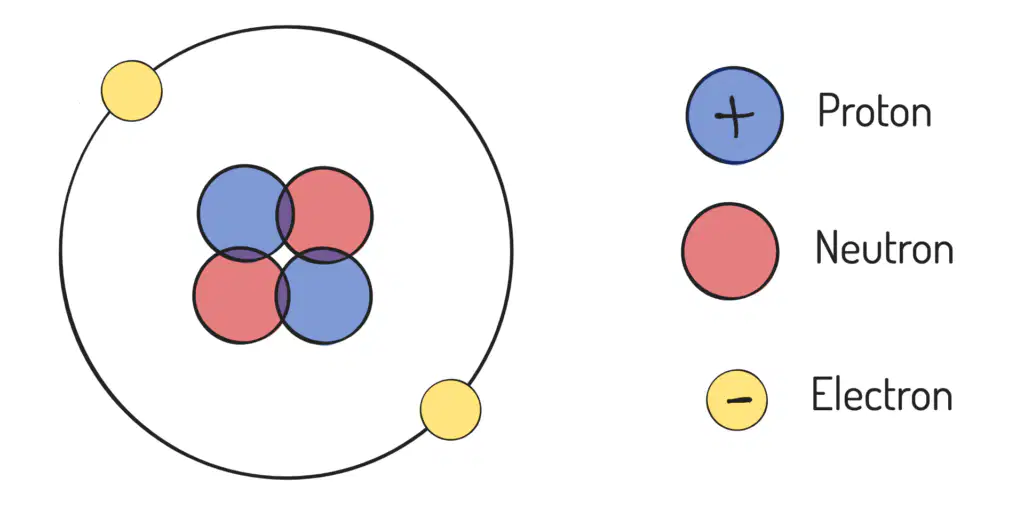
Which one is NOT a subatomic particle?
proton
electron
neutron
megatron
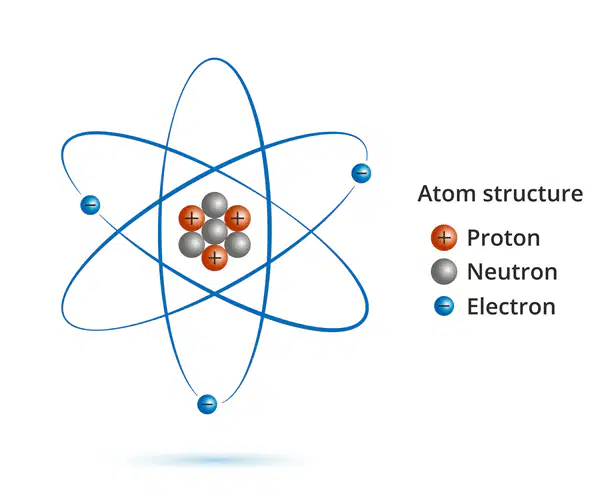
Electrons have a _____ charge.
neutral
negative
positive
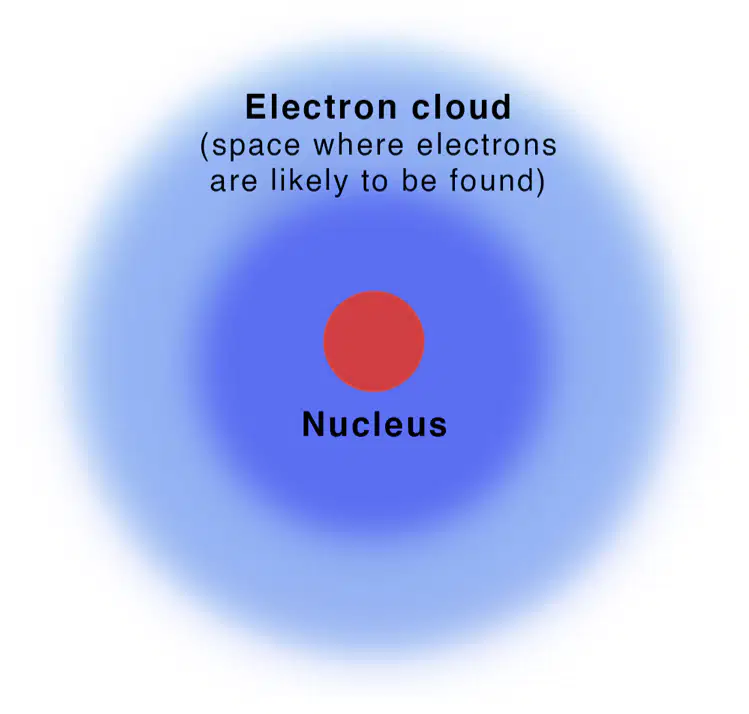
Where are protons and neutrons found?
nucleus
electron cloud
everywhere
nowhere


Valence electrons are important because they determine:
The atomic mass of an element
The chemical reactivity and bonding of an element
The number of neutrons in an atom
The stability of the nucleus
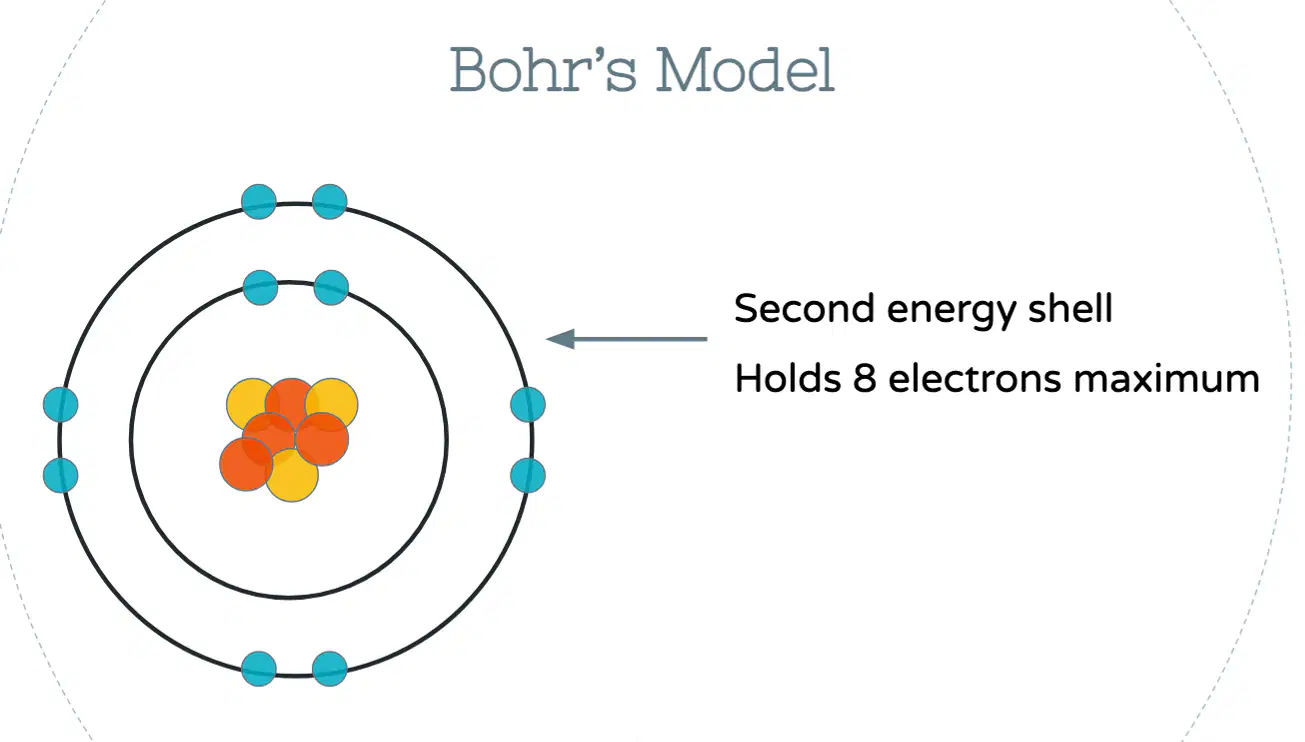
Which number of electrons are NOT permitted in the second energy shell?
1
8
10
6
True or false?
"Electrons can fill the second energy shell before fulfilling the first energy shell."
True
False
Depends
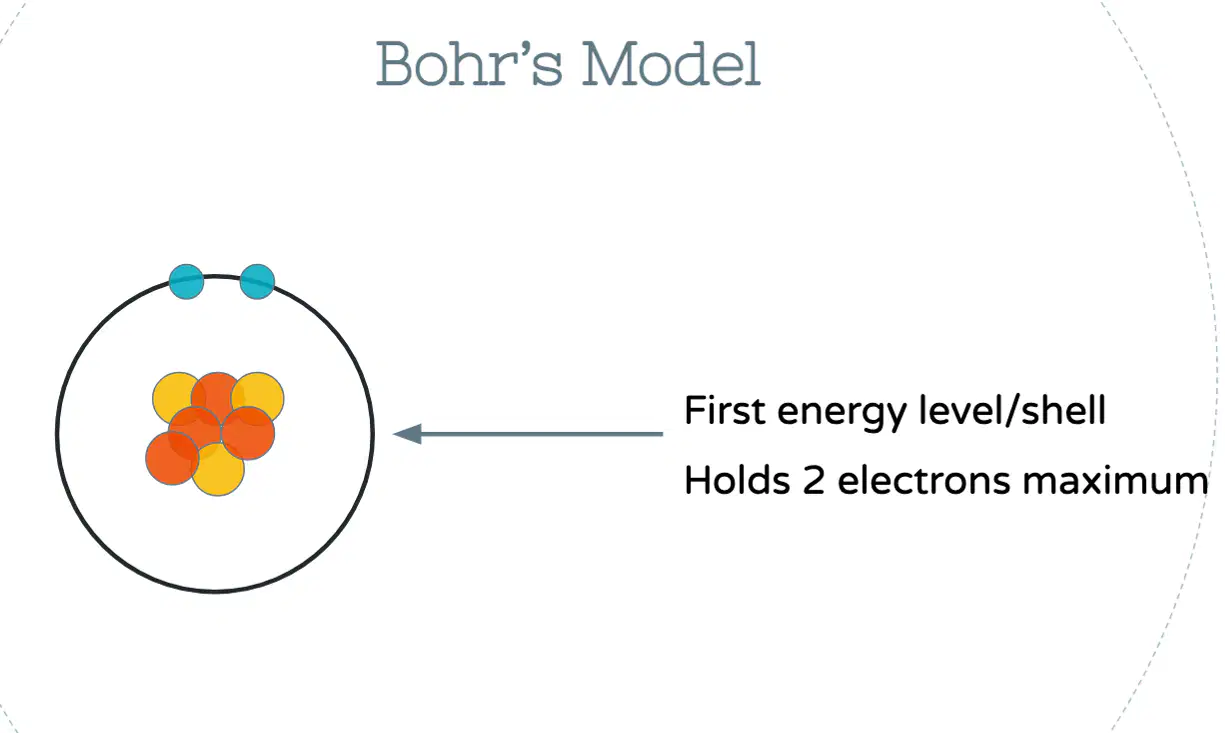
According to Bohr's Model, how many electrons can the first energy level/shell hold?
(a)
What concept did Bohr introduce regarding electron energy levels?
Electrons are stationary and do not occupy levels.
Electrons only occupy energy levels in pairs.
Electrons occupy quantized energy levels.
Electrons can exist in any energy level.
How do electrons transition between energy levels in Bohr's model?
Electrons transition by colliding with other particles.
Electrons transition by absorbing or emitting photons corresponding to energy level differences.
Electrons transition by moving in circular orbits without energy change.
Electrons transition by changing their mass.

Which element is this?
Nickel
Neon
Sodium
Nitrogen

How many electrons can the 3rd energy level hold?
1
18
16
2
Neils Bohr's atomic theory is similar to the concept of the
solar system
circles with dots
spinning wheel
None of the above


Match the following
Alkali Metals
1 valence electron and very reactive
Alkaline Earth Metals
2 valence electrons and very reactive
Halogens
7 valence electrons & highly reactive
Noble Gases
8 valence and completely unreactive
Transitional metals
Industrial materials, the 'd' block,
Which is NOT a way the periodic table gets organized?
alphabetic order
solid, liquid, gas
metal, non-metal, metalloid
natural, synthetic
Write the electron configuration for Hydrogen and for Chlorine. What are their characteristics? and would they want to Bond for stability? Why or why not?

