
 Worksheets
6th Grade Fall Semester Exam
Total questions: 70
Worksheet time: 4hrs 42mins
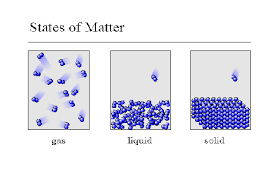
At higher temperatures
particles in an object have less kinetic energy
particles in an object move faster
a gas contracts

Which of the following states of matter has the LOWEST level of kinetic energy?
Solid
Liquid
Gas
Plasma
What is a chemical change?
the formation of a new substance with different properties; cannot be undone by physical means.
a representation of a compound in which the elements are represented by their symbols and subscripts represent the number of atoms of each element
change which alters the physical properties of a substance without changing its identity
the solid that is formed as a result of a chemical change
What is an element?
the formation of a new substance with different properties; cannot be undone by physical means
a pure substance made by chemically combining two or more elements; represented by a chemical formula
a substance that is not mixed with any other substance
a pure substance that cannot be broken down chemically into simpler substances
What is a change which alters the physical properties of a substance without changing its identity
Physical Change
Chemical Change
Compound
Element
What is the definition of matter?
A substance made up of at least two different pure substances
A type of mixture that is made up of two substances which keep their own properties
Anything that occupies space and has particles
A type of mixture that is uniform in composition
What type of elements border the “stair step” or “zigzag line”?
metals
nonmetals
metalloids
solids
What is a semiconductor?
an element that conducts electricity
an element that conducts electricity only under certain conditions
an element that does not conduct electricity
an element that barely conducts electricity
The majority of the elements on the Periodic Table are
metals
nonmetals
metalloids
solids
Copper is used as wiring in many homes because it is a _________ metal.
malleable
ductile
conductive
insulated
What kind of elements are dull and have low melting points?
metals
nonmetals
metalloids
megametals
What kind of elements are malleable and mostly solid?
metals
nonmetals
metalloids
megametals

I am malleable
Metal
Nonmetal
Metalloid

I am a good conductor of electricity and/or heat
Metals
Nonmetals
Metalloids

I am a solid all the time
Metals
Nonmetals
Metalloids

I could be shiny OR dull
Metals
Nonmetals
Metalloids
Which units of measurement are used for volume?
grams
centimeters
grams/milliliter
milliliter
Which lab tool might you use to measure the volume of a liquid?
electric scale
bunsen burner
test tube
graduated cylinder

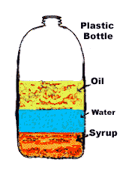
What is a chemical change?
A change in the way something reflects light
A change that involves one substance being pulled apart or combined with another substance to form a completely different substance
A change to a substance that occurs without forming a new substance
A pure substance composed of the same type of atom throughout
What is a physical change?
A change in the way something reflects light
A change that involves one substance being pulled apart or combined with another substance to form a completely different substance
A change to a substance that occurs without forming a new substance
A characteristic that can be observed or measured without changing the substance
The best evidence for the formation of a new substance is the observation of the
solid settling
solid disappearing
liquid remaining clear
bubbles forming
Which of the following describes a chemical change?
Water goes from liquid to gas when boiling
Ice goes from solid to liquid when melting
Gray iron turns reddish-brown when rusting
Steam loses heat when condensing
What is force?
The rate of an object's motion with direction
The rate of an object's motion
any push or pull
As force increases, acceleration __________.
increases
decreases
stays the same

What is the net force in this tug of war?
400 N
300 N
700 N
100 N
Balanced forces always cause no motion.
True
False
What are balanced forces?
Equal forces that don't cause change in an object's motion
The resistance in motion
The total force of an acting object
Unequal forces that cause change in an object's motion
What happens when forces are unbalanced?
It will cause change in the object's motion
It will not cause change in the object's motion
Newton is the unit for force.
True
False


What happens to the balloon if the air is released ?
Balloon goes right
Balloon goes up
Balloon goes down
Balloon goes left

What law is best described
1st
2nd
3rd
law of motion

This is described as the ability to cause change (do work)
Heat
Energy
Gravity
Kinetic
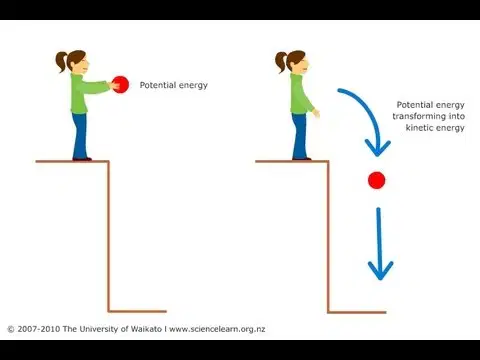
The energy an object has due to its position is _______ energy
Kinetic
Potential
Chemical
Nuclear
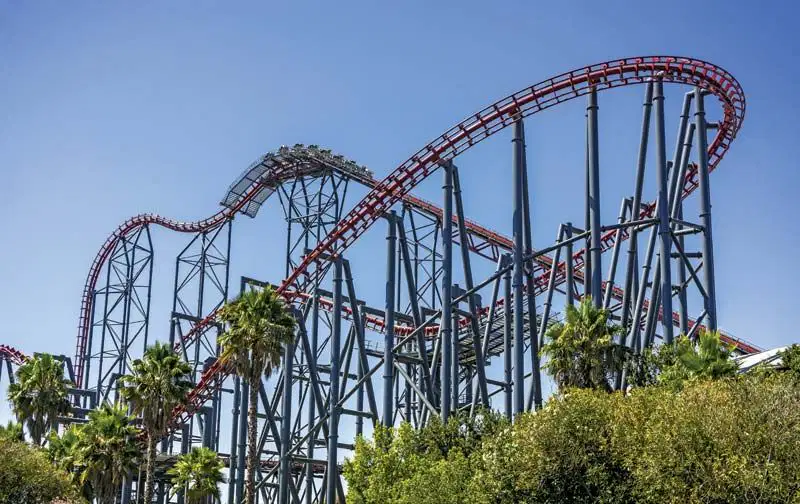
When a roller coaster begins to roll downhill it is changing stored energy into _______ energy
Kinetic
Potential
Chemical
Nuclear

The highest point on a wave is:
the crest
the trough
the top
the coast

Which word is used to identify the distance between points C & G?
Amplitude
Crest
Frequency
Wavelength
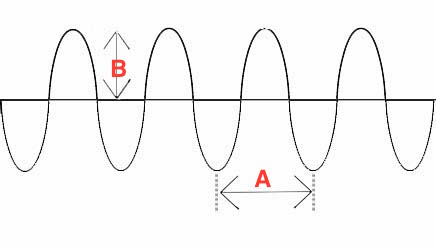
What property of the wave is represented by the letter "B"?
amplitude
crest
trough
wavelength


Imagine you are planning a global event to celebrate the balance between day and night. What is the term for the two times in a year when this balance occurs, making day and night of equal length?
Solstice
Equinox
Eclipse
Apogee



