
 Worksheets
Weathering and erosion
Total questions: 115
Worksheet time: 2hrs 32mins
The breakdown of rock into smaller pieces because of wind, water, or ice
Erosion
Weathering
Lava
Landslide
Moving sediment from one place to another
Weathering
Deposition
Erosion
Earthquake
The dropping off of sediments in a new place.
Weathering
Erosion
Deposition
Volcano
The portion of the earth between the crust and the core
Core
Mantle
Crust
No clue
The outer layer of the earth containing the continents and the oceans
Crust
Mantle
Core
The central part of the earth
Crust
Mantle
Core
The process that changes the minerals that rocks are made of. This is a type of weathering
Physical Weathering
Erosion
Chemical Weathering
Breaking Rocks
The breaking down of rocks caused by physical force
Chemical Weathering
Physical Weathering
Explosion
A body of rocks
Land
Formation
Sediments
Mountain
Molten material on the earth’s crust
Magma
Liquid
Lava
Fire
Molten material beneath the earth’s crust
Magma
Lava
Fire
Liquid
A rapid landform change in which a large chunk of earth falls from its original position.
Volcano
Landslide
Sand Dune
Earthquake
When a volcano lets off steam and other materials
Landslide
Volcanic Eruption
Mountain
Earthquake
A series of vibrations caused by movement in the earth's crust
Earthquake
Volcanic Eruption
Mountain
Landslide
The process by which rocks and other surfaces are broken down.
Weathering
Erosion
The process by which rocks, soil, and other weathered earth materials are moved from one place to another.
Weathering
Erosion
A glacier sliding down a hill.
Weathering
Erosion
Rain washing away soil from a hillside.
Weathering
Erosion
Water getting into cracks, freezing, and breaking the rock apart.
Weathering
Erosion
Muddy water being carried away by a fast-moving river.
Weathering
Erosion
A glacier breaking off pieces of rock in its path.
Weathering
Erosion
Gravity pulling a rock down a hill.
Weathering
Erosion
The freezing and thawing of water cracking pieces off a rock.
Weathering
Erosion
Raindrops on a rock, eventually wearing it down.
Weathering
Erosion

water, ice, wind or gravity
moves fragments of rock
and soil.
water, ice, wind or gravity
deposit rock sediments
and soil in a new place.
Earth’s crust into smaller
and smaller pieces.
water, ice, wind or gravity
moves fragments of rock
and soil.
water, ice, wind or gravity
deposit rock sediments
and soil in a new place.
Earth’s crust into smaller
and smaller pieces.
water, ice, wind or gravity
moves fragments of rock
and soil.
water, ice, wind or gravity
deposit rock sediments
and soil in a new place.
Earth’s crust into smaller
and smaller pieces.


What can cause weathering? (Check all that apply)


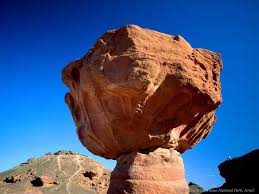
When sediment is deposited somewhere new
Weathering
Erosion
Deposition
The dropping off of sediments in a new place.
Weathering
Erosion
Deposition
Volcano

When rock breaks down into smaller rock and minerals.
Weathering
Erosion
Deposition
This is the movement of sediment by water ice ,gravity, and wind.
glacier
erosion
water cycle
precipitation
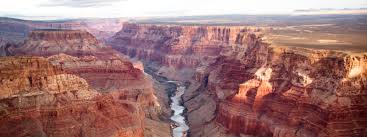
Which of these is largely responsible for the formation of the Grand Canyon?
wind
water
earthquakes
ice
What word fits this definition? The movement of weathered rocks by natural forces


Check all things that are part of the Grand Canyon shaping
water
rain
earth quakes
all the above

What is a slow land change?
a change that takes a long time
a change that happens very quickly

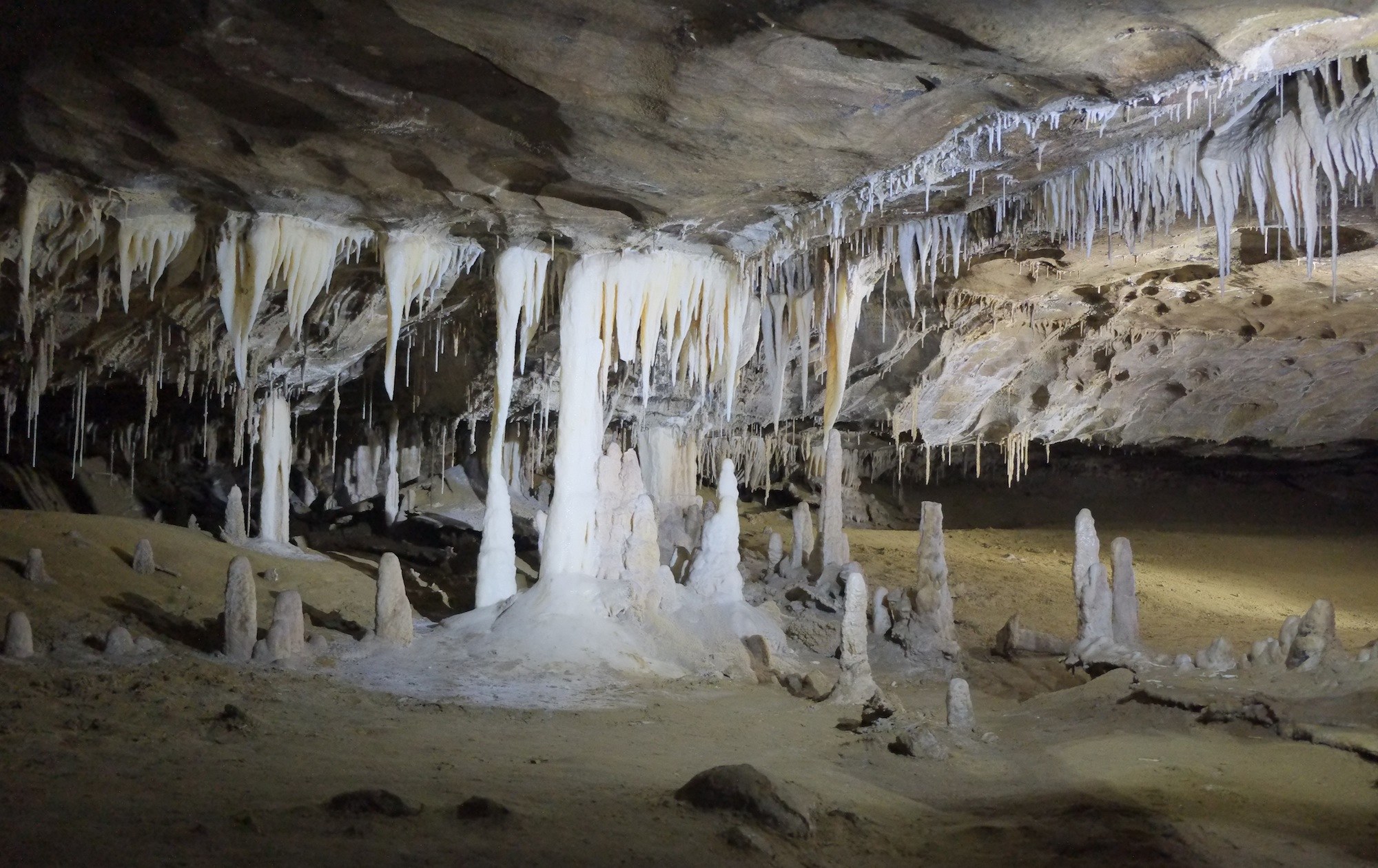
The breaking down of rocks into smaller pieces
weathering
vegetation
erosion
deposition
The weathering and removal of rock and soil
weathering
vegetation
erosion
deposition
The dropping off of eroded soil and bits of rock
weathering
vegetation
erosion
deposition
plants that cover a particular area.
weathering
vegetation
erosion
deposition
A surface feature of the earth's land
landform
glacier
sediment
delta
A fan shaped area of land built up by sediment at the mouth of a river
landform
glacier
sediment
delta
A large sheet of ice that moves slowly over land
landform
glacier
sediment
delta
materials deposited by wind, water or glaciers.
landform
glacier
sediment
delta
the force that pulls objects toward the center of the earth.
gravity
frost wedging
abrasion
tree root wedging
The weathering of rock caused by ice freezing in the rocks cracks
gravity
frost wedging
abrasion
tree root wedging
the weathering of rocks caused by wind blowing sand into it over time.
gravity
frost wedging
abrasion
tree root wedging
the weathering of rocks caused by growth of tree roots
gravity
frost wedging
abrasion
tree root wedging
Which of these causes a quick change to Earth's surface?
a volcano
a glacier
ocean waves
rain
Which of these landforms is created through deposition?
a mountain
a delta
a canyon
a valley
How do earthquakes change Earth's surface?
spread rock and ash
erode weathered rock
send out waves that shake the surface
makes large deltas
What is one hazard that sometimes happens in a city after an earthquake?
a tornado
a fire
a flood
a hurricane
When does an earthquake happen?
when there is no change to Earth's plates
when Earth's plates move slowly
when Earth's plates tickle each other
when Earth's plates move suddenly
What forms sea arches and sea stacks?
wind
glaciers
ocean waves
rivers
What does chemical weathering do?
moves rocks from place to place
changes rock into different materials
deposits pieces of rocks into piles
changes solid rock into rock that flows
What does erosion do?
picks up and moves sediment and rocks
changes rocks chemically
breaks down rocks into smaller pieces
makes new rocks
What sometimes happens on California's San Andreas Fault?
ocean waves
volcanic eruptions
earthquakes
sea stack formations
What happens during deposition?
pieces of rock and soil are laid down
pieces of rock and soil are worn away
pieces of rock and soil are picked up
pieces of rock and soil are broken down into smaller pieces
Which of these changes Earth slowly?
earthquakes
chemical weathering
volcanoes
landslides
An example of physical weathering is
a tree root breaking through a rock
oxidation
reactions with acids
water mixing
Which of these forms as a result of weathering?
magma
humus
mountains
soil
Which of these is the largest piece of sediment?
silt
gravel
sand
clay
Small pieces of rock that have been weathered from a larger rock are known as...
sand
sediment
soil
What is erosion?
The movement of sediment
The breaking of sediment
The dropping of sediment
Which of these is an example of erosion?
Light shinning onto a mountain
Rain breaking down rock
Wind blowing away sediment
All of the above


water, ice, wind or gravity
moves fragments of rock
and soil.
water, ice, wind or gravity
deposit rock sediments
and soil in a new place.
Earth’s crust into smaller
and smaller pieces.
water, ice, wind or gravity
moves fragments of rock
and soil.
water, ice, wind or gravity
deposit rock sediments
and soil in a new place.
Earth’s crust into smaller
and smaller pieces.
water, ice, wind or gravity
moves fragments of rock
and soil.
water, ice, wind or gravity
deposit rock sediments
and soil in a new place.
Earth’s crust into smaller
and smaller pieces.

Which of these examples is deposition?
wind blowing sand
sand that was dropped on the beach by waves
pebbles falling downhill due to gravity
a tree root breaking a rock
Landscapes stay the same over long periods of time because of erosion.
T or F
True
False
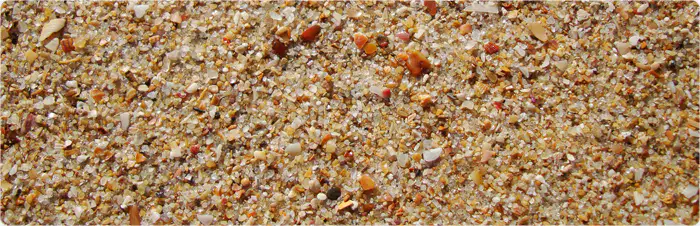
What are small pieces of broken down rock?
Canyons
Sediments
Salt
Valleys
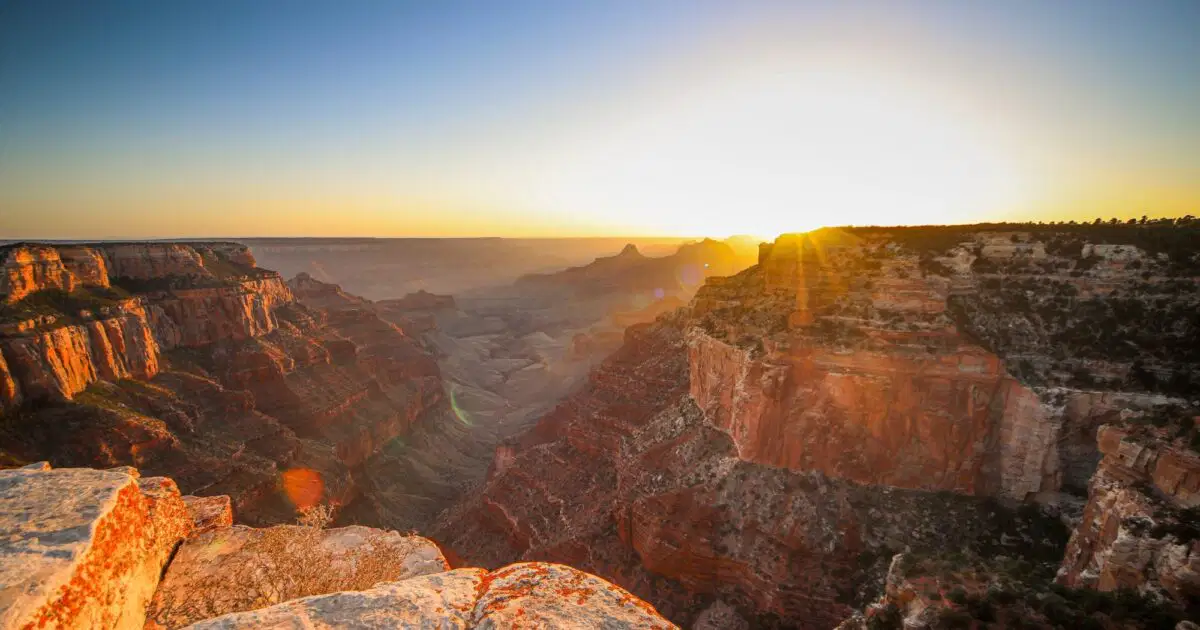
What are natural events that occur and change the Earth’s surface over hundreds to thousands of years (ex. weathering, erosion & deposition)?
Agents of Change
Fossils
Rapid Changes
Slow Changes

What are natural events that occur and change the Earth’s surface within minutes, days, weeks, or months (ex. volcanic eruptions, flash floods, hurricanes, earthquakes, & tornadoes)?
Agents of change
Fossils
Rapid changes
Slow changes

What are forces that change the Earth’s surface (ex. wind, water, ice, waves)?
Agents of Change
Fossils
Rapid Changes
Slow Changes

What is the breaking apart of larger rocks into smaller pieces?
Deposition
Erosion
Ice Wedging
Weathering

What is the movement of sediments from one location to another?
Deposition
Erosion
Superposition
Weathering
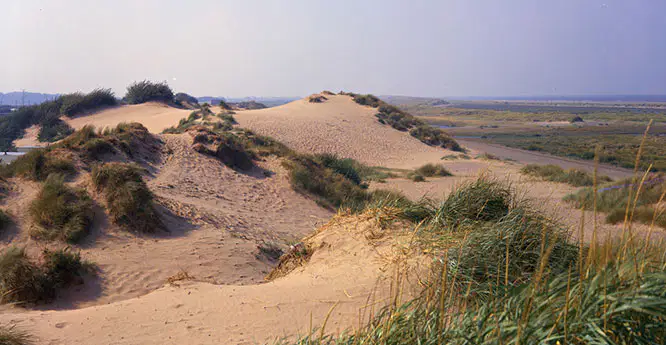
What is the dropping off of sediments as the motion of the wind or water slows or comes to a stop?
Deposition
Erosion
Slow Changes
Weathering

What occurs when water seeps into the cracks of rocks and freezes?
Deposition
Erosion
Ice wedging
Weathering
What forms as water slows or becomes stagnant, so that the sediment settles and builds up?

Beaches

Canyons or
V-shaped Valleys

Deltas

Sand Dunes
What forms as fast-moving water slowly breaks down rock and carries away the sediments, carving out an area?

Beaches

Canyons or
V-shaped Valleys

Deltas

Sand Dunes
What forms as the wind picks up sand and gravity pulls it back down?

Beaches

Canyons or
V-shaped Valleys

Deltas

Sand Dunes
What forms as waves curl over themselves?
Beaches
Canyons or
V-shaped Valleys
Deltas
Sand Dunes
What form as waves curl under themselves?

Canyons

Cliffsides or
Arches

Deltas

U-shaped Valleys
What forms by slow-moving glaciers (masses of ice) that carve out an area?

Canyons

Cliffsides or
Arches

Deltas

U-shaped Valleys

