wayground logo

Free Printable Worksheets

NEW

Font size

S
M
L
XL
Worksheets

Module 16 "Atoms"

Total questions: 41

Worksheet time: 21mins
Name
Class
Date
1.

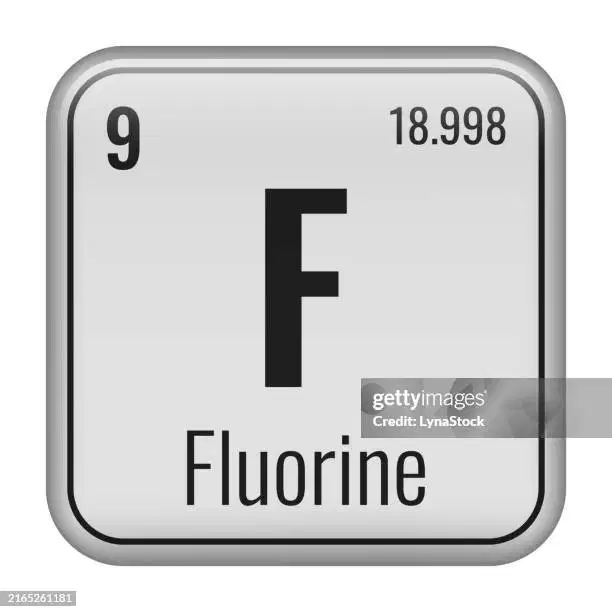
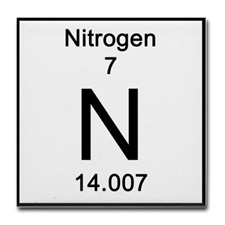
What is the number of protons that the element in this image contain?

a)
14
b)
7
c)
15
d)
18
2.

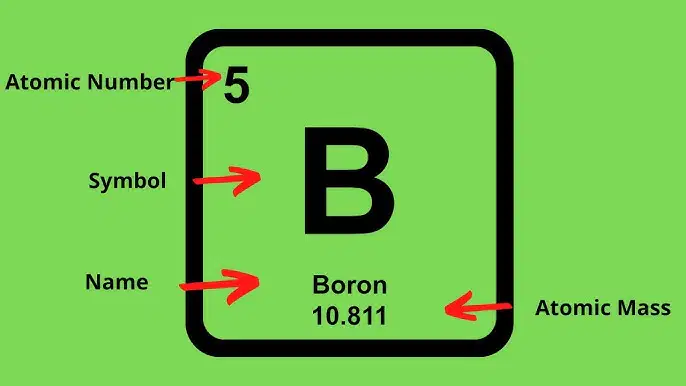
What is the atomic mass of "F"?

a)
9
b)
18
c)
17
d)

almost 19

3.

According to Lesson Handout #9, all matter is made of what?

a)
energy 
b)
atoms 
c)
electrons 
d)
compounds 
4.

The positive particles of an atom are _________.
a)
electrons 
b)
positrons 
c)
neutrons 
d)
protons 
5.

The central region or "brain" of an atom where its neutrons and protons are is called the _________.

a)
nucleus 
b)
electron cloud
c)
core 
d)
center 
6.

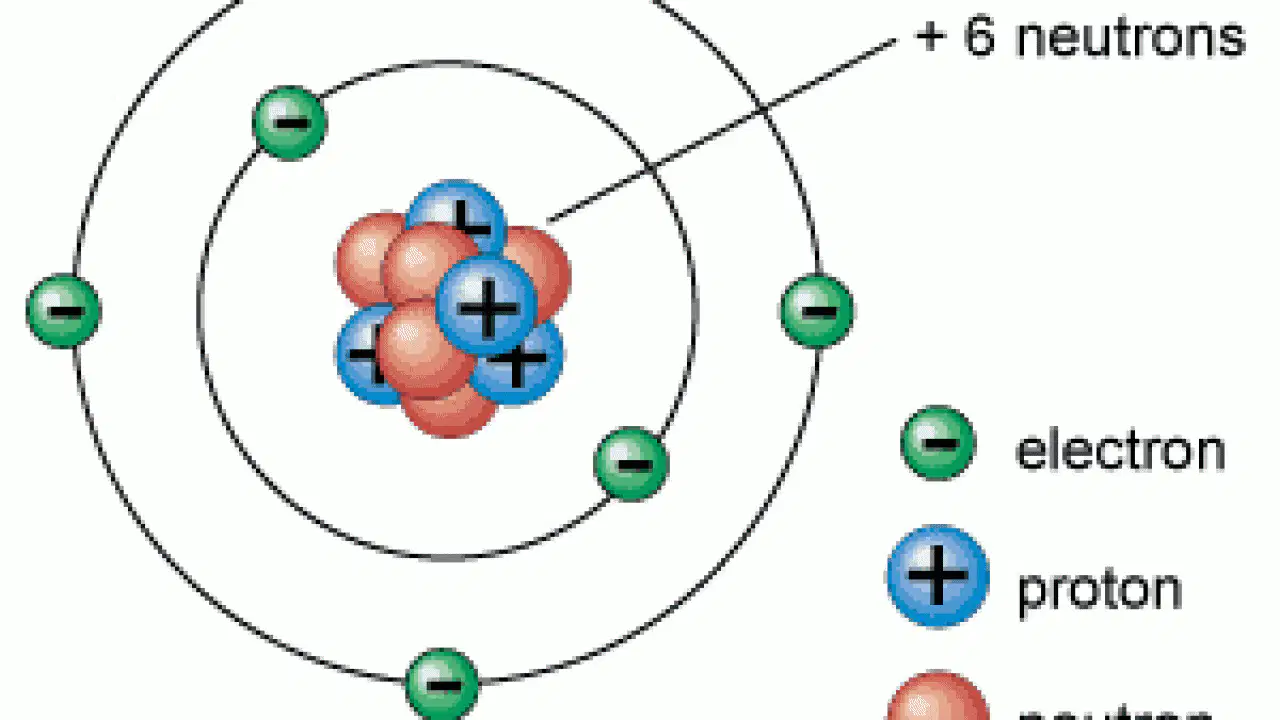
All matter solids, liquids, and gases are made of what?
a)
energy 
b)
atoms 
c)
electrons 
d)
compounds 
7.

Electrons have this type of charge?

a)
negative
b)
positive
c)
neutral
8.
What is the mass of an atom if it has 11 protons, 12 neutrons, and 11 electrons?
a)
22
b)
11
c)
34
d)
23
9.
What are the 3 particles that make-up the atom?
a)
protons, neutrons, and isotopes
b)
neutrons, isotopes, and electrons
c)
positives, negatives, and electrons
d)
protons, neutrons, and electrons
10.

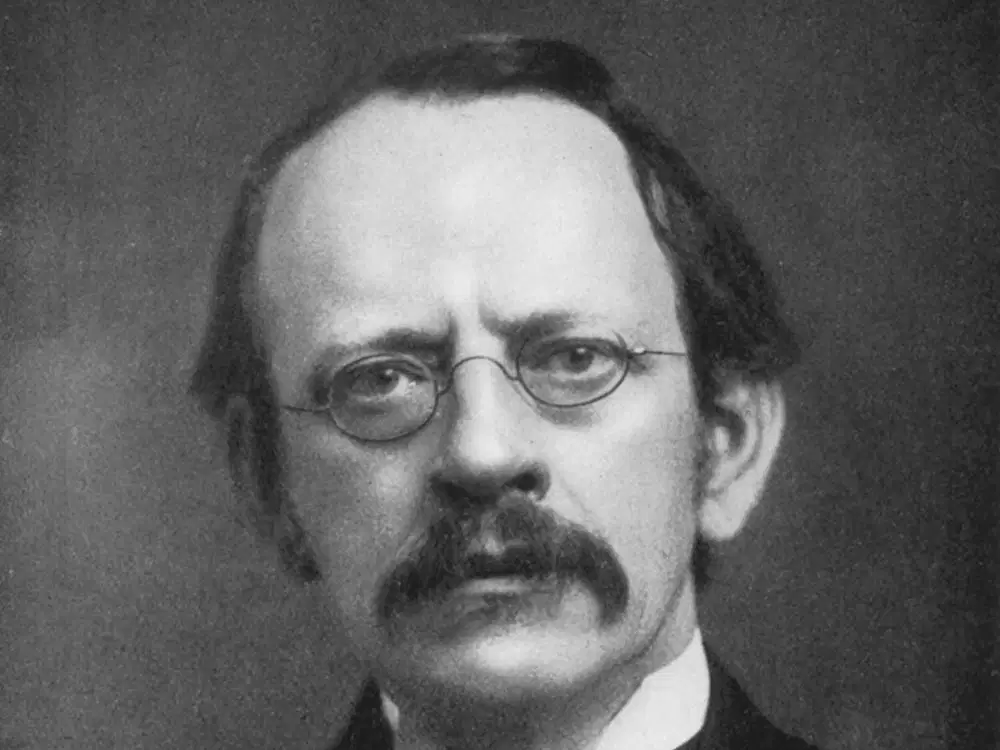
Who discovered the electron? (We did NOT cover this)

a)

Rutherford

b)

Thomson

c)

Milikan

d)

Dalton

11.
Subatomic particles with a positive charge
a)
neutrons
b)
atomic mass
c)
protons
d)
isotopes
12.
Subatomic particles that are neutral in charge
a)
Neutrons
b)
Protons
c)
Nucleus 
d)
Electrons
13.

Look at this picture of Argon off the periodic table. Which of the following is true for this element?

a)

18 protons

b)

40 protons

c)

22 protons

d)

21.9 protons

14.

The atomic mass of an atom is equal to

a)

number of protons plus number of neutrons

b)

number of protons plus number of electrons

c)

number of electrons plus the number of neutrons

15.

The nucleus of an atom is made of _______.

a)
electrons and protons
b)
electrons and neutrons
c)
protons and neutrons
d)
empty space
16.
Outside the nucleus of an atom are these
a)
protons
b)
neutrons
c)
quarks
d)
electrons
17.
The mass of this particle is so small that it is not counted.
a)
proton
b)
electron
c)
neutron
d)
quark
18.
The number of these determines which element an atom is.
a)
neutrons
b)
electrons
c)
protons
19.
Which of these phrases best describes an atom?
a)
a positive nucleus surrounded by a hard negative shell
b)
a positive nucleus surrounded by a cloud of negative charges
c)
a hard sphere with postive and negative charges on the outside
d)
a negative nucleus surrounded by protons and neutrons
20.
The term "neutral" means
a)
having only a little bit of charge
b)
having a positive charge
c)
having a negative charge
d)
having no charge at all
21.
Complete the missing label on the diagram.
a)
Neutron
b)
Centre
c)
Nucleus
d)
Sub atomic particle
22.

An atom has 9 protons, 10 neutrons, and 9 electrons.

What is the charge on this atom?

a)

-1

b)

0

c)

+1

d)

19

e)

18

23.
Sodium has an atomic number of 11, how many protons does this atom have?
a)
22
b)
11
c)
12
d)
2
24.

Who was the first scientist/philospher that contributed to the atomic theory?

a)

John Dalton

b)

Ernest Rutherford

c)

JJ Thompson

d)

Democritus

e)

Neils Bohr

25.
What was JJ Thomson responsible for finding?
a)
protons
b)
neutrons
c)
nucleus
d)
electrons
26.

What could an isotope of Calcium #20 be?

a)
Calcium-22
b)
Calcium-24
c)
Calcium-26
d)
All of the Above
27.
If an atom has extra neutrons, it is called a?
a)
Isotope
b)
Ion
c)
Cation
d)
Anion
28.

There are 2 numbers associated with every element on the periodic table. Which one will always be bigger?

a)

The atomic number

b)

The mass number

c)

The bottom number

d)

The top number

29.
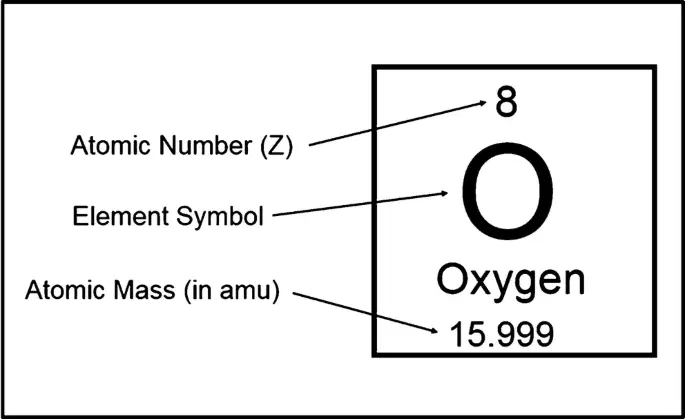
What does the 1.00794 stand for?
a)
Hydrogen
b)
atomic number
c)
atomic mass
d)
atomic explosion
30.

The smallest particle of an element that still represents that element.

a)

Nucleus

b)

electron

c)

proton

d)

atom

31.

Who was the first person to come up with the Atomic Theory "Father of Modern Atomic Theory" which included four parts?

a)

John Dalton

b)

Democritus

c)

Ernest Rutherford

d)

Niels Bohr

32.

Matter always has mass.

a)

true

b)

false

33.

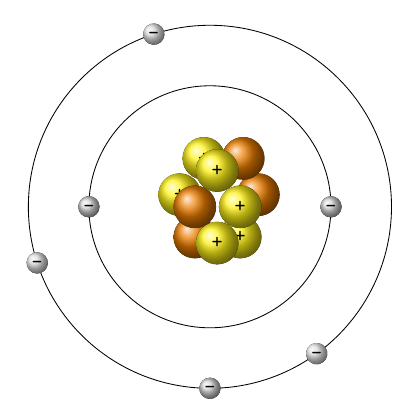
How many electrons does this atom have?

a)

2

b)

4

c)

6

d)

10

34.
Where is most of the mass in an atom located?
a)
in the nucleus
b)
in the protons
c)
in the neutrons
d)
in the electrons
35.
What is the atomic number of the atom pictured? 
a)
9
b)
10
c)
18
d)
19
36.

Which of the following determines the identity of an element?

a)

number of protons

b)

atomic mass

c)

number of neutrons

d)

number of shells

37.

The number 16 for the atomic element sulfur is the

a)

ionic number

b)

isotope

c)

atomic mass

d)

atomic number

38.

In an atom, the number of protons is equal to the number of ____________. (*Unless it's an ion).

a)

energy levels

b)

neutrons

c)

neurons

d)

electrons

39.

What is the charge of a proton?

a)

Positive

b)

Negative

c)

Neutral

d)

No charge

40.

Which subatomic particle is found in the nucleus and has no charge?

a)

Quark

b)

Neutron

c)

Proton

d)

Electron

41.

What is the atomic number of an element determined by?

a)

Number of neutrons

b)

Number of electrons

c)

Number of protons

d)

Number of atoms