
 Worksheets
Organizing The Elements/ Periodic Table Basics
Total questions: 37
Worksheet time: 2hrs 48mins
How did Mendeleev arrange his periodic table?
By increasing atomic number
By increasing atomic mass
By alphabetical order
By density
What are the rows called on the periodic table?
Groups
Periods
Columns
Families
What is the name of the vertical columns on the periodic table?
Periods
Rows
Groups
Levels
What is the significance of the vertical columns, or groups, on the periodic table?
They indicate elements with similar atomic masses
They indicate elements with similar chemical properties
They indicate elements with the same atomic number
They indicate elements with the same number of electron shells
Which of the following sequences correctly represents the order of elements from left to right in a period?
Nonmetals, Metalloids, Metals
Metals, Nonmetals, Metalloids
Metals, Metalloids, Nonmetals
Metalloids, Nonmetals, Metals
How are elements in the same group similar?
They have the same atomic number
They have similar chemical properties
They have the same atomic mass
They have the same number of electron shells
Which of the following best describes the periodic law as it relates to Mendeleev's periodic table?
A) Elements are arranged by increasing atomic number
B) Elements are arranged by increasing atomic mass, and properties repeat periodically
C) Elements are arranged by decreasing atomic mass
D) Elements are arranged alphabetically
How did Mendeleev predict the properties of elements that had not yet been discovered?
By using the atomic number
By using the atomic mass and properties of surrounding elements
By using the number of electron shells
By using the alphabetical order of elements
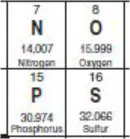
Which two elements have properties in common? Mark only one oval.
Nitrogen and Phosphorous
Oxygen and Nitrogen
Sulfur and Nitrogen
Chlorine is a halogen - which means it is a nonmetal that forms a "salt" when chemically combined with metals. What other elements have this property in common with chlorine? Use the periodic table. Mark only one oval.
Neon, Argon, Krypton
Hydrogen and Helium
Fluorine, Bromine, Iodine
Sulfur, Oxygen, Boron

How did Mendeleev arrange the elements?
alphabetical
density
melting point
atomic mass
Which element is on group 5 period 5?
Which element is on group 3?
Which element is on group 18 period 1?
Which element is on period 3?
Periods are (a)
rows
columns

What period is this element located in?
2
20
4
3
What group is this element located in?
2
20
4
3
Which element is found in period 3 group 2?
Sodium (Na)
Magnesium (Mg)
Yttrium (Y)
Boron (B)

Elements in the same column of the periodic table always have the same # of _______ as one another.
Protons
Neutrons
Electrons
Valence Electrons

Find an element with similar chemical properties to Barium (Ba).
Ca an Ra, because they are in the same group and have similar chemical properties.
Cs and La, b/c they are in the same period number.
Ca and Y, b/c they are 90 degree angle and have similiar properties.
No elements are similar
Which elements have the most similar chemical properties?
K and Na
K and Ca
K and Cl
K and S
Match these parts of the periodic table
metals
nonmetals
metalloids
Typically in an atom, which two subatomic particles are equal in number?
protons and neutrons
all subatomic particles are equal in number
neutrons and electrons
protons and electrons
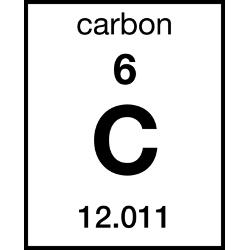
What does the 6 represent above the C
Symbol
Name
Mass Number
Atomic Number
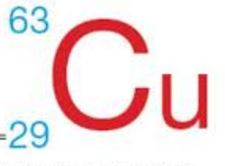
What is the atomic mass of Copper?
63
29
34
92

What is the number of protons that the element in this image contain?
14
7
15
18
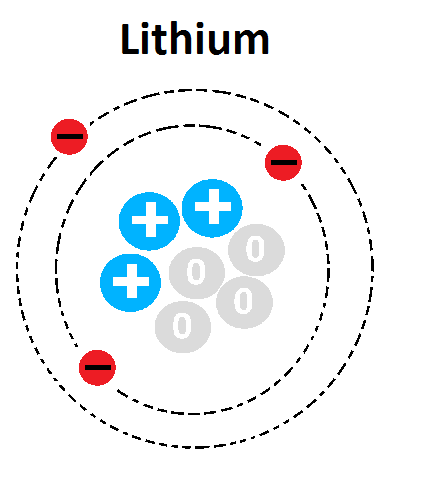
What is the atomic mass of this atom?
1
3
4
7

What is the atomic number of this atom?
2
4
6
none of the above

How many protons does Neptunium have?
9
93
237
273

What is the atomic number?
15
30.9738

How many protons does Argon have?
8
18
39
40

How many electrons does Zinc have?
3
30
65
66

What is the atomic mass?
54
131.29

What is the element symbol on this block?
Au
Gold
Match the category to the location of the periodic table.
metals
nonmetals
metalloids

Match the following
Metals
Red
Metalloids
Yellow
Non-metals
Blue

