
NEW
Font size
S
M
L
XL
 Worksheets
Biomolecule
Total questions: 26
Worksheet time: 20mins
Name
Class
Date
1.

Which of the following is NOT a biomolecule?
a)
Water
b)
Nucleic Acid
c)
Protein
d)
Lipid
2.
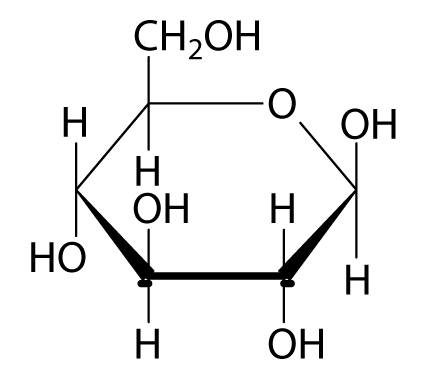
Identify the biomolecule
a)
Carbohydrate
b)
Lipid
c)
Protein
d)
Nucleic Acid
3.

Which biomolecule is the key source of energy?
a)
Lipid
b)
Protein
c)
Carbohydrate
d)
Nucleic Acid
4.

A monomer is ...
a)
a single atom
b)
a building block for polymers
c)
a single element
d)
is an inorganic molecule
5.

What is the monomer for a protein?
a)
Monosaccharide
b)
Triglyceride
c)
Amino Acid
d)
Nucleotide
6.

Which foods are high in protein?
a)
Meats, cheeses, milk, eggs
b)
Breads, pasta, grains
c)
Butter, oil, lard
d)
Apples, Bananas, Grapes
7.

What is the functions of lipids?
a)
Quick source of energy
b)
Builds muscles, skin, enzymes
c)
Stores genetic information
d)
Stores energy, insulation, protection
8.

Which of the following is an example of a nucleic acid?
a)
Glucose
b)
Phospholipid
c)
Enzymes
d)
DNA
9.

Identify the biomolecule
a)
monosaccharide
b)
disaccharide
c)
polysaccharide
d)
glycogen
10.

Identify the biomolecule
a)
Protein
b)
Lipid
c)
Carbohydrate
d)
Nucleic Acid
11.

Which foods are a good energy source?
a)
Meats, Yogurt, Cheese
b)
Ice Cream, Candy, Cookies
c)
Fruits, Vegetables, Whole Grains
d)
Butter, Lard, Oil
12.

This biomolecule would be used for
a)
Building enzymes
b)
Storing energy
c)
Key source of energy
d)
Storing genetic information
13.

Lipids are made of
a)
monosaccharides
b)
amino acids
c)
triglycerides
d)
nucleotides
14.

Which examples are sources of energy?
a)
Starch, cellulose, glycogen
b)
Valine, Histidine, Cysteine
c)
DNA, RNA
d)
Unsaturated and Saturated Fats
15.

Which biomolecule is also known as enzymes?
a)
Carbohydrate
b)
Lipid
c)
Nucleic Acid
d)
Protein
16.

What are the four biological molecules?
a)
proteins, carbohydrates, lipids, nucleic acids
b)
A, T, C, G
c)
water, air, earth, and fire
d)
Joe, Nick, and Kevin Jonas
17.
What are the largest carbohydrates called?
a)
monosaccarides
b)
oligosaccarides
c)
disaccarides
d)
polysaccarides
18.

Which biomolecule must be consumed by animals?
a)
proteins
b)
nucleic acids
c)
carbohydrates
d)
lipids
19.
All polymers are made up of...
a)
monosaccharides
b)
monomers
c)
proteins
d)
None of these
20.

Glycerol and fatty acids combine to form...?
a)
Carbohydrates
b)
Lipids
c)
Proteins
d)
Nucleic Acids
21.
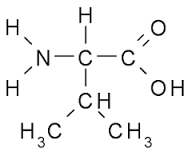
Carbon, Hydrogen, Oxygen and Nitrogen are elements in what biomolecule?
a)
Carbohydrate
b)
Lipid
c)
Protein
d)
Nucleic acid
22.

I am responsible for long term energy storage in mammals.
a)
Protein
b)
Lipid
c)
Carbohydrate
d)
Nucleic Acid
23.

Which is a Carbohydrate's monomer?
a)
Sugar
b)
Amino acids
c)
Monosacharide
d)
Nucleotide
24.

Which of the following statements is true?
a)
The function of the biomolecule nucleic acid is carrying genetic code and the main source of energy for the body.
b)
The function of the biomolecule carbohydrate is energy storage and make up the cell membrane.
c)
The function of the biomolecule lipid is the main source of energy and structure and support.
d)
The function of the biomolecule protein is structure or support and enzymes speed up the chemical reactions.
25.

You need a steady supply of amino acids in your diet to maintain a healthy body. In order to meet this need, you should make sure you eat enough of which class of biomolecule?
a)
Carbohydrate
b)
Lipid
c)
Protein
d)
Nucleic acid
26.

Which class of biomolecule is used to make cell membranes?
a)
Carbohydrate
b)
Lipid
c)
Protein
d)
Nucleic acid
Reset

