
Font size
S
M
L
XL
 Worksheets
Chemistry Final
Total questions: 98
Worksheet time: 2hrs 36mins
Name
Class
Date
1.
What does precise mean?
a)
Close to the accepted value
b)
All numbers close to the accepted value and together
c)
All numbers close together
2.
What is 5.260 x 10 5 expressed in standard notation?
a)
0.00005260
b)
5260
c)
526000000
d)
526000
3.

What is the instrument to called and used for?
a)
a. Filter for getting materials separated
b)
Filter for filtration or delivery of materials
c)
Funnel for getting materials separated
d)
Funnel for filtration or delivery of materials
4.
Convert 436 K to degrees Celsius.
a)
709
b)
163
c)
673
d)
199
5.
The nucleus of an atom is
a)
negatively charged and has a high mass.
b)
negatively charged and has a low mass
c)
positively charged and has a high mass.
d)
positively charged and has a low mass
6.
The identity of an element can be determined on the basis of which of the following?
a)
the number of neutrons
b)
the number of protons
c)
the mass number
d)
the number of electrons
7.
A neutral atom of hydrogen-2 contains (same as 2H)
a)
2 protons, 2 electrons, and 4 neutrons
b)
2 protons, 2 electrons, and 2 neutrons.
c)
1 proton, 1 electron, and 2 neutrons.
d)
1 proton, 1 electron, and 1 neutron.
8.
Which symbol correctly represents an element (D) whose atoms contain 15 protons and 20 neutrons?
a)
3515D
b)
2015D
c)
1515D
d)
1520D
9.
What is the name of an element that has a charge?
a)
Isotope
b)
Atom
c)
Ion
10.
How many valence electrons does an atom of chlorine have?
a)
17
b)
7
c)
3
d)
2
11.
Which of the following lists contains a solid, liquid and a gas?
a)
Li, Pb, O
b)
K, Br, F
c)
Mg, Hg, S
d)
Cu, Hg, Br
12.
Which of the following elements has a complete outer shell?
a)
Fluorine
b)
Sulfur
c)
Sodium
d)
Neon
13.
What is the name of group 17?
a)
alkali metals
b)
alkaline earth metals
c)
halogens
d)
noble gases
14.
The modern periodic table is arranged according to
a)
how the elements react
b)
atomic mass
c)
atomic number
d)
electron configuration
15.
Which of the following is NOT a property of metals?
a)
Luster
b)
Malleable
c)
Conduct Heat/ electricity
d)
Dull
16.
Where are the non-metals located on the periodic table
a)
Left/ Middle
b)
Right
c)
Staircase
17.
In the chemical equation below, what substance(s) is/are the product(s) of the reaction: Na + Cl2 -->NaCl
a)
Na
b)
Na & Cl2
c)
Cl2
d)
NaCl
18.
Which of the following compounds has ONLY covalent bonds?
a)
Li2O
b)
NO2
c)
BaO
d)
Mg3P2
19.
Which of the following is a diatomic element?
a)
Br
b)
B
c)
Fe
d)
He
20.
How many oxygen atoms are in the compound C3H5(OH)3
a)
6
b)
5
c)
2
d)
3
21.
Which of these is an ionic compound?
a)
H2O
b)
O2
c)
Li2O
d)
Hg
22.
Why is it important to have a balanced chemical equation?
a)
To show conservation of mass
b)
To show there are different compounds on each side
c)
To prove that matter disappears
23.
When water is heated, the amount of solid that can be dissolved in it
a)
Increases
b)
Decreases
c)
Remains the same
24.
What is the symbol for Tungsten (use your reference tables- it's an element)
a)
Ti
b)
Tc
c)
V
d)
W
25.
What state of matter takes the entire shape of its container
a)
solid
b)
liquid
c)
gas
d)
plasma
26.
What are the three states of matter?
a)
solid, volume, mass
b)
density, volume, mass
c)
solid, liquid, gas
d)
density, gas, volume
27.
Something that takes up space and has mass.
a)
volume
b)
matter
c)
mass
d)
density
28.
A state of matter that has a definite volume and shape.
a)
solid
b)
liquid
c)
gas
d)
matter
29.
A measure of how much mass is contained in a given unit of volume.
a)
mass
b)
density
c)
volume
d)
matter
30.
The amount of space something takes up
a)
density
b)
volume
c)
mass
d)
matter
31.
Shape is a ____ that helps identify an object.
a)
physical property
b)
chemical property
c)
mass
d)
matter
32.
Iron + oxygen = rust is an example of a ___________.
a)
physical property/change
b)
chemical property/change
c)
mass
d)
volume
33.
A watermelon has more matter than a grape, so it has more
a)
mass
b)
eat
c)
solid
d)
greater
34.
You can measure ______ with grams.
a)
mass
b)
volume
c)
conductivity
d)
melting point
35.
The ability of a metal to allow heat or electricity to pass through it.
a)
conductivity
b)
insulator
c)
mass
d)
density
36.
The positive particles of an atom are
a)
electrons
b)
positrons
c)
neutrons
d)
protons
37.
the central region of an atom where its neutrons and protons are is its
a)
nucleus
b)
electron cloud
c)
core
d)
center
38.
an atom with atomic number 6 would have how many protons
a)
6
b)
12
c)
3
d)
cannot be determined
39.
Particles in an atom that are neutral and have no charge are
a)
negatrons
b)
electrons
c)
neutrons
d)
protons
40.
True or False? Neutrons have a negative charge
a)
True
b)
False
41.
What is the atomic number for an element with three protons?
a)
2
b)
1
c)
3
d)
6
42.
A particle that moves around the nucleus is a(n)...
a)
Proton
b)
Neutron
c)
Electron
d)
Quark
43.
In the modern periodic table elements are arranged by:
a)
atomic mass
b)
atomic number
c)
valence electrons
d)
number of isotopes
44.

What does the 1.00794 stand for?
a)
Hydrogen
b)
atomic number
c)
atomic mass
d)
atomic explosion
45.

What is the atomic mass of "F"
a)
9
b)
18
c)
17
d)
19
46.
The first energy level can hold up to how many electrons?
a)
8
b)
4
c)
2
d)
5
47.
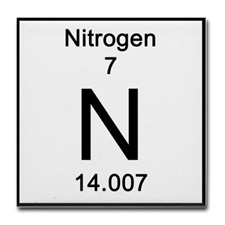
What is the number of protons that the element in this image contain?
a)
14
b)
7
c)
15
d)
18
48.
An atoms overall charge is
a)
positive
b)
depends on its mood
c)
neutral
d)
negative
49.
The particles that are found in the nucleus of an atom are
a)
neutrons and electrons
b)
electrons only
c)
protons and neutrons
d)
protons and electrons
50.
What is the atomic symbol for sodium?
a)
Na
b)
So
c)
NaCl
d)
S
51.
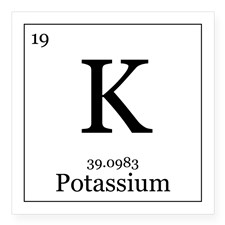
How many neutron are in the atom "K"?
a)
7
b)
2
c)
39
d)
20
52.

What is the number of protons that the element in this image contain?
a)
14
b)
7
c)
15
d)
18
53.
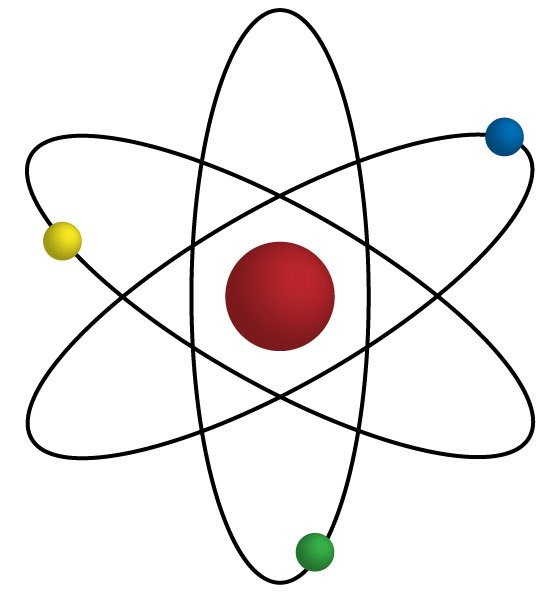
What are the 3 particles that make-up the atom?
a)
protons, neutrons, and isotopes
b)
neutrons, isotopes, and electrons
c)
positives, negatives, and electrons
d)
protons, neutrons, and electrons
54.
What particle uniquely identifies an element?
a)
Number of Valence Electrons
b)
Number of Protons
c)
Number of Electrons
d)
Atomic Mass
55.
Which one of these is NOT located in the element square on the Periodic Table?
a)
Atomic Number
b)
Atomic Mass
c)
Room Temperature
d)
Chemical Symbol
56.
If an atom has 12 positively charged subatomic particles, which of the following must it also have to be considered a neutral atom?
a)
12 neutrons
b)
12 electrons
c)
12 protons
d)
24 protons and neutrons
57.
If an atom has 10 protons, 10 neutrons, and 10 electrons, what is the mass of the atom?
a)
10
b)
20
c)
30
58.
Which subatomic particles contribute the most to the mass of an atom?
a)
Protons, Neutrons, Electrons
b)
Protons only
c)
Protons and Electrons
d)
Protons and Neutrons
59.
What is the atomic number?
a)
the number of protons
b)
the number of protons and neutrons
c)
the number of neutrons
d)
the number of protons and electrons
60.
What is the chemical symbol for Chlorine
a)
C
b)
Cl
c)
Ch
d)
Ce
61.
What element contains 26 protons?
a)
Iron
b)
Sodium
c)
Aluminum
d)
Helium
62.
Atoms are mostly filled with?
a)
electrons
b)
empty space
c)
protons
63.
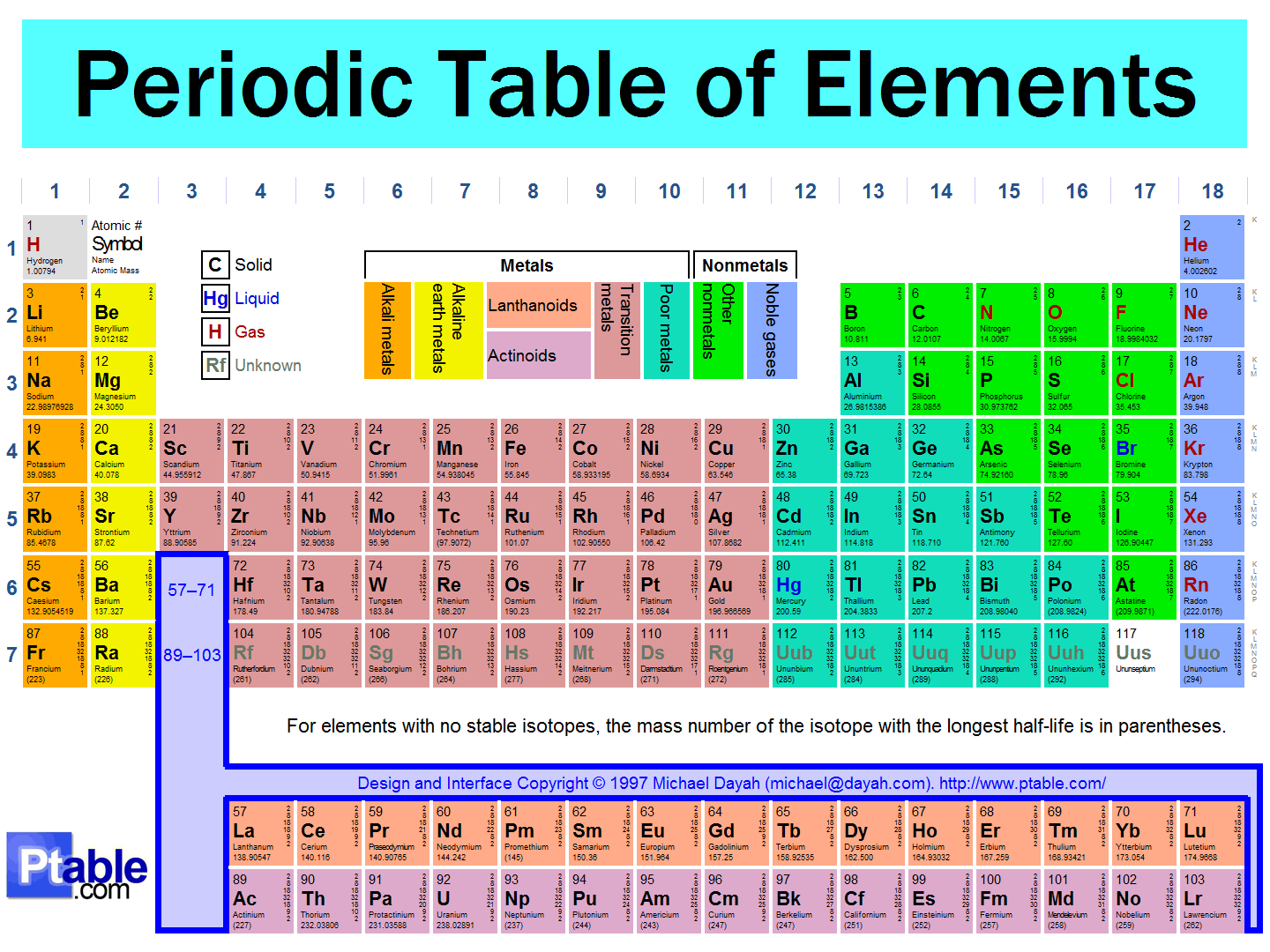
The horizontal row on the periodic table is called a
a)
group
b)
family
c)
period
d)
atomic number
64.

How did Mendeleev arrange the elements?
a)
alphabetical
b)
density
c)
melting point
d)
atomic mass
65.

Dimitri found that there was a pattern of properties that repeated every ____ elements.
a)
2
b)
4
c)
5
d)
7
66.
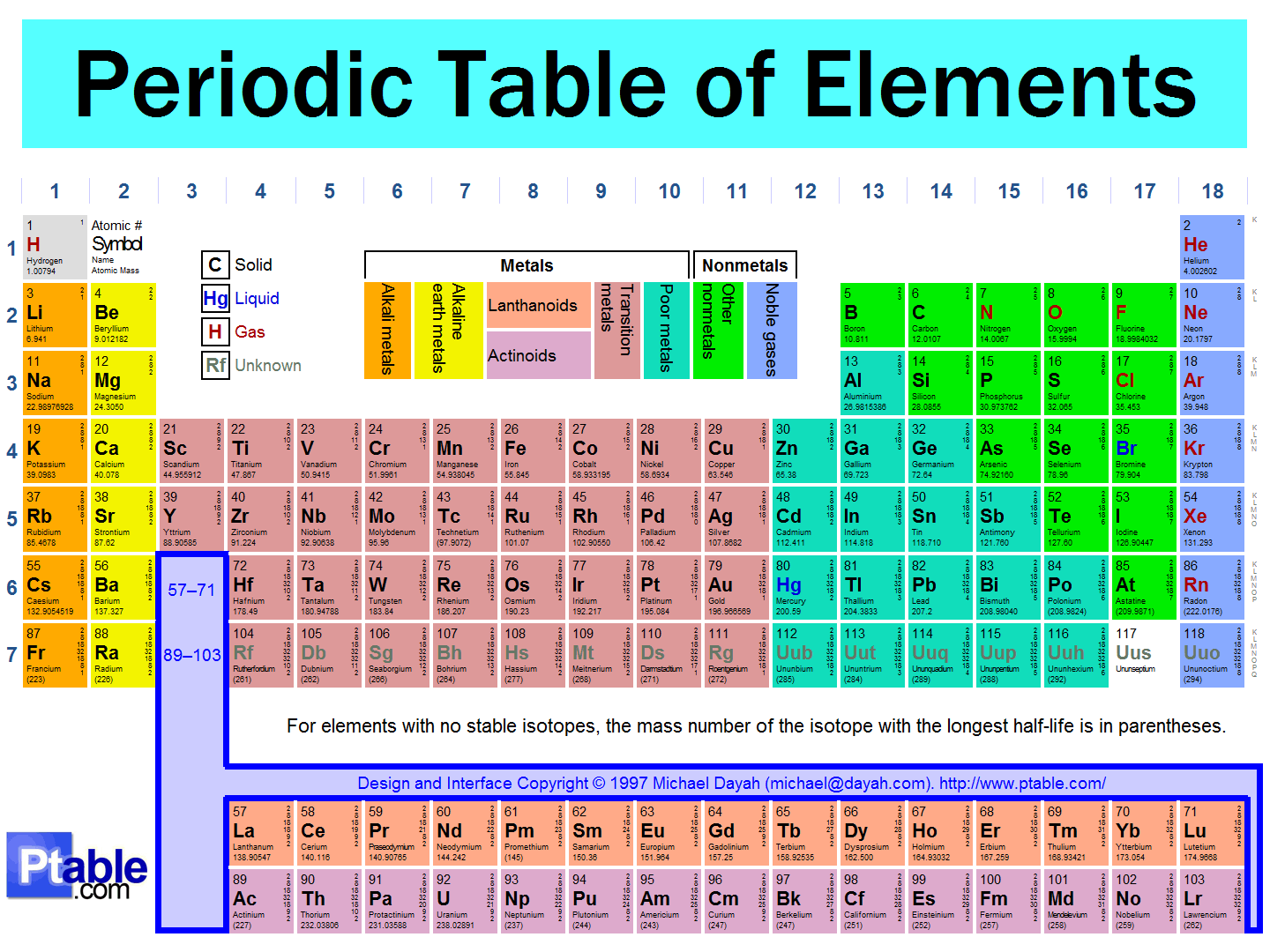
A vertical column is called...
a)
group
b)
tower
c)
period
d)
crew
67.

Which of the following is the most metallic element in period 3?
a)
Boron (B)
b)
Sodium (Na)
c)
Argon (Ar)
d)
Silicon (Si)
68.

Which of these element is the least metallic?
a)
Potassium (K)
b)
Carbon (C)
c)
Sulfur (S)
d)
Neon (Ne)
69.
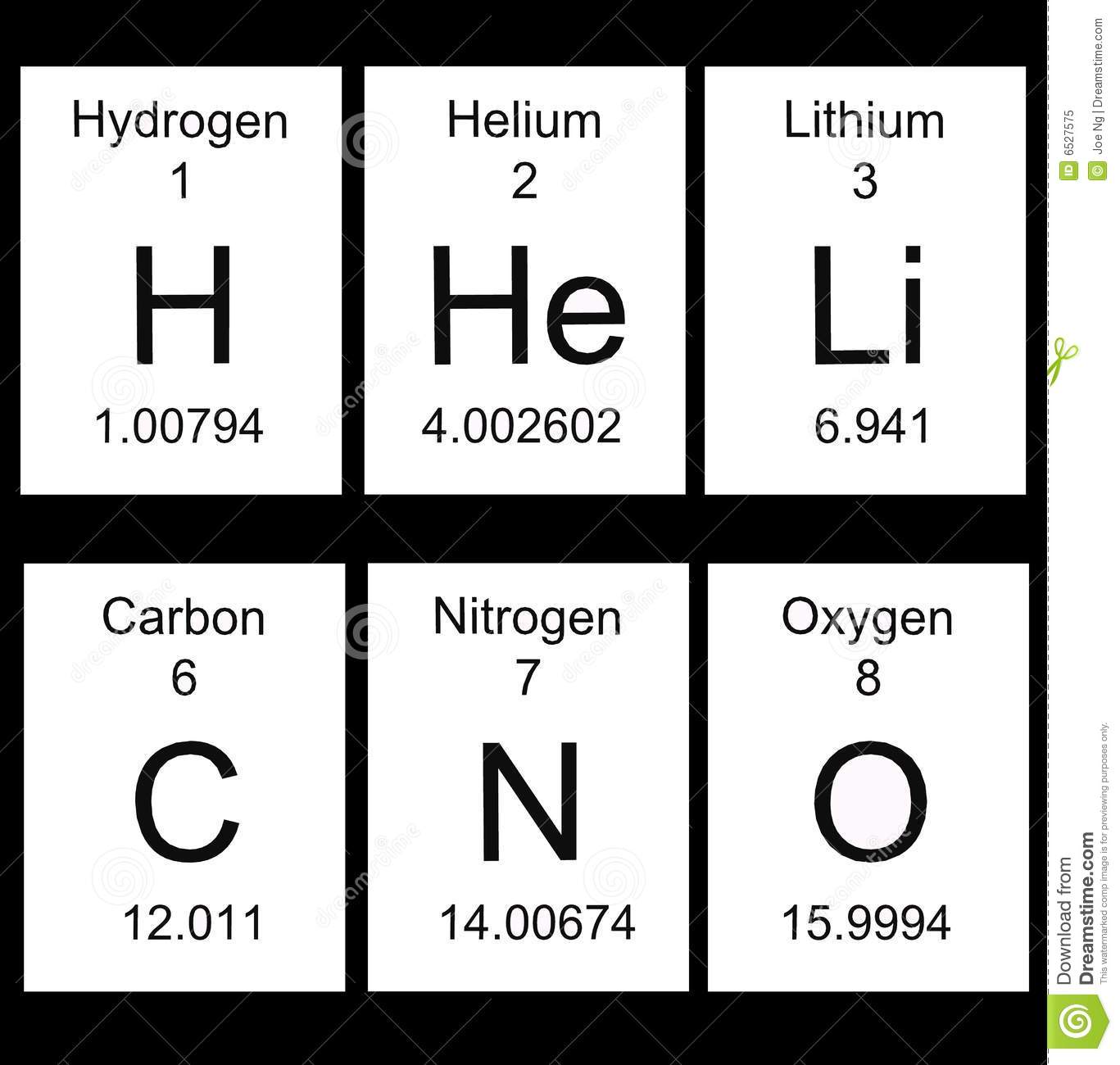
The number at the bottom of each square on the periodic table is the ...
a)
atomic number
b)
atomic mass
c)
chemical symbol
d)
element name
70.
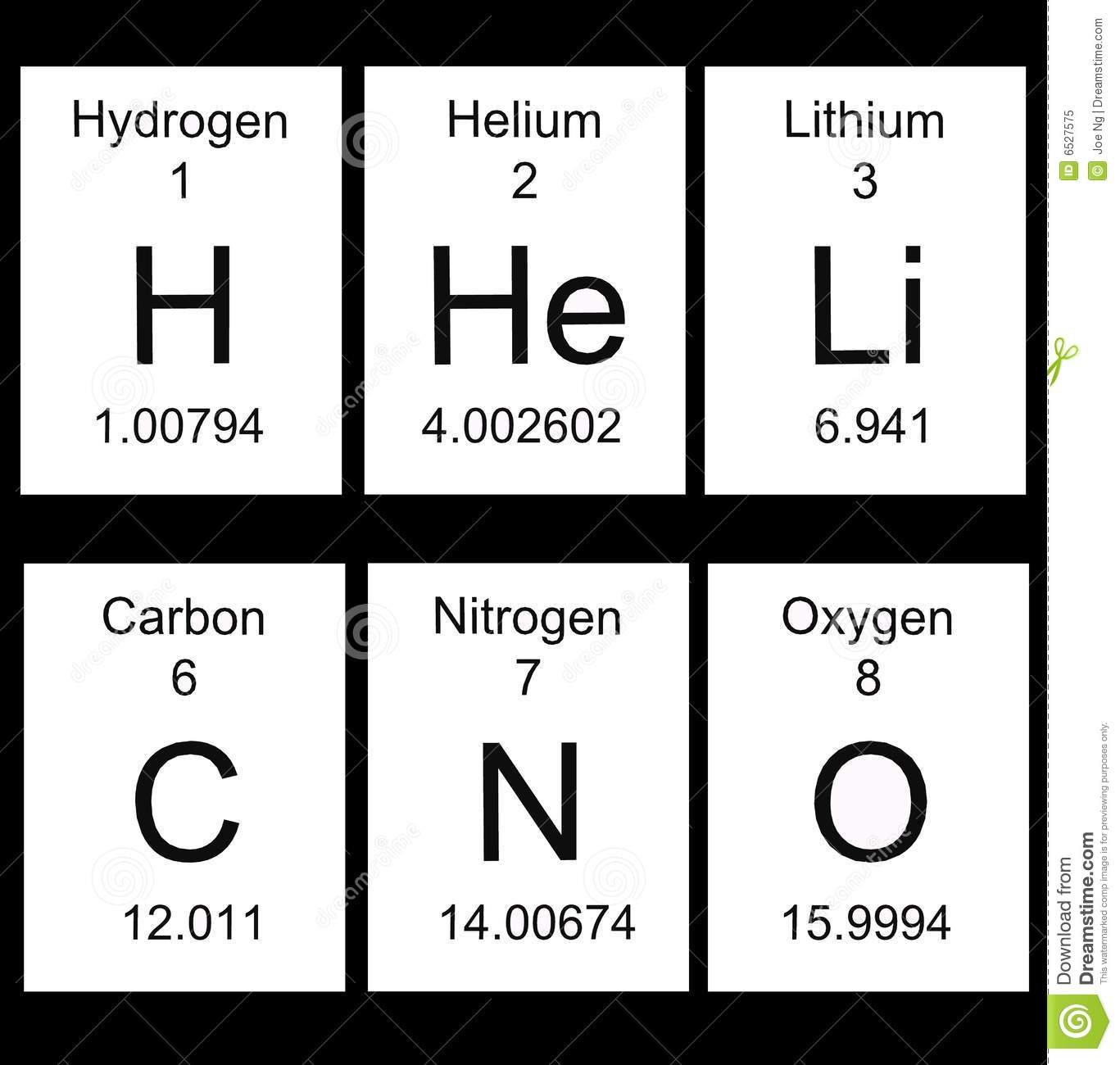
The number at the top of each square on the periodic table is the ...
a)
atomic number
b)
atomic mass
c)
Chemical Symbol
d)
Element Name
71.

The months of the year are __________ because they repeat in the same order every 12 months.
a)
periodic
b)
group
c)
period
d)
halogens
72.

How many elements follow the periodic law?
a)
7
b)
98
c)
110
d)
All of them
73.
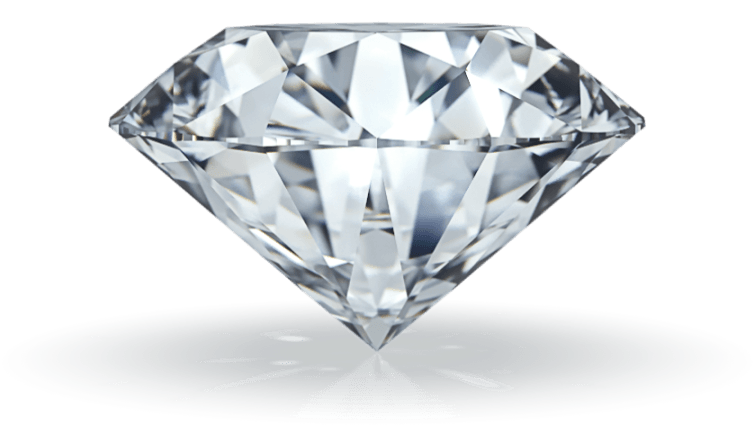
Diamonds are a pure form of what element?
a)
Carbon
b)
Oxygen
c)
Silicon
d)
Silver
74.

Pure forms of these elements are stored in oil so they won't react with oxygen and water in the air.
a)
Alkali Metals
b)
Alkaline-earth metals
c)
Halogens
d)
Noble Gases
75.

What group of elements don't have individual names?
a)
Alkaline-earth Metals
b)
Transition Metals
c)
Alkali Metals
d)
Halogens
76.

Most of the elements on the periodic table are classified as _____.
a)
Metals
b)
Nonmetals
c)
Metalloids
d)
Periods
77.
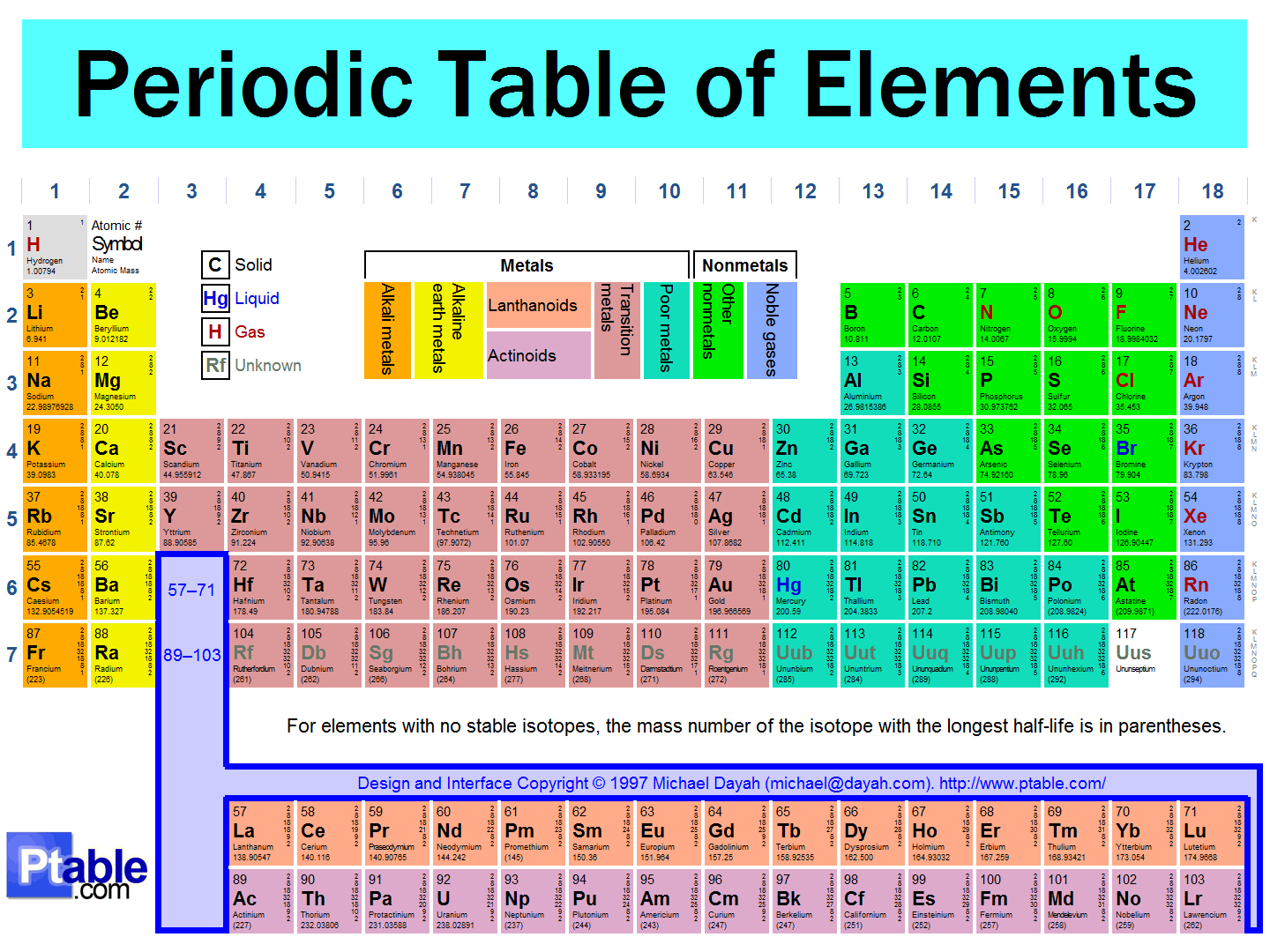
This class of elements are sometimes called "semiconductors."
a)
Metals
b)
Nonmetals
c)
Metalloids
d)
Groups
78.
The electron configuration of an atom is 1s22s22p6. The number of electrons in the atom is
a)
3
b)
6
c)
8
d)
10
79.
What atom matches this electron configuration?
1s22s22p63s23p64s23d10
1s22s22p63s23p64s23d10
a)
Zinc
b)
Copper
c)
Nickel
d)
Germanium
80.
What is the noble gas shorthand electron for Sulfur atom?
a)
[Ar] 3p4
b)
[He] 3s23p4
c)
[Ne] 3s23p4
d)
[Na] 3s23p4
81.
What atom matches this electron configuration?
[Xe] 6s25d9
[Xe] 6s25d9
a)
Mercury
b)
Gold
c)
Platinum
d)
Thallium
82.
What electron configuration matches an oxygen atom?
a)
1s22s22p63s2, 3p64s23d104p5
b)
1s22s22p4
c)
1s22s22p6
d)
1s22s22p63s23p64s23d1
83.
What electron configuration matches an oxygen ion?
a)
1s22s22p63s2, 3p64s23d104p5
b)
1s22s22p4
c)
1s22s22p6
d)
1s22s22p63s23p64s23d1
84.
Which of the following is the smallest in size?
a)
K
b)
Na
c)
Li
d)
Cs
85.

How many electrons does Si contain? (click to see image)
a)
14
b)
28
c)
2
d)
4
86.

How many valence electrons does Si contain? (click to see image)
a)
14
b)
28
c)
2
d)
4
87.
An orbital can at most hold how many electrons?
a)
1 electron
b)
2 electrons
c)
3 electrons
d)
4 electrons
88.
The electron configuration of an atom is 1s22s22p6. The number of valence electrons in the atom is
a)
3
b)
6
c)
8
d)
10
89.

What atom is represented here?
a)
Carbon
b)
Nitrogen
c)
Oxygen
d)
Fluorine
90.

What is the highest occupied energy level?
a)
1
b)
2
c)
3
d)
4
91.

What is the highest occupied energy level?
a)
4
b)
5
c)
6
d)
7
92.

How many valence electrons are there?
a)
1
b)
2
c)
8
d)
79
93.
Valence electrons are:
a)
Electrons farthest away from the nucleus
b)
Electrons closest to the nucleus
c)
Electrons that just come and go - they don't stay with the atom
94.
Magnesium's ion
a)
Mg+
b)
Mg2+
c)
Mg-
d)
Mg2-
95.

Which element is depicted from this orbital diagram
a)
Fluorine
b)
Neon
c)
Chlorine
d)
Argon
96.
When an atom loses a valence electron, it becomes a(n) _____________ ion.
a)
positive
b)
negative
c)
neutral
d)
polyatomic
97.
When an atom gains a valence electron, it becomes a(n) _____________ ion.
a)
positive
b)
negative
c)
neutral
d)
polyatomic
98.
Atoms that gain & lose electrons are called _________
a)
ions
b)
isotopes
c)
radioactive
d)
corrosive
Reset

