
Font size
 Worksheets
Cells and Human Body Systems Review
Total questions: 85
Worksheet time: 1hrs 12mins
The _______ is the smallest structural and functional unit of a living thing. (this will be matching on the test)
cell
metabolism
nutrition
defense
This type of cell doesn't contain a nucleus.
Prokaryotic
Eukaryotic
Fungi
Bacteria
Body Cells
This type of cell does contain a nucleus.
Prokaryotic
Eukaryotic
Bacteria Cells
Archaebacteria
Sometimes called the “powerhouse” of the cell, this organelle is where respiration takes place.
Mitochondria
Nucleus
Vacuole
There are three tenets of the Cell Theory. Which of the following is NOT a tenet?
Cells are the basic structure and function of life.
All living things are made of one or more cells.
The cell is the basic unit of matter.
All cells come from preexisting cells.
Cell theory states that...
cells are the basic building block of life
cells are cool
cells are microscopic
cells cannot be destroyed
A living thing that is made up of organ systems.
Cell
Tissue
Organ
Organism
2 or more different kinds of tissues that work together
Cell
Organ
Tissue
Organ system
Organism
The smallest unit of a living thing
Cell
Tissue
organ
Organ system
Organism
2 or more organs that work together.
cell
tissue
organ
organ system
organism
Groups of similar cells that work together.
cell
tissue
organ
organ system
organism
Which is the correct order for levels of organization from simple to complex?
cell, organ, tissue, organ system, organism
organism, organ system, tissue, cell, organism
cell, tissue, organ, organ system, organism
organ, tissue, cell, organism, organ system

This is an example of....
cell
tissue
organ
organ system
A group of tissue that perform a similar function is called__________________. (Example: heart, lungs, stomach)
Cell
Organ
Tissue
Organ System

This is an example of
Cell
Tissue
Organ
Organ System
The ______ system helps you move, protects your organs, gives support to the body, and makes red blood cells.
skeletal system
muscular system
digestive system
respiratory system
The ________ system works with the skeletal system to help you move and provides shape and warmth.
skeletal
integumentary
muscular
digestive
The _____ system's function is to break down food into molecules that the body (cells) can use for energy.
muscular
digestive
respiratory
endocrine
The _____ system is a transport system, carrying oxygen, carbon dioxide, and wastes to and away from cells using the heart and blood.
endocrine
circulatory
respiratory
excretory
The ______ system's function is gas exchange. It brings oxygen in and exhales carbon dioxide with the lungs, trachea, and diaphragm
endocrine
excretory
circulatory
respiratory
The _______ system includes the skin, hair, and nails. It is the body's first line of defense, absorbs vitamin D, excretes sweat.
respiratory
nervous
Integumentary
skeletal
This system controls the body using the brain, spinal cord, and nerves.
nervous system
endocrine system
excretory system
digestive system
The ______ system removes the body's wastes through the kidneys (cell wastes), digestive (feces), respiratory (CO2), and integumentary (salts/sweat)
excretory
digestive
respiratory
circulatory
What is the main function of the muscular system?
It helps the heart communicate with the brain.
It converts food in simpler substances for the body to absorb as nutrients and gives the body energy.
It supplies blood with oxygen in the lungs, and removes carbon dioxide from the body into the atmosphere.
It allows the body to move when attached to the bone. It also allows movement in internal organs, such as heart and intestines.
_____________ make up tissues. Tissues make up organs. Organs make up organ systems. Organ systems make up organisms.
cells
bacteria
blood
muscles


This organelle takes food and turns it into ENERGY for plant and animal cells.
Chloroplast
Mitochondria
Lysosome
Ribosome

What is the gel-like substance inside of cells called?
photoplasm
photosynthesis
cytoskeleton
cytoplasm
Barrier that surrounds the cell and controls what goes in and out of the cell
Cell Membrane
Cell Wall
Nucleus
Cytoplasm
Which of these organelles would NOT be a part of an animal cell?
nucleus
chloroplast
cell membrane
mitochondria
Which organelle controls the cell?
mitochondria
membrane
nucleus
chloroplast
If the cell were a castle, the ___ would be hardworking servants turning raw materials into food.
mitochondria
nucleus
membrane
cell wall
Animal cells need _____ to make food. (Choose two.)
carbon dioxide
chloroplasts
mitochondria
oxygen
The system bringing blood to the kidneys for filtering is the
digestive
excretory
circulatory
nervous
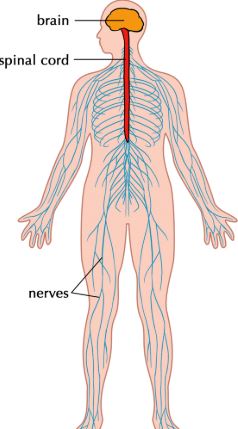
What system is pictured?
Skeletal
Circulatory
Nervous
Muscular

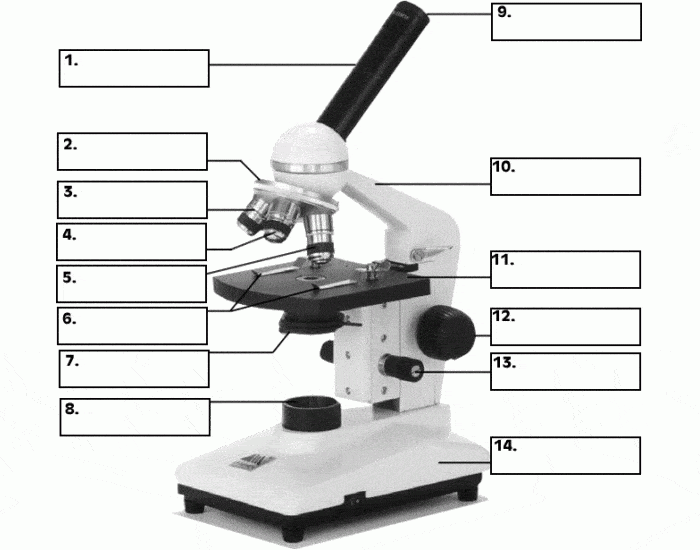


What is the total magnification of a microscope with an eyepiece of 15X and a high power objective of 40X?
55
400
600
415
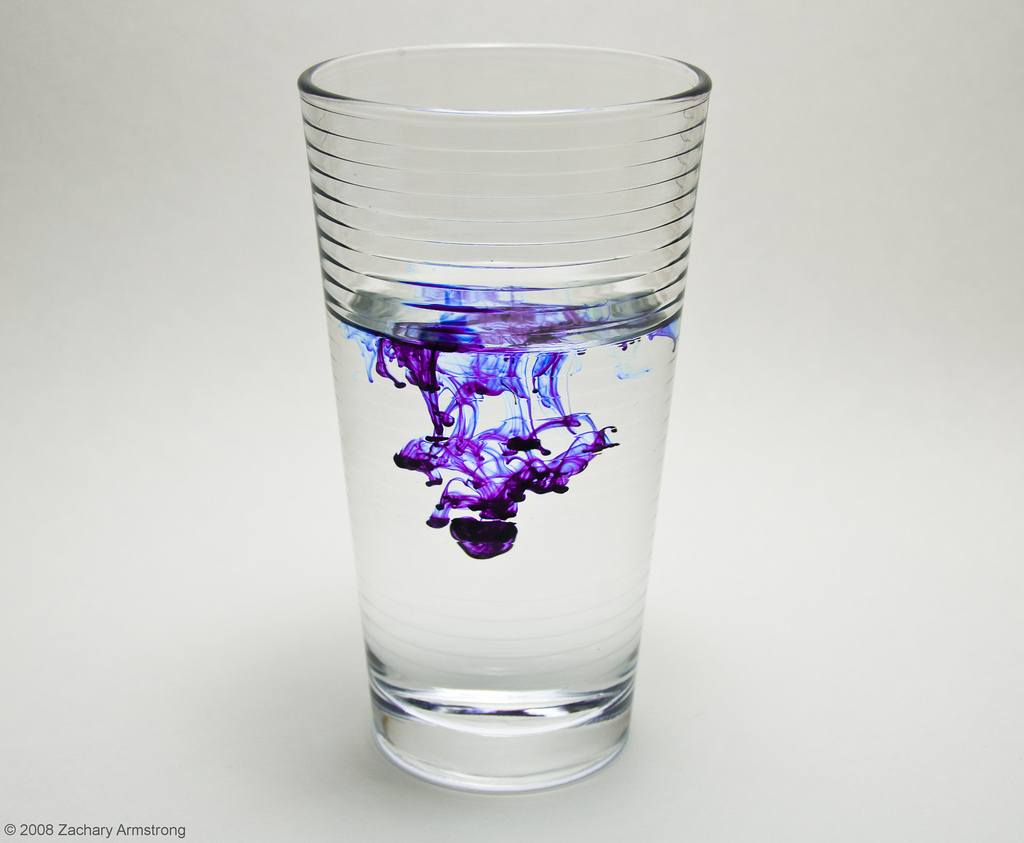
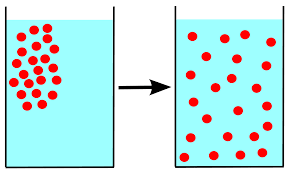


What is DIFFUSION?


The basic unit of structure and function in living organisms
Organ
Cell
Organ System
Organism
Tissue
A group of organs that work together to perform a major function
Organ
Cell
Organ System
Organism
Tissue
How long does diffusion last?
Until the concentration of particles in the system is equal
(Select this answer and I swear i'll make it harder for you in the assessment task)
Until a region in the system has a greater concentration of particles than the other
Until the particles disappear from the system


Selectively Permeable Membrane
Allows some materials to pass through but keeps other materials out
Concentration
Amount of substance in a given space
Diffusion
Movement of particles from an area of concentration to an area of lower concentratioin
Osmosis
Diffusion of water molecules through a selectively permeable membrane
Selectively Permeable Membrane
Can be compared to a window screen
Diffusion
Process by which oxygen and carbon dioxide is moved into a cell
Osmosis
When water particles move from an area of higher concentration to an area of lower concentration
Diffusion is the movement of particles from __1__ concentration to __2__ concentration until they are __3__ spread out.
higher
1
lower
2
evenly
3
What is the process by which water diffuses across a selectively permeable membrane?
active transport
osmosis
simple diffusion
facilitated diffusion
You decide to buy a new fish for your freshwater aquarium. When you introduce the fish into its new tank, the fish swells up and dies. You later learn that it was a fish from the ocean. what could have caused the fish to swell up and die?
The water from the cells of the fish began to move out causing the cells to shrink.
The salt moved into cells causing the fish to die.
The freshwater from the aquarium moved into cells of the fish.
The different concentrations of salt and freshwater caused the fish to be in an isotonic state.
Select all answer choices that are examples of osmosis
Gargling with salt water when you have a sore throat causes your swollen throat cells to shrink and feel better.
After sitting in the bathtub for hours, your fingers start to look like prunes.
Oxygen molecules move from the air sacs in the lungs across the cell membranes.
The student sitting next to you just came from gym class and forgot to shower and you can tell.
One way to get rid of slugs in your garden is to sprinkle salt on them, so they shrivel up.
Select all answer choices that are examples of diffusion
The student sitting next to you just came from gym class and forgot to shower and you can tell.
After sitting in the bathtub for hours, your fingers start to look like prunes.
The girl sitting two rows ahead of you put on too much perfume this morning.
One way to get rid of slugs in your garden is to sprinkle salt on them, so they shrivel up.
Yum! Something smells good. The neighbors are cooking on the grill.

