Wayground logo

Free Printable Worksheets

Font size

S
M
L
XL
Worksheets

Properties of Water

Total questions: 44

Worksheet time: 40mins

Name
Class
Date
1.

A insect like a water strider can skate along the top of a pond because:

a)

covalent bonds result in water cohesion

b)

hydrogen bonds result in water cohesion (surface tension)

c)

low surface tension of water

2.
What word describes when water is attracted to other substances?
a)
cohesion
b)
adhesion
c)
capillary action
d)
surface tension
3.
Attractions between the negative Oxygen atom of one water molecule and the positive Hydrogen atom of another water molecule are called
a)
Covalent bonds
b)
Ionic bonds
c)
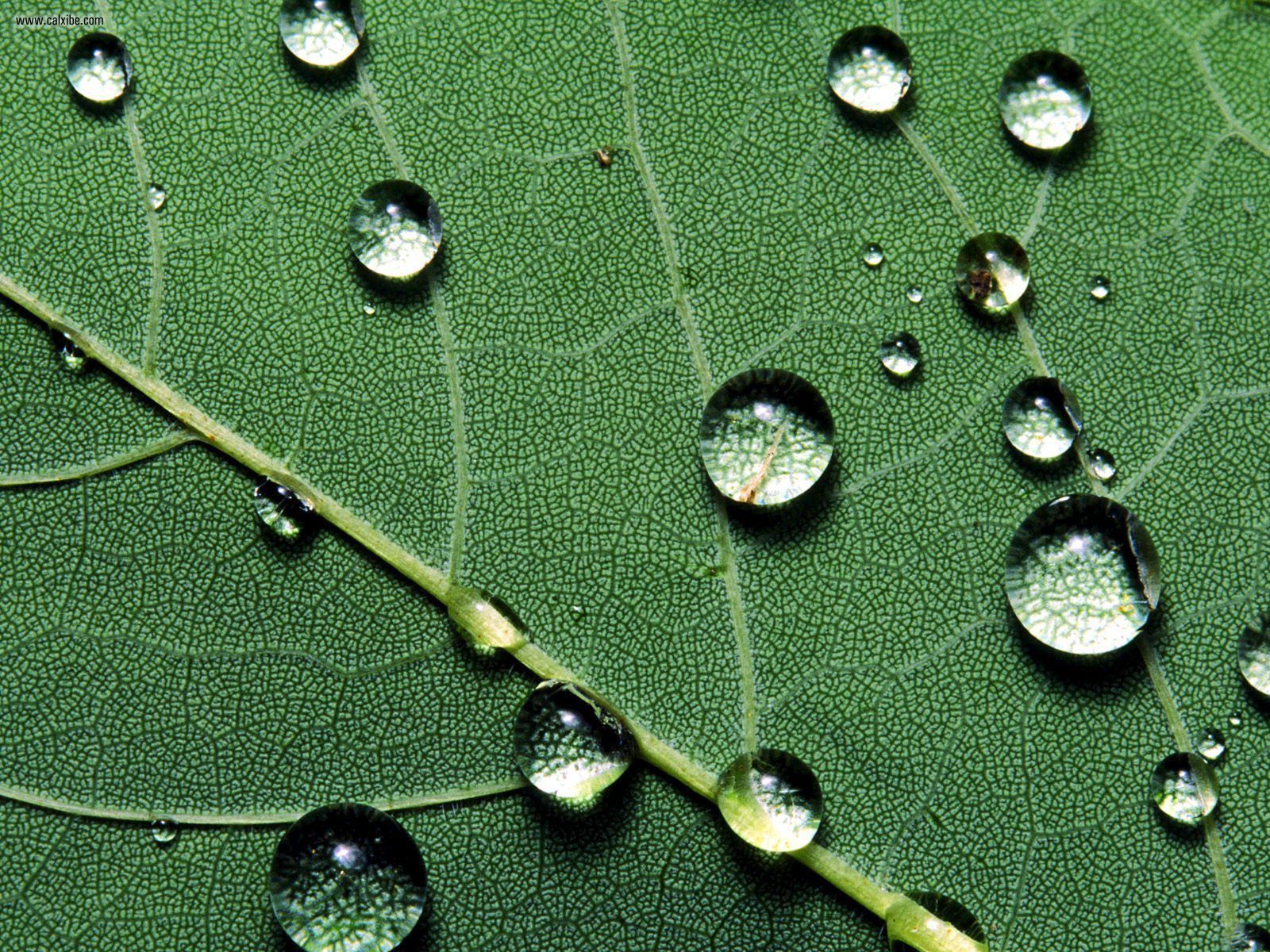
Polar bonds
d)
Hydrogen bonds
4.
Large bodies of water, such as lakes and oceans, do not quickly fluctuate in temperature. What is the reason for this phenomenon?
a)
Water is an acid.
b)
Water is a versatile solvent.
c)
Water has a high heat capacity.
d)
 Water acts as a buffer.
5.
Water is essential for life. Its special properties make water the single most important molecule in plant life. Which of the following properties of water enables it to move from the roots to the leaves of plants?
a)
Water expands as it freezes.
b)
Water is an excellent solvent.
c)
Water exhibits cohesive behavior.
d)
Water is able to moderate temperature.
6.
Why does ice stay at the top of oceans instead of sinking to the bottom?
a)
 Ice is colder than liquid water.
b)
Ice is less dense than liquid water.
c)
Ice is more dense than liquid water.
d)
Ice is warmer than liquid water.
7.
 Small insects can walk across the surface of calm water. Their feet push the surface of the water down slightly, somewhat like a person walking across a trampoline, but they do not break the surface. What is the best explanation for why this happens?
a)
The insects are light enough so that they do not break the hydrogen bonds holding the water molecules together
b)
The insects actually use their wings to hover slightly above the water's surface and they only skim it with their feet
c)
The insects' feet are non-polar, so they are repelled by the polar water molecules and are pushed away from the water's surface
d)
The insects are small enough to see the individual water molecules, so they are able to step carefully from one molecule to the next
8.
Water makes up approximately 60% of the human body and plays a vital role in regulating body temperature. Which property of water makes it good at regulating temperature?
a)
Water is a good solvent.
b)
Water exhibits strong cohesion.
c)
. Water has an unusual crystalline structure.
d)
Water has a high capacity for heat.
9.
What two elements make up water?
a)
Helium and oxygen
b)
Hydrogen and oxygen
c)
helium and carbon
d)
oxygen and carbon
10.
The fact that ice floats on liquid water is due to the fact that water's solid is ___________ than it's liquid form
a)
less polar
b)
more polar
c)
less dense
d)
more dense
11.
The tightness across the surface of water that enables paper clips to float is ____________.
a)
adhesion
b)
capillary action
c)
surface tension
d)
polarity
12.
Which statement explains why water molecules stick together?
a)
both sides are negative
b)
one side has a positive charge and the other side has a negative charge
c)
one side has a negative charge adn the other side has a neutral charge
d)
both sides are positive
13.
What is water?
a)
An atom
b)
A molecule composed of 2 parts Oxygen and one part Hydrogen
c)
A molecular compound composed of 2 parts Hydrogen and one part Oxygen
d)
A pure substance composed of 2 parts Hydrogen and one part Oxygen
14.
What is adhesion?
a)
Water's ability to stick to itself
b)
Water's ability to stick to other substances
c)
The strength of the cohesion of all the water molecules combined
d)
Tape, glue and other adhesives
15.
What is cohesion?
a)
Water's ability to stick to itself
b)
Water's ability to stick to other substances
c)
The strength of the cohesion of all the water molecules combined
d)
Tape, glue and other adhesives
16.
molecule in which opposite ends have opposite electric charges
a)
cohesion
b)
polar molecule
c)
hydrogen bond
d)
solution
17.
Water is a universal solvent because it...
a)
It can be found anywhere
b)
It freezes when it gets cold
c)
floats when frozen
d)
Dissolves most substances
18.
Which term refers to water having partial positive and a partial negative charge?
a)
cohesion
b)
surface tension
c)
polarity
d)
adhesion
19.
A high specific heat means...
a)
It heats up quickly with energy added
b)
It requires more energy to change temperature
20.

Capillary Action

a)

The property of water that allows ice to float on the surface of liquid water

b)

The property of water that allows it to dissolve polar substances

c)

When water molecules stick to other surfaces

d)

The property of water that allows water to move up a thin tube (or the stem of a plant) by itself

21.

What property of water allows water to flow against gravity?

a)

Polarity

b)

Cohesion

c)

Capillary Action

d)

Adhesion

22.
Which of the following is LEAST likely to dissolve in water?
a)
nonpolar fats and oils
b)
polar sugar molecules
c)
salt made of a positive sodium ion and a negative chloride ion
d)
all of the substances will dissolve easily in water
23.
When water molecules stick easily to other water molecules, this is called what?
a)
cohesion
b)
adhesion
c)
solution
d)
polar molecule
24.

What type of charge does an electron have?

a)
positive
b)
no charge
c)
negative
d)
neutral
25.
A proton is a _____ charged particle.
a)
Negatively
b)
Positively
26.

Water is a polar molecule. Which portion of water has a negative charge?

a)

the hydrogens

b)

the oxygen

c)

both

d)

neither

27.

Which portion of a water molecule has a positive charge?

a)

none of it

b)

the hydrogens

c)

the oxygen

d)

all of it

28.

What property explains why sweating cools you down?

a)

Water is a good solvent.

b)

Water expands when it freezes.

c)

Water has a high heat of vaporization.

d)

Capillary action

29.
Large bodies of water do not quickly fluctuate in temperature. Why?
a)
Water is a solvent.
b)
Water has a high heat capacity.
c)
Water acts as a buffer.
d)
Water is non-polar.
30.
Why does water move from the roots to the leaves of plants?
a)
Water is pushed by solutes
b)
Capillary action pulls the water molecules like a chain
c)
Water is pulled by gravity
d)
Water’s cohesion causes it to “pull” towards the leaves
31.

Which side of the water molecule has a slightly positive charge?

a)

Oxygen

b)

Hydrogen

c)

It's all positive

d)

It's all negative

32.

Which side of the water molecule has a slightly negative charge?

a)

It's all negative

b)

It's all positive

c)

Hydrogen

d)

Oxygen

33.

True or False: Ice is Less Dense than Water

a)

True

b)

False

34.

Which molecule arrangement shows a frozen/solid state?

a)

b)

c)

35.

What water phenomenon can be observed in this photo?

a)

Water dissolving

b)

Capillary Action

c)

Chemical Reaction

d)

Photosynthesis

36.

What characteristic is shown in the image?

a)

Polarity

b)

Hydrogen Bonds

c)

Cohesion

d)

Adhesion

37.

Why can fish survive winters in a pond?

a)

ice is less dense than liquid water so it will be on the top of a lake or pond allowing fish to swim beneath it

b)

water is available in all 3 phases so ice will be on the top of a lake or pond allowing fish to swim beneath it

c)

water is polar so ice will be on the top of a lake or pond allowing fish to swim beneath it

d)

Adhesion so ice will be on the top of a lake or pond allowing fish to swim beneath it

38.

Why is water so good at dissolving so many substances?

a)

it is polar

b)

it is less dense as a solid

c)

cohesion

d)

adhesion

39.
Refer to the picture; this is occurring because of:
a)
Adhesion
b)
Cohesion
40.

What is the chemical formula for water?

a)

HO

b)

2HO

c)

H2O

d)

HO2

41.

Which of the following images shows a singular water molecule?

a)
b)
c)
42.

Which letter represents hydrogen?

a)

A

b)

B

c)

C

d)

D

43.

What is the charge on the hydrogen atom?

a)

Positive

b)

Negative

44.

What is the charge on the oxygen atom?

a)

Positive

b)

Negative