wayground logo

Free Printable Worksheets

Font size

S
M
L
XL
Worksheets

Unit 2 Periodicity Review

Total questions: 100

Worksheet time: 2hrs 40mins

Name
Class
Date
1.

Select all that apply

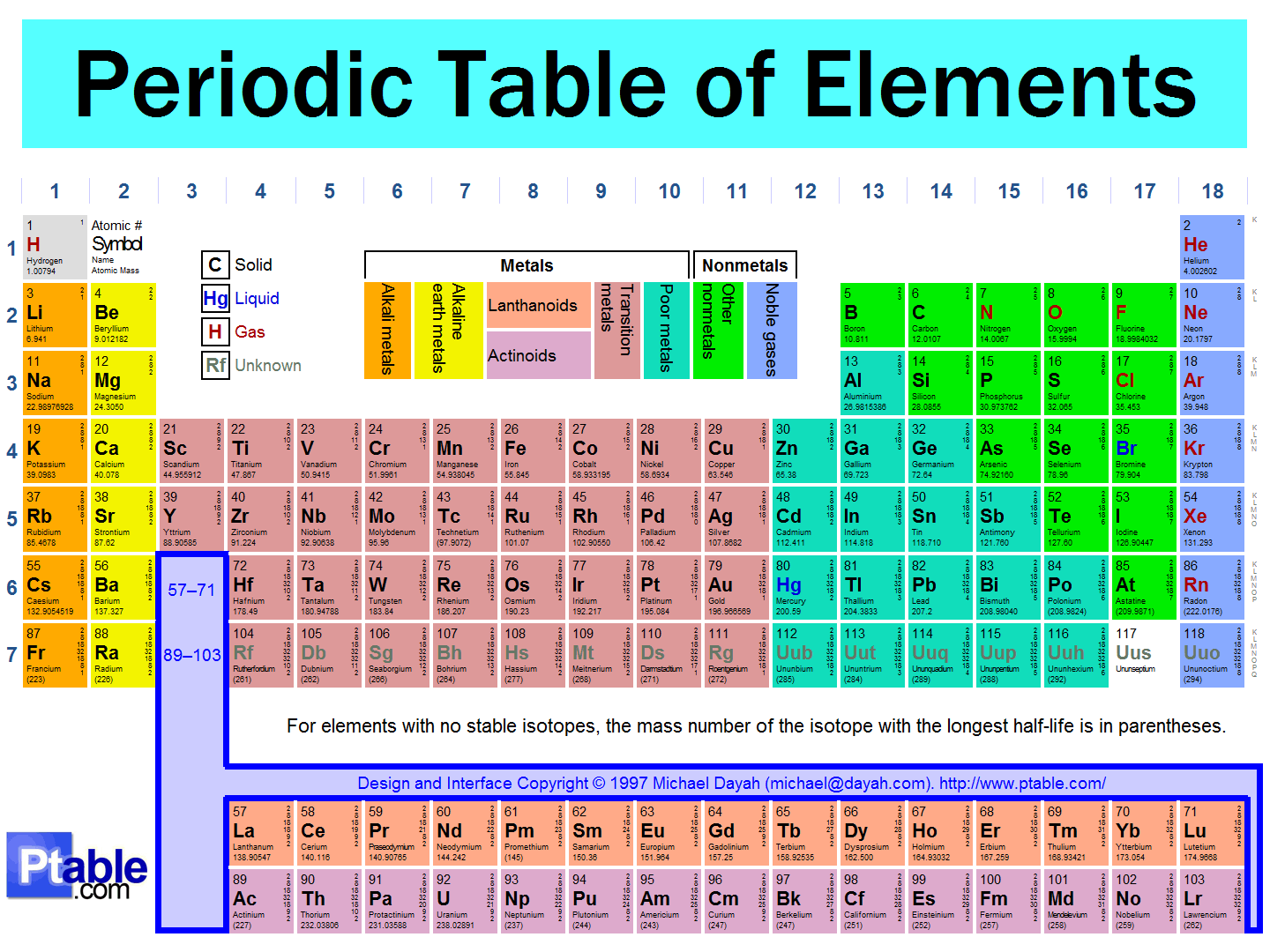
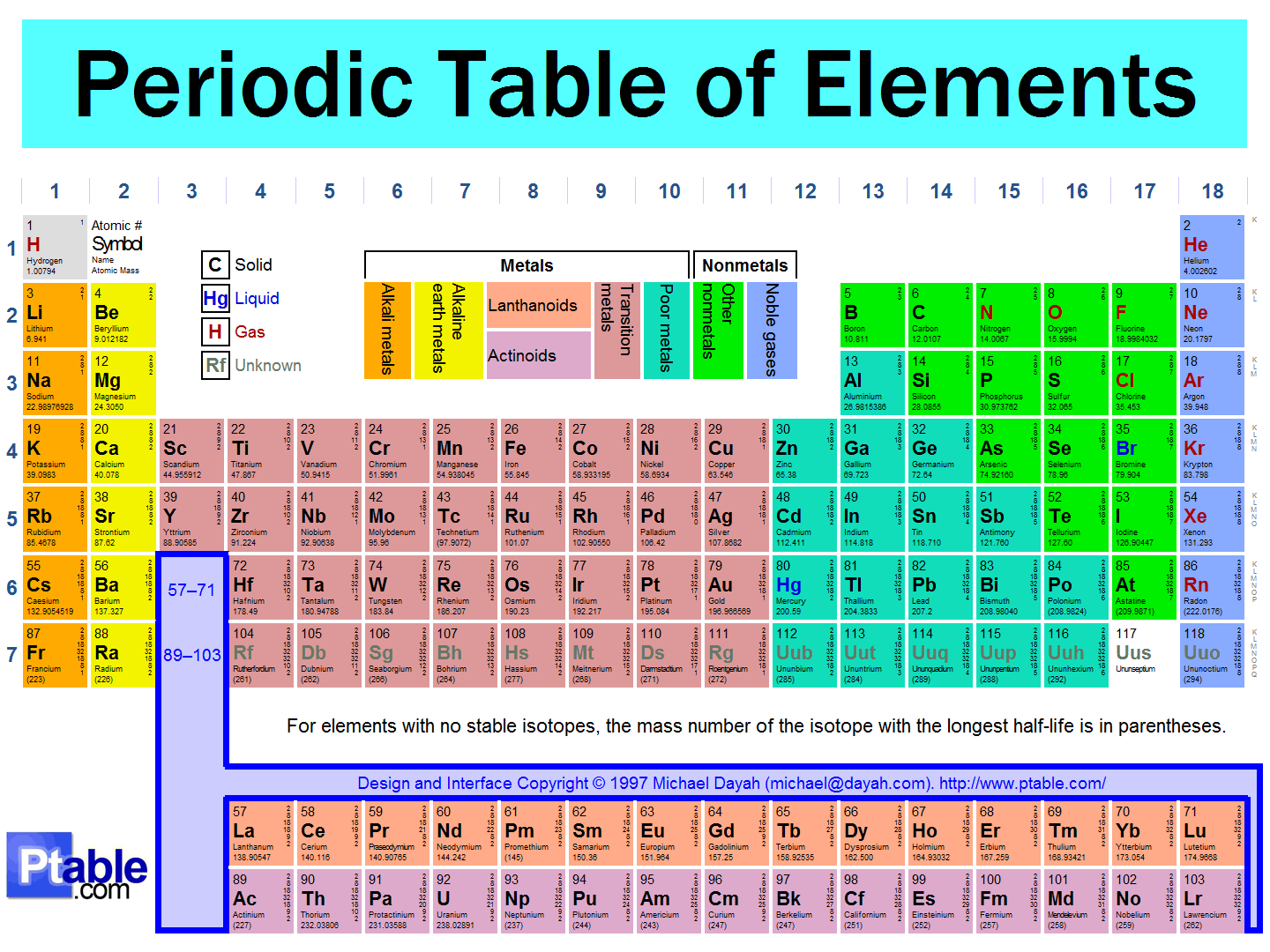
Which were features of Mendeleev's periodic table?

a)

elements in columns had similar properties

b)

atomic masses were determined by mass spectrometer

c)

the arrangement of elements was based on electron configuration

d)

blank spaces predicted elements yet to be discovered

2.

Which is the periodic repetition of properties when the elements are arranged by increasing atomic number?

a)

law of octaves

b)

octet rule

c)

periodic law

d)

aufbau principle

3.

Select all that apply

Which are typically included for each element on the modern periodic table?

a)

atomic number

b)

melting point

c)

atomic mass

d)

origin of the name

e)

element symbol

4.
Why were there blank spaces left in Mendeleev's periodic table?                                              
a)
He didn't know what to put there.
b)
 Undiscovered elements not yet known.
c)
Multiple elements could have fit
d)
He forgot to add the elements in.
5.
Which property did Mendeleev use to order his periodic table?
a)
Shielding effect
b)
Eletronegitivity
c)
Atomic Weight
d)
Metallic Character
6.
What was Dmitri Mendeleev's greatest contribution to the history of the periodic table?
a)
He arranged all of the known elements by their atomic number
b)
He realised that there was a pattern of reactivity which repeated every 8 elements
c)
He predicted the existence (and properties) of new elements
d)
He identified the "law of triads" which became the groups
7.

Each vertical column on the periodic table is called a...

a)

group

b)

tower

c)

period

d)

crew

8.

The horizontal rows on the periodic table are called

a)

groups

b)

families

c)

periods

d)

atomic numbers

9.

In each square of the periodic table, the number at the bottom is the:

a)

atomic number

b)

atomic mass

c)

chemical symbol

d)

element name

10.
The number at the top of each square on the periodic table is the ...
a)
atomic number
b)
atomic mass
c)
Chemical Symbol
d)
Element Name
11.
Most of the elements on the periodic table are classified as _____.
a)
Metals
b)
Nonmetals
c)
Metalloids
d)
Periods
12.
In the modern periodic table elements are arranged by:
a)
atomic mass
b)
atomic number
c)
valence electrons
d)
number of isotopes
13.

The atomic number is the

a)

average mass of the element

b)

number of protons an element has

c)

number of valence electrons an element has

d)

group and period an element belongs to

14.

The atomic mass of an element is:

a)

the amount of electrons the element has

b)

the element's size

c)

the number of protons and neutrons an element has in its nucleus

d)

the element's name

15.

On the periodic table, elements on the right side of the "stair-step" line are classified as:

a)

nonmetals

b)

metals

c)

gases

d)

Halogens

16.

The chemical and physical properties of the elements repeat themselves when arranged by increasing atomic number is called

a)

Periodic Theory

b)

Periodic Hypothesis

c)

Periodic Law

d)

Law of Octaves

17.

Which of the following elements are on period 5?

a)

Na

b)

Se

c)

Ag

d)

Rn

18.

Which of the following elements would be a noble gas?

a)

Rn

b)

Ra

c)

Gd

d)

O

19.

Which of the following elements would be a lanthanide?

a)

Pu

b)

Sm

c)

Os

d)

Cf

20.

Which of following elements is a halogen?

a)

F

b)

Hg

c)

Mn

d)

Nd

21.

Which of the following elements would be a transition metal?

a)

Ca

b)

Au

c)

Rb

d)

Fr

22.

Atoms of elements in group 1 have ____________.

a)

one electron in their outermost energy level

b)

two electrons in their outermost energy level

c)

seven electrons in their outermost energy level

d)

eight electrons in their outermost energy level

23.

Shiny (luster) and good conductors of electricity:

a)

Nonmetal

b)

Lightning

c)

Metal

d)

Semi-metal

24.
The atoms along the staircase are called 
a)
metals
b)
nonmetals
c)
metalloids
d)
noble gases
25.

Which element has n=2 and s2 p6 configuration?

a)

He

b)

O

c)

Ne

d)

Ni

26.
How many valence electrons does an atom of sulfur (S) have?
a)
2
b)
3
c)
6
d)
16
27.

Lanthanides and actinides are located in the .................block.

a)

s

b)

p

c)

d

d)

f

28.
How many valence electrons are found in atoms of group 15?
a)
4
b)
5
c)
2
d)
3
29.

What is the chemical symbol for carbon?

a)

C

b)

Ca

c)

Cn

d)

Crn

30.

Which classification of elements are gases or dull brittle solids and poor conductors?

a)

Transition metals

b)

Metals

c)

Nonmetals

d)

Metalloids

31.

The horizontal (side to side) rows in the periodic table are called

a)

groups

b)

families

c)

periods

d)

atomic numbers

32.

A ___________ is an arrangement of elements in columns.

a)

columns

b)

rows

c)

periodic table

d)

electron shell

33.

The modern periodic table is organized by the number of __________ atomic number.

a)

decreasing

b)

increasing

c)

constant

34.

Which of the following elements has 11 protons?

a)

Sodium

b)

Magnesium

c)

Potassium

d)

Calcium

35.

An atom has an atomic number of 8 and an atomic mass of 16. How many neutrons does it have?

a)

8

b)

16

c)

24

d)

32

36.

Which of the following statements is true about a neutral atom?

a)

The number of protons is equal to the number of electrons.

b)

The number of protons is equal to the number of neutrons.

c)

The number of neutrons is equal to the number of electrons.

d)

The number of protons is greater than the number of electrons.

37.

Which element has an atomic number of 3?

a)

Helium

b)

Lithium

c)

Beryllium

d)

Boron

38.

What is the center of an atom containing protons and neutrons?

a)

nucleus

b)

neutron

c)

proton

d)

electron cloud

39.
What group number are the alkaline earth metals in on the periodic table?
a)
1
b)
12
c)
2
d)
15
40.
What group number are the noble gases in on the periodic table?
a)
8
b)
18
c)
17
d)
3
41.

This group is made of the MOST reactive metals.

a)

Transition metals

b)

Metalloids

c)

Alkali Metals

d)

Alkaline Earth Metals

42.

Elements that are in the same group have ______________.

a)

properties that are similar to each other and behave the same.

b)

nothing in common at all.

c)

the same number of protons.

d)

very different properties.

43.

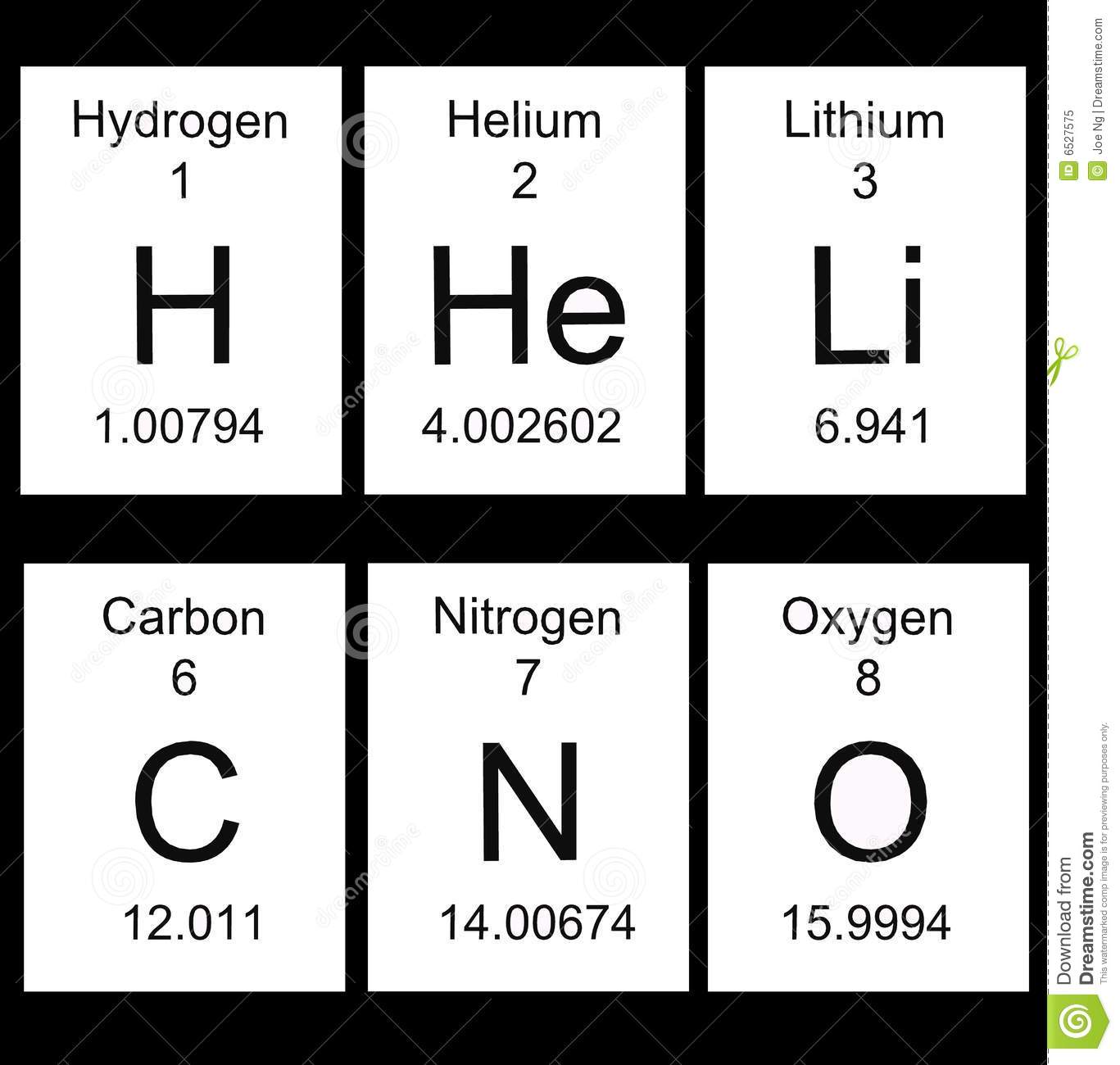
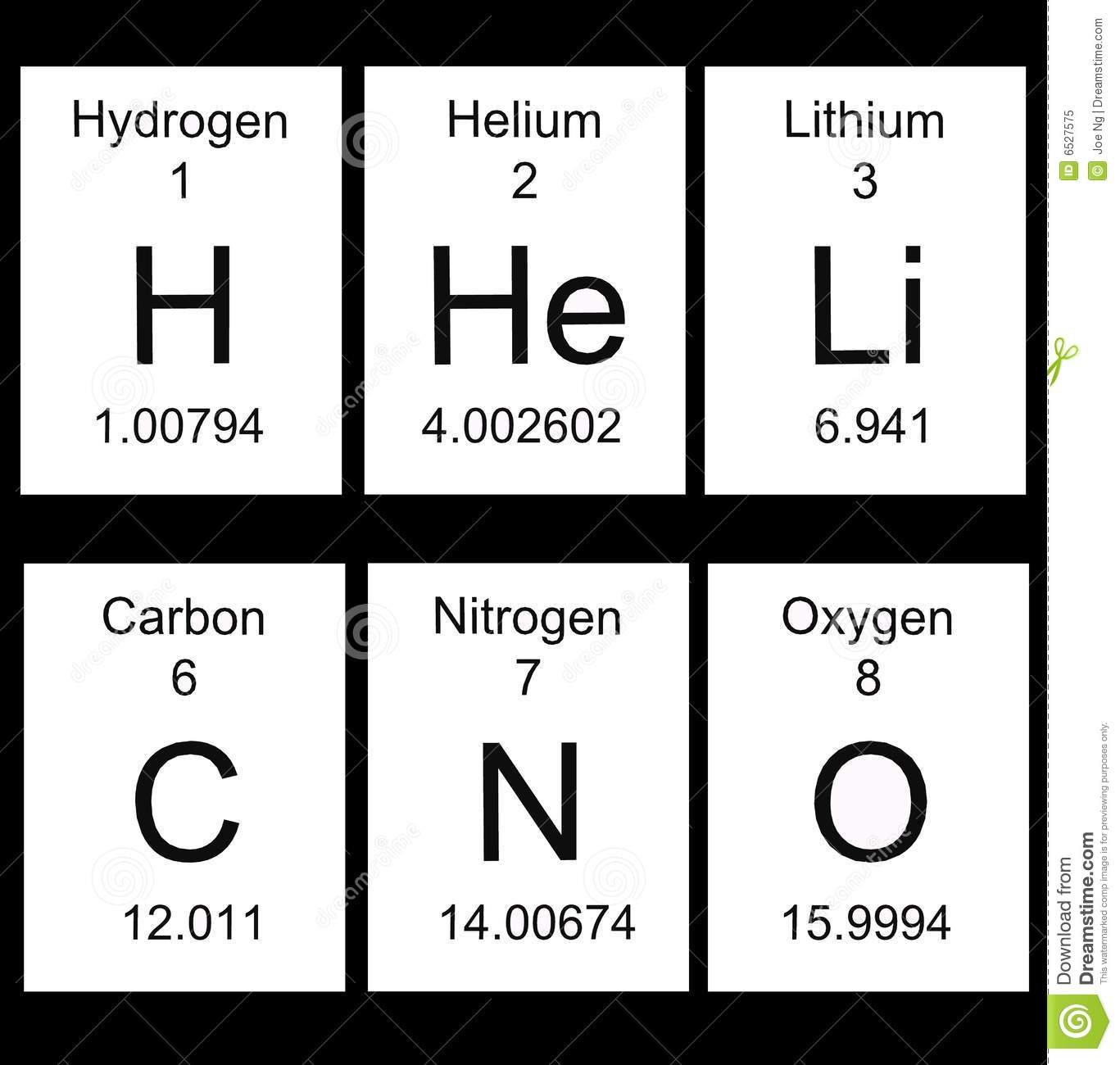
From this element key of Nitrogen, determine the atomic mass of nitrogen

a)

7

b)

7.01

c)

14.01

d)

21.01

44.

What are two properties that make a metal a good choice to use as wire in electronics?

a)

conductivity, malleability

b)

ductility, conductivity

c)

luster, malleability

d)

malleability, high density

45.

an arrangement of the elements according to their atomic numbers so that elements with similar properties are in the same column and properties repeat from row to row

a)

Periodic Table of Elements

b)

Atomic Theory

c)

Isotopes

d)

Subatomic Particles

46.

What electron configuration matches an oxygen atom?

a)

1s22s22p63s2, 3p64s23d104p5

b)

1s22s22p4

c)

1s22s22p6

d)

1s22s22p63s23p64s23d1

47.

Identify the Electron Configuration for Aluminum (Al)

a)

1s2 2s2 2p6 3s2 3p1

b)

1s2 2s2 2p6 3s2 3p3

c)

1s2 2s2 2p6 3s2 4p1

48.

Valence electrons are located...

a)

inside the nucleus

b)

in outer space

c)

on the outermost orbit of an atom

49.

This is a correct dot diagram for fluorine (F)

a)

true

b)

false

50.

This is a correct dot diagram for oxygen (O)

a)

true

b)

false

51.

The elements in this group all have 5 valance electrons.

a)

Group 5

b)

Group 15

c)

Group 3

d)

Group 18

52.
Electrons occupy orbitals of lowest energy first is part of what electron configuration rule?
a)
Hund’s Rule
b)
Aufbau Principle
c)
Pauli Exclusion Principle
53.
There are 4 different types of subshells s,p,d,f
a)
true
b)
false
54.
What do you start electron configuration with?
a)
1s2
b)
1d10
c)
1f14
d)
1p6
55.
What does Pauli exclusion principle state ?
a)
states that each electron occupies the lowest energy orbital available
b)
states that a maximum of two electrons can occupy a single atomic orbital, but if only if the electros have opposite spins
c)
states that single electrons electrons with the same spin must occupy each-energy orbital before additional electrons with opposite spins can occupy the same orbitals
56.
What does Hund's rule states ?
a)
states that single electrons electrons with the same spin must occupy each-energy orbital before additional electrons with opposite spins can occupy the same orbitals
b)
states that each electron occupies the lowest energy orbital available
c)
states that a maximum of two electrons can occupy a single atomic orbital, but if only if the electros have opposite spins
57.
Which of the following is a p block element?
a)
Ca
b)
Ar
c)
Re
d)
Au
58.
What element in Period 4 has 5 valence electrons?
a)
Zr
b)
As
c)
V
d)
Sb
59.
Electron arrangement that uses arrows
a)
Electron configuration
b)
Shorthand configuration
c)
Lewis dot structure
d)
Orbital diagram
60.
The electron configuration of an atom is 1s22s22p6.  The number of electrons in the atom is 
a)
3
b)
6
c)
8
d)
10
61.

What atom matches this electron configuration?

[Xe] 6s24f145d9

a)

Mercury

b)

Gold

c)

Platinum

d)

Thallium

62.

There are __ energy levels

a)

1

b)

2

c)

7

d)

8

63.
How many atomic orbitals are there in the p sublevel?
a)
2
b)
3
c)
4
d)
5
64.
[Ne]3s23p5 is the noble gas configuration for which element?
a)
chlorine
b)
fluorine
c)
sulfur
d)
aluminum
65.

Each row on the periodic table represents:

a)

an energy level

b)

a sublevel

c)

an electron

d)

an orbital

66.

Energy levels are denoted by:

a)

letters

b)

numbers

c)

a combination of letters and numbers

d)

subscripts

67.

Is the following electron configuration correct? Why or why not?


1s22s22p63s23p64s24d104p65s1

a)

No. 4p6 should be after 5s1.

b)

No. It should be 3d10 not 4d10

c)

Yes. All electrons are represented properly.

d)

Yes.

68.

Choose the Noble Gas that you would use to begin the shorthand configuration of the following element.

Iron

a)

[He]

b)

[Ne]

c)

[Ar]

d)

[Kr]

69.

In an electron configuration, what follows 4s?

a)

4p

b)

3d

c)

4s

d)

2f

70.

What is incorrect about this orbital diagram?

a)

Both arrows in the 2p box should be pointing up

b)

There is nothing incorrect with this diagram

c)

In the 2p box there should only be 1 electron in the first 2p box and one in the 2nd 2p box pointing in the same direction.

d)

All the arrows should be pointing up.

71.

Which area on the periodic table represents the electrons in the "d" sublevel (d orbitals)?

a)

representative elements

b)

columns 3-8

c)

rare earth elements

d)

transition elements

72.
What electron configuration matches an oxygen atom?
a)
1s22s22p63s2, 3p64s23d104p5
b)
1s22s22p4
c)
1s22s22p6
d)
1s22s22p63s23p64s23d1
73.
As you move down a group, atomic radius increases because - 
a)
you add more and more neutrons
b)
you add more and more protons
c)
you add more and more shells (energy levels)
d)
you add more atomic mass
74.
The atom with the largest atomic radius in Group 18 is - 
a)
Ar
b)
He
c)
Kr
d)
Rn
75.
As you move across the periodic table from left to right, the atomic radius decreases.  This is because - 
a)
the number of protons increases, so attraction to electrons increases
b)
the number of energy levels increases
c)
the number of electrons increases
d)
the atomic mass increases
76.
The atom with the largest atomic radius in Period 4 (row 4) is - 
a)
K
b)
Kr
c)
Fe
d)
Fe
77.
Francium (Fr) has the lowest ionization energy in Group 1 because - 
a)
it has the smallest number of valence electrons
b)
it has the greatest atomic mass
c)
it has the greatest number of protons, so it attracts its electrons the strongest
d)
its 1 valence electron is very far from the nucleus, so little energy is needed to remove it
78.
As you move across the periodic table atoms tend to get smaller because, ______________.
a)
the atoms have more mass.
b)
the atoms have less mass
c)
the atoms have more protons.
d)
the atoms have less electrons.
79.
The energy required to remove electrons is the definition of: 
a)
Electronegativity
b)
Atomic Number
c)
Atomic Radius
d)
Ionization
80.
Families all have similar 
a)
Names
b)
atomic numbers
c)
atomic masses
d)
properties
81.
Electronegativity is...
a)
the ability of an atom to attract/ accept electrons
b)
the ability of an atom to lose electrons
c)
the energy required to remove an electron from a specific atom
d)
how easy it is to make friends. 
82.
Electronegativity __________ from left to right within a period and __________ from top to bottom within a group.
a)
decreases, increases 
b)
increases, increases
c)
increases, decreases 
d)
stays the same, increases
83.
Calcium belongs to which orbital block?  (s, p, d, or f)
a)
s
b)
p
c)
d
d)
f
84.
Noble gases are characterized by...
a)
High reactivity
b)
Being solid at room temperature
c)
Low ionization energy
d)
Full valence shell of electrons
85.
Alkali metals are characterized by their...
a)
Formation of +2 charges
b)
High levels of reactivity
c)
Low melting points
d)
valence electrons in the "p" block
86.
Which element is a metalloid?
a)
S
b)
Br
c)
As
d)
Au
87.
What element is the MOST reactive metal on the PT?
a)
Cu
b)
Mn
c)
F
d)
Fr
88.
The general trend of metal ion size is that they decrease in size as you move from ______ to ______ on the PT.
a)
Right to left
b)
Left to right
c)
Diagonally
d)
Top to bottom
89.
Put the following in order of increasing ionization energy:Cobalt, Tungsten, Ruthenium
a)
Tungsten, Ruthenium, Cobalt
b)
Cobalt, Tungsten, Ruthenium
c)
Ruthenium, Cobalt, Tungsten
d)
Cobalt, Ruthenium, Tungsten
90.

How does metallic character change moving down the periodic table from top to bottom?

a)

It increases.

b)

It decreases.

c)

It doesn't change.

91.

From left to right across the periodic table, metallic character...

a)

increases.

b)

decreases.

c)

does not change.

92.

This results in decreased attraction of electrons for the nucleus of an atom due to inner electrons blocking the attraction of valence electrons.

a)

Periodic Trends

b)

Shielding Effect

c)

Octet Rule

d)

Hund's Rule

93.

Metals want to ______ electrons.

a)

gain

b)

lose

c)

gain or lose

94.

Most atoms want to lose or gain electrons to obtain _____ electrons in their valence shell.

a)

2

b)

8

c)

18

d)

32

95.

Nonmetals want to _____ electrons.

a)

gain

b)

lose

c)

gain and lose

96.

Metals are generally located on which side of the periodic table?

a)

Left

b)

Right

97.
Why is it important to understand periodic trends in predicting element properties?
a)
It allows us to calculate the atomic mass of an element
b)
It helps us identify the number of neutrons in an atom
c)
It allows us to determine the exact number of protons in an atom
d)
It provides information about the reactivity and behavior of elements
98.
How does the number of valence electrons affect periodic trends?
a)
Elements with more valence electrons tend to have higher ionization energies
b)
Elements with more valence electrons tend to have lower electronegativities
c)
It has no effect on periodic trends
d)
Elements with more valence electrons tend to have larger atomic radii
99.

Arrange the following in order of decreasing atomic radius

O-2, O, O-1

a)

O-2, O, O-!

b)

O-2,O-1,O

c)

O, O-1, O-2

100.

Arrange in order of decreasing atomic radius:

Ba+2, Ca+2, Be+2, Sr+2

a)

Ba+2, Ca+2, Be+2, Sr+2

b)

Ba+2, Sr+2, Ca+2, Be+2

c)

Ca+2, Be+2, Sr+2, Ba+2

d)

Ca+2, Be+2,Sr+2, Ba+2