
 Worksheets
Renewable Energy vs. Non-Renewable Energy (Fossil Fuels)
Total questions: 95
Worksheet time: 55mins


Which of these is not a fossil fuel?
Coal
Oil
Electricity
Natural Gas
5. The Earth provides humans with an unlimited amount of fossil fuels. They are considered renewable.
True
False
Why are fossils fuels so widely used?
They are renewable so they won't run out.
They pollution they produce is less compared to renewable energy sources.
They are easy to obtain and process.
They don't disrupt the environment when mined from the earth.
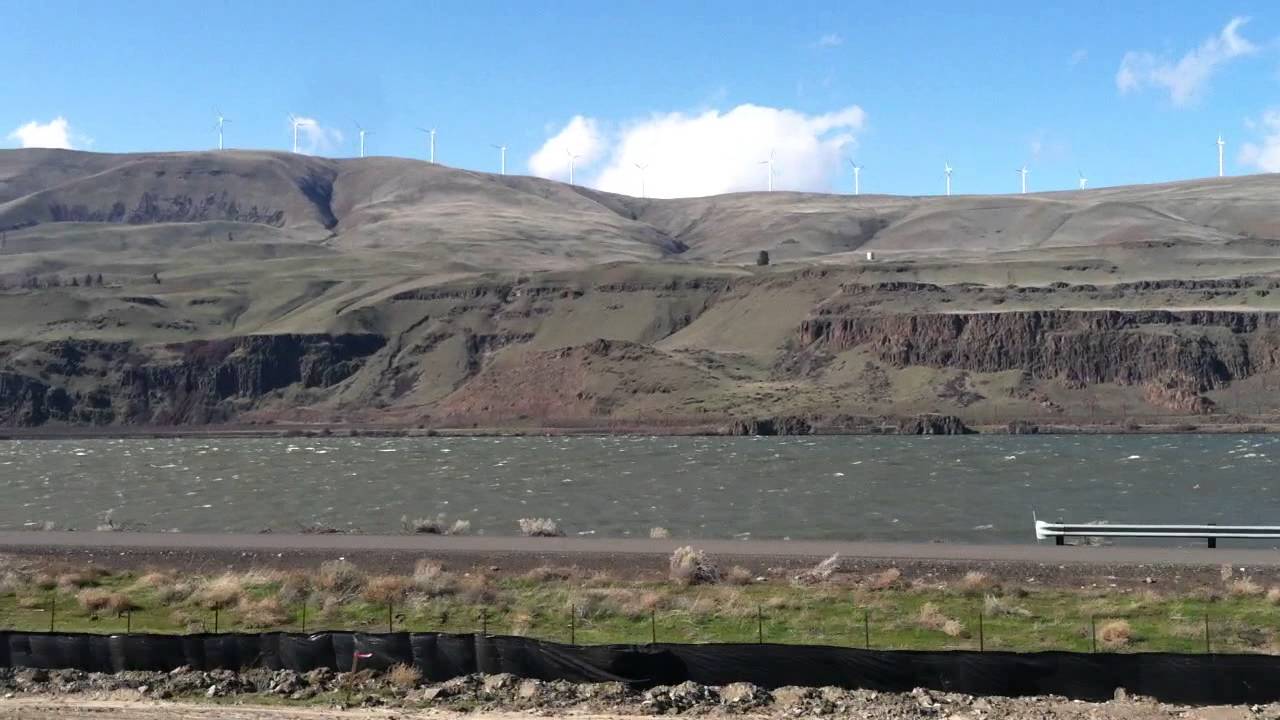
The energy we use to function in our everyday lives can be classified as...
Renewable or non-renewable
Natural or non-renewable
Renewable and Natural
All of them

Renewable energy resources produce less_____________ than fossil fuels.
pollution
energy
wind
light
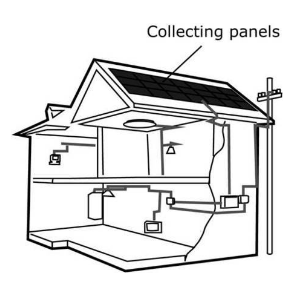
Which alternative energy source does this house use?
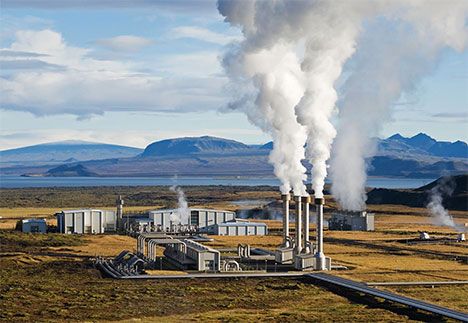
All of the following are considered renewable energy sources EXCEPT –
Wind
Coal
Biomass
Solar

What percentage of energy used in the U.S. comes from renewable energy?
5%
10%
50%
80%
Which type of energy produces Carbon Dioxide, which can be harmful to our planet and cause pollution?
Solar Energy
Wind Energy
Fossil Fuels (Coal, oil, and gas)
Nuclear Energy
Any significant change in measures of climate, such as temperature lasting for an extended period of a decade or longer.
BIOTECHNOLOGY
CLIMATE CHANGE
CONVECTION
COMPOST
A natural fuel (coal, oil, or gas) formed in the geological past from the remains of living organisms.
FUEL CELL
WIND ENERGY
SOLAR ENERGY
FOSSIL FUEL
Energy stored in the earth in the form of heat.
GEOTHERMAL
SOLAR ENERGY
WIND ENERGY
NUCLEAR ENERGY
The use of flowing water from waterfalls and dams to produce electricity.
HYDRO & TIDAL POWER
SOLAR ENERGY
WIND ENERGY
NUCLEAR ENERGY
Energy stored in the nucleus of an atom.
HYDRO & TIDAL POWER
SOLAR ENERGY
WIND ENERGY
NUCLEAR ENERGY
To decrease the amount of products purchased or produced with the intent of minimizing waste
REDUCE
POLLUTION
RECYCLE
CONSUMER
The process of making new products from materials that were used in another product.
REDUCE
POLLUTION
RECYCLE
CONSUMER
A contaminant to the environment, especially human-made waste.
REDUCE
POLLUTION
RECYCLE
CONSUMER
The ratio of the useful energy delivered by a dynamic system to the energy supplied to it.
BIODEGRADABLE
BIOMASS
REDUCE
EFFICIENCY
Energy from the sun.
HYDRO & TIDAL POWER
SOLAR ENERGY
WIND ENERGY
NUCLEAR ENERGY
Energy derived from wind by means of windmills or wind turbines.
HYDRO & TIDAL POWER
SOLAR ENERGY
WIND ENERGY
NUCLEAR ENERGY
Printing on both sides of the paper helps to ________ paper waste.
REDUCE
REUSE
RECYCLE
Using an old jar to store items in the kitchen is an example of what?
REDUCE
REUSE
RECYCLE
Taking old cans and bottles to the bottle return is an example of...
REDUCE
REUSE
RECYCLE
A resource that can be replaced when needed.
Fossil Fuels
Nonrenewable Energy
Exhaustible Energy
Renewable Energy

Which of the following are Non-Renewable energy resources? (Check all that apply.)
coal
wind
solar
nuclear

One advantage of solar and wind power over fossil fuels is that
wind and solar are presently much less expensive than fossil fuels.
wind and solar come from natural processes and fossil fuels do not.
wind and solar are nonrenewable resources and fossil fuel are renewable.
wind and solar are continuously renewable and fossil fuels take millions of years to be formed.

Renewable or Nonrenewable: Coal
Renewable
Nonrenewable

Renewable or Nonrenewable: Natural Gas
nonrenewable
renewable

Renewable or Nonrenewable: Oil
Nonrenewable
Renewable

Renewable or Nonrenewable: Sunlight
Renewable
Nonrenewable

Renewable or Nonrenewable: Water
Nonrenewable
Renewable

Renewable or Nonrenewable: Wind
Renewable
Nonrenewable

This energy is from moving air.
Wind Energy
Geothermal Energy
Fossil Fuel Energy
Biofuel

This is electrical energy that comes from the force of energy of moving water. It is the most widely used type of renewable energy.
Coal
Hydroelectric Power
Wind Energy
Geothermal Energy

This is the energy generated in the Earth's core and produces steam and hot water.
Solar Energy
Hydroelectric Power
Fossil Fuels
Geothermal

Solar energy is a completely renewable resource.
Advantage
Disadvantage

Fossil Fuels produce carbon dioxide that pollutes the atmosphere.
Advantage
Disadvantage

Nuclear Power can generate high amounts of electrical energy in a single plant.
Advantage
Disadvantage

Wind energy is pollution free.
Advantage
Disadvantage

Hydropower can have a negative impact on river wildlife.
Advantage
Disadvantage

Geothermal power is geographically limited-not available in many locations.
Advantage
Disadvantage

Fossil Fuels are a nonrenewable resource.
Advantage
Disadvantage
Which of the following categories does tidal power fall into?
Hydrothermal
Wind
Hydropower
solar
What is/are the cause(s) of tides?
Gravitational pull of moon
Gravitational pull of sun and moon and rotation of earth
Gravitational pull of moon and sun
Gravitational pull of sun
In terms of predictability, tidal energy _____ solar and wind
is more predictable than
is less predictable than
has similar predictability like
cannot be predicted unlike
Which of the following best describes the working of a tidal barrage for an incoming tide?
Incoming tides → generator → barrage → basin
Incoming tides → basin → generator → barrage
Generator → barrage → basin → incoming tides
Incoming tides → barrage → basin → generator
What's tidal powers disadvantage?
Hurts swimmers and surfers
Breaks all the time
Hurts the water
Hurts marine animals
What is wind?
Air
Nothing
Air in motion
A fan
How is wind caused?
There's a giant fan in Afghanistan where it cools the earth
Unequal heating
When clouds cover a certain area
Hot air rises
How can wind become energy?
When a wind turbines changes the kinetic energy in wind to electric energy.
When a windmill goes fast enough
It just naturally is
The sun heats it so it becomes solar energy
How do wind turbines affect the environment.
Birds and bats may be injured.
Cuts the clouds which affects the water cycle.
Hits trees around them which blows up the wind turbine.
They are perfect for the environment.
The origin of the Earth's geothermal is mainly due to the heat from:
the original Earth's formation
the decay of radioactive element
the radiation from the sun
the explosion in the core of the Earth
Out of the geothermal resources available, _________ is the most commonly harvested resource for its geothermal energy.
hot springs
volcanies
hot dry rocks
Geothermal energy depends on the weather conditions.
True
False
Geothermal resource extraction and its power plant operation emits zero CO2.
True
False
Fun time Q: During this MCO, I am:
motivated to try out something new/develop new skill
bored to death
If I have superpower, I would:
The primary source of energy on our planet is
the sun
the earth
fossil fuels
renewable
Solar power is generated directly from
sunlight
solar panels
wind
photovoltyaic panels
Solar enegy can be converted into
heat, electricity and power
heat
electricity and heat
electricity
Renewable energy
does not finish
does not pollute
is clean
all of the other options
Renewable means
unlimited
polluting
that it will expire
can be reproduced
Drawbacks of solar energy are:
it is not always available
it is polluting
it is still quite expensive
all ot the other options
What do you call the area where water is stored behind a dam?
reservoir
generator
refuge
turbine
Hydropower is a renewable resource.
True
False
What happens when water flows through a dam?
The water evaporates.
The water turns a turbine.
The water is pumped back up.
The water creates sparks making electricity.
What is the job of a turbine?
When it spins, it makes sparks causing electricity.
It moves the energy from the flow of water to a generator.
It slows down the speed of the water to keep it at a steady pace.
It controls the water so it can be pumped back up the dam.
What are some concerns about building dams to create hydropower? Check all that apply.
Dams change the environment.
There are no concerns.
Dams change fish swimming patterns.
Dams store too much water.
Other than using dams, what is another way to use hydropower?
Hydrogenerator
Hydropump
Hydroreservoir
Run of River

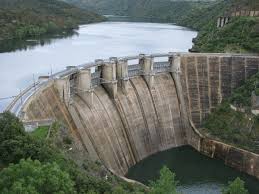
The following picture is an example of what energy source?
Wind
Biomass
Coal
Hydropower
This is built across a river to stop and control water flow
reservoir
lake
bridge
dam
Hydropower plants release harmful pollutants into the air.
True
False
Fish ladders can help fish get past dams.
True
False

Which letter represents potential energy?
C
D
E
F
Which letter represents the generator?
C
D
E
F
Which letter represents the turbine?
C
D
E
F

