
NEW
Font size
 Worksheets
Cycles and Relationships Study Guide
Total questions: 75
Worksheet time: 57mins

How does water leave the plant if plants don't store up water?
The roots get rid of excess water.
Most plants DO store water.
It is released from the leaves by TRANSPIRATION.

What causes drops to form on a cold pitcher of lemonade?
Evaporation
Condensation
Precipitation

What process is exemplified by snowflakes drifting to the ground?
Precipitation
Evaporation
Condensation

During a drought, what process causes a pond to shrink in size?
Precipitation
Evaporation
Condensation
What is involved in the water cycle?
when clouds form
the movement of water on, above, or below the surface of the Earth
when water melts
the 3 forms of water
What is the process called that is the reverse of condensation?
evaporation
runoff
precipitation
transpiration
Which of the following are examples of precipitation?
Rain, snow, sleet, and hail
Evaporation
Condensation
Accumulation

What is the main energy source driving the water cycle?
the moon
the sun
water
the earth
What is the process called when water heats up and changes from a liquid to a gas?
Condensation
Runoff
Precipitation
Evaporation
What is the process called when water cools and changes from a gas to a liquid?
Condensation
Runoff
Precipitation
Evaporation
When water evaporates, what does it become?
water vapor
clouds
rain
What is the term for water that travels across the surface of the earth?
runoff water
ground water
surface water
Does the carbon cycle ensure that all carbon is perpetually recycled?
TRUE or FALSE?
True
False
What is the term for the release of excess water as water vapor from the aerial parts of plants?
Transpiration
Photosynthesis
Respiration
Guttation
In what way is the water cycle similar to the carbon cycle?
Both involve the transfer of substances between animals, plants, and the Earth.
Neither process works at low temperature.
Both involve liquid substances falling to the Earth from the atmosphere?
Both involve the transfer of substances between the earth and outer space.
Where is carbon located?
In fossil fuels
In the atmosphere
Within the soil
In all of the above
Which carbon reservoir encompasses all Earth's water, including oceans, rivers, streams, clouds, and underground water supplies?
Atmosphere
Biosphere
Hydrosphere
Lithosphere
Which of the following reservoirs of carbon consists of all living organisms on Earth?
Atmosphere
Biosphere
Hydrosphere
Lithosphere
Animals release _____ and take in _____ during the process of respiration.
oxygen, carbon dioxide
photosynthesis, air
carbon, oxygen
oxygen
What is the essential gas released by animals that supports plant life?
Carbon dioxide
Oxygen
Sunlight
Water
Which of the following processes adds carbon to the atmosphere?
Photosynthesis
Animal respiration (Breathing)
Volcanic eruption
Burning fossil fuels
What role do plants play in enhancing air quality for humans and animals?
Plants absorb carbon dioxide and emit oxygen
Plants consume oxygen from the air to produce their own food
Plants emit pollution into the atmosphere
Plants absorb oxygen and emit carbon dioxide
In what way does deforestation play a role in global warming?
By eliminating shade that helps counteract global warming
By removing trees that absorb carbon dioxide, leading to more carbon in the atmosphere
By preventing trees from draining greenhouse gases like methane from the soil
By stopping trees from absorbing the sun's energy without radiating it back
What are the negative impacts of burning fossil fuels?
they cause cancer
it increases the amount of carbon dioxide in the atmosphere
this would destroy fossils
They can get extremely hot
What organism plays a crucial role in transforming nitrogen gas into a usable form for plants and animals?
fungi
bacteria
car exhaust
rain
What is the process called where nitrogen circulates and is recycled?
The nitrogen cycle
The carbon cycle
The water cycle
The phosphorus cycle
In what ways is nitrogen transformed into a usable form for plants?
Only through bacterial action
Through both bacterial action and lightning
Through the process of photosynthesis
Only through lightning
In what way do animals acquire the nitrogen essential for their survival?
From the food they eat
From the air they breathe
From the sun
From the water they drink
Which gas constitutes the majority, 78%, of the Earth's atmosphere?
Nitrogen
Oxygen
Hydrogen
Carbon Dioxide
What is the process that transforms nitrogen gas into compounds that can be used by living organisms?
ammonia
nitrogen fixation
denitrification
nitrogen composition
Which of the following represents nitrogen's chemical formula in the atmosphere?
NH3
N2
NO3
N
When dead plant and animal matter breaks down, which process releases nitrogen back into the atmosphere?
Assimilation
Fixation
Ammonification
Denitrification
Nitrogen from the air cannot be used directly by plants and animals.
True
False
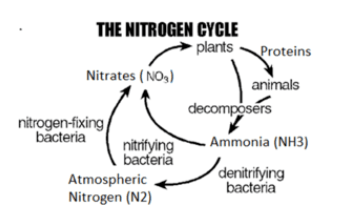
Plants absorb according to this diagram
nitrates
nitrogen fixing bacteria
animals
decomposers
Is it true that plants can utilize nitrogen fixed from the atmosphere by bacteria?
True
False

What cycle is shown in the image?
The Water cycle
The Carbon cycle
The Nitrogen cycle
The Phosphorus cycle
Combustion is another term for __________.
Burning
Respiration
Transportation
Fossil Fuels
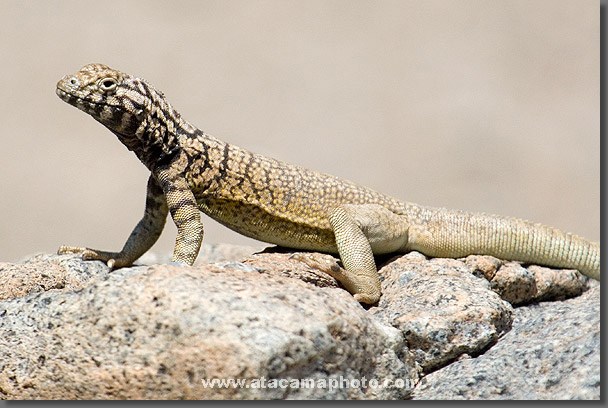
These areas are very dry and receive very little rainfall. During the day, temperatures can rise above 100 degrees Fahrenheit (F), while at night, they can drop into the 40s and 50s (F). What are these areas called?
tangias
deserts
tundra
grasslands
They have the largest variety of plant and animal life. Found near the equator, they are very warm and very wet. Some of them can get as much as 400 inches of rain every year.
desert rain forest
tropical rain forest
arctic rain forest
temperate rain forests
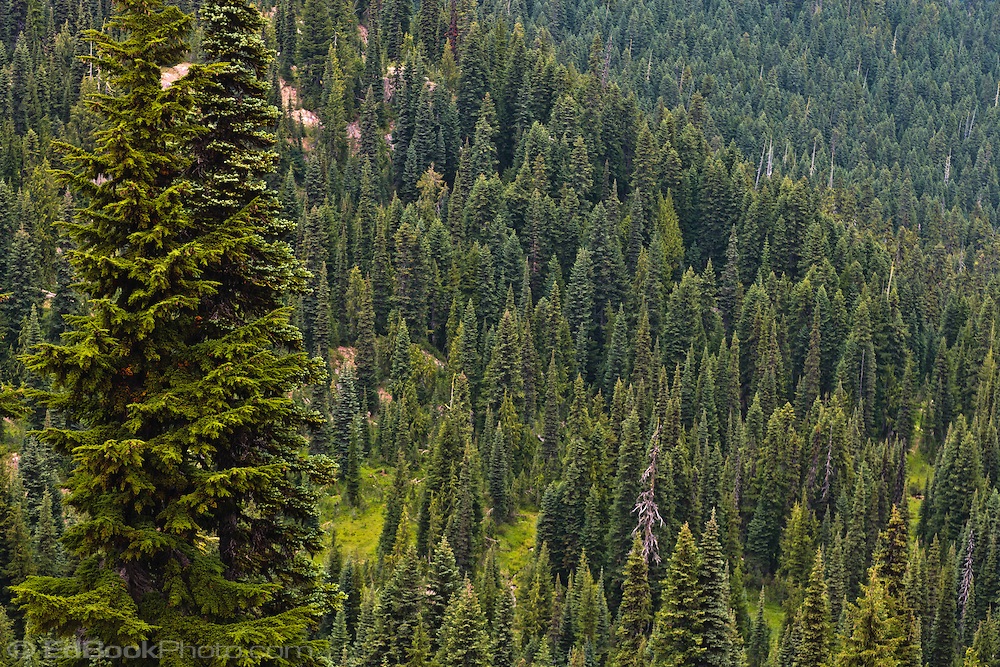
Located along the coasts in regions such as the northwestern United States, these forests are much cooler than tropical rain forests but can be very wet.
pine forest
subtropical rainforest
rainbow forest
temperate rain forest
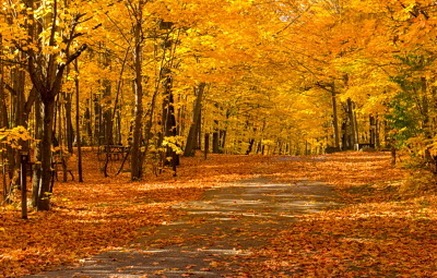
These forests experience changing seasons, with warm summers and cold winters. In autumn, the leaves change color and fall off in winter.
redwood forest
temperate deciduous forest
seasonal forests
temperate devious forest
Near the North Pole, this biome is the coldest, characterized by a thin soil layer over permafrost, a permanently frozen ground that never thaws. The temperature stays below freezing most of the year, with minimal rainfall.
tangia
arctic
tundra
subpermafrost
What covers 70% of the Earth's surface?
Marine biome
Saltwater biome
Freshwater biome
Mariner biome
are the largest biomes on Earth. They can be warm or cold. They are home to plants like seaweed and animals like fish, whales, turtles and sponges.
oceans
ponds
lakes
ice islands
are rivers, lakes, streams and ponds. They are home to animals like fish, frogs and birds. Many plants grow in or near
saltwater biome
brackish biome
freshwater biome
brine bioms

In which biome would you find giraffes and elephants?
desert
deciduous forest
savanna
tundra
Jacob is going out to his grandparents farm. On the farm is a stream that he likes to fish in. While he is fishing he sees many different species of fish as well as maple and oak trees and dragonflies. What Jacob is seeing is an example of what level of organization?
organism
population
community
ecosystem
What are the ecological levels of organization from smallest to the largest?
organism, population, community, ecosystem, biome, biosphere
organism, community, population, ecosystem, biome, biosphere
organism, population, community, biome, ecosystem, ecosphere.
organism, community, population, biome, ecosystem, ecosphere


Bacterias that decompose dead plants release _____________ back into the atmosphere.
water
nitrogen
oxygen
carbon

Organisms that die in the ocean may __________ to the bottom and form limestone rock of a period of time.
sink
float
rise
increase

Burning fossil fuels has raised the concentration of ___________ in the atmosphere.
oxygen
rain
carbon
nitrogen
What is intraspecific competition?
Two or more species trying to utilize a limited resource at the expense of the other species
All of these
Animals within the same species trying to utilize a limited resource at the expense of other animals within the species
Animals of the same species trying to prey on one another
A relationship between two organisms in which one organism benefits and the other is unharmed.
Mutualism
Competition
Parasitsm
Commensalism

A cuckoo and a warbler are both birds. A cuckoo will find the nest of warbler instead of building her own, and she harms the warbler by knocking a warbler egg out of nest and laying her own. When the warbler mother returns, she isn’t aware of the switch. The warbler will then raise the baby cuckoo bird instead of her own baby. Which term best describes this relationship?
Predation
Parasitism
Commensalism
Mutualism
Ostriches and gazelles are two animals that live in Africa. They graze for food near each other because they help each other spot predators. The gazelle has excellent eyesight, but poor hearing, and the ostrich has excellent hearing, but poor eyesight. These two animals will alert one another when danger is near. Which term best describes this relationship?
Predation
Commensalism
Mutualism
Parasitism
What type of relationship exists when one organism benefits while the other is unaffected?
Parasitism
Commensalism
Mutualism
Coevolution
The relationship between a tick and a deer is an example of:
Commensalism
Coevolution
Parasitism
Mutualism
In which relationship do both organisms benefit from the interaction?
Mutualism
Parasitism
Commensalism
Competition

