
 Worksheets
Science Common Assessment Review
Total questions: 57
Worksheet time: 1hrs 18mins
The spinning of the Earth on its axis
Rotation
Revolution
Seasons
Axis
An imaginary line that passes through Earth's center at its North and South poles
Axis
Pole
Shadow
Orbit
How long it takes the Earth to rotate on its axis once
365 Days
One Year
22 Hours
24 Hours
Shade cast upon a surface by something blocking light
Shade Area
Shadow
Blocking Area
Day
To travel in a closed path around an object such as the Earth does around the sun
Orbit
Revolution
Axis
Rotation
The PATH one object takes as it revolves around another object in space
Rotation
Revolution
Axis
Orbit
Apparent Motion
appearing to be moving
about to move to a new place
moved yesterday

a
b
c
d
Earth revolves around the sun, but it also makes one complete rotation. How long does it take Earth to make one complete rotation on its axis?
365 days
1 month
1 day
1 week

Which of the following represents 12:00 pm (afternoon), at point A?
a
b
c
d

Which of the following represents 12:00 am (midnight) at point A?
a
b
c
d

Which of the following is about to experiencing SUNSET?
a
b
c
d

Which of the following is experiencing SUNRISE?
a
b
c
d
which statement correctly describes the sun's apparent movement across the sky?
as earth spins on its axis, it makes the sun appear to move across the sky.
as the sun spins around earth, it moves across the sky
earth rotates 24 hrs, making the sun appear move across the sky.
the sun rotates around the earth every 12 hours, making the sun appear to move across the sky
A student looks outside and observes the sun in the western sky. Which of the following times could it be?
sunrise
sunset
noon
midnight
Many cultures have different methods to determine the time of day. Which of the following is an ancient tool invented to determine the time of day?
watch
clock
sundial
compass
The sun APPEARS to move across the sky, during the day. Which of the following causes shadows to change length throughout the day?
earth's rotation
earth's revolution
sun's revolution
earth's orbit

Where would the Sun need to be in this diagram to cause these phases of the moon?
At the Bottom
At the Left
At the Top
At The Right

What would the moon look like 15 days after this one?
Full Moon
New Moon
Waning Crescent
Waxing Crescent

The image shows how the moon looks during the lunar cycle. The moon will look this way again in about -
one week
one month
one year
one century
About how long does it take for the moon to go from new moon to full moon?
1 day
7 days
14 days
1 month

What phase of the moon is shown in the picture?
first quarter
new moon
full moon
last quarter
Which diagram best represents a first quarter moon?


How would the moon appear from point B?


Based on the image, what lunar phase will be visible from Earth next?
waxing gibbous
first quarter
full moon
new moon

Shadows cast by objects change throughout the day. The picture shows the shadow cast by a tree at 3 pm. Which picture shows how the tree's shadow most likely looked at 9 am? (5.8C)
Las sombras proyectadas por los objetos cambian a lo largo del día. La imagen muestra la sombra proyectada por un árbol a las 3 de la tarde. ¿Qué imagen muestra el aspecto más probable de la sombra del árbol a las 9 de la mañana? (5.8C)


A student draws diagrams of her house and the location of the sun in the sky. Which diagram does not correctly represent the location of the sun at the time indicated? (5.8C)
Una estudiante dibuja diagramas de su casa y de la posición del sol en el cielo. ¿Qué diagrama no representa correctamente la posición del sol a la hora indicada? (5.8C)


The TILT of the Earth's axis and the revolution around the sun causes which of the following to happen?
La inclinación de la Tierra en su eje y la revolución alrededor del sol causa que pase que?
day and night
dia y noche
seasons
estaciones
a year
un año
moon phases
Fases de la luna

What moon phase is shown in the picture?
Que fase de la luna esta mostrada en la foto?
new moon
luna nueva
full moon
luna llena
first quarter
cuarto creciente
last quarter
cuarto menguante

When the sun gets higher in the sky, shadows get ______.
longer
gone
shorter
darker
When the sun gets lower in the sky, shadows get______.
longer
gone
shorter
darker
Shadows are longest during _______.
morning and evening
noon
night
The sun appears to __________.
rise in the east, set in the west
rise in the west, set in the east
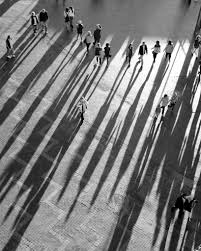
When was this picture most likely taken?
(Hint: think about the shadow's length)
morning or evening
night
noon
afternoon
Choose the largest planet in our solar system.
Jupiter
Neptune
Mercury
Earth
Choose the third planet in the solar system.
Jupter
Neptune
Mars
Earth
Name the star closest to Earth.
Polaris
Sun
Vega
Alpha Centauri
Choose the planet closest to the sun.
Neptune
Mercury
Earth
Pluto

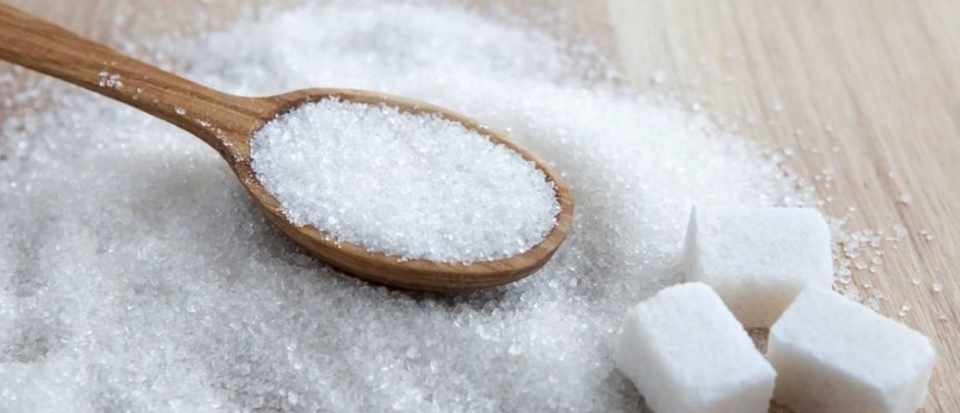
What happens when sugar dissolves in water?
Physical change because a new substance is formed
Chemical change because a new substance is formed
Physical change because the sugar is just getting smaller
Chemical change because the sugar is just getting smaller

A cook uses the ingredients listed below to prepare a meal.
Which table correctly shows the physical properties of these ingredients when placed in hot water?


A student stirs 15 grams of each substance listed below into 200 milliliters of water to form four different mixtures. The student then tries to separate the water from each mixture by pouring the mixture through a kitchen tea strainer. Which mixture can the student separate most easily with the strainer?
Salt and water
Gravel and water
Shampoo and water
Sugar and water
Which is NOT true about light?
It is refracted when it passes from air through water.
It is reflected when it bounces off the surface of water.
Light travels in a straight line through empty space.
Light is absorbed when it strikes a mirror.

The science class conducts an experiment with swings of different length. Their results are below. What conclusion did they reach?
Longer swings swing faster.
Shorter swings swing faster.
All swings swing the same.
Heavier swings swing faster.

Which example below shows what will happen to light when it strikes a mirror?
A
B
C
D

Fran measured the bounce height of the same ball and recorded her results in the chart below. What did Fran most likely change in the experiment?
the height of each drop
the color of the ball
the mass of the ball
the temperature of the ball

In which circuit below is Bulb A on, but Bulb B is off?
A
B
C
D

Many people ride a bicycle for fun and exercise. Some people ride a bicycle to work because it saves money and benefits the environment by reducing the use of fossil fuels. Which of these is not an example of the bicycle using mechanical energy?
The pedals, gears, and chain help turn the wheels.
The wheels turn when the bicycle moves.
The front wheel guides the bicycle as it moves.
The reflector allows the bicycle to be seen at night.
An energy company wants to build a hydroelectric power plant. Which of these characteristics of an area is most important to the development of a hydroelectric power plant?
The area has a cool, rainy climate.
The area is located in a valley with very little wind and frequent heavy fog.
The area has a river that flows rapidly from nearby mountains through a valley.
The area has no geysers or hot springs.

Some characteristics of objects in the solar system are listed here. Which of the listed characteristics describe both Earth and the moon?


The diagram shows a fish being viewed from above the water. The fish appears to be closer to the surface than it really is. What causes this difference?
Light is reflected.
Light is refracted.
Light is focused.
Light is blocked.
Which process would probably create the most rapid change in Earth's surface?
Erosion
Heating
Volcanic eruption
Weathering

In the water cycle, the Sun's energy is directly responsible for causing the process at location---
A
B
C
D
What is one difference between weather and climate?
weather describes conditions near the ground, but climate does not.
Climate describes energy from the sun, but weather does not.
weather includes precipitation, but climate does not.
Climate describes long-term conditions over an entire region, but weather does not.

