
 Worksheets
The Eye
Total questions: 45
Worksheet time: 2hrs 30mins
The white portion of the eye
Cornea
Choroid

What is letter B?
Optic nerve
Lens
Cornea
Retina
Pupil


What is letter G?
Sclera
Retina
Lens
Vitreous humor
Pupil

What is letter I?
Cornea
Lens
Vitreous humor
Optic nerve
Pupil
Nearsightedness is also known as
Hyperopia
Emmetropia
Farsightedness is also known as
Hyperopia
Emmetropia
The extrinsic muscles are attached to the
Rods are light sensitive cells in the retina that
give you color vision in dim light
respond in dim light
give you color vision in bright light
respond in bright light
Cones are light sensitive cells in the retina that
give you color vision in bright light
respond in dim light
give you color vision in dim light
respond in bright light
The optic nerve transmits signals to the
temporal lobe
parietal lobe
occipital lobe
frontal lobe
True/False: The vitreous humor helps give the cornea its rounded shape.
True
False
The pupil is located at the center of the
sclera
iris
retina
nothing
What are the functions of eyelids and eyelashes
to protect and rehydrate the eyes
keep dirt out of the eyes
keep debris out of the eys
all of the above
The human eye is surrounded by how many muscles?
4
2
6
5
Area of the retina which contains no photoreceptors and is located over the optic nerve
fovea centralis
blind spot
pupil
iris
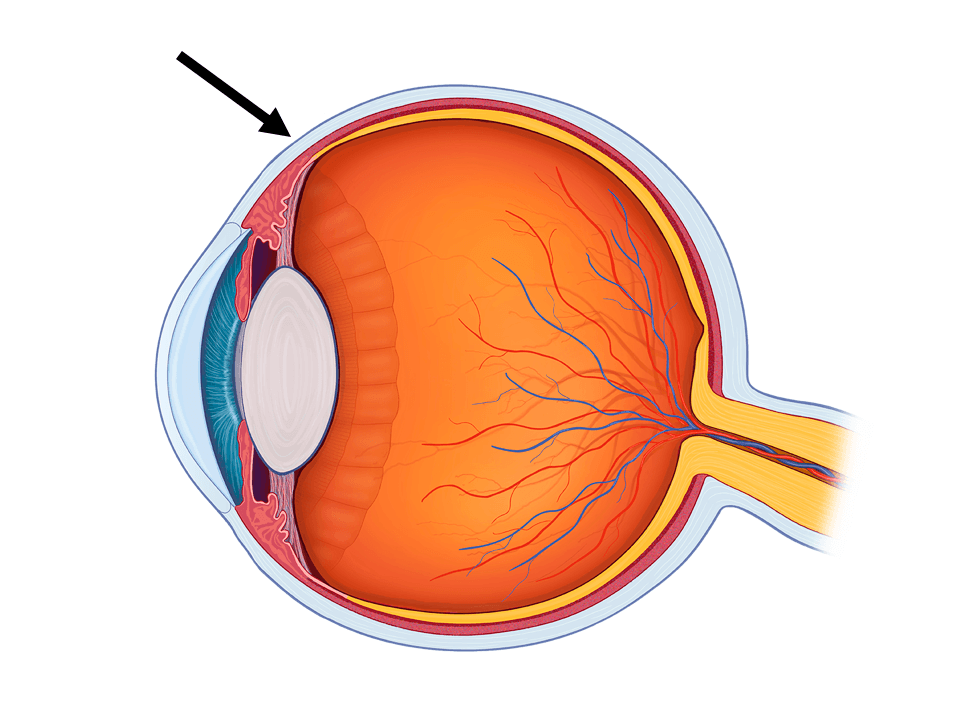
The white outer part of the eye.
Cornea
Lens
Sclera
Retina
Rods are light sensitive cells in the retina that
Give you color vision
See black, white, and shades of grey
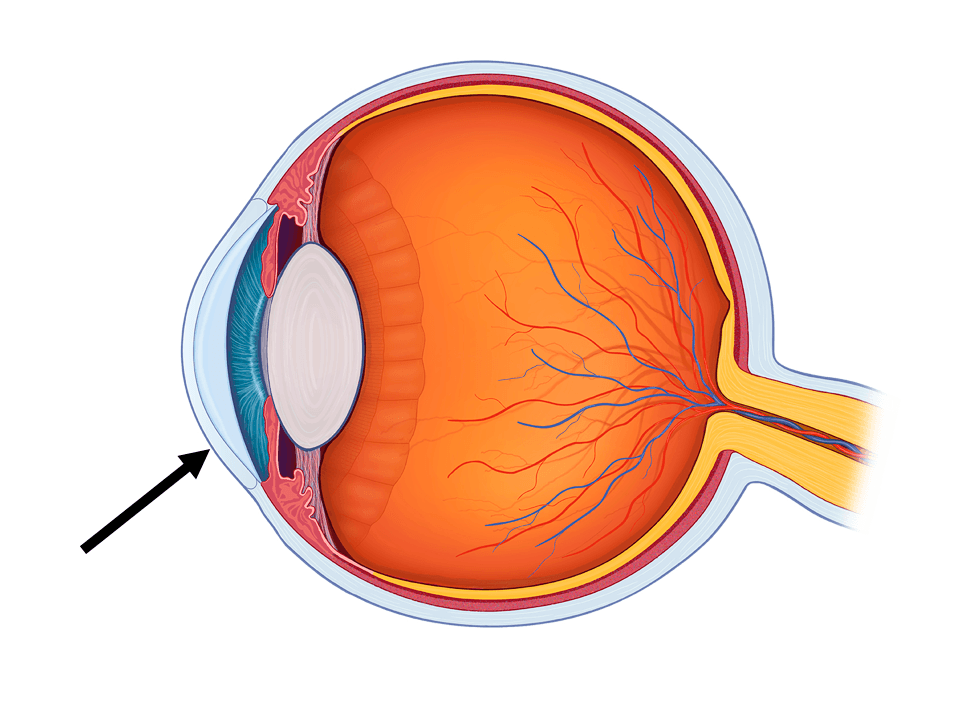
The clear part of the eye that light will first pass through.
Lens
Cornea
Sclera
Pupil
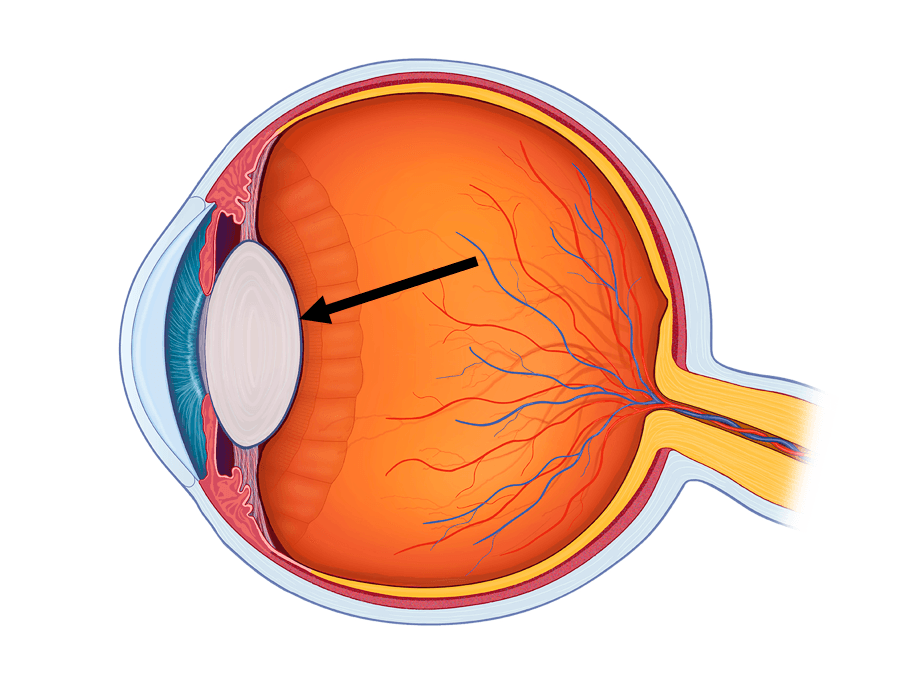
This part of the eye focuses light onto the retina.
Retina
Iris
Lens
Pupil
Cones are light sensitive cells in the retina that
Give you color vision
See black, white, and shades of grey
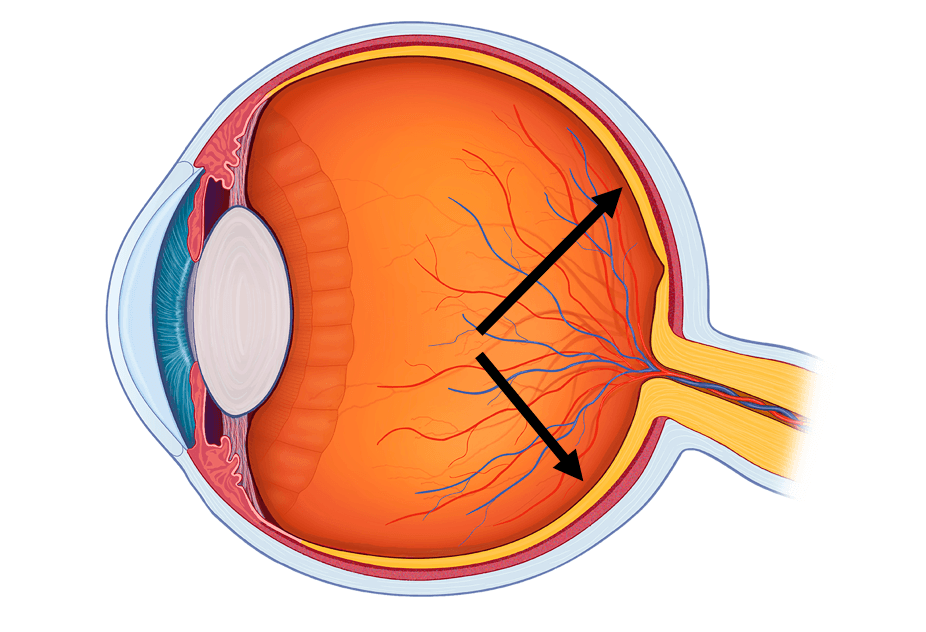
Photosensitive part of the eye that contains rods and cones.
Sclera
Retina
Optic Nerve
Choroid
In a bright environment, the pupil becomes larger to allow more light to enter the eye.

#3 Refers to
Cornea
Pupil
Retina
Iris

#1 Refers to
Retina
Cornea
Pupil
Iris

#2 refers to
optic nerve
cornea
iris
pupil
gel substance that gives the eye shape
optic nerve
iris
vitreous humor
retina
A person's "eye color" is really the color of their ______.
conjunctiva
pupil
sclera
iris

Structure B bends and adjusts to focus light on the back of the eye.
Structure B is the ______.
aqueous humor
lens
vitreous humor
optic nerve
Structure D carries visual information from the eye to the occipital lobe of the brain for processing.
Structure D is the ______.
aqueous humor
lens
vitreous humor
optic nerve

Which fluid fills chamber A (the anterior chamber)?
aqueous humor
vitreous humor
Which fluid fills chamber B (the posterior chamber)?
aqueous humor
vitreous humor

Name layers A, B, and C in that order (from outer layer to inner layer).
choroid, retina, sclera
retina, choroid, sclera
sclera, retina, choroid
sclera, choroid, retina
The ____ gland produces and releases tears.
tarsal
conjunctiva
lacrimal
ciliary
The _____ is the transparent mucous membrane that lines the eyelids and covers the anterior surface of the eye up to the cornea.
lacrimal apparatus
tarsal gland
aqueous humor
conjunctiva
The ______ is the opening in the iris through which light enters the eye.
ciliary body
conjunctiva
lens
pupil
The ______ is the colored part of the eye that opens and closes to adjust the amount of light that enters the eye.
pupil
iris
conjunctiva
lens
The fluid that cleanses, protects, moistens, and lubricates the eye is _____
conjunctiva
aqueous fluid
lacrimal fluid (tears)
vitreous fluid
Cells that respond to light stimuli are _____.
choroid
photoreceptors
optic discs
sclera
The _____ allow your eyes to move.
extrinsic eye muscles
eyelids
intrinsic eye muscles
eyelashes
The __________ is the innermost layer of the eye that contains sensory receptors that respond to light.
iris
retina
pupil
occipital lobe
The _______ is the flexible, biconvex structure that focuses light.
retina
lens
pupil
iris
The _______ is the area of sharpest vision on the retina
Fovea centralis
Lens
Optic disc
Pupil
The _________ is the middle layer of the eye, between the sclera and the retina.
choroid
vitreous humor
cornea
pupil

