
 Worksheets
Renewable Resources Review (Cycling Content)
Total questions: 66
Worksheet time: 2hrs 39mins
What is an example of a non renewable resource?
Wind
Water
Coal
Biomass
What is the best pro about renewable resources?
They are inexpensive
They are always available
They create pollution
They are expensive

Solar Power is a __________ energy resource.
Renewable
Non renewable
__________ is an energy resource that WILL run out in the next several hundred years.
Renewable Energy
Fossil Fuels
Nonrenewable Energy
Why are fossil fuels like coal, oil, and natural gas called nonrenewable resources?
They can be made in factories.
They can be recycled
They cannot be easily replaced
They can never be replaced
What are examples of fossil fuels?
Coal
Water
Oil (petroleum)
Natural Gas
Solar energy
Examples of renewable energy resources include –
Solar energy
Nuclear power
Wind energy
Hydro power
Geothermal energy
Energy that uses heat that comes from within the Earth is called
Geophysical
Geography
Geothermal
Geographic

*What form of energy is this?
Geothermal
Hydroelectric
Solar energy

This type of alternative energy uses soybeans, corn, or wood.
Biomass Energy
Geothermal Energy
Solar Energy

Dams use this type of alternative energy.
Biomass Energy
Hydropower Energy
Wind Energy

This type of alternative energy is energy from moving water.
Wind Energy
Biomass Energy
Hydropower Energy

This type of alternative energy is energy from heat stored deep within the Earth.
Solar Energy
Geothermal Energy
Wind Energy

This type of alternative energy is formed from energy from moving air.
Solar Energy
Geothermal Energy
Wind Energy
Renewable energy resources produce less_____________ than fossil fuels.
pollution
energy
wind
light
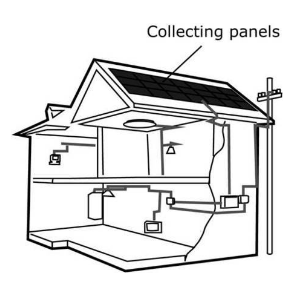
The house illustrated here uses panels on the roof to collect a natural resource and convert it into electricity that can be used.
Which alternative energy source does this house use?
Water
Wind
Solar
Geothermal
All of the following are considered renewable energy sources EXCEPT –
Wind
Coal
Biomass
Solar
Energy created from wood, peat moss, and manure is called __________________ energy.
biomass
geothermal
natural
solar
What is a disadvantage of wind power?
We have too many rainy days in US
It is not always windy in some places
Companies charge too much to make the wind blow
The sun is not always out
An ADVANTAGE of burning fossil fuels for energy is:
it's easily done
it doesn't cause pollution
it disturbs animal habitats
we won't run out
Which of these are 3 DISADVANTAGES of using fossil fuels?
supply is limited
cause pollution
disturb habitats
easily transported
relatively inexpensive
Which renewable resource has an ADVANTAGE of decreasing materials in landfills or dumps?
biomass
wind
water
solar
Which renewable resource is relatively inexpensive to set up?
wind
water
solar
geothermal
Which three renewable resources are limited to areas that provide the type of energy needed?
wind
water
geothermal
solar
biomass
One DISADVANTAGE of wind energy is:
have to be set up outside of cities that use that energy
nonpolluting
causes air pollution
negative impact on aquatic life
One DISADVANTAGE of solar energy is:
solar collecting cells are expensive
it is nonpolluting
it is available in the US
it harms the environment
One DISADVANTAGE of using water for energy is:
negative impact on aquatic life
negative impact on bird life
relatively nonpolluting
causes air pollution
Choose three renewable resources that do not cause pollution.
solar
wind
water
geothermal
biomass
One DISADVANTAGE of geothermal power is:
drilling to the heat source causes habitat disruption
only produces a little pollution compared to fossil fuels
it is available in the United States
no energy is produced on cloudy days
One DISADVANTAGE of using biomass energy is:
less efficient than fossil fuels
nonpolluting
available in the United States
impacts the bird population
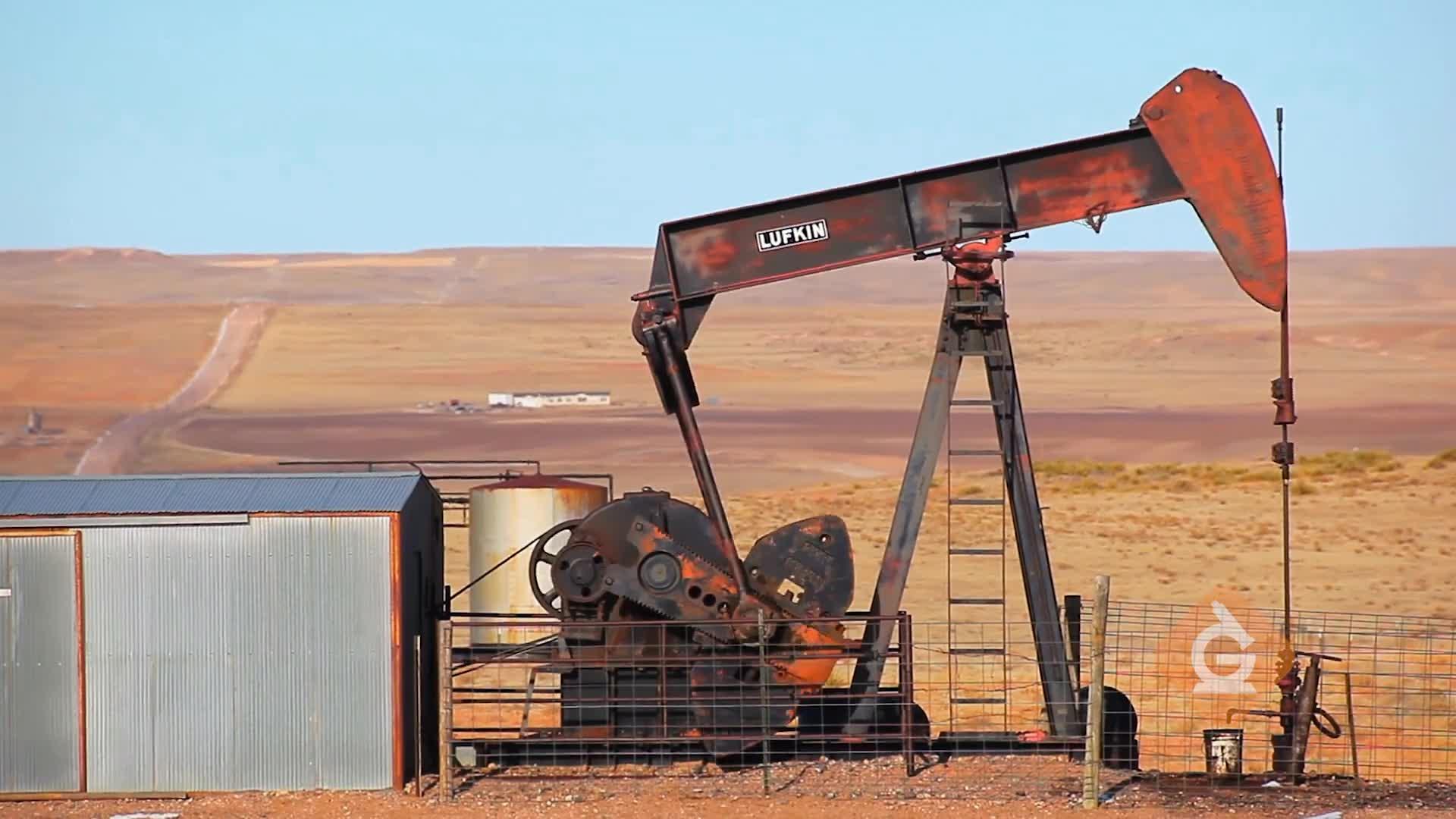
Which are ways we use fossil fuels?
eating and drinking
arts and crafts
paper and building
cars and heat
Which of the following is NOT true about Biomass as a renewable resource?
Biomass produces greenhouse gases.
It is composed of plant remains and household garbage
It increases the amount of waste in landfills and dumps
Biomass is burned to produce heat energy and electricity
One advantage of using hydropower is that...
It can be built in any location
it produces no air pollution
It has no construction costs
it uses a nonrenewable resource
What is a fossil fuel?
Fuel made from ground up fossils.
Fuels from the Fossil Company.
Fuel created from once living organisms
Renewable sources of energy.
Which one is NOT considered a renewable resource?
Biomass
Solar power
Hydropower
Nuclear power
What is important to consider when deciding to use solar or wind power as a renewable energy source?
A backup system is needed in case of cloudy days or days with no rain.
How to minimize the amount of greenhouse gases emitted.
How pollutants will affect the surrounding area.
How to manage the large amounts of electricity generated.
Which statement supports the opinion that a dam can harm a river ecosystem?
they provide water for drinking and irrigation
dams on rivers emit less pollution
they can reduce flooding downstream during heavy rains
they change water depth and alter the temperature of a river
Generators are used to produce electricity from all of these sources EXCEPT _____.
solar
wind
tidal
nuclear

What is one of the biggest disadvantages to wind turbines?
They're big
They can interfere with bird migration
They're expensive
It takes a long time to put one up and then maintain it
Which is most likely a major concern associated with burning fossil fuels?
polluting the oceans
remove harmful chemicals from precipitation
remove carbon dioxide from the atmosphere
produce smog, which can cause respiratory illnesses
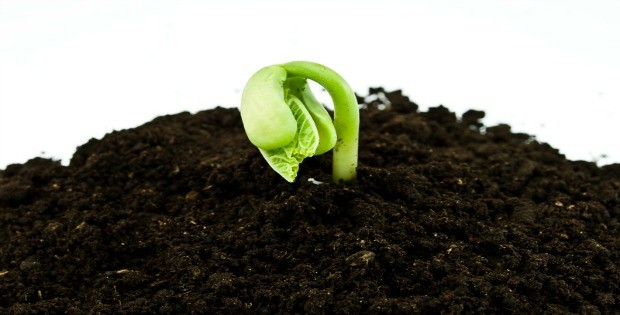
Stephen predicted that seeds would start to grow faster if an electric current traveled through the soil in which they were planted.
recognize a problem
test the hypothesis with an experiment
form a hypothesis
draw conclusions
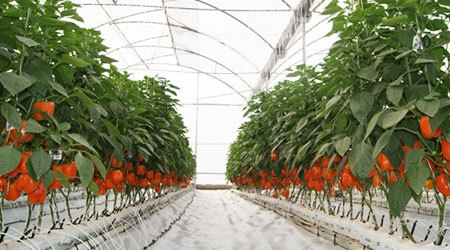
Bob read about growing plants in water. He wanted to know how plants could grow without soil.
coming up with a question
test the hypothesis with an experiment
form a hypothesis
draw conclusions
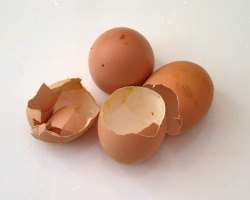
Kim’s experiment showed that chicken eggshells were stronger when she gave the hen feed to which extra calcium had been added.
recognize a problem
test the hypothesis with an experiment
form a hypothesis
draw conclusions

After a scientific experiment is performed, data is recorded, and conclusions are drawn, what should be done next?
Share your research with other scientists
Keep your research a secret
Destroy all evidence of your experiment
True or False: Experiments should have many independent variables.
TRUE
FALSE
Avery is conducting an experiment to determine how light affects the growth of small zinnia plants. One plant is placed in full sunlight, the second in a shaded area, and the third in an unlit closet. What is the independent variable in Avery's zinnia experiment?
The plant growth
The amount of sunlight
The length of time needed to conduct the experiment
The amount of water given daily
Kai and Aiden are studying different countries to determine which are "water-rich" or "water-poor." Which of the following factors is the most important in their study?
Population density
Country size
Humid climate
Renewable water supplies

During a science class, Ava asked, "What percent of the Earth's water is fresh water?"
5%
10%
4%
3%

Lily and Mia are studying Earth's water resources. They wonder, where is most of the fresh water on Earth?
in the ocean
underground
frozen
in rivers
Zoe and her classmates are studying different sectors and their water usage. Which category uses the most water?
Agriculture
Cooling systems
Industrial
Residential

Aria and Luna are studying environmental science. They come across an image showing a large sinkhole with a vehicle trapped inside. What does this image show? (Select two)
A consequence of over-pumping wells
A tsunami
A normal well
Land subsidence

When Aiden noticed that the water from his well tasted salty, he learned it was due to a phenomenon where saltwater mixes with freshwater. What is this called?
eutrophication
saltwater intrusion
point source pollution
David and Evelyn are in a geology class, and they are learning about minerals. Their teacher asks them to identify the property of a mineral that describes the color of its powdered form.
Streak
Hardness
Magnetism
Luster

Sophia found a mineral that can be scratched by gypsum (2) and quartz (7).
What is the hardness range?
1-2
2-7
2-10
7-10

Besides disturbing habitats, roadways increase:
wastes
mining
agriculture
runoff
Which of the following is a natural process that is accelerated by mining?
habitat destruction.
erosion.
tunnel collapse.
pollution from coal dust.
The controversial method for getting natural gas in rock deep underground is called...
fracking.
rigging.
contouring.
derricks.
What is the main resource used in solar panel and cell phone screens?
Graphite
Cellulite
Gypsum
Silica
What mineral is commonly used in the manufacturing of smartphone screens?
Graphite
Bauxite
Talc
Quartz
Which mineral is crucial for the production of rechargeable batteries?
Nickel
Lead
Zinc
Lithium
Which of the following is a major environmental concern associated with mining activities?
Deforestation
Air pollution
Water contamination
All of the above

Liam found a rock while hiking near a volcano. He wondered what type of rock it was. A rock formed from lava or magma is classified as:
igneous
metamorphic
sedimentary

Oliver is drawing a picture with a pencil. Which mineral is used in the pencil?
Graphite
Galena
Magnetite
Quartz

