
NEW
Font size
 Worksheets
CW Pracfice Periodic Table
Total questions: 78
Worksheet time: 52mins
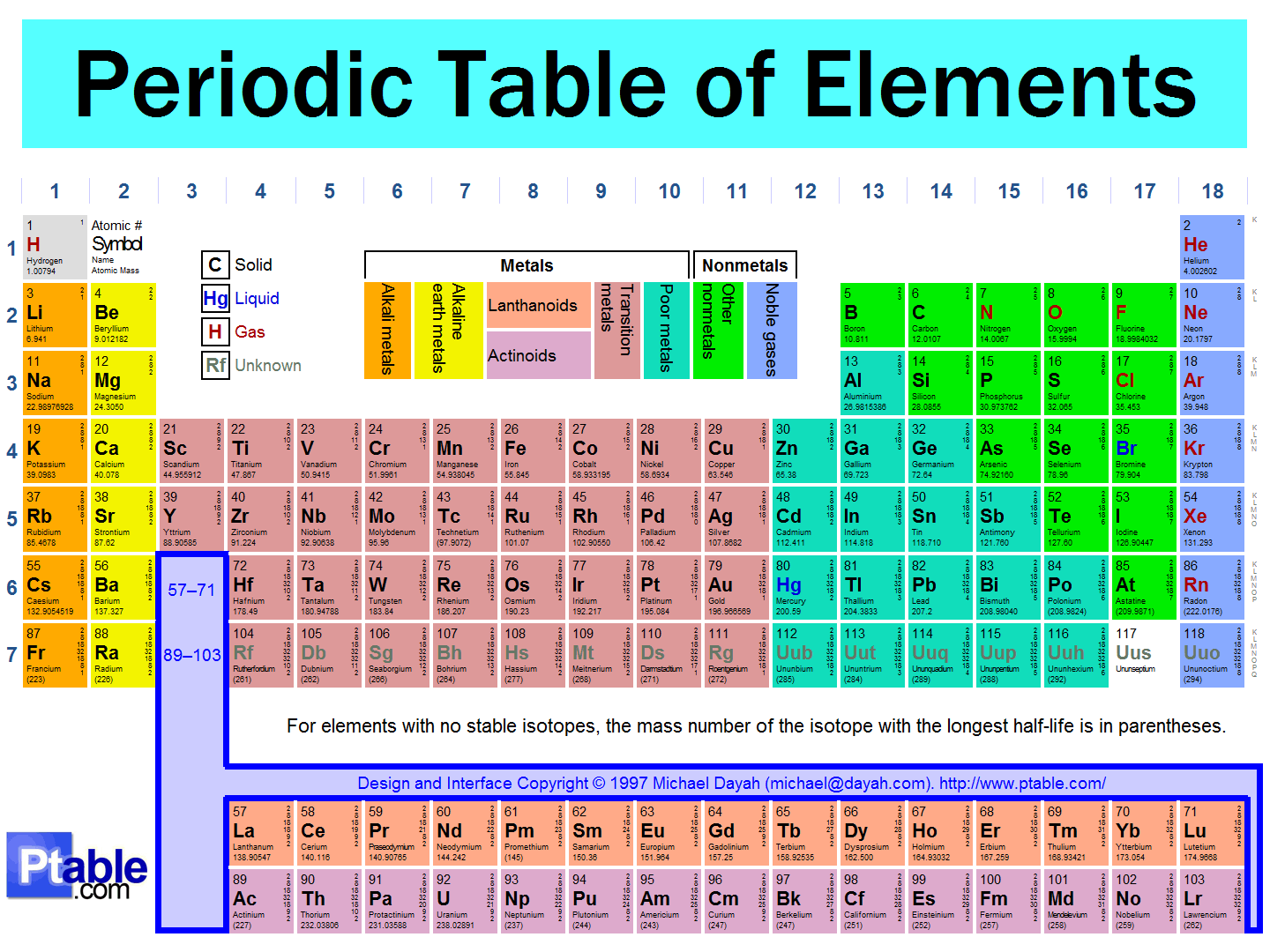
The vertical (up and down) columns in the Periodic Table are called
groups
towers
periods
atomic numbers

The tendency of an atom to attract a shared pair of electrons
Atomic Radii
Ionization Energy
Electronegativity
Electron Afinity
Oxidation Number
The most important measurement when you measure the atomic size
Atomic Radius
Ionization Energy
Electronegativity
Electron Afinity
Oxidation Number
Atomic radii trends is . . . .
generally decrease along each period of the table, and increase down each group.
generally increase along each period of the table, and increase down each group.
generally increase along each period of the table, and decrease down each group.
generally decrease along each period of the table, and decrease down each group.
Electronegativity trends is . . . .
increases on passing from left to right along a period, and decreases on descending a group.
increases on passing from left to right along a period, and increases on descending a group.
decreases on passing from left to right along a period, and decreases on descending a group.
decreases on passing from left to right along a period, and increases on descending a group.
Which element has bigger atomic radii?
Beryllium is bigger than Fluorine
Oxygen is bigger than Sulphur
Litihium is bigger than Sodium
Phosphorus is bigger than Bromine
Which element has smaller atomic radii?
Beryllium is smaller than Fluorine
Sulphur is smaller than Oxygen
Litihium is smaller than Sodium
Potassium is smaller than Bromine
Which element has higher electronegativity?
Fluorine is higher than Oxygen
Potassium is higher than Sodium
Aluminium is higher than Boron
Phosphorus is higher than Chlorine
Which element has lower electronegativity?
Fluorine is lower than Oxygen
Potassium is lower than Sodium
Boron is lower than Aluminium
Chlorine is lower than Phosphorus
Which group is referred to as the alkali metals?
Group 1A
Group 2A
Group 7A
Group 8A
Which group is referred to as the alkaline earth metals?
Group 1A
Group 2A
Group 7A
Group 8A
Which group is referred to as the halogens?
Group 1A
Group 2A
Group 7A
Group 8A
Which group is referred to as the noble gases?
Group 1A
Group 2A
Group 7A
Group 8A
What are the elements in the center (d block) of the periodic table?
Inner Transition Metals
Alkali Metals
Transition Metals
Alkaline Earth Metals
What are the elements in the two rows below the periodic table (f block)?
Inner Transition Metals
Alkali Metals
Transition Metals
Alkaline Earth Metals
Which are great conductors?
Metals
Nonmetals
Metalloids
Which are used as semiconductors?
Metals
Nonmetals
Metalloids
Which are poor conductors, dull, and gases at room temperature?
Metals
Nonmetals
Metalloids
Which are very reactive nonmetals?
Alkali Metals
Alkaline Earth Metals
Halogens
Noble Gases
Which are fairly reactive metals?
Alkali Metals
Alkaline Earth Metals
Halogens
Noble Gases
Which are very reactive metals?
Alkali Metals
Alkaline Earth Metals
Halogens
Noble Gases
Which are very stable and nonreactive?
Alkali Metals
Alkaline Earth Metals
Halogens
Noble Gases
Atomic radius _______ across a group and _______ down a period.
increases, increases
increases, decreases
decreases, increases
decreases, decreases
Ionization energy_______ across a group and _______ down a period.
increases, increases
increases, decreases
decreases, increases
decreases, decreases
Electronegativity_______ across a group and _______ down a period.
increases, increases
increases, decreases
decreases, increases
decreases, decreases
Atomic number
The number of protons in the nucleus of an atom
a measure of the size of its atom
formulated the first Periodic Law and created a farsighted version of the periodic table of elements that arranged elements by their properties and not atomic mass.
Negatively charged particle that orbits the nucleus of an atom.
Atomic Radii
The number of protons in the nucleus of an atom
a measure of the size of its atom
formulated the first Periodic Law and created a farsighted version of the periodic table of elements that arranged elements by their properties and not atomic mass.
Negatively charged particle that orbits the nucleus of an atom.
Dmitri Mendeleev
The number of protons in the nucleus of an atom
a measure of the size of its atom
formulated the first Periodic Law and created a farsighted version of the periodic table of elements that arranged elements by their properties and not atomic mass.
Negatively charged particle that orbits the nucleus of an atom.
Electron
The number of protons in the nucleus of an atom
a measure of the size of its atom
formulated the first Periodic Law and created a farsighted version of the periodic table of elements that arranged elements by their properties and not atomic mass.
Negatively charged particle that orbits the nucleus of an atom.
Electronegativity
the arrangement of electrons in an atom
a measure of the ability of an atom in a chemical compound to attract electrons
reformulated the periodic table based on atomic number better fitting the periodic law and pattern seen by scientists.
the energy required to remove an electron from an atom or ion
Henry Moseley
the arrangement of electrons in an atom
a measure of the ability of an atom in a chemical compound to attract electrons
reformulated the periodic table based on atomic number better fitting the periodic law and pattern seen by scientists.
the energy required to remove an electron from an atom or ion
Ionization Energy
the arrangement of electrons in an atom
a measure of the ability of an atom in a chemical compound to attract electrons
reformulated the periodic table based on atomic number better fitting the periodic law and pattern seen by scientists.
the energy required to remove an electron from an atom or ion
Periodic Group
a region of an electron subshell where there is a high probability of finding electrons.
a vertical column of elements in the periodic table; elements in the same group share chemical properties
The physical and chemical properties of the elements are periodic functions of their atomic numbers
a horizontal row of elements in the periodic table
Periodic Law
a region of an electron subshell where there is a high probability of finding electrons.
a vertical column of elements in the periodic table; elements in the same group share chemical properties
The physical and chemical properties of the elements are periodic functions of their atomic numbers
a horizontal row of elements in the periodic table
Periodic Period
a region of an electron subshell where there is a high probability of finding electrons.
a vertical column of elements in the periodic table; elements in the same group share chemical properties
The physical and chemical properties of the elements are periodic functions of their atomic numbers
a horizontal row of elements in the periodic table
Periodic Properties
recurring trends in physical and chemical characteristics of elements.
an electron that is found in the outermost shell of an atom and that determines the atom’s chemical properties.
The energy level at which electrons orbit the nucleus of an atom.
a subdivision of electron shells. Broken into s,p,d,f subshells
The idea of arranging the elements in the periodic table according to their chemical and physical properties is attributed to
Mendeleev.
Moseley.
Bohr.
Ramsay.
Mendeleev left spaces in his periodic table and predicted the existence of three elements and their
atomic numbers.
colors.
properties.
radioactivity.
Mendeleev noticed that properties of elements usually repeated at regular intervals when the elements were arranged in order of increasing
atomic number.
density.
reactivity.
atomic mass.
The person whose work led to a periodic table based on increasing atomic number was
Moseley.
Mendeleev.
Rutherford.
Cannizzaro.
Moseley's work led to the realization that elements with similar properties occurred at regular intervals when the elements were arranged in order of increasing
atomic mass.
density.
radioactivity.
atomic number.
The discovery of what elements added a new column to Mendeleev's periodic table?
noble gases
radioactive elements
transition elements
metalloids
The element with the largest electronegativity in group 17 is -
At
F
Cl
Br
What would have a larger radius: Calcium (Ca 20) or Barium (Ba 56)
Ca
Ba
Neither
To close to call
What would have a larger radius: Lithium(Li 3) or Florine (F 9)
Li
F
Neither
To close to call
What would have a smallest radius: Lithium(Li 3) or Florine (F 9)
Li
F
Neither
To close to call
What is electron shielding?
The amount of energy required to remove an electron
Where electrons push each other away and temporarily block the attraction of the nucleus resulting in a decreasing effect of the nucleus.
A number that represents an atoms ability to attract an electron to itself
Where electrons push each other away and out of the atom
What is the cause of the increase in atomic radii as you move down a group?
More electrons and electron shielding cause the electrons to be as wide as possible.
More electrons and electron shielding cause the electrons to be pulled in as much as possible.
The nucleus is lazy and doesn't hold on to things
The nucleus doesn't have enough energy to hold on to its electrons very well.
What causes the smaller atomic radii as you move from left to right in a period?
Strong nuclear attraction and minimal electron shielding
Strong nuclear attraction and strong electron shielding
Minimal nuclear attraction and minimal electron shielding
What trend do ionization energy and electronegativity follow?
The increase from left to right and decrease from top to bottom
The increase from left to right and increase from top to bottom
The decrease from left to right and increase from top to bottom
The decrease from left to right and decrease from top to bottom
Rank the following elements from highest electronegativity to the lowest: Cl, Mg, Al, S.
Cl >Mg >Al >S
Cl >S >Al > Mg
Cl >S >Mg >Al
Mg >Al >S >Cl
Rank the following elements from highest electronegativity to the lowest: Li, Na, K, CS
Li >Na >K >Cs
Li >K >Na >Cs
Li >Cs >K >Na
Cs >K >Na >Li
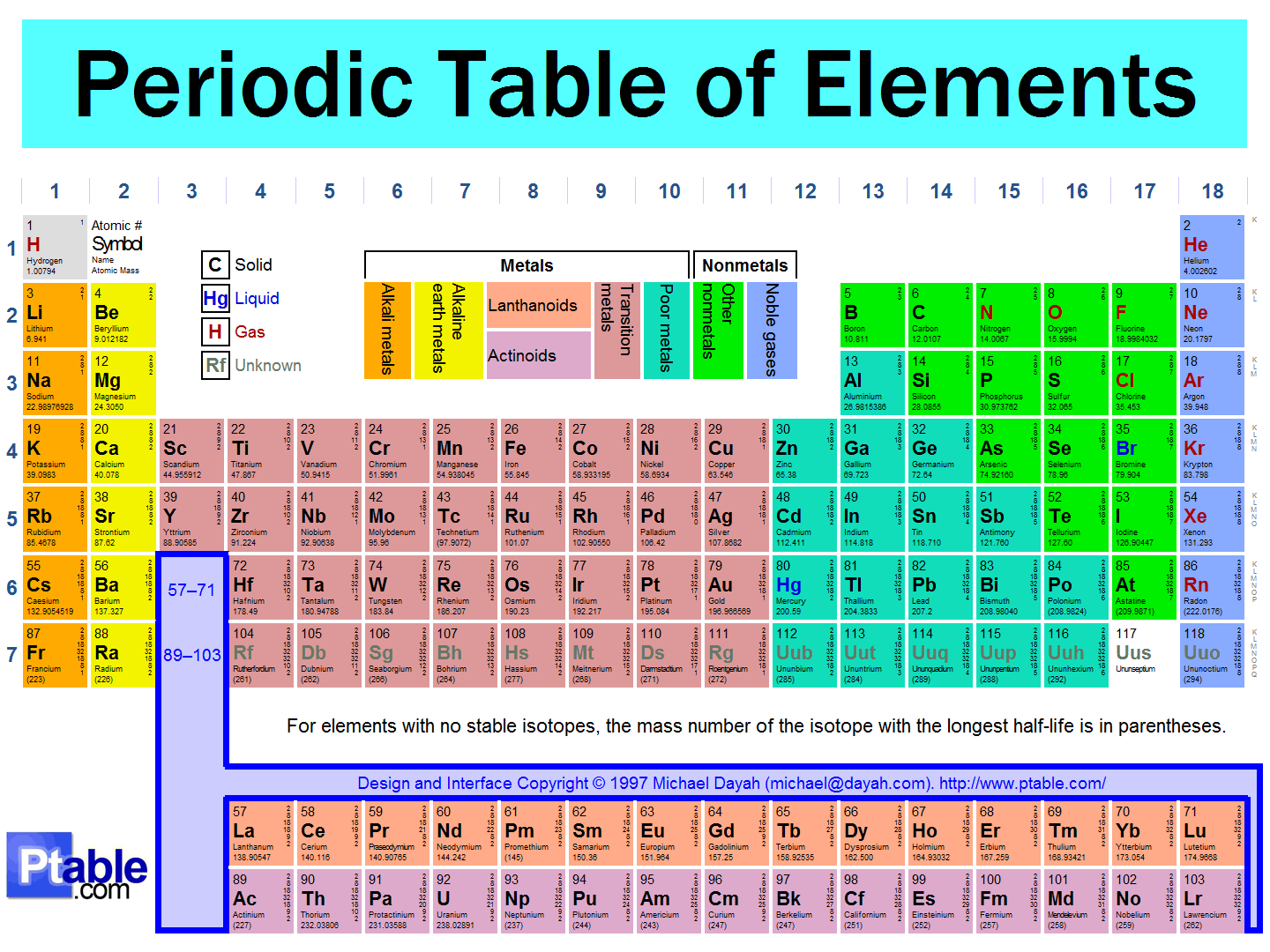


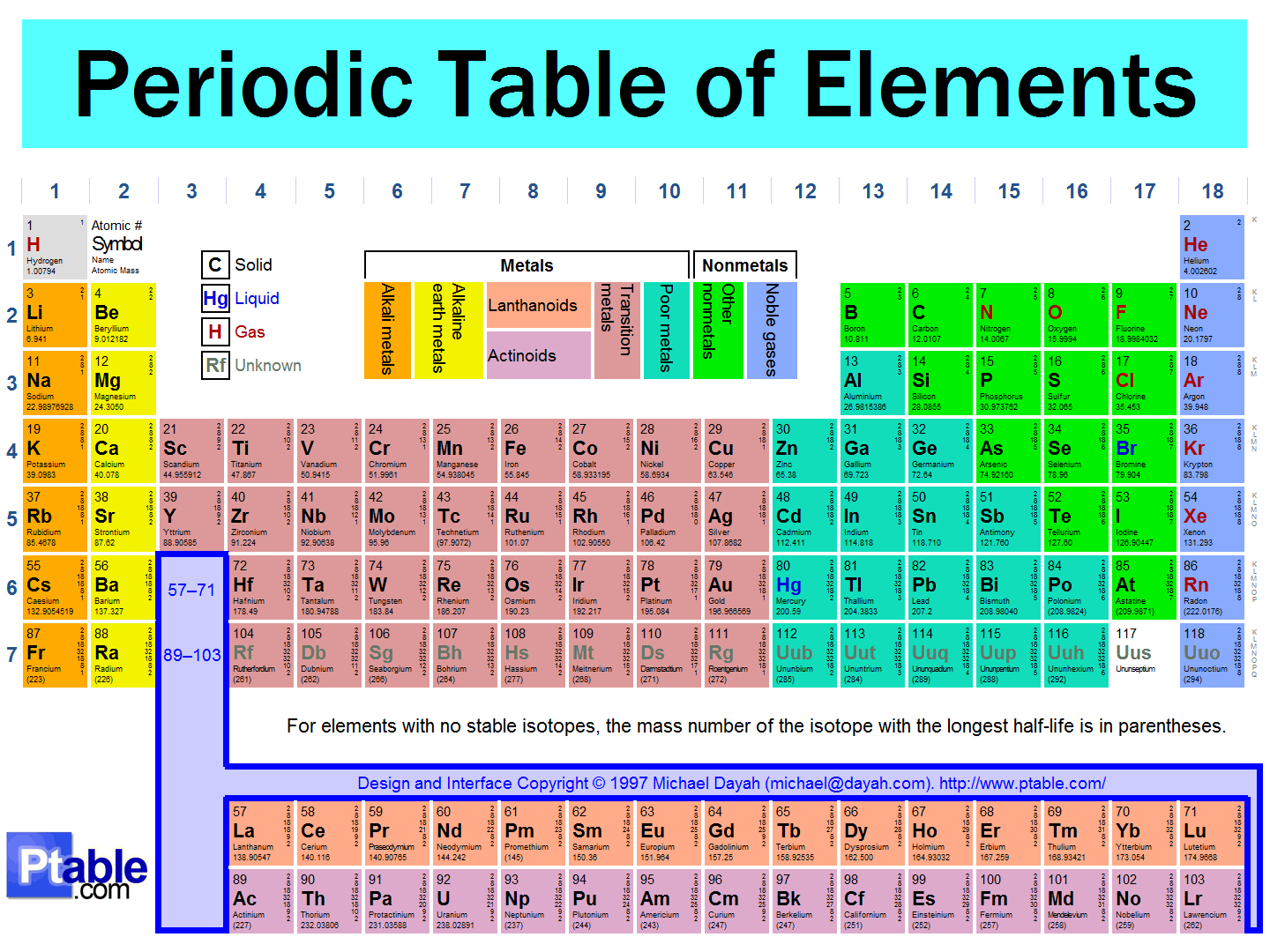
Which has the greater electronegativity:
Cl or Al?
Cl
Al
Which has the greater electronegativity?
N or C?
C
N
Which has the greater electronegativity:
H or F?
H
F
Which of the following will have a larger radius than Zn?
Ga
Al
Mg
Sr
Which atom has the largest atomic radius?
K
Rb
Fr
Cs

