
 Worksheets
Plant Characteristics
Total questions: 60
Worksheet time: 30mins

Which of the following is a common name for the plant shown in the image?
Arachnodes
Leatherleaf
Adiantiformis
All year round

What is the common name of Setaceus plumosus?
Asparagus
Fern
Cactus
Rose

What is the scientific name of the Asparagus fern?
Asparagus officinalis
Setaceus plumosus
Asparagus densiflorus
Asparagus racemosus
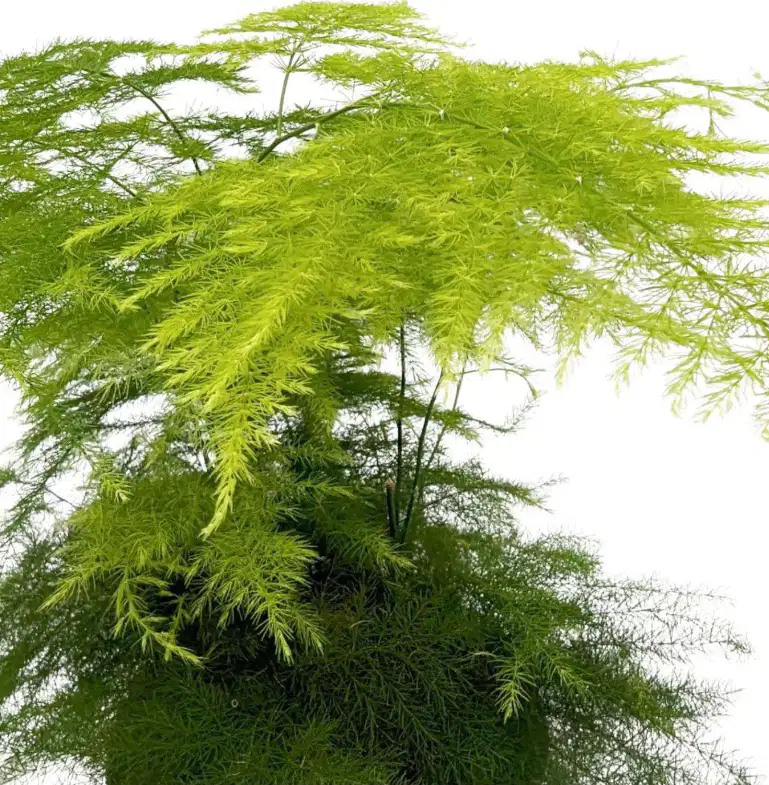
The Asparagus fern is available all year round.
True
False

What characteristic does the Asparagus fern have?
It is edible
It has large flowers
It is poisonous and has small thorns
It grows in water

What is the genus of the Ming fern?
Asparagus
Pteris
Nephrolepis
Polystichum

What is the species name of the Ming fern?
umbellatus
asperatus
glaucus
pinnatus
What is another common name for the plant shown in the image?
Ming fern
Boston fern
Asparagus fern
Foxtail fern
During which season does the Ming fern grow?
All year round
Spring
Summer
Autumn

What are two characteristics of the Ming fern?
Causes irritation, Has small thorns
Has large leaves, Grows in water
Produces flowers, Has a strong fragrance
Is edible, Has no thorns

What is the common name for Aspidistra elatior?
Snake plant
Cast iron plant
Spider plant
Peace lily
What is the scientific name of the cast iron plant?
Aspidistra elatior
Ficus elastica
Dracaena marginata
Monstera deliciosa
The Aspidistra elatior is known to grow all year round.
True
False

The Aspidistra elatior can be _______.
manipulated
eaten
ignored
destroyed
Aspidistra elatior is also known as the _______ plant.
cast iron
rubber
jade
spider

What is the scientific name of the plant shown in the image?
sempervirens
Iawsoniana
Hymale gossypium
parvifolia
What is the common name for Buxus sempervirens?
Box
Maple
Oak
Pine

Is the Buxus plant evergreen or deciduous?
Evergreen
Deciduous
During which season does the Buxus plant remain green?
The Buxus plant remains green during the winter season.
The Buxus plant remains green during the summer season.
The Buxus plant remains green during the spring season.
The Buxus plant remains green during the autumn season.
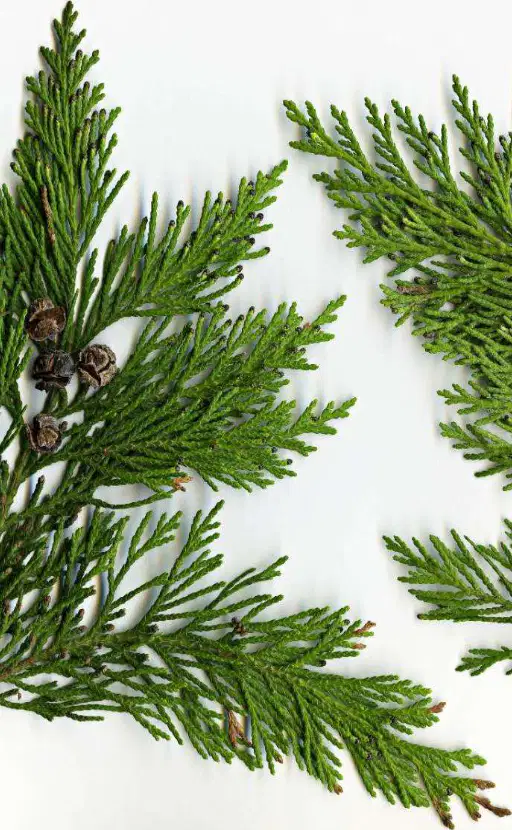
What is the scientific name for Cypress?
cinerea
lawsoniana
Urceolata
Shallon
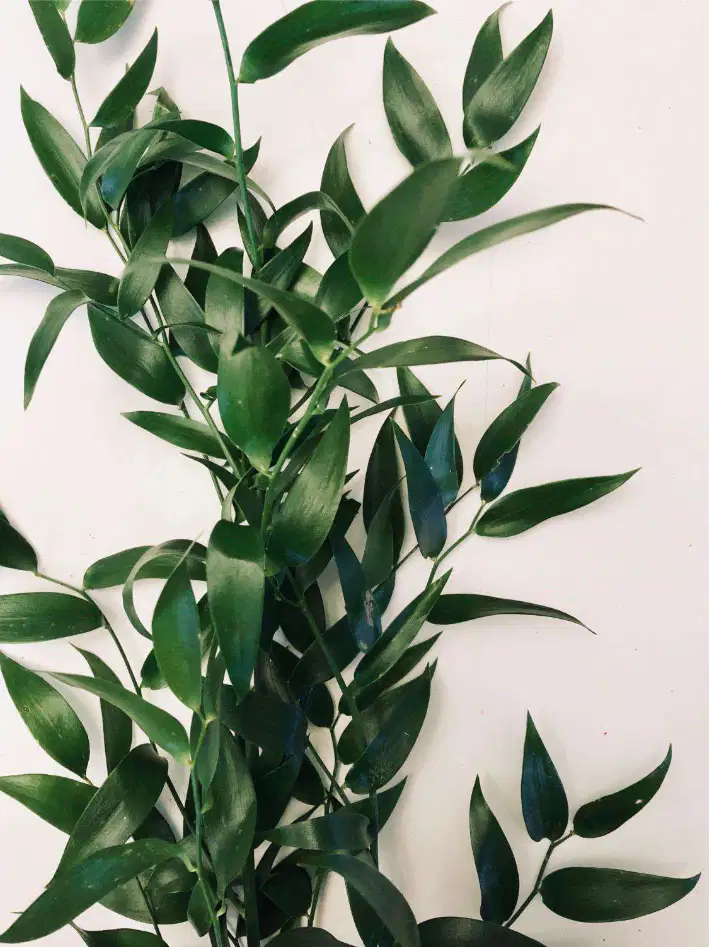
What is the scientific name of soft ruscus?
Ruscus hypoglossum
Ruscus aculeatus
Ruscus colchicus
Ruscus microglossum
What colour can the berries of orange racemosa be?
Red
Blue
Green
Yellow

Which of the following plants can have toxic orange berries?
Danae racemosa
Rosa canina
Ficus elastica
Monstera deliciosa

Which of the following plants is known as snake grass?
Equisetum
Fern
Bamboo
Cactus

What is the common name of the plant shown in the image?
Silver Dollar
Beetleweed
Box
Hosta
What is the scientific name of the plant shown in the image?
Option A
Option B
Option C
Option D

What is another name for the Eucalyptus plant shown in the image?
Blue Gum
Maple
Pine
Oak

What is the scientific name of the plant shown in the image?
Eucalyptus parvifolia
Eucalyptus globulus
Eucalyptus camaldulensis
Eucalyptus regnans

Fill in the blank: Eucalyptus parvifolia is known for being _______.
Scented
Unscented
Bitter
Sweet
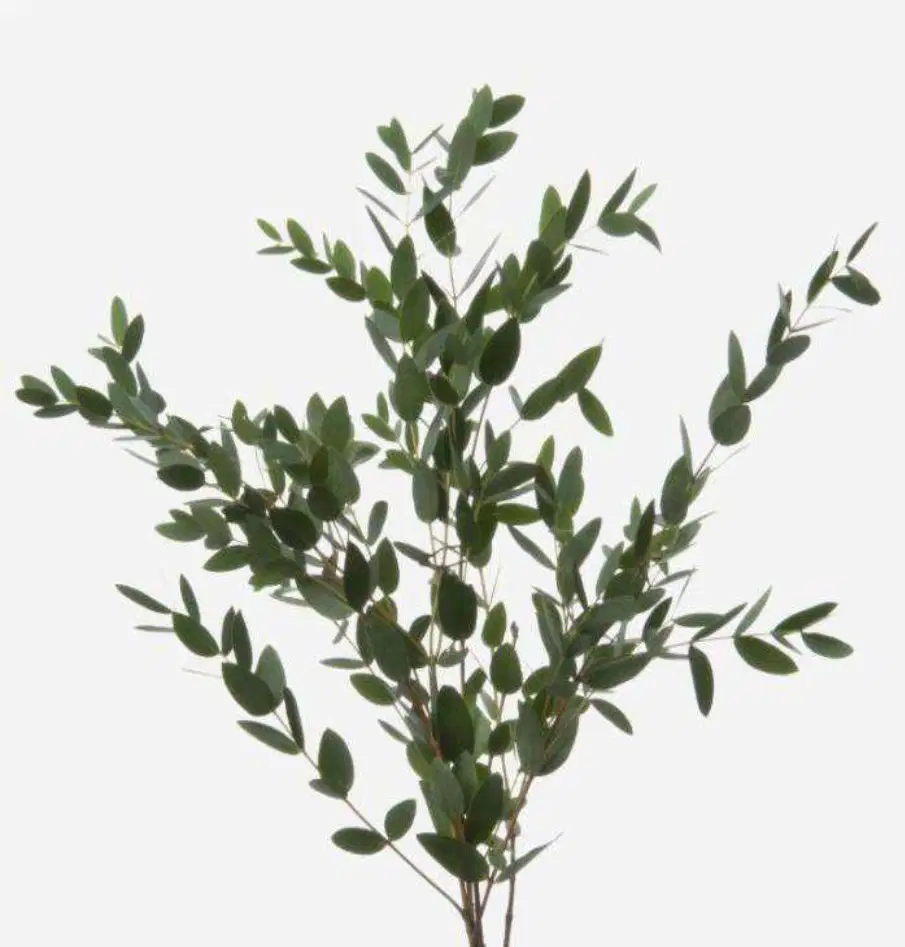
What is the common name of Eucalyptus parvifolia?
Blue gum
River red gum
Small leaf gum
Mountain ash

What is another name for Fatsia?
Japonica Aralia
Myrtle
Philodendron
Salal
During which season is the Fatsia plant available?
Spring
Summer
Autumn
Winter
What are the characteristics of the Fatsia plant?
Large, glossy leaves
Small, needle-like leaves
Brightly colored flowers
Thorny stems

What is another name for the plant shown in the image?
Galax
Rose
Tulip
Sunflower
What is the scientific name of the plant shown in the image?
urceolata
urceolata
urceolata
urceolata

What is another common name for the plant shown in the image?
Beetleweed
Dandelion
Fern
Cactus

What is the scientific name of the plant shown in the image?
Gaultheria
Salal
shallon
All year round

The plant shown in the image is harmful if eaten but good for _______.
hand ties
decoration
medicine
cooking

What is the scientific name of Ivy?
Hedera helix
Ficus elastica
Monstera deliciosa
Epipremnum aureum
What is the common name for Hedera?
Ivy
Rose
Tulip
Daisy
When does Ivy grow?
Spring
Summer
Autumn
Winter
What are the potential hazards of Ivy?
It can cause skin irritation and allergic reactions.
It is completely safe and has no hazards.
It can be used as a food source for humans.
It is beneficial for all types of wildlife.

What is the name of the plant shown in the image?
Hosta
Fern
Cactus
Bamboo

What is another name for Hypericum?
St. John's Wort
Rosemary
Lavender
Chamomile

What is the scientific name of Myrtle?
Myrtus communis
Rosa rubiginosa
Quercus robur
Pinus sylvestris
What is the common name for Myrtus communis?
Common Myrtle
Rosemary
Lavender
Thyme

For what occasion is Myrtle commonly used?
Weddings
Funerals
Birthday parties
Graduations
Which plant is used in royal wedding bouquets?
Myrtle
Rose
Lily
Tulip

What is the name of the plant shown in the image?
Monstera
Philodendron
Ficus
Pothos

What is the specific variety of the Philodendron shown in the image?
'Xanadu'
'Monstera'
'Fiddle Leaf'
'Pothos'
When is the Philodendron 'Xanadu' available?
All year round
Only in spring
Only in summer
Only in winter

What are the characteristics of the Philodendron 'Xanadu'?
Harmful if eaten, good for contemporary designs
Edible and safe for pets
Requires full sunlight
Needs very little water

What is the name of the plant shown in the image?
Pittosporum
Ficus
Bonsai
Fern
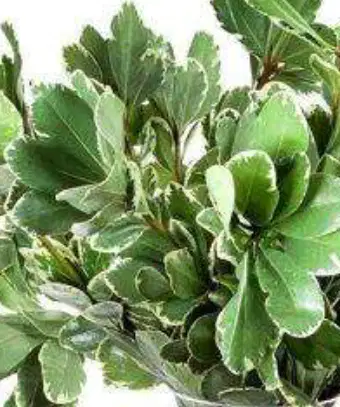
What is another name for Pittosporum?
tobira
camellia
azalea
rhododendron

What is the short form of Pittosporum?
Pitto
Pitt
Pittos
Pittor
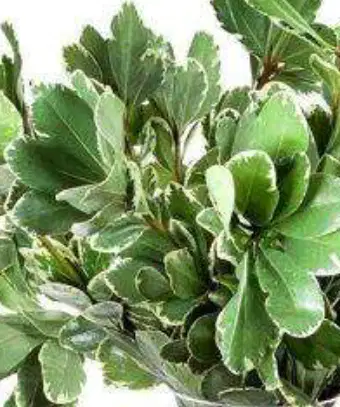
What can happen to the leaves of the Pittosporum plant?
Leaves can drop
Leaves can turn yellow
Leaves can grow larger
Leaves can become sticky

What is shown in the image?
Ilex
St John's Wart
Viburnum
Ruscus

What is the scientific name for twisted willow?
Pittosporum
Myrtus
Salix
Gaultheria

What is shown in the image?
Xerophyllum
Pittosporum
Philodendron
Viburnum

What is the scientific name for bear grass?
Myrtus
Xerophyllum
Eucalyptus
Chamaecyparis

