
 Worksheets
GCC Week-6
Total questions: 44
Worksheet time: 22mins
What will you be able to identify in your organization?
Sources of data and potential areas for carbon reduction
Types of flowers
Different sports
Colors of the rainbow

What is the main difference between the natural greenhouse effect and the greenhouse effect intensified by humans?
More heat escapes into space in the natural effect.
Less heat escapes into space in the natural effect.
The sun is closer in the intensified effect.
The earth is larger in the intensified effect.
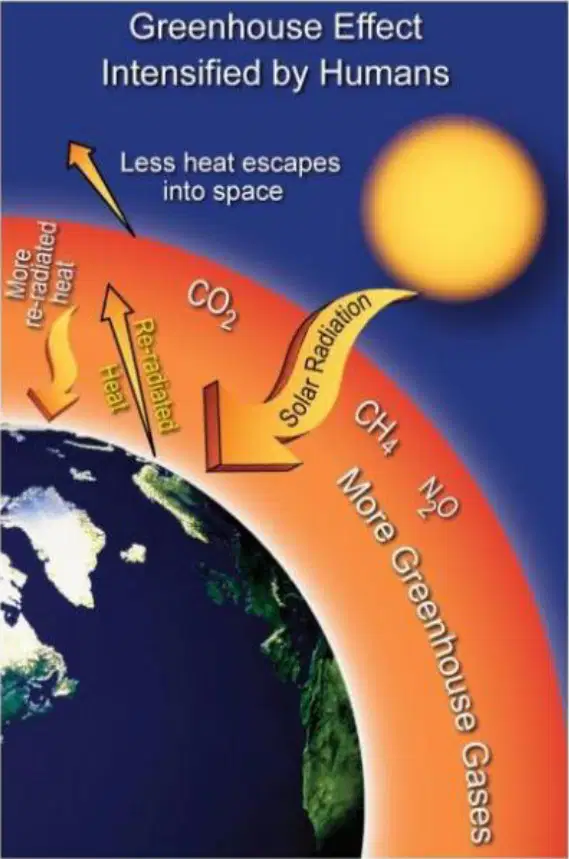
Which gas is shown as being more in the intensified greenhouse effect?
Oxygen (O2)
Carbon Dioxide (CO2)
Helium (He)
Hydrogen (H2)

What is the process called when plants take in carbon dioxide and sunlight to make food?
Photosynthesis
Respiration
Combustion
Evaporation

Which activity releases carbon dioxide into the atmosphere by burning?
Planting trees
Burning fossil fuels
Drinking water
Swimming

What is the term for the loss of carbon from the ocean to the atmosphere?
Ocean Loss
Ocean Gain
Ocean Storage
Ocean Evaporation
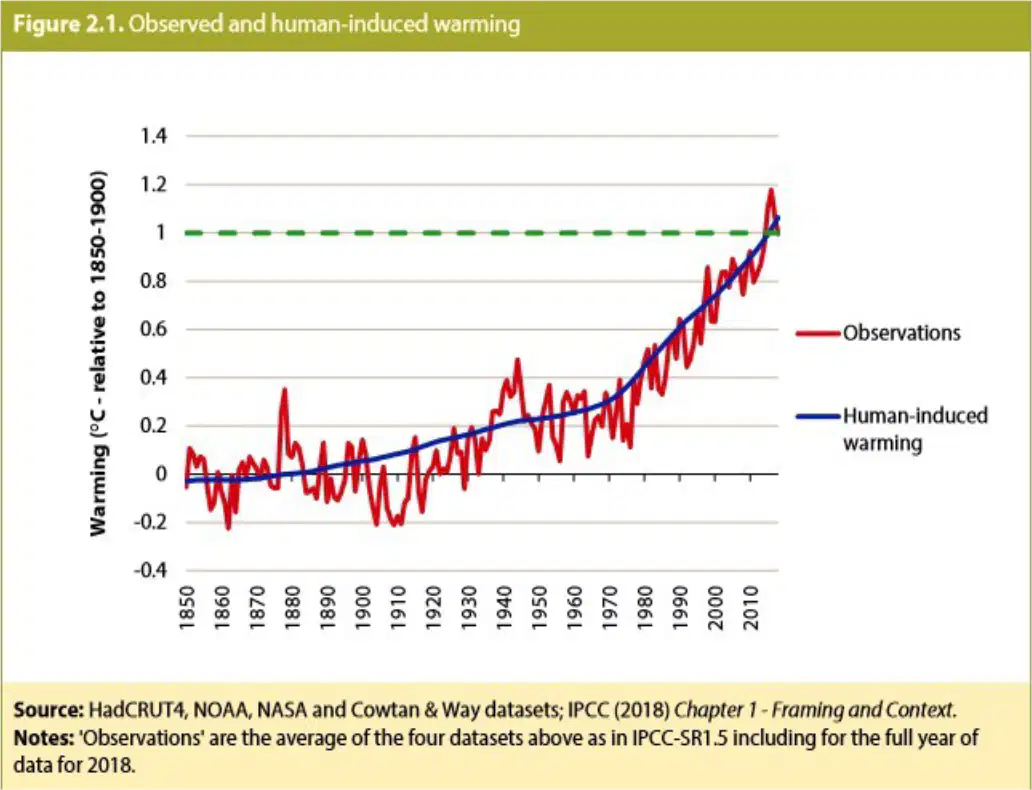
What does the red line in the diagram represent?
Human-induced warming
Observations
Temperature decrease
Rainfall patterns
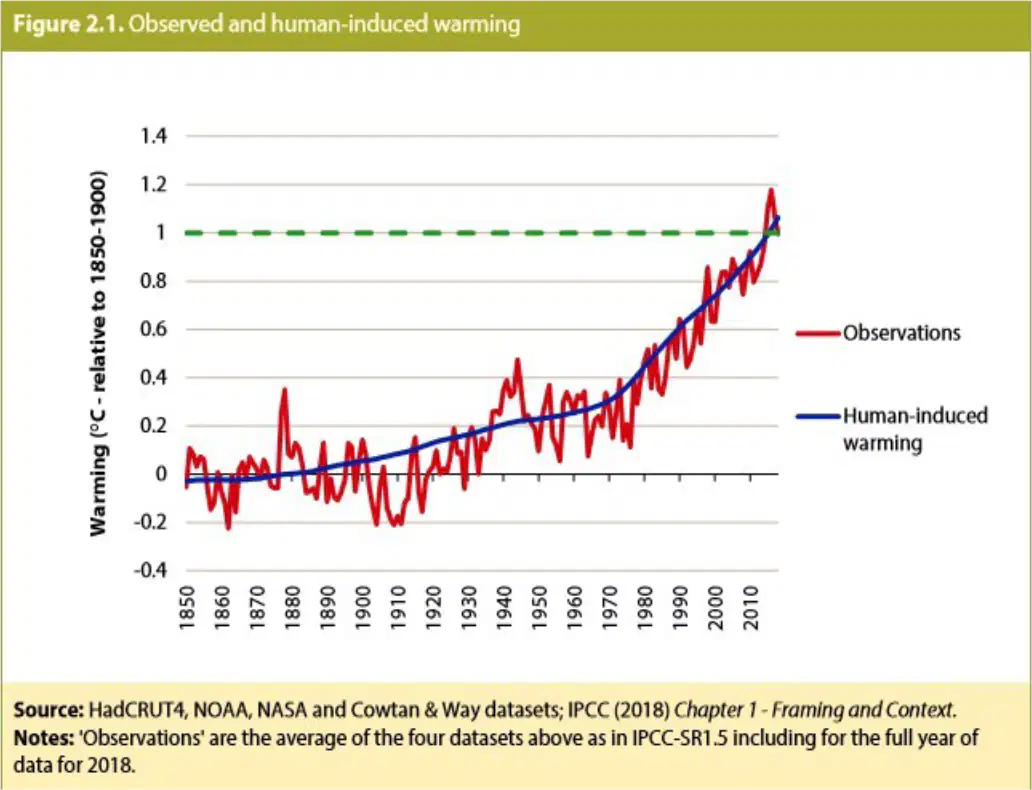
What does the blue line in the diagram represent?
Human-induced warming
Observations
Temperature decrease
Rainfall patterns
Which gas is known as carbon dioxide?
CO₂
CH₄
N₂O
SF₆
What is the main goal of the Kyoto Protocol?
To increase greenhouse gases
To limit warming to 2°C above pre-industrial levels
To reduce water pollution
To promote deforestation
What is the target year for the UK to achieve 'net zero' emissions according to the Climate Change Act amendment?
2050
2045
2030
2025
By what year has Scotland legislated to hit net-zero emissions?
2045
2050
2035
2025
What percentage has the carbon intensity of the UK's grid electric reduced by since 1990?
67%
50%
30%
10%
What was one of the reasons for the reduction in carbon intensity in the 1990s?
Dash for gas
Increase in coal
More nuclear power
Less solar energy
Since 2010, what type of energy production increased five-fold?
Renewable energy
Nuclear energy
Coal energy
Oil energy
In 2020, what weather condition contributed to no coal usage for over a month?
Sunny weather
Rainy weather
Snowy weather
Windy weather
What is the name of the agreement shown in the image?
Paris Climate Change Agreement
Kyoto Protocol
Montreal Protocol
Geneva Convention
When was the Paris Climate Change Agreement signing ceremony held?
22 April 2016
15 March 2015
10 October 2017
5 June 2018
What is the target year for UK businesses to achieve carbon neutrality?
2025
2030
2040
2050
What percentage of UK businesses have already reached carbon neutrality?
5%
8%
10%
15%
What percentage of respondents agreed that climate change is real and driven by human activity?
85%
90%
93%
95%
What is the target reduction in greenhouse gas emissions by 2025?
30%
50%
70%
90%
What is the focus of the industry's approach mentioned in the text?
Increasing costs
Delivering low carbon assets quickly and at a lower cost
Reducing supply chains
Building more factories
What does reducing carbon help with?
Increases costs
Reduces costs
Has no effect
Makes things more expensive
What percentage of UK emissions is from infrastructure?
100%
53%
25%
10%
How much of the emissions can we control?
1/3
1/2
1/4
3/4
What does the design of the Cooperative Bank allow for?
Natural heating, cooling, and lighting
Only heating
Only cooling
Only lighting
What is used to power the CHP plant at the Cooperative Bank?
Renewable fuel (rapeseed oil)
Coal
Natural gas
Solar panels
What is recycled for toilet flushing and irrigation at the Cooperative Bank?
Greywater and rainwater
Drinking water
Seawater
River water
How much less carbon is predicted to be used compared to the old head office?
80%
50%
30%
10%
Why should we report for compliance?
To improve reputation
To reduce energy security risk
To become a market leader
To ignore regulations
What is one benefit of staying ahead of regulation?
Increased costs
Improved reputation
Ignoring client demands
Losing new work
How can identifying hotspots help a company?
By increasing carbon emissions
By making carbon reductions and cost savings
By ignoring regulations
By losing market leadership
What does meeting stakeholder demands help with?
Winning new work
Losing reputation
Ignoring compliance
Increasing energy security risk
What is one way we can help the environment?
Use more plastic bags
Plant more trees
Leave lights on all day
Drive cars more often
Which of these is a renewable energy source?
Coal
Wind
Oil
Gasoline
What can we use to save electricity at home?
Regular light bulbs
Energy-saving light bulbs
Leaving lights on
Using more appliances
What is one way to use energy more efficiently in equipment?
Use more lights
Invest in energy-efficient equipment
Buy more equipment
Use older equipment
What should you consider for infrastructure needs?
More parking spaces
Charging points for EV
Bigger buildings
More roads
What is a green travel plan mentioned in the text?
Traveling by car
More tele- / video-conferencing
Traveling by plane
More face-to-face meetings
What is one way to help reduce carbon impact by using materials?
Use more materials
Use less material in absolute terms
Use only new materials
Use materials with higher carbon impacts
What should you do to make things easier to fix and upgrade later?
Use more materials
Take an eco-design approach
Ignore maintenance
Use only plastic materials
What type of materials should you switch to for lower carbon impacts?
Alternative materials
Expensive materials
Heavy materials
Fragile materials
What can you do to reduce waste and promote a circular economy?
Throw away everything
Reduce waste
Use more energy
Buy new items only

