
 Worksheets
Quarterly 3 Science Review
Total questions: 55
Worksheet time: 38mins
The process in which water vapor in the air is changed into liquid water is called:
evaporation
transpiration
sublimation
condensation
The sun drives the water cycle by
heating the ocean
rotating on its axis
giving light to plants
Definition of Climate
Definition of Weather
The state of the atmosphere at a specific place and time

We got three inches of rain yesterday.
Weather
Climate

Phoenix,Arizona has extremely hot summers.
Weather
Climate
We usually receive a lot of rain in May.
Weather
Climate

The meteorologist said that it will be hot and sunny this weekend.
Weather
Climate
is a fossil fuel non - renewable or renewable
renewable
non-renewable
What are the 3 fossil fuels?
charcoal, oil and natural gas
coal, baby oil and natural gas
coal, oil and natural gas
charcoal, oil and cooking oil
None of the above

Which fossil fuels formed in an ocean?
coal and oil
oil and natural gas
natural gas and coal

Which fossil fuel is formed in swamps?
coal
oil
natural gas
Which fossil fuel is used for energy?
coal
oil
natural gas
all of the above
Which event began the formation of oil?
the mixing of sea water with minerals
the buildup of sea shells
the eruption of a volcano
the death of anciet marine (ocean) animals
What conditions are needed to form coal?
Heat and pressure
Heat
Moisture and pressure
Cool and moist
Coal is formed from
rocks
a factory
remains of small organisms that lived many millions of years ago in our oceans
plant remains along with heat and pressure
Fossil Fuels are
pieces of rock that have been compacted many times
rock that contains 50% plant and animal remains
metamorphic rock
fuels that form from the remains of plant and other organisms that were buried and altered over million of years
Which type of rock are most fossils found?
sedimentary rock
metamorphic rock
igneous rock
fossils

An animal has sharp, pointy teeth, what can we infer about this animal?
The animal lived in the water
The animal lived near the beach.
The animal is a carnivore.
The animal only ate plants.
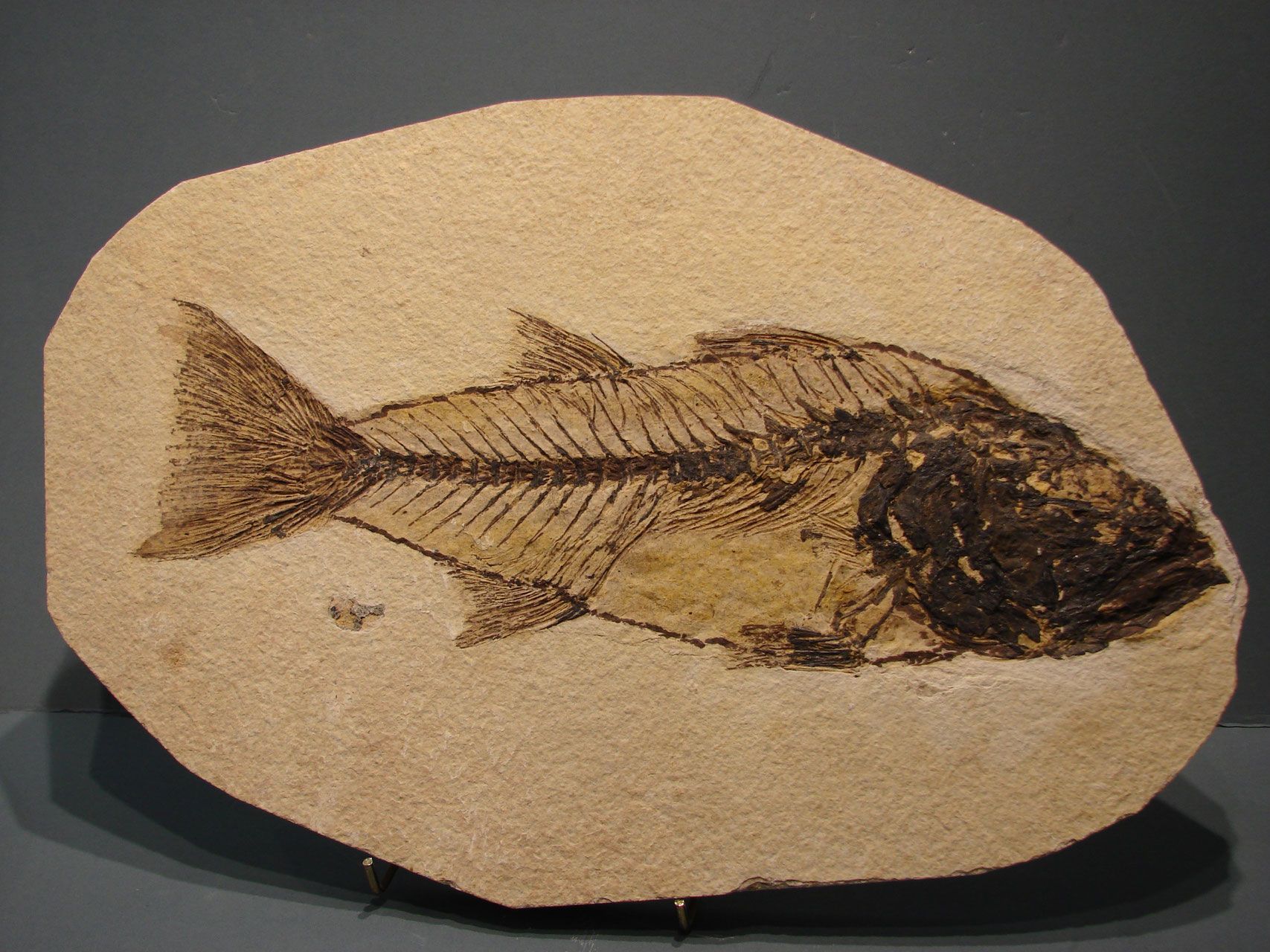
If a scientist found a fish fossil in the desert, what can they infer?
An animal ate the fish.
The water covered the area long ago.
Today's fish looks the same
The fish is endangered.
Turtles look much like they did millions of years ago. What can we infer about turtle fossils?
They did not change over time.
The turtle survived the ice age.
Turtles went extinct.
Turtles were never endangered.

Which layer is the youngest?
(a)
Which layer is the oldest?
(a)
Which layer is younger than layer 4?
2
1
6
3
A ______________________ is a scientist who studies fossils.
biologist
chemist
paleontologist
astronomer

The layers in the canyon's sedimentary rock were most likely created by (a)

A (a) is created by the slowing down of sediment that is deposited at the mouths of rivers.
Match the following Word Associations
Weathering
Break down
Deposition
Lay down or drop off
Compaction
Squeeze/push together
Cementation
Stick together
Erosion
Carry away

What agent of change causes a sand dune?
Water
Wind
Ice

What agent of change causes a U-shaped Valley?
Water
Wind
Ice

Which process best describes the formation of a canyon.
Weathering & Erosion
Erosion & Deposition
The process of breaking up rocks on Earth's surface is known as what?
sediment
erosion
weathering
deposition
Waves dropping sand on the beach is an example of what?
Weathering
Erosion
Deposition
Compaction

Many animals in an ecosystem depend on other animals for —
shelter
water and air
energy
support

Plants are interacting directly with another living component of their environment when they are–
attracting insects.
absorbing sunlight.
soaking up water.
taking in carbon dioxide.

Many plants depend on insects for pollination. Without pollination, these plants cannot produce seeds. Plants depend on insects to —
grow new leaves
strengthen roots
make more food
produce offspring

Frogs in a pond interact with both living and nonliving components in their ecosystem. Frogs interact with nonliving components when they–
eat swimming insects for energy.
lay their eggs in bodies of water.
become food for another animal.
hide beneath plants in the pond.

All of the following are examples of living things interacting with each other EXCEPT —
birds preying on insects living in the grass
squirrels spreading the seeds of trees by burying them
fish eating plants and other smaller fish
frogs sleeping in the mud at the bottom of the pond

Plants interact with living and nonliving components in their environment. Which is an interaction with a nonliving component?
Small insects eating the stems of plants
Humans breathing oxygen released by plants
Sandy soil holding the roots of plants
Bees gathering pollen from flowers of plants

Which adaptation of a cactus is related to its interactions with living organisms in its environment?
roots that grow deep underground to reach water
spines to protect it from animals that want its water
a waxy, outer coating to prevent the loss of the water
large, expendable stem that allows it to store water

A producer gets energy from the (a)
Label the food chain
Label this food chain

The direction of the arrows in a food chain are very important. The arrows point to the ________.
organism that receives the energy.
organism that gives the energy.
The original source of all energy in a food chain is the__________.
the biggest organism.
the sun.
food.
animals.

Which organism receives energy from the plant?
ant
lizard
hawk

The snail receives its energy from which organism?
Thistle
Garden snail
Song thrush
Sparrowhawk

Arrows in a food web represent...
eating
sunlight
energy
matter

