wayground logo

Free Printable Worksheets

Font size

S
M
L
XL
Worksheets

Enlightenment and American Revolution

Total questions: 150

Worksheet time: 2hrs 43mins
Name
Class
Date
1.
After writing the English Bill of Rights, William of Orange and Queen Mary would be considered what?
a)
dictators
b)
representatives
c)
enlightened despots
d)
philosophes
2.
After writing the English Bill of Rights, William of Orange and Queen Mary would be considered what?
a)
dictators
b)
representatives
c)
enlightened despots
d)
philosophes
3.
Which movement did NOT cause the Enlightenment?
a)
Renaissance
b)
Absolutism
c)
Reformation
d)
Scientific Revolution
4.
Which movement did NOT cause the Enlightenment?
a)
Renaissance
b)
Absolutism
c)
Reformation
d)
Scientific Revolution
5.
Enlightenment thinking challenged accepted beliefs for problems in what?
a)
art and culture
b)
religion
c)
science and medicine
d)
government and society
6.
Enlightenment thinking challenged accepted beliefs for problems in what?
a)
art and culture
b)
religion
c)
science and medicine
d)
government and society
7.
A set of books used by philosophers to contribute and spread their ideas about the Enlightenment.
a)
salons
b)
encyclopedia
c)
pamphlets
d)
protests
8.
A set of books used by philosophers to contribute and spread their ideas about the Enlightenment.
a)
salons
b)
encyclopedia
c)
pamphlets
d)
protests
9.
An influential salon owner that financed the works of Denis Diderot.
a)
Mary Wollstonecraft
b)
Olympe De Gouges
c)
Abigail Adams
d)
Marie-Thérèse Geoffrin
10.
An influential salon owner that financed the works of Denis Diderot.
a)
Mary Wollstonecraft
b)
Olympe De Gouges
c)
Abigail Adams
d)
Marie-Thérèse Geoffrin
11.
The belief that a country's king got their power and authority directly from God
a)
absolutism
b)
baroque
c)
divine right of kings
d)
separation of powers
12.
The belief that a country's king got their power and authority directly from God
a)
absolutism
b)
baroque
c)
divine right of kings
d)
separation of powers
13.
Political practice with absolute power and control of the government.
a)
absolutism
b)
despotism
c)
democracy
d)
monarchy
14.
Political practice with absolute power and control of the government.
a)
absolutism
b)
despotism
c)
democracy
d)
monarchy
15.
In what ways did Enlightenment thinking begin to spread?
a)
salons
b)
protests
c)
encyclopedia
d)
war
16.
In what ways did Enlightenment thinking begin to spread?
a)
salons
b)
protests
c)
encyclopedia
d)
war
17.
People who believed in God, but not in a specific church or book.
a)
deists
b)
rationalists
c)
philosophers
d)
parliament
18.
People who believed in God, but not in a specific church or book.
a)
deists
b)
rationalists
c)
philosophers
d)
parliament
19.
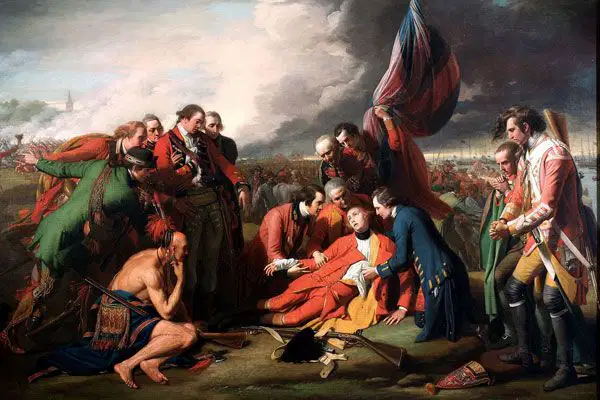
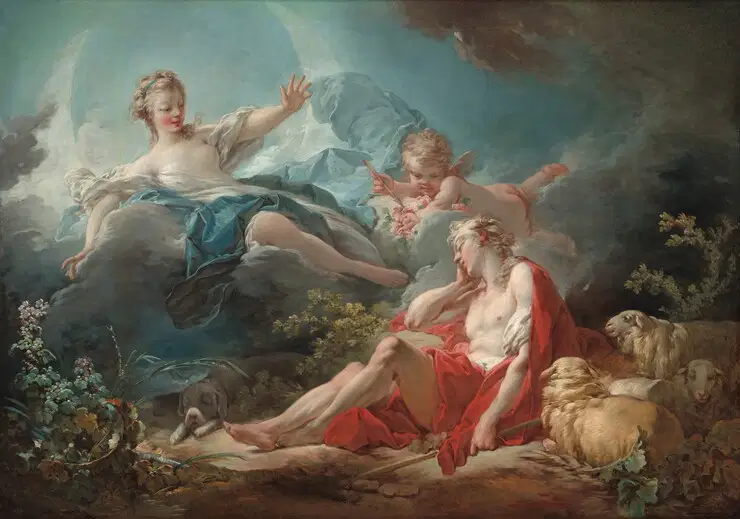
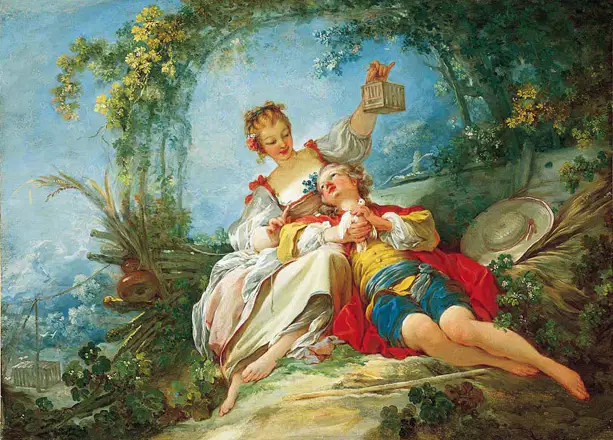
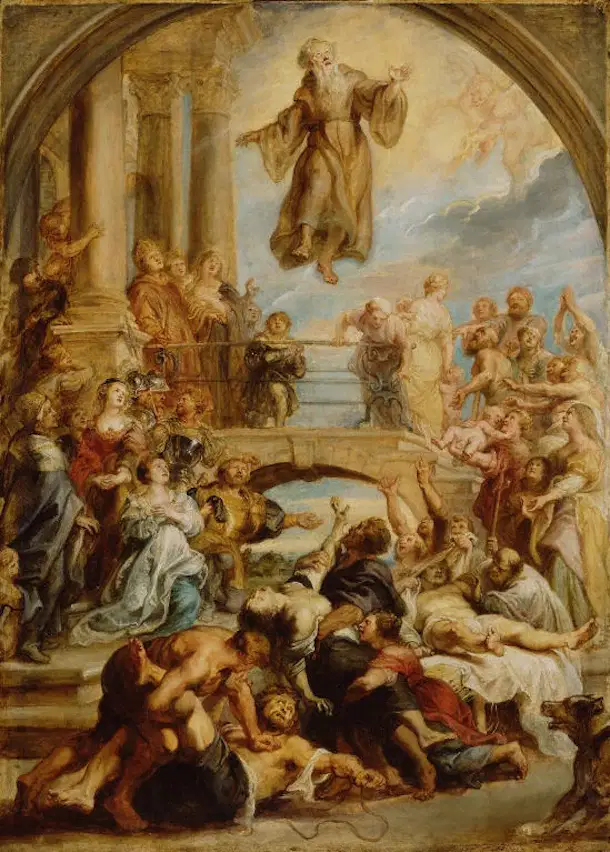
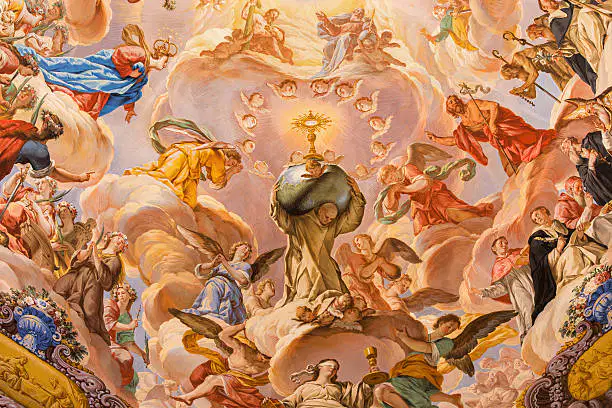
The painting below is an example of which art style?
a)
neoclassical
b)
rococo
c)
baroque
d)
gothic
20.
The painting below is an example of which art style?
a)
neoclassical
b)
rococo
c)
baroque
d)
gothic
21.
The painting below is an example of which art style?
a)
neoclassical
b)
rococo
c)
baroque
d)
gothic
22.
The painting below is an example of which art style?
a)
neoclassical
b)
rococo
c)
baroque
d)
gothic
23.
The painting below is an example of which art style?
a)
neoclassical
b)
rococo
c)
baroque
d)
gothic
24.
The painting below is an example of which art style?
a)
neoclassical
b)
rococo
c)
baroque
d)
gothic
25.
The painting below is an example of which art style?
a)
neoclassical
b)
rococo
c)
gothic
d)
baroque
26.
The painting below is an example of which art style?
a)
neoclassical
b)
rococo
c)
gothic
d)
baroque
27.
The painting below is an example of which art style?
a)
neoclassical
b)
rococo
c)
gothic
d)
baroque
28.
Created the first vaccine to stop the spread of smallpox in 1796.
a)
Benjamin Franklin
b)
Edward Jenner
c)
Isaac Newton
d)
Thomas Edison
29.
Created the first vaccine to stop the spread of smallpox in 1796.
a)
Benjamin Franklin
b)
Edward Jenner
c)
Isaac Newton
d)
Thomas Edison
30.
This Enlightenment thinker believed that governments were created to protect people from their own selfishness
a)
Jean-Jacques Rousseau
b)
Montesquieu
c)
John Locke
d)
Thomas Hobbes
31.
This Enlightenment thinker believed that governments were created to protect people from their own selfishness
a)
Jean-Jacques Rousseau
b)
Montesquieu
c)
John Locke
d)
Thomas Hobbes
32.
The political belief that holds to the common good or common interest of the people.
a)
democracy
b)
general will
c)
natural rights
d)
social contract
33.
The political belief that holds to the common good or common interest of the people.
a)
democracy
b)
general will
c)
natural rights
d)
social contract
34.
Which is NOT part of John Locke's belief of natural rights?
a)
life
b)
liberty
c)
happiness
d)
property
35.
Which is NOT part of John Locke's belief of natural rights?
a)
life
b)
liberty
c)
happiness
d)
property
36.
In exchange for protection, people give the government the power or permission to rule on their behalf.
a)
absolutism
b)
state of nature
c)
consent of the governed
d)
general will
37.
In exchange for protection, people give the government the power or permission to rule on their behalf.
a)
absolutism
b)
state of nature
c)
consent of the governed
d)
general will
38.
Dividing different powers among more than one branch of government, so that no one group in the government could grow too powerful.
a)
constitutional monarchy
b)
state of nature
c)
natural rights
d)
separation of powers
39.
Dividing different powers among more than one branch of government, so that no one group in the government could grow too powerful.
a)
constitutional monarchy
b)
state of nature
c)
natural rights
d)
separation of powers
40.
The Enlightenment thinker whose primary focus was on the above political practice.
a)
Montesquieu
b)
Cesare Beccaria
c)
Voltaire
d)
Mary Wollstonecraft
41.
The Enlightenment thinker whose primary focus was on the above political practice.
a)
Montesquieu
b)
Cesare Beccaria
c)
Voltaire
d)
Mary Wollstonecraft
42.
Enlightenment thinker that fought for the rights of the accused and believed the "punishment should fit the crime."
a)
Montesquieu
b)
Cesare Beccaria
c)
Voltaire
d)
Mary Wollstonecraft
43.
Enlightenment thinker that fought for the rights of the accused and believed the "punishment should fit the crime."
a)
Montesquieu
b)
Cesare Beccaria
c)
Voltaire
d)
Mary Wollstonecraft
44.
Enlightenment writer and satirist that fought for religious tolerance and free speech.
a)
Montesquieu
b)
John Locke
c)
Denis Diderot
d)
Voltaire
45.
Enlightenment writer and satirist that fought for religious tolerance and free speech.
a)
Montesquieu
b)
John Locke
c)
Denis Diderot
d)
Voltaire
46.
What is capital punishment?
a)
death penalty
b)
torture
c)
unconstitutional
d)
a speedy trial
47.
Enlightenment thinker that told her husband to pay attention to women's rights because women "will not hold ourselves bound to any laws in which we have no voice.”
a)
Martha Washington
b)
Mary Wollstonecraft
c)
Abigail Adams
d)
Marie-Thérèse Geoffrin
48.
Enlightenment thinker that told her husband to pay attention to women's rights because women "will not hold ourselves bound to any laws in which we have no voice.”
a)
Martha Washington
b)
Mary Wollstonecraft
c)
Abigail Adams
d)
Marie-Thérèse Geoffrin
49.
Enlightenment thinker that believed education was the key for women earning equality and freedom.
a)
Abigail Adams
b)
Olympe De Gouges
c)
Mary Wollstonecraft
d)
Phillis Wheatley
50.
Enlightenment thinker that believed education was the key for women earning equality and freedom.
a)
Abigail Adams
b)
Olympe De Gouges
c)
Mary Wollstonecraft
d)
Phillis Wheatley
51.
Enlightenment thinker and American poet whose writing was influenced by her Christian faith and desire for freedom during the American Revolution.
a)
Mary Wollstonecraft
b)
Phillis Wheatley
c)
Olympe de Gouges
d)
Abigail Adams
52.
Enlightenment thinker and American poet whose writing was influenced by her Christian faith and desire for freedom during the American Revolution.
a)
Mary Wollstonecraft
b)
Phillis Wheatley
c)
Olympe de Gouges
d)
Abigail Adams
53.
Which is NOT an American document that reflects Enlightenment ideas?
a)
US Constitution
b)
Declaration of Independence
c)
Bill of Rights
d)
Magna Carta
54.
The Enlightenment directly affected a revolution in which European country?
a)
Italy
b)
France
c)
Britain
d)
Spain
55.

What was the primary goal of the Enlightenment thinkers?

a)

To maintain the status quo

b)

To challenge traditional authority and promote knowledge through reason

c)

To establish a new religious order

d)

To expand colonial empires

56.

How did the Enlightenment influence modern democracy?

a)

By promoting absolute monarchy

b)

By advocating for the divine right of kings

c)

By emphasizing the importance of individual rights and representative government

d)

By supporting theocracy

57.

How did the Enlightenment influence modern democracy?

a)

By promoting absolute monarchy

b)

By advocating for the divine right of kings

c)

By emphasizing the importance of individual rights and representative government

d)

By supporting theocracy

58.

Which of the following best describes the philosophy of the Enlightenment?

a)

Emphasis on tradition and religious authority

b)

Emphasis on reason, individualism, and skepticism of authority

c)

Emphasis on mysticism and spiritual enlightenment

d)

Emphasis on feudalism and monarchy

59.

Which Enlightenment thinker is credited with the idea of separation of powers in government?

a)

Jean-Jacques Rousseau

b)

Montesquieu

c)

Thomas Hobbes

d)

David Hume

60.

Which Enlightenment thinker is credited with the idea of separation of powers in government?

a)

Jean-Jacques Rousseau

b)

Montesquieu

c)

Thomas Hobbes

d)

David Hume

61.

Which of the following best describes Voltaire's contribution to the Enlightenment?

a)

Advocacy for absolute monarchy

b)

Criticism of religious intolerance and advocacy for freedom of speech

c)

Support for feudalism

d)

Promotion of isolationism

62.

Which of the following best describes Voltaire's contribution to the Enlightenment?

a)

Advocacy for absolute monarchy

b)

Criticism of religious intolerance and advocacy for freedom of speech

c)

Support for feudalism

d)

Promotion of isolationism

63.

How did the Enlightenment influence the French Revolution?

a)

By supporting the continuation of the monarchy

b)

By inspiring revolutionary ideas about liberty, equality, and fraternity

c)

By advocating for colonial expansion

d)

By promoting religious wars

64.

Which Enlightenment philosopher is known for the idea of the "social contract"?

a)

John Locke

b)

Jean-Jacques Rousseau

c)

Voltaire

d)

Thomas Hobbes

65.

What was the impact of the Enlightenment on education?

a)

It discouraged education for the masses

b)

It promoted the idea of universal education and the spread of knowledge

c)

It focused solely on religious education

d)

It limited education to the aristocracy

66.

How did the Enlightenment thinkers view human nature?

a)

As inherently evil and corrupt

b)

As inherently good and capable of improvement through reason

c)

As unchangeable and predetermined

d)

As solely driven by divine intervention

67.

Which art style is the painting shown?

a)

Rococo

b)

Baroque

c)

Neoclassical

d)

Gothic

68.

What is the art style shown?

a)

Neoclassical

b)

Gothic

c)

Rococo

d)

Baroque

69.

What is the art style shown?

a)

Baroque

b)

Neoclassical

c)

Rococo

d)

Gothic

70.

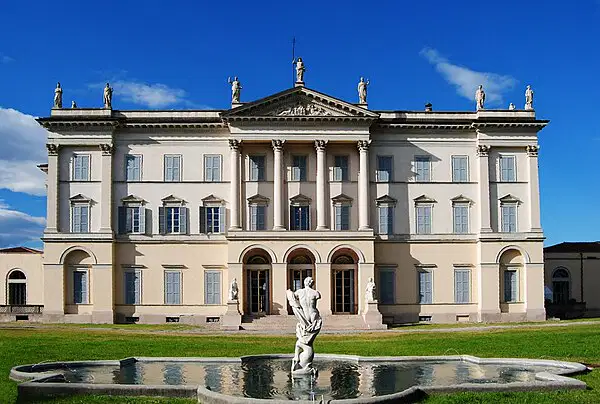
Name the style of the architecture of the building shown.

a)

Neoclassical

b)

Rococo

c)

Surrealism

d)

Baroque

71.

Identify the architecture style of the building shown?

a)

Rococo

b)

Gothic

c)

Neoclassical

d)

Baroque

72.

Which Enlightenment philosopher is known for advocating the separation of powers in government?

a)

Voltaire

b)

John Locke

c)

Montesquieu

d)

Jean-Jacques Rousseau

73.

What was the primary focus of Mary Wollstonecraft's writings during the Enlightenment?

a)

Economic theories

b)

Political power of monarchs

c)

Women's rights and education

d)

Religious tolerance

74.

Which of the following best describes the impact of the Enlightenment on the arts?

a)

A focus on abstract and surreal concepts

b)

A shift towards religious themes and mysticism

c)

An emphasis on reason, order, and classical ideals

d)

A return to medieval styles and techniques

75.

Who wrote "Common Sense?"

a)

John Adams

b)

Ben Franklin

c)

Thomas Paine

d)

Thomas Jefferson

76.

Who wrote "Common Sense?"

a)

John Adams

b)

Ben Franklin

c)

Thomas Paine

d)

Thomas Jefferson

77.

In the 2nd continental congress, what was John Adams proposal in response to creating a New England militia?

a)

To create a united continental army

b)

To hold the Boston Tea Party

c)

To arrest all British soldiers in Boston

d)

To have Thomas Jefferson lead the troops

78.

Who spoke the infamous words, "Give me liberty, or give me death?"

a)

Patrick Henry

b)

Henry Knox

c)

George Washington

d)

Sam Adams

79.

What did the Quartering Act require colonists to do?

a)

Pay a quarter tax on all British imports

b)

House, feed, and care for British soldiers

c)

Switch from using sixpence to quarters

d)

To move all the Bostonians into the Bunker Hill quarter of the city

80.

In response to the Tea Act, the Sons of Liberty staged which famous event?

a)

Boston Tea Party

b)

Boston Massacre

c)

Battle of Lexington

d)

The First Continental Congress

81.

This act placed a tax on a required seal on legal and commercial documents such as newspapers, contracts, and even playing cards

a)

Tea Act

b)

Coercive Act

c)

Stamp Act

d)

Intolerable Act

82.

Which is considered to be the first event of colonial unrest towards the British?

a)

Quartering Act

b)

Intolerable Acts

c)

Battles of Lexington & Concord

d)

Proclamation of 1763

83.
What event does this drawing show?
a)
Tarring and feathering
b)
Boston Tea Party
c)
Boston Massacre
d)
American Revolution
84.

What was the Proclamation of 1763?

a)

Colonists can only move west of the Appalachian Mountains

b)

Colonists can only move west of the Sierra Nevada Mountains

c)

Colonists cannot move west of the Rocky Mountains

d)

Colonists cannot move west of the Appalachian Mountains

85.
Colonists protested the Stamp Act because they believed in what phrase?
a)
Live free or die
b)
All men are created equal
c)
Life, liberty, and pursuit of happiness
d)
No taxation with representation
86.
Colonists protested the Stamp Act because they believed in what phrase?
a)
Live free or die
b)
All men are created equal
c)
Life, liberty, and pursuit of happiness
d)
No taxation with representation
87.
In response to the Tea Act, the colonists threw tea from the British ships into the Boston Harbor.  This event is known as:
a)
Boston Tea Party
b)
Boston Riots
c)
Boston Massacre
d)
Boston Market
88.
Who was the King of Britain at the time of the Revolutionary War?
a)
King George III
b)
King George I
c)
King Henry IV
d)
King Henry VIII
89.
Why did the king begin to tax the colonists?
a)
He wanted more money to make England look better
b)
He needed money to pay off war debts from the French and Indian War
c)
He needed money to pay for Boston soldiers
d)
He hated the colonists' guts
90.
An angry crowd of workers surrounded a small group of British soldiers and were fired upon
a)
Boston Massacre
b)
Boston Rebellion
c)
Boston Treaty 
d)
Boston Tea Party
91.
First person killed in the Boston Massacre.
a)
Samuel Adams
b)
Crispus Attucks
c)
Benjamin Franklin
d)
General Wolfe
92.

I am the colony of

a)

Rhode Island

b)

New York

c)

Connecticut

d)

Virginia

93.

I am the colony of

a)

New York

b)

Delaware

c)

New Jersey

d)

South Carolina

94.

I am the colony of

a)

Virginia

b)

New Hampshire

c)

Rhode Island

d)

Georgia

95.

I am the colony of

a)

North Carolina

b)

Massachusetts

c)

Connecticut

d)

New Hampshire

96.

I am the colony of

a)

South Carolina

b)

North Carolina

c)

Georgia

d)

Delaware

97.

I am the colony of

a)

New York

b)

Connecticut

c)

Pennsylvania

d)

Virginia

98.

I am the colony of

a)

South Carolina

b)

North Carolina

c)

Virginia

d)

New Jersey

99.

I am the colony of

a)

Rhode Island

b)

Massachusetts

c)

Connecticut

d)

Georgia

100.

I am the colony of

a)

Maryland

b)

Delaware

c)

Rhode Island

d)

Massachusetts

101.

I am the colony of

a)

Maryland

b)

North Carolina

c)

Virginia

d)

New York

102.

I am the colony of

a)

Maryland

b)

Delaware

c)

Virginia

d)

Georgia

103.

I am the colony of

a)

Maryland

b)

North Carolina

c)

Virginia

d)

South Carolina

104.

I am the colony of

a)

New York

b)

New Hampshire

c)

Rhode Island

d)

Maryland

105.

Which document is considered a product of Enlightenment ideas and greatly influenced the American Revolution?

a)

The Magna Carta

b)

The Declaration of Independence

c)

The Communist Manifesto

d)

The Treaty of Versailles

106.

Who was the Enlightenment thinker who said that if a king tries to take away your rights, you should rebel?

a)

Thomas Hobbes

b)

Leonardo da Vinci

c)

John Locke

d)

Isaac Newton

107.

What was a key characteristic of Enlightenment art and architecture?

a)

Use of dark and dramatic colors

b)

Incorporation of Gothic elements

c)

Focus on symmetry and classical forms

d)

Emphasis on religious themes

108.

What was a key characteristic of Enlightenment art and architecture?

a)

Use of dark and dramatic colors

b)

Incorporation of Gothic elements

c)

Focus on symmetry and classical forms

d)

Emphasis on religious themes

109.

Which of the following best describes the impact of the Enlightenment on religion?

a)

It led to the decline of religious tolerance

b)

It promoted the idea of deism and religious tolerance

c)

It reinforced the power of the Catholic Church

d)

It resulted in the establishment of new religious orders

110.

What Act placed a tax on all paper items in the colonies?

a)

Sugar Act

b)

Stamp Act

c)

Townshend Act

d)

Intolerable Acts

111.
Which of the following is in correct chronological order? 
a)
Boston Tea Party, Intolerable Acts, First Continental Congress
b)
Intolerable Acts, First Continental Congress,   Boston Tea Party 
c)
First Continental Congress, Boston Tea Party, Intolerable Acts
d)
First Continental Congress, Intolerable Acts, Boston Tea Party
112.
Which cause of the Revolutionary War is represented above?
a)
Sugar Act
b)
The Boston Massacre
c)
Boston Tea Party
d)
Proclamation of 1763
113.
Which cause of the Revolutionary War is represented above?
a)
The Quartering Act
b)
Townshend Acts
c)
Proclamation of 1763
d)
Declaratory Acts
114.

The _______________ were passed by Parliament to punish the colonists for the Boston Tea Party.

a)

Navigation Acts

b)

Intolerable Acts

c)

Stamp Acts

d)

Final Acts

115.
What was the main cause of the French and Indian War?
a)
The French and British claimed the same land.
b)
The French and Indians claimed the same land.
c)
The Indians and British claimed the same land.
d)
The Indians wouldn't sell their land.
116.

Why was the French and Indian War fought?

a)

over land.....both sides wanted to claim the Ohio River Valley

b)

over money

c)

for control of Canada

d)

for control of the Mississippi River

117.

Did the colonists have a say in the taxes they paid?

a)

Yes

b)

No

118.
The ________________ was a meeting of leaders from the colonies to discuss problems with England in 1774. 
a)
The First Continental Congress
b)
The Boston Tea Party 
c)
The Second Continental Congress 
d)
Town Hall Meeting 
119.

King George III needed money to pay for the French and Indian War, so he decided to _____________ the colonies.

a)

yell

b)

tax

c)

go to war

d)

sell

120.

How many colonists died at the Boston Massacre?

a)

500

b)

100

c)

5

d)

None

121.

Which Enlightenment THINKER greatly influenced Thomas Jefferson?

a)

Thomas Hobbes

b)

Ms. Horsfield

c)

John Locke

d)

Ben Franklin

122.

Who wrote the Declaration of Independence?

a)

Thomas Jefferson

b)

John Adams

c)

George Washington

d)

Samuel Adams

123.

Who wrote the Declaration of Independence?

a)

Thomas Jefferson

b)

John Adams

c)

George Washington

d)

Samuel Adams

124.

When was the Declaration of Independence signed?

a)

August 2, 1776

b)

December 16, 1773

c)

July 4, 1776

d)

April 19, 1775

125.

When was the Declaration of Independence signed?

a)

August 2, 1776

b)

December 16, 1773

c)

July 4, 1776

d)

April 19, 1775

126.

What are three rights that are mentioned in the Declaration of Independence?

a)

life

b)

liberty

c)

pursuit of happiness

d)

all of the above

127.

According to Jefferson, what is the purpose of government?

a)

to make laws

b)

to enforce laws

c)

to protect people's rights

d)

to interpret laws

128.

What does it mean to boycott something?

a)

to fight against using speeches and news articles

b)

to try to destroy something through violent means

c)

to stop doing business with or refuse to cooperate with as a means of protest or showing disapproval

d)

to purchase on the black market (to avoid paying taxes)

129.
Why did Voltaire write using a pen name and not his real one?
a)
He did not want to be seen as hungry for publicity.
b)
He was very introverted and shy, so he wanted to remain anonymous.
c)
He feared his writings might anger the rulers of France.
d)
He stole ideas from many other Enlightenment thinkers, and did not want to get in trouble.
130.

This philosopher believed in education and jobs for women.

a)

Locke

b)

Wollstonecraft

c)

Montesquieu

d)

Hobbes

131.

In the American Government, each branch has the power to prevent the other branches from abusing power.

a)

Divine Right of Kings

b)

Declaration of Independence

c)

checks and balances

d)

popular sovereignty

132.

"I may disapprove of what you say, but I will defend to the death your right to say it."

a)

Voltaire

b)

Locke

c)

Montesquieu

d)

Rousseau

133.

Madame Geoffrin financially supported creating the first _____________.

a)

Thesaurus

b)

Dictionary

c)

Encyclopedia

d)

Textbook

134.

Abigail Adams was married to _____________, our second president.

a)

George Washington

b)

Thomas Jefferson

c)

John Adams

d)

John Quincy Adams

135.

Olympe de Gouges wrote a famous book titled ______________.

a)

Declaration of Independence

b)

Declaration of the United Women

c)

Declaration of the Rights of Woman

d)

U.S. Constitution

136.

In Paris, wealthy women invited writers, artists, and educated nobles to gather in their homes. They called these meetings ____.

a)

parliament

b)

congress

c)

salons

d)

house parties

137.

Who said citizens require harsh and strict laws due to their own selfishness?

a)

Thomas Hobbes

b)

Thomas Jefferson

c)

George Washington

d)

John Locke

138.

Wollstonecraft compares women to animals in several passages (lines 83–85, lines 179–183). What is she trying to convey with this comparison?

a)

Women who do not please their husbands are as unattractive as farm animals.

b)

Women are inherently less physically strong than men.

c)

Only through education can women achieve the accomplishments that separate humans from animals.

d)

Husbands treat their wives like animals.

139.

What was Mary Wollstonecraft's view on education for women?

a)

Mary Wollstonecraft believed that women should not receive any education.

b)

Mary Wollstonecraft believed that women should only receive basic education.

c)

Mary Wollstonecraft believed that women should receive education only in certain subjects.

d)

Mary Wollstonecraft believed in providing equal education opportunities for women.

140.

What is the full title of the book written by Mary Wollstonecraft?

a)

The Feminine Mystique

b)

The Scarlet Letter

c)

Pride and Prejudice

d)

A Vindication of the Rights of Woman

141.

Absolutism means

a)

the real power in any state must be religious and exercised by the church.

b)

ultimate authority rests solely in the hands of a king who rules by divine right.

c)

subordinate powers have an absolute right to advise the king on conducting the affairs of state.

d)

no matter how humble, male citizens have an absolute right to participate in politics.

142.
Enlightened thinkers based their philosophical beliefs on what two things?
a)
power and privilege
b)
money and fame
c)
good looks and charm
d)
reason and logic
143.

________ argued for women’s rights in the book, A Vindication of the Rights of Woman.

a)

Voltaire

b)

Montesquieu

c)

Immanuel Kant

d)

Mary Wollstonecraft

144.

________ believed that an absolute ruler was necessary to maintain order in society because people were naturally greedy and selfish.

a)

Voltaire

b)

Montesquieu

c)

Thomas Hobbes

d)

Mary Wollstonecraft

145.

__________ defined man’s (people’s) natural rights as “life, liberty, and property.”

a)

Mary Wollstonecraft

b)

Cesare Beccaria

c)

Thomas Hobbes

d)

John Locke

146.

In his book, On the Spirit of Laws, ________ wrote that separation of powers in government is essential to protecting liberty.

a)

Cesare Beccaria

b)

Montesquieu

c)

John Locke

d)

Voltaire

147.

In the work, On Crimes and Punishments, ________ argued against torture and the death penalty.

a)

Mary Wollstonecraft

b)

Jean Jacques Rousseau

c)

Thomas Hobbes

d)

Cesare Beccaria

148.

Wolfgang Amadeus Mozart, Ludwig van Beethoven were composers of  classical music.

a)
True
b)
False
149.

What later events would be inspired by the Enlightenment?

a)

American Revolution

b)

Age of Exploration

c)

Renaissance

d)

Reformation

150.

How are the Renaissance and the Enlightenment similar?

a)

produced major cultural changes

b)

limited technological advancements

c)

encouraged traditional values

d)

ignored individual achievements